
Nerve pain, often described as a burning, tingling, or shooting sensation, can significantly disrupt daily life, sleep, and physical activity. Whether it stems from diabetic neuropathy, a pinched nerve, or age-related wear and tear, finding the best vitamins for nerve pain is a critical step in managing discomfort and supporting neurological recovery. As a strength and conditioning coach, I frequently work with clients who struggle to maintain their training routines due to nerve-related limitations. Proper nutritional support, combined with targeted movement, can help protect nerve fibers, reduce inflammation, and improve overall quality of life.
This guide breaks down the most scientifically backed vitamins and supplements for nerve health. We will cover exact dosages, how these nutrients work at a cellular level, and practical ways to integrate them into your daily routine alongside safe, nerve-friendly exercises.
Quick Answer
The best vitamins for nerve pain include Vitamin B12, Vitamin B1 (Benfotiamine), Alpha-Lipoic Acid (ALA), and Magnesium. These nutrients support myelin sheath repair, reduce oxidative stress, and improve nerve conduction. Always consult a healthcare provider before starting supplements to ensure proper dosing and avoid medication interactions.
Understanding Nerve Pain and Nutritional Support
Peripheral neuropathy occurs when the peripheral nerves, which transmit signals between the central nervous system and the rest of the body, become damaged. This damage disrupts normal nerve conduction, leading to symptoms like numbness, weakness, and pain, typically in the hands and feet. The nerves are protected by a fatty layer called the myelin sheath, which acts like the insulation on an electrical wire.
When this sheath degrades due to high blood sugar, nutritional deficiencies, or physical compression, the nerve signals misfire. Research indicates that specific vitamins and antioxidants play a direct role in rebuilding this myelin sheath and neutralizing the oxidative stress that accelerates nerve fiber damage. While supplements cannot magically “cure” severe structural nerve damage, they are a foundational piece of a comprehensive management plan that includes medical care, blood sugar control, and targeted physical therapy.
The Best Vitamins and Supplements for Nerve Pain
1. Vitamin B12 (Cobalamin)
Vitamin B12 is arguably the most critical nutrient for neurological health. It is essential for the synthesis of myelin and the maintenance of healthy nerve cells. A deficiency in B12 can directly cause peripheral neuropathy, leading to severe tingling and balance issues.
- How it works: B12 facilitates the production of S-adenosylmethionine (SAMe), a compound vital for nerve cell repair and the protection of the myelin sheath.
- Evidence-based dosage: The recommended dietary allowance (RDA) is 2.4 mcg per day for adults. However, therapeutic doses for existing nerve pain often range from 1,000 to 2,000 mcg daily, preferably in the methylcobalamin form, which is more readily absorbed and utilized by the nervous system than cyanocobalamin.
- Why it works: Studies show that methylcobalamin supplementation can significantly improve nerve conduction velocity and reduce neuropathic pain symptoms over a 12-week period.
2. Vitamin B1 (Thiamine and Benfotiamine)
Vitamin B1 is crucial for glucose metabolism and nerve function. Standard water-soluble thiamine has poor bioavailability, meaning the body struggles to absorb enough of it to make a therapeutic impact on nerve tissue.
- How it works: Benfotiamine is a synthetic, fat-soluble version of Vitamin B1. Because it is fat-soluble, it penetrates nerve cell membranes much more effectively, reaching higher concentrations in the nervous system.
- Evidence-based dosage: Clinical trials for diabetic neuropathy frequently use doses ranging from 300 mg to 600 mg of benfotiamine per day, divided into two doses.
- Why it works: Benfotiamine blocks the biochemical pathways that high blood sugar uses to damage nerves, effectively reducing oxidative stress and inflammation in peripheral tissues.
3. Vitamin B6 (Pyridoxine)
Vitamin B6 is a double-edged sword in nerve health. It is essential for synthesizing neurotransmitters like serotonin and dopamine, which help modulate pain perception.
- How it works: It supports the creation of myelin and aids in the proper functioning of the central and peripheral nervous systems.
- Evidence-based dosage: The RDA is 1.3 to 1.7 mg per day. Therapeutic doses for nerve support typically stay between 10 mg and 50 mg daily.
- Why it works: Adequate B6 levels ensure proper nerve signaling. However, it is vital to monitor intake carefully, as excessive amounts can be neurotoxic.
4. Alpha-Lipoic Acid (ALA)
Alpha-Lipoic Acid is a powerful, naturally occurring antioxidant that is both water- and fat-soluble, allowing it to work in every cell and tissue in the body. It is widely recognized in Europe as a primary treatment for diabetic neuropathy.
- How it works: ALA neutralizes free radicals that damage nerve cells and improves blood flow to the peripheral nerves. It also helps regenerate other antioxidants, like Vitamin C and E, extending their protective effects.
- Evidence-based dosage: Research supports a daily dose of 600 mg to 1,200 mg, taken on an empty stomach for optimal absorption.
- Why it works: Multiple randomized controlled trials have demonstrated that intravenous and oral ALA significantly reduces burning, pain, and numbness in patients with diabetic neuropathy within three to five weeks of consistent use.
5. Magnesium
Magnesium is a vital mineral involved in over 300 enzymatic reactions, including nerve transmission and muscle relaxation. Nerve pain is often accompanied by muscle cramps and spasms, which magnesium can help alleviate.
- How it works: Magnesium regulates neurotransmitters and blocks NMDA receptors in the brain, which are involved in the transmission of chronic pain signals.
- Evidence-based dosage: The RDA is 310–420 mg per day, depending on age and sex. For nerve pain, magnesium glycinate or magnesium threonate is recommended due to their high bioavailability and gentle effect on the digestive system.
- Why it works: By calming hyperactive nerve endings and relaxing tight muscles, magnesium provides a dual-action approach to reducing the overall sensation of nerve-related discomfort.
6. Vitamin D
Vitamin D deficiency is highly prevalent and has been strongly linked to an increased risk of chronic pain and neuropathy.
- How it works: Vitamin D receptors are present throughout the nervous system. The vitamin plays a role in nerve growth factor (NGF) production, which is essential for the survival and maintenance of neurons.
- Evidence-based dosage: Dosage depends entirely on baseline blood levels. A common maintenance dose is 1,000 to 2,000 IU daily, but correcting a deficiency may require 5,000 IU daily under medical supervision.
- Why it works: Restoring optimal Vitamin D levels has been shown in clinical studies to reduce the severity of neuropathic pain and improve overall nerve function.
7. Acetyl-L-Carnitine (ALCAR)
Acetyl-L-Carnitine is an amino acid derivative that plays a key role in cellular energy production and nerve regeneration.
- How it works: ALCAR crosses the blood-brain barrier and supports mitochondrial function, providing the energy nerves need to repair themselves. It also increases the production of nerve growth factor.
- Evidence-based dosage: Studies typically use 1,000 mg to 2,000 mg per day, divided into two doses.
- Why it works: Research indicates that ALCAR can reduce pain intensity and improve vibratory perception in patients with diabetic and chemotherapy-induced neuropathy.
8. Omega-3 Fatty Acids
While not a vitamin, Omega-3s (EPA and DHA) are essential fats that are fundamental to nerve health.
- How it works: DHA is a major structural component of nerve cell membranes. Omega-3s also possess potent anti-inflammatory properties that help reduce the systemic inflammation contributing to nerve compression and pain.
- Evidence-based dosage: A combined EPA and DHA intake of 1,000 mg to 2,000 mg per day is recommended for anti-inflammatory benefits.
- Why it works: By improving the fluidity of nerve cell membranes and reducing inflammatory cytokines, Omega-3s create a better environment for nerve healing and signal transmission.
How to Choose a Quality Supplement
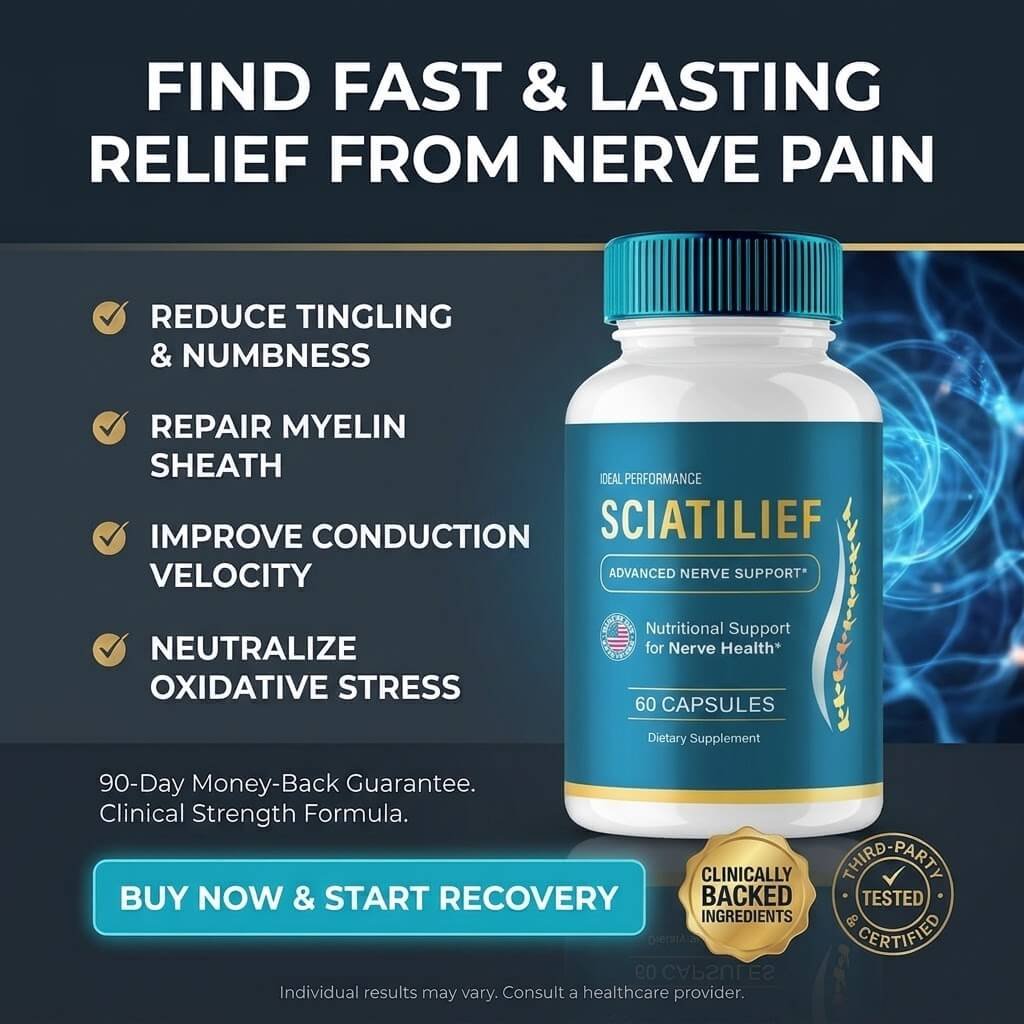
The supplement industry is not strictly regulated, meaning product quality can vary wildly. When shopping for the best vitamins for nerve pain, use this buyer’s checklist:
- Third-Party Testing: Look for seals from USP, NSF, or ConsumerLab, which verify that the product contains what the label claims and is free of heavy metals.
- Bioavailable Forms: Choose methylcobalamin over cyanocobalamin for B12, and benfotiamine over standard thiamine for B1.
- Transparent Labeling: Avoid “proprietary blends” that hide the exact dosages of individual ingredients. You need to know you are getting a clinically effective dose.
- Minimal Additives: Choose products free from unnecessary artificial colors, flavors, and common allergens like gluten or soy, unless otherwise specified.
Coach’s Tip: When starting a new supplement regimen for nerve pain, introduce one new vitamin at a time. Wait 7 to 10 days before adding another. This helps you track exactly which supplement is reducing your tingling or burning sensations, making it easier to discuss results with your doctor.
Common Mistake: Assuming more is always better. High doses of Vitamin B6 (consistently over 100 mg per day) can actually cause or worsen nerve damage, a condition known as sensory neuropathy. Stick to the recommended dietary allowances unless a doctor prescribes a specific therapeutic protocol.
Supporting Nerve Health with Movement
Supplements work best when paired with appropriate physical activity. As a coach, I see many clients with nerve pain become sedentary, which actually worsens nerve compression and reduces blood flow to the extremities. Gentle, targeted movement can help “glide” the nerves through their surrounding tissues, preventing adhesions and improving circulation.
Below is a sample, nerve-friendly mobility routine. Perform this routine 3 to 4 times per week. Always use a supportive, non-slip yoga mat that is at least 68 inches (172 cm) long and 24 inches (61 cm) wide to ensure stability.
Sample Nerve-Support Mobility Routine
| Exercise | Sets | Reps | Rest | Tempo | Focus / Form Cue |
| Seated Sciatic Nerve Glide | 2 | 10 per leg | 30 sec | 2-1-2 | Keep movements slow and pain-free. Do not force the stretch. |
| Ankle Alphabet | 2 | 1 full alphabet per foot | 30 sec | Controlled | Imagine drawing large, clear letters to mobilize the ankle joint. |
| Supported Wall Calf Raise | 2 | 12–15 | 45 sec | 2-1-2 | Rise slowly, pause at the top, lower with control. |
| Light Brisk Walking | 1 | 1 mile (1.6 km) | N/A | Moderate | Maintain an upright posture; swing arms naturally to promote circulation. |
1. Seated Sciatic Nerve Glide
- How to do it: Sit on a chair with your back straight. Extend one leg out in front of you, heel on the floor. Slowly straighten your knee while simultaneously tilting your head back to look at the ceiling. Then, bend your knee while tucking your chin to your chest.
- Form Cue: This should feel like a gentle flossing motion, not a deep stretch. If you feel sharp pain, reduce the range of motion.
- Regression: Keep the head neutral and only move the leg.
- Progression: Add a light resistance band around the foot, gently pulling back as the leg straightens.
2. Ankle Alphabet
- How to do it: Sit or lie down with one leg elevated slightly. Use your big toe to “draw” the letters of the alphabet in the air.
- Form Cue: Move from the ankle joint, not the hip. This promotes synovial fluid production and gentle nerve mobilization in the lower leg.
- Regression: Draw only the first 10 letters if fatigue sets in.
- Progression: Perform the exercise while standing on one leg (holding a wall for balance) to add a proprioceptive challenge.
3. Supported Wall Calf Raise
- How to do it: Stand facing a wall, placing your hands on it for support. Rise up onto the balls of your feet, hold for one second, and lower slowly.
- Form Cue: Keep your core braced. This exercise acts as a “second heart,” using the calf muscle pump to push blood and nutrients back up from the lower extremities, aiding nerve recovery.
- Regression: Perform seated calf raises with bodyweight only.
- Progression: Hold a light dumbbell (e.g., 10 lb / 4.5 kg) in one hand while balancing with the other.
Safety Notes and Who Should Be Careful
Nerve pain can be a symptom of underlying medical conditions such as diabetes, autoimmune disorders, or spinal disc herniation. It is absolutely critical to get a proper diagnosis from a physician before self-treating with supplements.
Furthermore, certain supplements can interact with prescription medications. For example, Alpha-Lipoic Acid may lower blood sugar levels, requiring adjustments to diabetes medications. High doses of Vitamin E or Omega-3s can thin the blood, which is a concern for individuals on anticoagulants. Always bring your supplement list to your doctor or pharmacist for a comprehensive review.
If you are also managing your weight alongside nerve pain, choosing supplements that may support weight management safely is important to avoid compounding metabolic stress or medication interactions. Proper nutrition goes beyond pain relief; it ensures the nutrients support normal energy metabolism required for daily physical therapy exercises and maintaining an active lifestyle.
Frequently Asked Questions (FAQ)
What is the best vitamin for nerve pain?
The best vitamins for nerve pain are Vitamin B12 (methylcobalamin), Vitamin B1 (benfotiamine), and Alpha-Lipoic Acid. These have the strongest clinical evidence for supporting myelin sheath repair, reducing oxidative stress, and improving nerve conduction velocity in cases of peripheral neuropathy.
Can Vitamin B12 reverse nerve damage?
Vitamin B12 cannot fully reverse severe, long-term structural nerve damage, but it can halt further degeneration and significantly improve symptoms if the neuropathy is caused by a B12 deficiency. Early intervention is key to maximizing nerve regeneration potential.
How much Alpha-Lipoic Acid should I take for neuropathy?
Clinical studies typically use a dosage of 600 mg to 1,200 mg of Alpha-Lipoic Acid per day for diabetic neuropathy. It is best taken on an empty stomach, 30 minutes before a meal, to maximize absorption and effectiveness.
Does magnesium help with nerve pain?
Yes, magnesium helps regulate neurotransmitters and block pain-signaling receptors in the nervous system. It also relaxes muscles, which can reduce the cramping and spasms that often accompany nerve pain. Magnesium glycinate is the most recommended form for this purpose.
Can supplements cure peripheral neuropathy?
No, supplements cannot “cure” peripheral neuropathy, especially if it is caused by irreversible structural damage or advanced diabetes. However, they are a highly effective complementary therapy that can manage symptoms, slow progression, and improve quality of life when combined with medical treatment.
Is Vitamin B6 good for nerve pain?
Vitamin B6 is essential for nerve health in small, recommended amounts (1.3–1.7 mg daily). However, it is dangerous in high doses. Consistently taking more than 100 mg of B6 per day can actually cause toxic nerve damage and worsen neuropathy symptoms.
Conclusion
Managing nerve pain requires a multifaceted approach, and nutrition plays a foundational role. By incorporating the best vitamins for nerve pain—such as methylcobalamin, benfotiamine, Alpha-Lipoic Acid, and magnesium—you can provide your nervous system with the raw materials it needs to repair and protect itself. Remember that consistency is key; nerve regeneration is a slow process that often takes weeks or months of dedicated supplementation and gentle, consistent movement to show significant improvement.
Always prioritize high-quality, third-party-tested supplements and work closely with your healthcare provider to tailor a plan that addresses your specific root causes. Pair your nutritional strategy with safe, nerve-gliding exercises to maximize blood flow and maintain your mobility.