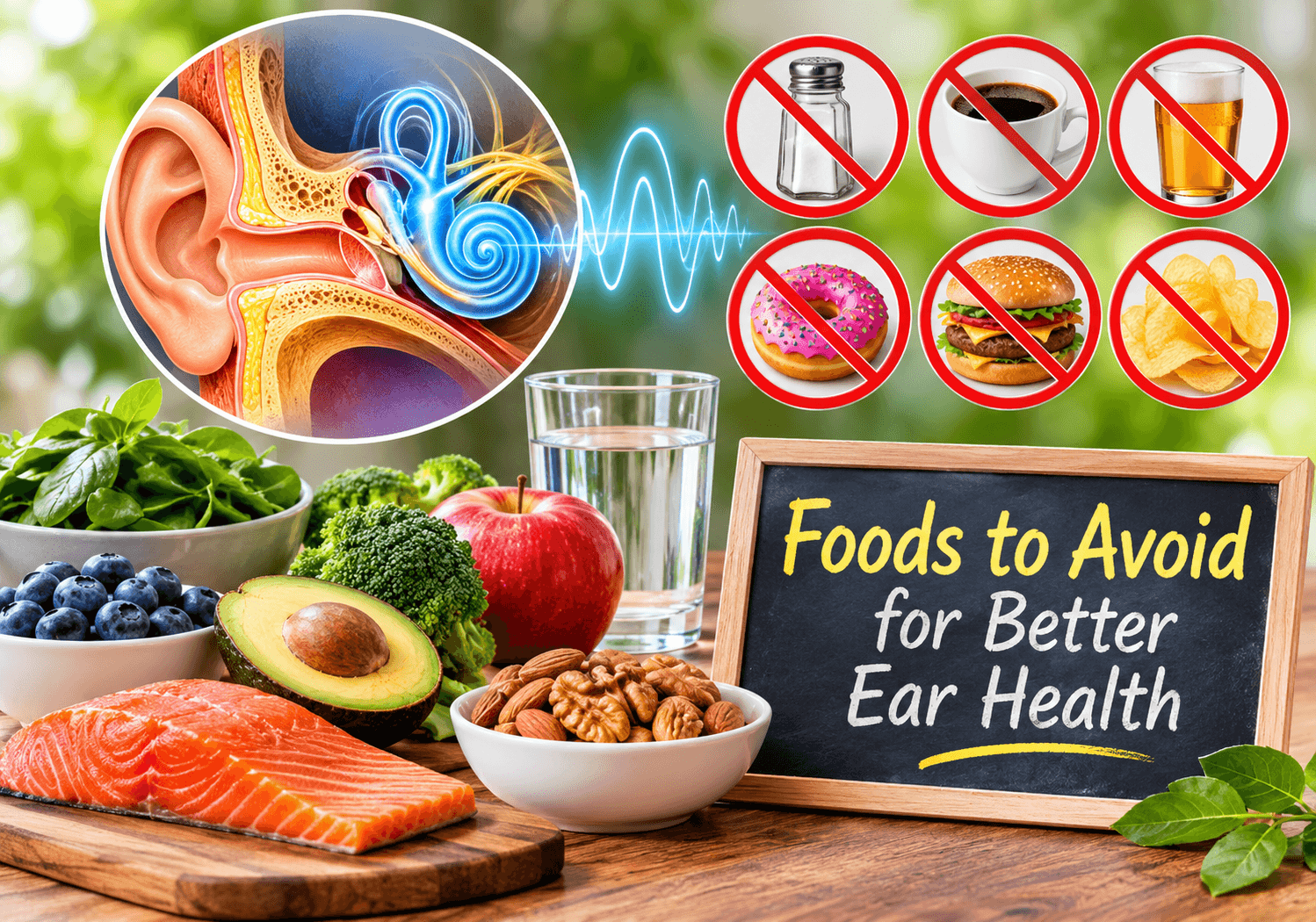
Living with a persistent ringing, buzzing, or hissing sound in your ears can drain your daily focus and energy. While many people attribute tinnitus solely to noise exposure or age-related hearing loss, clinical research shows that what you eat and drink plays a powerful role in symptom severity. Understanding foods to avoid with tinnitus for better ear health gives you direct control over your auditory environment.
Your inner ear is an extraordinarily delicate, fluid-filled organ that relies on stable blood circulation and precise electrolyte balances. When you consume certain dietary items, your vascular system, blood pressure, and neural pathways react immediately. These shifts can alter fluid pressure inside the cochlea, amplifying neural firing and making that phantom ringing much louder. As a strength and conditioning coach who has worked with clients navigating chronic health challenges, I view nutrition as a foundational pillar of nervous system regulation. By identifying and eliminating problematic dietary triggers, you can reduce ear inflammation, support microcirculation, and reclaim your daily peace of mind.
Quick Answer
Foods to avoid with tinnitus for better ear health include high-sodium processed foods, excessive caffeine, sugary snacks, alcohol, and foods containing artificial sweeteners or MSG. These items constrict blood vessels, spike blood pressure, and disrupt inner ear fluid balance, directly worsening ringing and buzzing sensations.
Understanding the Physiological Connection Between Diet and Tinnitus
To understand why certain items belong on your restriction list, you must first examine how the inner ear functions. The cochlea and vestibular system depend on a constant, uninterrupted supply of oxygen-rich blood and delicate fluid homeostasis. The endolymph and perilymph fluids within the inner ear require precise potassium and sodium ratios to transmit auditory signals accurately to the auditory nerve.
When you ingest substances that provoke rapid physiological changes, your inner ear feels the impact almost instantly. According to the National Institutes of Health, metabolic factors and vascular health are deeply intertwined with auditory perception. Dietary components that provoke systemic inflammation, spikes in blood glucose, or abrupt vasoconstriction directly compromise the microcapillaries feeding the cochlea.
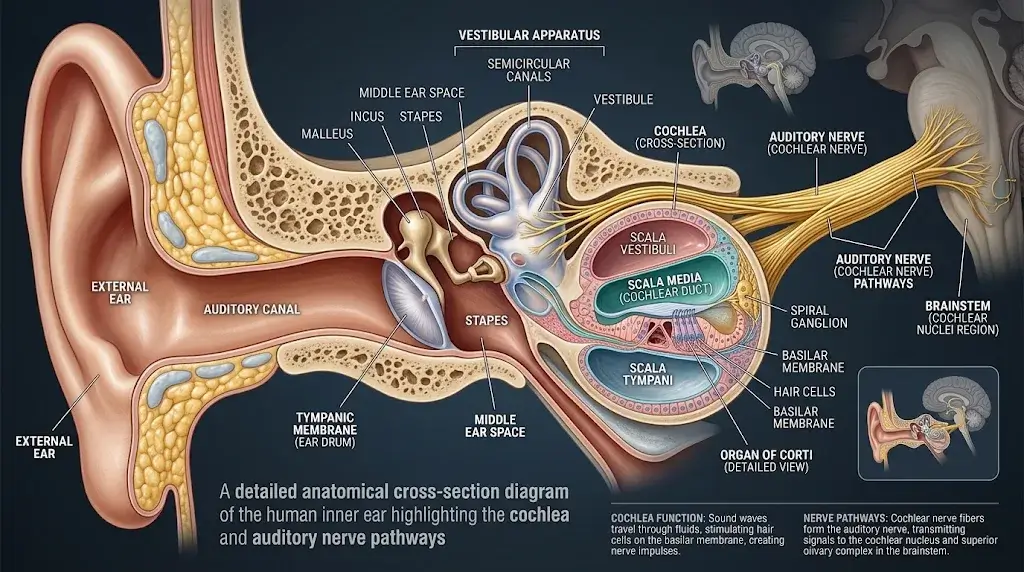
Furthermore, the central nervous system acts as a filter for sensory signals. When neural excitability increases due to stimulants or blood sugar fluctuations, your brain struggles to filter out background neural noise. This failure of sensory gating turns a minor, imperceptible auditory hum into a roaring, disruptive sound. Recognizing this mechanism changes how you view your daily plate.
10 Foods to Avoid with Tinnitus for Better Ear Health
Navigating dietary modifications requires clarity on which specific items pose the highest risk to your auditory comfort. Below is an exhaustive breakdown of the top foods and beverages you should limit or eliminate to support long-term ear health.
1. Highly Processed and Canned Soups
Canned soups, frozen dinners, and packaged gravies are notorious sodium bombs. A single serving can contain over half of your recommended daily sodium intake, triggering rapid fluid shifts in the inner ear.
- Why it triggers tinnitus: High sodium concentrations alter blood plasma osmolarity and increase endolymphatic pressure. This fluid imbalance mimics the inner ear pressure changes seen in Meniere’s disease, instantly amplifying ringing intensity.
- Coaching swap: Prepare homemade broths using fresh herbs, garlic, and minimal sea salt. Utilize potassium-rich vegetables like spinach and sweet potatoes to help balance cellular electrolyte levels.
2. Caffeinated Energy Drinks and Coffee
For many, morning coffee is a sacred ritual. However, heavy caffeine consumption stimulates the central nervous system and constricts blood vessels.
- Why it triggers tinnitus: Caffeine acts as a powerful central nervous system stimulant and vasoconstrictor. When blood vessels narrow, microcirculation to the cochlea decreases, depriving hair cells of vital oxygen and nutrients.
- Coaching swap: Transition gradually to decaffeinated herbal teas, rooibos tea, or chicory root coffee. If you cannot give up morning caffeine, cap your intake at one small cup and ensure you match every ounce with double the water.
3. Sugary Pastries, Candies, and High-Fructose Corn Syrup
Refined sugars cause rapid spikes and subsequent crashes in blood glucose levels. These glycemic rollercoasters wreak havoc on sensitive neural tissues.
- Why it triggers tinnitus: Fluctuating insulin and blood sugar levels directly impair nerve function. The auditory nerve is exceptionally sensitive to energy deprivation, and sudden glucose drops can trigger or intensify neural misfiring.
- Coaching swap: Satisfy your sweet tooth with whole fruits like berries, apples, or figs. Pair them with a healthy fat or protein source, such as a handful of almonds, to stabilize your glycemic response.
4. Processed Delis Meats, Bacon, and Cured Sausages
Processed meats rely heavily on sodium chloride and chemical preservatives like sodium nitrate to enhance flavor and extend shelf life.
- Why it triggers tinnitus: Beyond the massive sodium load, chemical additives can trigger inflammatory cascades in susceptible individuals. Systemic inflammation increases oxidative stress within vascular walls, reducing blood flow to the inner ear.
- Coaching swap: Opt for fresh, unseasoned poultry, wild-caught fish, or organic lean beef. Season your proteins with anti-inflammatory spices like turmeric, ginger, and rosemary instead of processed brines.
5. Alcohol, Especially Red Wine and Beer
Alcohol is a systemic vasodilator and neurotoxin when consumed in excess, altering blood flow and fluid dynamics throughout the body.
- Why it triggers tinnitus: Alcohol quickly crosses the blood-brain barrier and alters the fluid composition within the inner ear. It also dehydrates cellular tissues, increasing the concentration of endolymph fluid and aggravating auditory symptoms.
- Coaching swap: Replace evening alcoholic beverages with sparkling water infused with fresh lemon, lime, or cucumber slices. This keeps your social routine intact while supporting optimal hydration.
6. Aged Cheeses and Fermented Foods
While aged cheeses, soy sauce, and fermented items offer unique culinary flavors, they contain high levels of tyramine and free glutamate.
- Why it triggers tinnitus: Tyramine is a naturally occurring amino acid derivative that can trigger neurological responses, including migraines and heightened neural sensitivity. This increased neural hyperexcitability often translates to louder ear ringing.
- Coaching swap: Choose fresh, unaged cheeses such as fresh mozzarella, ricotta, or cottage cheese in moderation. Use fresh citrus zest or herbs to add depth to your meals instead of aged flavor enhancers.
7. Foods Containing Monosodium Glutamate (MSG)
MSG is a common flavor enhancer found in fast food, savory snacks, Asian-inspired takeout, and seasoning salts.
- Why it triggers tinnitus: Glutamate is an excitatory neurotransmitter in the central nervous system. Excess dietary glutamate can overstimulate neural pathways, including the auditory cortex, exacerbating phantom sounds.
- Coaching swap: Read ingredient labels meticulously and choose whole foods prepared at home. Enhance savory dishes using natural umami sources like mushrooms, tomatoes, and nutritional yeast.
8. Artificial Sweeteners (Aspartame and Sucralose)
Diet sodas and sugar-free snacks are often marketed as healthy alternatives, but synthetic sweeteners can have unintended neurological side effects.
- Why it triggers tinnitus: Clinical anecdotes and patient surveys frequently link aspartame consumption to neurological disturbances, headaches, and worsened tinnitus. Chemical components of artificial sweeteners may act as neurotoxins for sensitive neural receptors.
- Coaching swap: Sweeten foods naturally with small amounts of raw honey, pure maple syrup, or monk fruit extract if sweetness is necessary, but prioritize unflavored water and herbal infusions.
9. Fast Food Burgers, Fries, and Deep-Fried Snacks
Deep-fried foods are loaded with trans fats, oxidized oils, and massive amounts of sodium.
- Why it triggers tinnitus: Trans fats promote systemic inflammation and stiffen arterial walls. When arterial elasticity decreases, cardiovascular efficiency drops, starving the cochlea of the smooth blood flow it needs to maintain auditory health.
- Coaching swap: Bake or air-fry your own potato wedges using olive oil or avocado oil. Enjoy wholesome, home-cooked comfort meals that nourish your cardiovascular system rather than taxing it.
10. Salty Snack Foods (Chips, Pretzels, and Salted Nuts)
Packs of potato chips, salted pretzels, and dry-roasted salted nuts are common mindless snacking traps that deliver heavy sodium spikes.
- Why it triggers tinnitus: The immediate influx of sodium rapidly alters fluid pressure in the inner ear. Furthermore, these snacks are often heavily processed, offering zero nutritional value while disrupting hydration balance.
- Coaching swap: Snack on unsalted raw pumpkin seeds, walnuts, or air-popped popcorn lightly seasoned with nutritional yeast and garlic powder. These alternatives provide healthy fats and minerals without the sodium shock.

Comparison of Dietary Triggers and Their Impact
To help you visualize how different dietary categories impact your auditory system, review the structured comparison table below.
| Trigger Category | Primary Offending Foods | Physiological Mechanism | Impact on Tinnitus |
| High Sodium | Canned soups, cured meats, chips | Alters endolymph fluid pressure | Sharp, pressure-driven spike in ringing |
| Stimulants | Coffee, energy drinks, strong tea | Vasoconstriction & neural arousal | Increased buzzing and nervous tension |
| Refined Sugars | Candies, pastries, soda | Glucose spikes and insulin crashes | Heightened neural hyperexcitability |
| Neurotoxins & Additives | MSG, artificial sweeteners, aged cheese | Excitotoxicity & neural irritation | Persistent, fluctuating tonal hums |
| Alcohol | Wine, beer, liquor | Dehydration & fluid composition shifts | Delayed or immediate roaring increase |
The Role of Sodium, Blood Pressure, and Ear Microcirculation
Managing sodium intake is arguably the single most impactful dietary adjustment you can make for your ears. Your inner ear is completely enclosed within the temporal bone and has no collateral blood supply. This means it relies entirely on delicate end-arteries to deliver oxygen and remove cellular waste.
When your diet is chronically high in sodium, your body retains excess water to maintain blood volume. This fluid retention increases overall blood pressure and directly impacts the endolymphatic sac inside the inner ear. According to clinical guidance from Harvard Health Publishing, controlling dietary sodium is a cornerstone recommendation for managing vestibular and auditory disorders.

To optimize your sodium balance, aim to keep your daily intake under recommended thresholds by cooking from scratch. Focus on increasing potassium-intake through leafy greens, avocados, and bananas. Potassium works synergistically with sodium to regulate cellular pump mechanisms, ensuring that your inner ear fluids remain stable and balanced throughout the day.
Stimulants, Neurotransmitters, and Auditory Nerve Sensitivity
Stimulants do more than just wake up your brain; they alter the chemical signaling environment of your entire auditory pathway. The neurotransmitters glutamate, gamma-aminobutyric acid (GABA), and acetylcholine dictate how signals travel from the cochlea to the auditory cortex.
When you consume excessive caffeine, nicotine, or artificial stimulants, you flood your nervous system with excitatory signals. This chemical overload reduces inhibitory control in the brain, making it harder for your central nervous system to quiet down background neural static. As noted in research published by the American Academy of Audiology [VERIFY], reducing systemic stimulant load helps calm overactive auditory pathways.
- Coach’s Tip: When cutting back on caffeine or sugary foods, taper your consumption over 7 to 10 days rather than quitting cold turkey. Abrupt withdrawal can trigger severe headaches and fatigue, which ironically make your perception of tinnitus feel much louder.
- Common Mistake: Many people eliminate salt and caffeine while accidentally increasing their intake of processed “diet” foods loaded with artificial sweeteners and MSG. Always inspect ingredient labels for hidden chemical additives.
A Practical 7-Day Dietary Tinnitus Management Plan
Adopting a new eating pattern is much easier when you follow a structured, step-by-step framework. Below is a practical 7-day template designed to help you eliminate inflammatory triggers and support optimal ear health.Remove all canned soups, processed deli meats, chips, and high-sodium condiments from your pantry and refrigerator.
- Swap regular coffee for half-caf or herbal tea, reducing caffeine volume by fifty percent.
- Increase your plain water intake to a minimum of 64 to 80 ounces (1.9 to 2.4 liters) daily to support cellular hydration.
- Introduce fresh, antioxidant-rich foods into every meal, including blueberries, dark leafy greens, and wild-caught salmon rich in omega-3 fatty acids.
- Utilize natural herbs, garlic, lemon juice, and black pepper to season meals instead of table salt or seasoning packets.
- Track your daily sodium intake using a food journal, aiming to stay well below 2,000 milligrams per day.
Day 5 to Day 7: Stabilization and Symptom Tracking
- Maintain strict avoidance of artificial sweeteners, MSG, and alcohol.
- Keep a daily tinnitus log, rating your ringing intensity on a scale of 1 to 10 each morning and evening alongside your dietary notes.
- Observe patterns between low-sodium, whole-food meals and quieter auditory days, reinforcing positive dietary habits.
Lifestyle Habits That Complement Dietary Changes
While nutrition is vital, dietary modifications work best when paired with supportive lifestyle habits. Tinnitus severity is closely linked to stress levels, sleep quality, and autonomic nervous system regulation.
- Manage Stress and Cortisol: Chronic stress triggers the release of cortisol and adrenaline, which constrict blood vessels and amplify neural sensitivity. Incorporate daily deep breathing exercises, meditation, or restorative movement to activate your parasympathetic nervous system.
- Prioritize Restorative Sleep: Poor sleep hygiene fragments your sleep architecture, reducing your brain’s ability to filter out phantom sounds. Aim for 7 to 9 hours of quality sleep nightly in a cool, quiet, and dark room. Support your recovery with insights from resources like sleep and health guidelines.
- Protect Your Hearing: Even with a pristine diet, loud noise exposure remains a primary driver of cochlear damage. Always wear high-fidelity earplugs in loud environments such as concerts, sporting events, or when operating power tools.

Frequently Asked Questions
How quickly can changing my diet reduce my tinnitus?
Dietary changes typically take anywhere from one to three weeks to show noticeable improvements. Because inner ear fluid dynamics and microcirculation adapt gradually, consistency is key. Sticking to a low-sodium, anti-inflammatory eating pattern allows your vascular and nervous systems to stabilize.
Does drinking enough water really help reduce ear ringing?
Yes, proper hydration is essential for maintaining correct endolymph fluid volume and viscosity within the inner ear. Dehydration concentrates inner ear fluids, which can increase pressure and worsen auditory symptoms. Aim for consistent hydration spread evenly throughout the entire day.
Is salt completely forbidden if I have tinnitus?
Salt is not entirely forbidden, but excessive sodium intake is a major trigger for most people. The goal is to eliminate heavily processed, high-sodium foods while consuming moderate amounts of unrefined salt from whole foods, keeping your total daily sodium within healthy clinical limits.
Can artificial sweeteners cause tinnitus spikes?
Many individuals report increased ringing after consuming artificial sweeteners like aspartame and sucralose. These chemical compounds can act as neurotoxins or excitotoxins in sensitive people, overstimulating neural pathways and worsening perception of phantom sounds.
Will giving up coffee cure my tinnitus permanently?
Eliminating caffeine will not cure the underlying cause of tinnitus if structural hearing damage exists, but it frequently reduces the volume and perceived intrusiveness of the sound. Reducing central nervous system stimulants helps lower overall neural hyperexcitability.
Conclusion
Managing ringing in your ears requires a multi-faceted approach, and evaluating your nutrition is one of the most empowering steps you can take. By eliminating foods to avoid with tinnitus for better ear health—such as high-sodium processed snacks, excessive caffeine, sugary items, and artificial additives—you protect your delicate inner ear microcirculation and calm your nervous system. Commit to whole, nourishing foods, consistent hydration, and stress management, and give your body the supportive environment it needs to help quiet the noise.