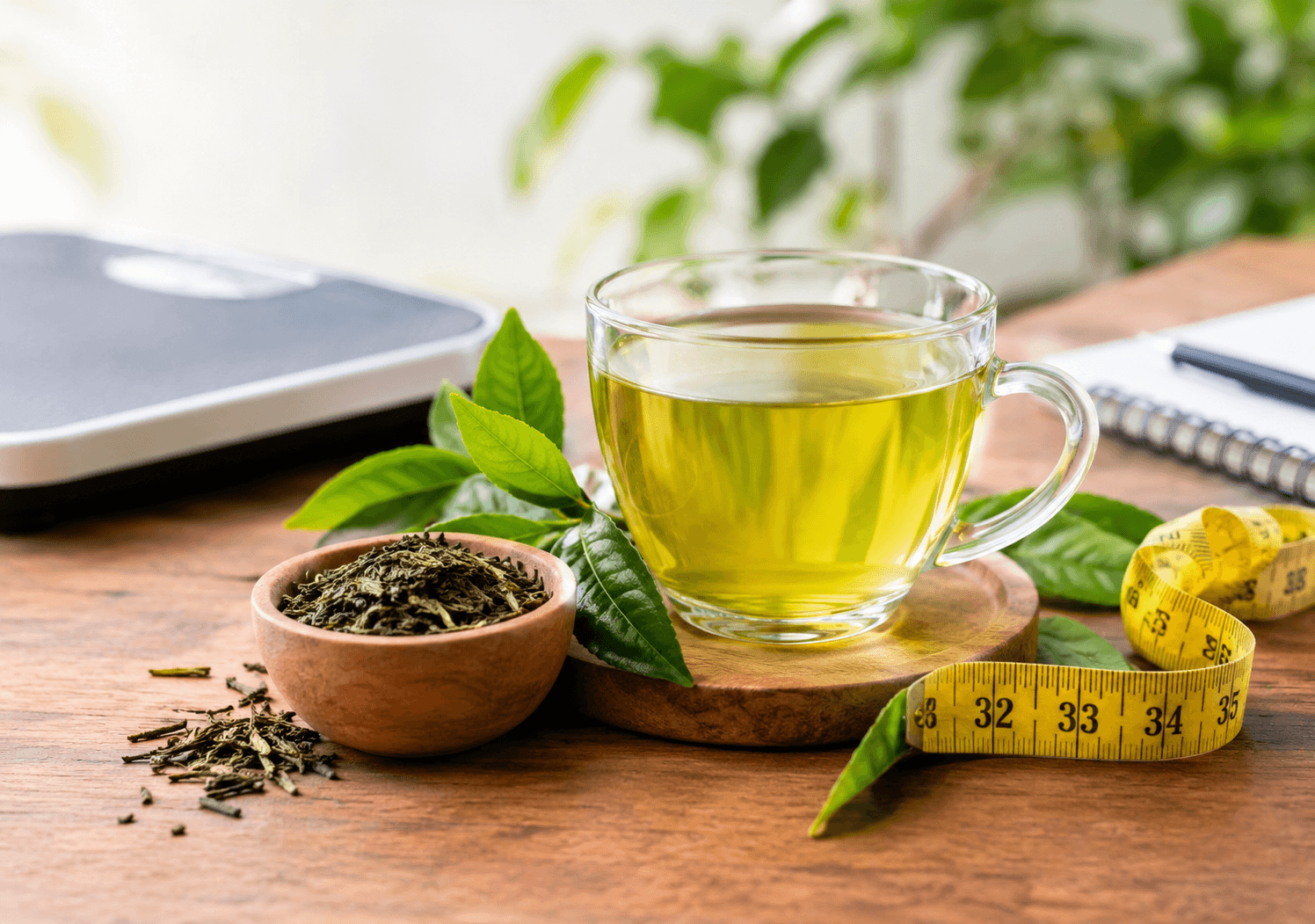
Does green tea extract burn fat? It is one of the most common questions people ask when they look for a natural way to lose weight. The honest answer is that green tea extract for weight loss may help slightly, but the effect is modest, and the supplement carries real safety considerations, especially at high doses. Studies generally show small average reductions in body weight and body fat, and results vary widely from person to person.
Green tea extract is a concentrated form of the compounds found in green tea leaves, including catechins and caffeine. It is sold in capsules, powders, and liquids, often with bold promises of fast fat loss. Those promises are not supported by the evidence. This guide explains what green tea extract is, how it may work, what research shows, what side effects to watch for, who should avoid it, how much is considered safe, and how to choose a quality product. It is educational, not medical advice.
What Is Green Tea Extract?
Before deciding whether a supplement is worth trying, it helps to understand exactly what you would be taking and how it differs from the tea in your cup.
Green tea extract vs. green tea vs. matcha
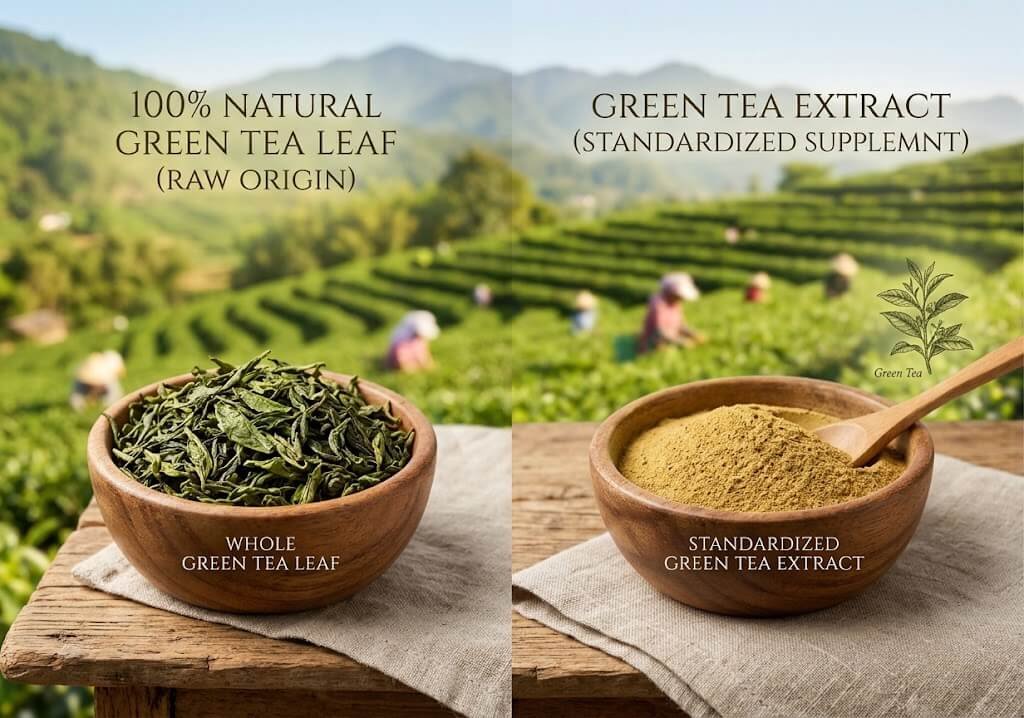
Green tea is made by steeping the leaves of the Camellia sinensis plant in hot water. The drink contains a modest amount of catechins and caffeine, diluted in a cup of liquid. Matcha is a powdered form of whole green tea leaves that you whisk into water, so you consume the leaf itself rather than just an infusion. Green tea extract, by contrast, is made by pulling out the active compounds from the leaves and concentrating them, typically into a capsule or powder. A single supplement can contain as many catechins as several cups of tea, which is why the benefits and the risks of the extract can be larger than those of the beverage.
Key compounds: EGCG, catechins, and caffeine
The main active group in green tea is catechins, a family of antioxidant plant compounds. The most abundant and most studied catechin is epigallocatechin gallate, usually shortened to EGCG. Researchers believe EGCG is responsible for much of green tea’s observed metabolic activity. Green tea also contains caffeine, a stimulant that can raise alertness and slightly increase energy expenditure. In many extracts, the product is standardized to contain a specific percentage of EGCG or total catechins, which makes the dose more predictable than it is with brewed tea. Other compounds, such as L-theanine, are also present in tea but are often reduced in concentrated extracts.
Common forms: capsules, powder, liquid extract, and decaf green tea extract
Capsules and tablets are the most popular form because they offer a measured dose. Powders can be mixed into smoothies or water but may taste bitter. Liquid extracts and tinctures are another option, though concentrations vary and labeling can be unclear. Many people who are sensitive to caffeine look for decaffeinated green tea extract, which removes most of the caffeine while keeping catechins. Decaf products can reduce jitters and sleep problems, but they do not remove the other safety concerns, such as the rare risk of liver injury at high doses. Whatever form you choose, always check the label for the amount of EGCG per serving.
How Does Green Tea Extract Help With Weight Loss?
The proposed mechanisms are plausible, but most are based on small studies, lab research, or short-term trials. Understanding them helps set realistic expectations.
Boosts metabolism and thermogenesis
Thermogenesis is the process by which the body produces heat and burns calories. Some research suggests that green tea catechins combined with caffeine may slightly increase energy expenditure over a day. The effect is small, often equal to just a few dozen extra calories burned. That is not nothing, but it is far from the dramatic boost suggested by marketing. It is not a substitute for calorie control, and it varies between individuals.
Increases fat oxidation and fat burning
Studies have also looked at fat oxidation, which is how the body uses fat as fuel. EGCG may influence enzymes involved in fat breakdown and may help the body burn a bit more fat during exercise or rest. Some trials report that people taking green tea extract oxidized slightly more fat than those on placebo. Yet increased fat oxidation does not automatically mean greater fat loss on the scale, because the body can compensate by burning less of other fuels or by eating more.
Appetite and cravings: does it work?
The evidence that green tea extract reduces appetite is weak and inconsistent. Some people report feeling slightly less hungry, possibly because of caffeine, while other trials show no meaningful difference in hunger or calorie intake. Do not rely on a supplement to control cravings. Strategies like eating enough protein, fiber, and regular meals are more dependable for managing appetite.
The caffeine and EGCG synergy
Researchers think caffeine and EGCG may work together, with caffeine prolonging certain metabolic signals that EGCG also affects. This synergy may explain why some studies of caffeinated extracts show larger effects than those of decaffeinated ones. It also means people with high daily caffeine intake may see less benefit, since regular caffeine users can develop tolerance. This interaction between compounds is one reason studies disagree.
Benefits of Green Tea Extract (Backed by Research)
Green tea extract has been studied for many outcomes. Some findings are encouraging, while others are limited or inconclusive.
Modest weight and body fat reduction
Several meta-analyses, which combine results from many trials, have found that green tea catechins, often with caffeine, produce a small average reduction in body weight and body fat compared with placebo. The difference is typically around one to two kilograms over several weeks to months, and some analyses found it was not clinically meaningful. Results depend on the study population, the dose, and whether participants also changed their diet. The takeaway is honest and simple: green tea extract may give a slight edge, not a transformation.
Belly fat and waist circumference
Some trials have reported small decreases in waist circumference and visceral fat in people taking green tea extract. The findings are not consistent, and no supplement can selectively burn belly fat. Reducing abdominal fat generally requires overall fat loss through diet, activity, and sleep. If you see claims that green tea extract melts belly fat, treat them with skepticism.
Blood sugar and insulin sensitivity
Research suggests green tea catechins may modestly improve fasting blood sugar and insulin sensitivity in some people. These effects are small and vary between studies. People with diabetes should not use green tea extract to replace medication and should talk to their clinician before adding it, since it could interact with treatment.
Cholesterol and heart health
Some studies show that green tea extract can lower total and LDL cholesterol slightly. Drinking green tea has also been associated with better cardiovascular markers in population studies, although association does not prove cause. These potential benefits are another reason that regular tea may be a gentler choice than concentrated supplements.
Antioxidant and anti-inflammatory effects
EGCG and other catechins are strong antioxidants in the lab, and they may reduce markers of inflammation. Whether this translates into meaningful health outcomes in humans is still being studied. Antioxidant claims should not be treated as proof that a supplement prevents disease.
Brain focus and energy
The caffeine in green tea extract can boost alertness and focus in the short term, and the amino acid L-theanine in tea may promote calm focus. Concentrated extracts may contain less theanine, and high caffeine can cause jitters. If energy is your goal, a cup of tea may suit you better.
Does Green Tea Extract Really Work? An Honest Look at the Evidence
Overall, the evidence suggests green tea extract can produce a small effect on weight and fat for some people, but it is far from a proven solution. Many trials are short, small, or funded by supplement interests, and the results often disagree. Larger, higher-quality analyses tend to show smaller effects than early studies.
Several factors help explain why results vary. Dose and standardization matter, because products differ widely in EGCG content. Genetics may affect how people metabolize catechins. Habitual caffeine intake can blunt the effect of added caffeine. Diet and exercise also play a big role: in studies where participants lose weight through lifestyle changes, the added effect of the extract is small. Finally, some people simply respond more than others.
Here is a quick comparison of the three common ways to consume green tea compounds.
| Feature | Green tea extract | Drinking green tea | Matcha |
|---|---|---|---|
| Catechin and EGCG concentration | High, often standardized | Low to moderate per cup | Moderate to high per serving |
| Caffeine | Varies; decaf available | Roughly 25 to 50 mg per cup | Often higher than brewed tea |
| Cost | Moderate | Low | Moderate to high |
| Safety | Higher risk at high doses, including rare liver injury | Generally very safe in normal amounts | Generally safe in moderate amounts |
| Best for | People advised to supplement by a clinician | Daily habit with gentle effects | Those who enjoy the taste and whole-leaf form |
If you want to try green tea compounds, drinking tea or matcha is the lower-risk starting point, and it may deliver similar small benefits without the concentrated dose.
Green Tea Extract Side Effects and Risks
Most people tolerate green tea in beverage form well. Concentrated extracts are a different story, and safety deserves careful attention.
Liver damage (rare but serious)
The most serious concern is liver injury. Cases of liver damage, including severe cases, have been reported with high-dose green tea extract supplements, particularly when taken on an empty stomach. These events are rare, but they are the reason regulators in some regions have issued warnings. Symptoms of liver trouble include dark urine, yellowing of the skin or eyes, severe fatigue, abdominal pain, and nausea. Stop taking the supplement and seek medical care if you notice them.
Caffeine-related effects: jitters, insomnia, anxiety, rapid heartbeat
Caffeinated extracts can cause restlessness, trouble sleeping, anxiety, and a racing heart, especially when combined with coffee, energy drinks, or other stimulants. If you are sensitive to caffeine, choose a decaffeinated product or skip the supplement.
Stomach upset, nausea, and constipation
Catechins can irritate the stomach, particularly when taken without food. Some people experience nausea, stomach pain, or constipation. Taking the supplement with a meal often helps.
Iron absorption and anemia risk
Tea compounds can reduce the absorption of non-heme iron from plant foods and supplements. People with low iron, or at risk of anemia, should be cautious and may want to take extracts away from iron-rich meals.
Headaches and dizziness
Headaches and dizziness have been reported, often related to caffeine or to dosage. If these occur, reduce or stop the supplement and consult a healthcare professional.
Who Should Avoid Green Tea Extract?
Green tea extract is not appropriate for everyone. The following groups should generally avoid it or talk with a healthcare professional first.
- Pregnant and breastfeeding women. Caffeine and high doses of catechins are not recommended, and safety data are limited.
- People with liver disease. Because of the risk of liver injury, extracts are best avoided.
- People with heart conditions, anxiety, or high blood pressure. Caffeine can worsen these conditions.
- Children and teens. Supplements are generally not advised without medical guidance.
- People taking certain medications. Green tea extract may interact with blood thinners, beta-blockers such as nadolol, some statins, stimulants, and chemotherapy drugs. Always check with a doctor or pharmacist before combining supplements with prescription medicines.
If you have any chronic condition or take regular medication, ask a professional before starting.
Green Tea Extract Dosage: How Much Is Safe?
Dosage is where safety and effectiveness meet, and more is not better.
Typical dose ranges in studies
Studies of green tea extract have used a wide range of doses, often providing a few hundred milligrams of EGCG per day, along with varying amounts of caffeine. Product labels differ, so check the EGCG content per serving rather than just the total extract amount.
Safe upper limit
The European Food Safety Authority has suggested that supplemental EGCG intake of about 800 mg per day is a cautionary ceiling, above which liver risk becomes a greater concern. Consider this a limit, not a target. Many people choose to stay well below it, and some should avoid extracts entirely. Do not combine multiple green tea products that together push you past safe levels.
Best time to take it, and why with food is safer
Taking green tea extract with food may reduce stomach upset and may lower the risk of the high blood levels that have been linked to liver problems on an empty stomach. Avoid taking it late in the day if it contains caffeine, since it may disrupt sleep.
How long to use it
There is no established ideal duration. Many studies lasted from a few weeks to a few months. Periodic breaks and regular reassessment make sense, and you should stop if you notice side effects. A clinician can help you decide if continued use is reasonable.
How to Choose a Quality Green Tea Extract Supplement
Supplements are not reviewed for effectiveness before they are sold, so quality varies. A careful approach can reduce risk.
Look for products with standardized EGCG content, clearly listed on the label. Prefer supplements that have been tested by independent organizations such as USP, NSF, or ConsumerLab, which verify that the product contains what it claims and is free from certain contaminants. Third-party testing does not prove effectiveness, but it improves confidence in quality. Consider decaffeinated options if you are sensitive to caffeine.
Avoid proprietary fat-burner blends that hide the amounts of each ingredient. These products often include stimulants and other compounds that can raise the risk of side effects. Check labels for testing of heavy metals and other contaminants, and be wary of exaggerated claims such as guaranteed results. Read ingredient lists for allergens, and confirm that the serving size matches the dose you intend to take. When in doubt, ask a pharmacist.
Green Tea Extract vs. Green Tea vs. Matcha: Which Is Best for Weight Loss?
No option is a magic solution, and the best choice depends on your goals, tolerance, and health. Green tea extract delivers the highest concentration of catechins, which may offer a slightly larger effect but also carries more risk. Drinking green tea is gentle, inexpensive, and a pleasant habit that can replace sugary drinks. Matcha provides the whole leaf, with moderate-to-high catechins and more caffeine than brewed tea.
| Factor | Green tea extract | Green tea | Matcha |
|---|---|---|---|
| Caffeine | Varies; decaf options | Low to moderate | Moderate to high |
| EGCG | High and concentrated | Low to moderate | Moderate to high |
| Cost | Moderate | Low | Moderate to high |
| Safety | Requires caution | Very good | Good in moderation |
For most people trying to support weight loss, starting with tea or matcha is reasonable, and a supplement should be considered only after discussing it with a healthcare professional.
Tips to Maximize Weight Loss Results
If you use green tea extract at all, it should be one small piece of a bigger plan. The foundation of weight loss remains a calorie-appropriate diet that you can sustain, rich in protein, fiber, vegetables, and whole foods. Add strength training to preserve muscle and regular walking to increase daily movement.
Sleep, hydration, and stress also matter. Poor sleep can increase hunger and cravings, and staying hydrated supports energy and appetite awareness. Getting enough protein helps with fullness and muscle maintenance during weight loss.
Set realistic expectations. Green tea extract is a supplement, not a magic pill. Expect small effects, if any, and focus on habits you can maintain. Track progress with measures beyond the scale, such as waist circumference, strength, and energy, and speak with a clinician if you have health conditions or concerns.
Frequently Asked Questions
Does green tea extract burn belly fat? No supplement targets belly fat specifically. Green tea extract may contribute to small overall reductions in body fat, which can include abdominal fat, but results are modest and inconsistent.
How much weight can you lose with green tea extract? Research suggests an average of about one to two kilograms more than placebo over several weeks to months, and some studies find no meaningful difference. Individual results vary.
Is it safe to take green tea extract every day? For some healthy adults at moderate doses with food, it may be tolerated, but daily high-dose use carries risks, including rare liver injury. Stay below about 800 mg of EGCG per day and consult a professional.
Can I take green tea extract on an empty stomach? It is safer to take it with food. Taking concentrated extracts without food has been linked to stomach upset and to higher risk of liver problems.
Is green tea extract better than drinking green tea? It is more concentrated, which may mean a slightly larger effect, but also higher risk. Drinking green tea is generally safer and still offers beneficial compounds.
How long does it take to work? Studies typically ran for several weeks to months, and any effect is small. Do not expect rapid changes, and rely on diet and exercise for primary results.
Can green tea extract cause liver damage? Yes, though rarely. Liver injury has been reported, mostly with high-dose supplements. Stop use and seek care if you notice jaundice, dark urine, or severe abdominal pain.
Is green tea extract safe with other weight loss supplements or GLP-1 medications? Combining it with other stimulants or supplements can raise side effect risk, and it should not be viewed as equivalent to GLP-1 medications. Talk with your prescriber or pharmacist before combining products.
Final Verdict: Is Green Tea Extract Worth It?
Green tea extract for weight loss has some potential upsides: a small average effect on weight and body fat, possible modest benefits for blood sugar and cholesterol, and antioxidant activity. Its downsides are just as important: the effect is small, evidence is mixed, high doses can harm the liver, caffeine can cause side effects, and supplement quality varies.
For many people, drinking green tea or matcha offers a safer way to enjoy the same compounds, alongside a healthy diet, strength training, walking, and good sleep. If you are considering a supplement, choose a tested, standardized product, take it with food, stay below the cautionary limit, and speak with a healthcare professional first.