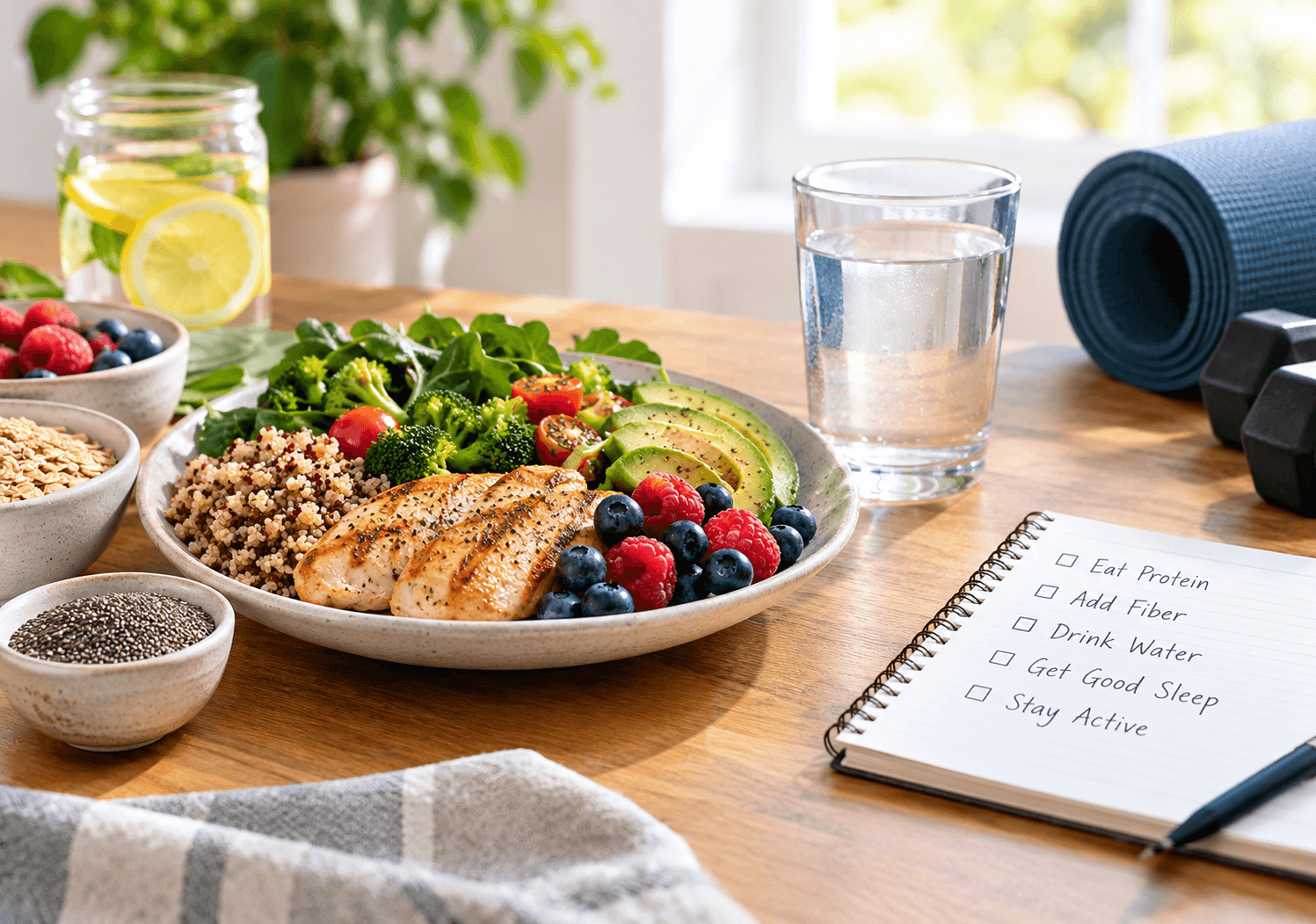
If you are wondering how can you control appetite naturally without stimulants, you are not alone. Many people want to manage their hunger and support their weight management goals without relying on caffeine, synthetic appetite suppressants, or jittery pre-workout formulas. As a strength and conditioning coach, I see clients struggle with cravings daily. The good news is that your body has built-in hormonal systems to regulate fullness. By leveraging specific nutrition, hydration, sleep, and exercise strategies, you can master your hunger cues safely and effectively.
Quick Answer
You can control appetite naturally without stimulants by prioritizing high-protein meals, increasing soluble fiber intake, drinking water before meals, optimizing sleep duration, and engaging in regular resistance training. These evidence-based strategies regulate hunger hormones like ghrelin and leptin, promoting lasting fullness without the crash or jitters associated with caffeine or stimulant-based supplements.
How Can You Control Appetite Naturally Without Stimulants? The Science of Satiety
To manage hunger effectively, you must understand the biological drivers behind it. Appetite is not just a lack of willpower; it is a complex neuroendocrine process. Your brain constantly communicates with your digestive system through hormones to signal when you are hungry and when you are full.
The primary hormone responsible for triggering hunger is ghrelin. Often called the “hunger hormone,” ghrelin levels rise before a meal and fall after eating. Conversely, leptin is known as the “satiety hormone.” It is produced by your fat cells and signals to your brain that you have enough energy stored, thereby reducing appetite.
Additionally, when you eat, your gut releases peptides like Peptide YY (PYY) and Glucagon-like peptide-1 (GLP-1). These hormones slow down gastric emptying (the rate at which food leaves your stomach) and send strong fullness signals to the brain. Stimulant-based appetite suppressants often work by artificially flooding the central nervous system with neurotransmitters like dopamine and norepinephrine, which can lead to increased heart rate, anxiety, and eventual tolerance.
Natural strategies, however, work with your body’s existing physiology. By choosing foods that physically stretch the stomach, slow digestion, and stabilize blood sugar, you naturally elevate PYY and GLP-1 while keeping ghrelin suppressed. Research published in the American Journal of Clinical Nutrition confirms that dietary interventions targeting these hormonal pathways are highly effective for long-term weight management without the adverse side effects of stimulants.
Natural Appetite Control Methods: Evidence Overview
| Method | Primary Mechanism | Evidence Level |
| High Protein Intake | Increases PYY and GLP-1; reduces ghrelin. | Strong (Multiple RCTs) |
| Soluble Fiber | Forms a gel in the gut, slowing gastric emptying. | Strong (Meta-analyses) |
| Pre-Meal Hydration | Mechanically stretches the stomach, triggering vagus nerve satiety signals. | Moderate to Strong |
| Adequate Sleep (7-9 hrs) | Prevents sleep-deprivation-induced ghrelin spikes and leptin drops. | Strong (Observational & RCTs) |
| Resistance Training | Improves insulin sensitivity and regulates appetite hormones post-exercise. | Moderate |
| Mindful Eating | Enhances interoceptive awareness of fullness cues, preventing overeating. | Moderate |

Practical Steps: How Can You Control Appetite Naturally Without Stimulants?
Implementing natural hunger control requires a multi-faceted approach. Below are the most effective, research-backed strategies you can apply starting today.
1. Prioritize Protein at Every Meal
Protein is the most satiating macronutrient. It requires more energy to digest (a higher thermic effect of food) and directly influences the hormones that regulate fullness. A practical target is to consume 0.8 to 1 gram of protein per pound (1.8 to 2.2 grams per kg) of your target body weight daily.
For a 150 lb (68 kg) individual, this means aiming for 120 to 150 grams of protein per day, divided evenly across 3 to 4 meals. Include sources like chicken breast, Greek yogurt, eggs, lentils, or whey protein isolate. Studies show that a high-protein breakfast can reduce subsequent calorie intake by up to 135 calories later in the day. If you want to dive deeper into the mechanics, you can read more about how protein intake affects hunger and fullness hormones.
Coach’s Tip: Do not just add protein; replace refined carbohydrates with it. Swapping a bagel for three eggs and a cup of Greek yogurt will keep you full for hours longer due to the combined effect of protein and fat on gastric emptying.
2. Leverage Soluble Fiber for Volume Eating
Soluble fiber absorbs water in your digestive tract, forming a thick, gel-like substance. This physically expands in your stomach, triggering stretch receptors that signal fullness to your brain. It also feeds beneficial gut bacteria, which produce short-chain fatty acids that further promote satiety.
Aim for 25 to 35 grams of total fiber daily, with a focus on soluble sources. Excellent options include oats, chia seeds, flaxseeds, Brussels sprouts, avocados, and legumes. If you struggle to hit this target through food alone, a supplement like psyllium husk or glucomannan can be highly effective. In fact, research highlights how dietary fiber can help with appetite and weight management.
Common Mistake: Increasing fiber intake too quickly. If you jump from 10 grams to 35 grams of fiber in a single day, you will experience severe bloating and gas. Increase your intake by 5 grams per week and drink plenty of water to help the fiber move through your digestive tract.

3. Optimize Pre-Meal Hydration
Thirst signals are frequently misinterpreted by the brain as hunger. Furthermore, drinking water before a meal physically occupies space in the stomach. A well-cited study demonstrated that drinking 16.9 ounces (500 ml) of water 30 minutes before a meal led to a 13% reduction in calorie intake during that meal.
Make it a habit to drink 16 to 20 ounces (470 to 590 ml) of water upon waking and another 16 ounces (470 ml) about 30 minutes before your main meals. If you find plain water unappealing, add a squeeze of lemon or a splash of apple cider vinegar, which may also offer mild benefits for blood sugar regulation.
4. Master Sleep Hygiene and Stress Management
Your sleep duration directly dictates your hunger hormones. When you are sleep-deprived (getting less than 7 hours per night), your body produces more ghrelin and less leptin. This hormonal shift creates intense cravings, particularly for high-calorie, sugary, and fatty foods.
Furthermore, chronic stress elevates cortisol. High cortisol levels promote fat storage, particularly in the abdominal region, and drive emotional eating. To combat this, aim for 7 to 9 hours of quality sleep per night. Establish a wind-down routine: keep your bedroom cool (around 65°F or 18°C), avoid screens for 1 hour before bed, and maintain a consistent sleep schedule. Understanding how sleep affects metabolism and weight management is a critical piece of the puzzle that many clients overlook.
5. Engage in Regular Resistance Training
While intense cardiovascular exercise can sometimes temporarily spike appetite, resistance training has a different effect. Building muscle mass increases your basal metabolic rate, meaning your body burns more calories at rest. More importantly, regular strength training improves insulin sensitivity, which helps stabilize blood sugar levels and prevents the sharp crashes that trigger sudden hunger pangs.
Aim for at least two to three full-body strength sessions per week, as recommended by the CDC physical activity guidelines.
Sample Exercise: Goblet Squat (for lower body and core)
- How to do it: Hold a dumbbell or kettlebell vertically against your chest with both hands. Stand with feet shoulder-width apart. Push your hips back and bend your knees to lower your body until your thighs are parallel to the floor. Keep your chest up and core braced. Push through your heels to return to the starting position.
- Sets/Reps: 3 sets of 10–12 repetitions. Rest 60–90 seconds between sets.
- Regression: Perform a bodyweight box squat, sitting back onto a chair or bench to ensure proper depth and build confidence.
- Progression: Increase the weight of the dumbbell or transition to a barbell back squat.

Sample Daily Routine for Natural Appetite Control
To put these principles into action, here is a practical, structured daily routine designed to keep hunger at bay without a single milligram of caffeine or stimulants.
| Time | Action | Purpose |
| 7:00 AM | Wake up, drink 16 oz (470 ml) of water. | Rehydrates the body after sleep; kickstarts metabolism. |
| 7:30 AM | Breakfast: 3 eggs, 1 cup spinach, 1/2 cup oats. | High protein and soluble fiber to blunt morning ghrelin. |
| 10:30 AM | Snack (if needed): 1 apple with 1 tbsp almond butter. | Provides fiber and healthy fats to bridge the gap to lunch. |
| 12:30 PM | Drink 16 oz (470 ml) of water. Wait 15 mins. | Pre-meal hydration to stretch the stomach. |
| 1:00 PM | Lunch: 5 oz (140 g) grilled chicken, large mixed green salad, 1/2 cup quinoa. | High volume, high protein, high fiber for maximum satiety. |
| 4:00 PM | Short walk (1 to 2 miles / 1.6 to 3.2 km) or light stretching. | Reduces cortisol, manages stress-related cravings. |
| 6:30 PM | Drink 16 oz (470 ml) of water. | Pre-meal hydration. |
| 7:00 PM | Dinner: 5 oz (140 g) salmon, 1 cup roasted broccoli, 1/2 sweet potato. | Omega-3s and fiber support overnight satiety and recovery. |
| 9:30 PM | Begin wind-down routine, no screens. | Prepares the brain for restorative sleep to regulate leptin. |
| 10:30 PM | Lights out, aiming for 7.5 to 8 hours of sleep. | Critical hormonal reset for the following day. |
Safety Notes and Who Should Be Careful
While natural appetite control methods are generally safe for the general population, certain individuals should proceed with caution.
If you have a history of eating disorders, obsessive calorie counting, or disordered eating patterns, focusing heavily on hunger suppression can be psychologically triggering. In these cases, working with a registered dietitian or therapist who specializes in intuitive eating is the safest path.
Additionally, if you are considering fiber supplements like glucomannan, be aware that they can interfere with the absorption of certain oral medications. It is crucial to take such supplements at least 2 to 4 hours apart from any prescription drugs. Always consult your physician before making drastic changes to your diet, especially if you have gastrointestinal conditions like irritable bowel syndrome (IBS) or gastroparesis, as high fiber intake can exacerbate symptoms.
For those exploring additional support, it is worth noting that there are supplements that support metabolism without stimulants, but these should always be viewed as a complement to, not a replacement for, foundational diet and lifestyle habits.
Related Tips for Long-Term Success
Sustaining natural appetite control is about building a lifestyle, not following a temporary fix. Here are a few advanced tips to integrate into your routine:
- Mindful Eating Practices: Eat without distractions. Put your phone away and turn off the television. It takes approximately 20 minutes for your brain to register the fullness signals from your stomach. Eating slowly and chewing thoroughly can significantly reduce overall calorie intake.
- Strategic Nutrient Timing: If you know you struggle with evening cravings, front-load your calories and protein earlier in the day. This ensures you are not going to bed overly hungry, which can disrupt sleep quality.
- Evaluate Your Environment: Keep high-calorie, low-satiety snacks out of your immediate line of sight. Research in behavioral psychology shows that visual cues heavily influence eating behavior. Keep a bowl of whole fruit on the counter instead.
- Holistic Support: Remember that weight management is a complex interplay of factors. If you are looking for a broader framework, learning how to support metabolism naturally for weight management can provide a comprehensive roadmap beyond just appetite control.

Frequently Asked Questions (FAQ)
1. What are the best natural ways to suppress appetite?
The most effective natural ways to suppress appetite include eating high-protein meals, consuming plenty of soluble fiber, drinking water before meals, getting 7 to 9 hours of sleep, and managing stress. These methods work with your body’s natural satiety hormones rather than artificially stimulating the nervous system.
2. Does drinking water before meals actually reduce hunger?
Yes. Drinking 16 to 20 ounces (470 to 590 ml) of water about 30 minutes before a meal physically stretches the stomach. This activates stretch receptors that send fullness signals to the brain via the vagus nerve, often leading to a natural reduction in calorie intake during that meal.
3. How does protein affect hunger and fullness hormones?
Protein is the most satiating macronutrient. Digesting protein increases the release of fullness hormones like Peptide YY (PYY) and GLP-1, while simultaneously reducing the production of ghrelin, the primary hunger hormone. This dual action keeps you feeling fuller for longer periods.
4. Can soluble fiber help you feel full longer?
Absolutely. Soluble fiber absorbs water in the digestive tract to form a gel-like substance. This slows down gastric emptying, meaning food stays in your stomach longer. For specific details, you can explore how soluble fiber helps you feel full longer.
5. Are there non-stimulant supplements that help with hunger?
Yes. Certain fiber-based supplements, such as glucomannan or psyllium husk, can promote fullness without stimulants. If you are curious about the research, you can review whether glucomannan reduces hunger and supports weight loss. Always consult a doctor before starting any new supplement.
6. How does poor sleep affect my appetite?
Sleep deprivation disrupts the balance of appetite-regulating hormones. It causes an increase in ghrelin (which makes you hungry) and a decrease in leptin (which tells you you are full). This hormonal imbalance often leads to intense cravings for high-calorie, sugary foods the following day.
Conclusion
Learning how can you control appetite naturally without stimulants is one of the most empowering steps you can take for your long-term health. By shifting your focus from artificial suppression to biological support, you can achieve sustainable results. Prioritize adequate protein and soluble fiber at every meal, stay consistently hydrated, protect your sleep, and engage in regular strength training. These foundational habits regulate your body’s natural hunger hormones, eliminating the need for jittery, crash-inducing stimulants. Start with one or two of these strategies this week, observe how your body responds, and gradually build a routine that supports your goals safely and effectively.