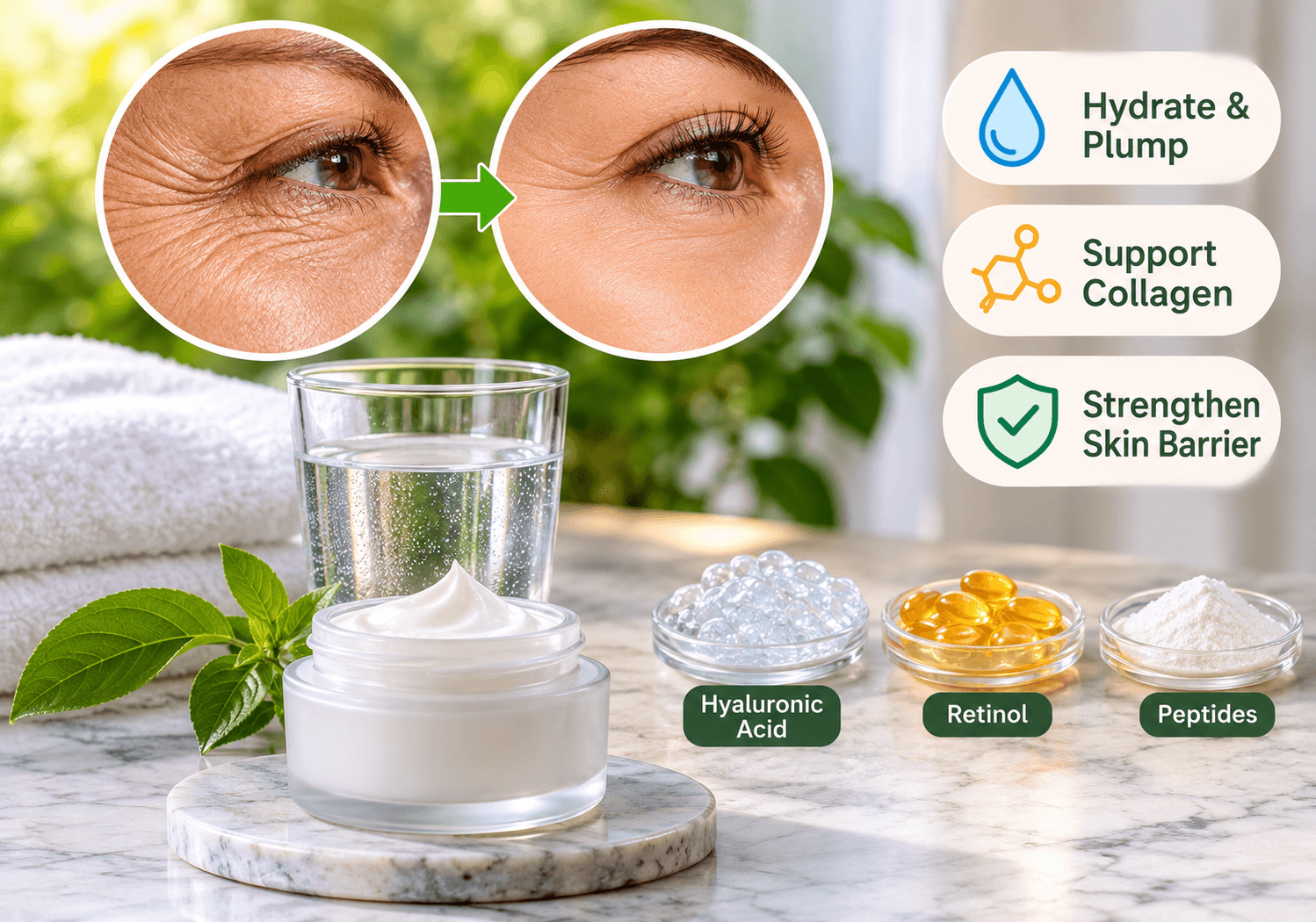
Just as we program progressive overload to build muscle and prioritize post-workout nutrition for recovery, our skin requires targeted care to withstand the daily stress of training, environmental exposure, and natural aging. Many active individuals and adults over 40 ask a fundamental question: does moisturizer help with wrinkles? The short answer is yes, but with important caveats. While a moisturizer cannot erase deep, established wrinkles like a surgical procedure might, it plays a critical role in hydrating the skin, temporarily plumping fine lines, and delivering active ingredients that support long-term collagen production.
Think of your skin barrier like a weightlifting belt. When it is intact and well-supported, it protects the underlying structures from damage. When it is dry and compromised, wear and tear accelerate. In this guide, we will break down the dermatological science behind skin aging, evaluate the most effective wrinkle-fighting ingredients, and provide a practical, step-by-step skincare routine tailored for active lifestyles.
Quick Answer
Yes, moisturizer helps with wrinkles primarily by hydrating the outer skin layer, which temporarily plumps fine lines and reduces the appearance of dryness. Furthermore, moisturizers containing active ingredients like hyaluronic acid, retinol, peptides, and ceramides can actively support collagen production, improve skin elasticity, and slow the formation of new wrinkles over time.
The Science of Skin Aging and Hydration
To understand how topical treatments work, we must first look at the anatomy of the skin. The skin consists of three primary layers: the epidermis (outer layer), the dermis (middle layer containing collagen and elastin), and the hypodermis (subcutaneous fat). Wrinkles form due to a combination of intrinsic aging (genetics and chronological age) and extrinsic aging (sun exposure, pollution, and lifestyle factors).
As we age, the skin’s natural production of collagen and elastin declines. Collagen provides structural support, while elastin allows the skin to snap back into place. Simultaneously, the skin’s ability to retain moisture diminishes. This leads to an increase in transepidermal water loss (TEWL), a process where water evaporates from the skin into the surrounding environment. According to the Mayo Clinic, dry skin is more prone to cracking and emphasizes the appearance of fine lines, making wrinkles look deeper than they actually are.
When you apply a quality moisturizer, you are directly combating TEWL. Moisturizers work through three main mechanisms:
- Occlusives: Ingredients like petrolatum or dimethicone that form a physical barrier on the skin’s surface to prevent water from escaping.
- Humectants: Ingredients like glycerin and hyaluronic acid that attract water molecules from the deeper layers of the skin and the environment, pulling them into the epidermis.
- Emollients: Ingredients like ceramides and fatty acids that fill in the microscopic gaps between skin cells, creating a smooth, flexible surface.
By restoring hydration, a moisturizer immediately swells the epidermal cells. This “plumping” effect can make fine lines appear significantly less visible within minutes of application. However, for long-term wrinkle reduction, the moisturizer must also contain active compounds that communicate with the dermis to stimulate cellular repair.
Key Wrinkle-Fighting Ingredients in Moisturizers
Not all moisturizers are created equal. A basic lotion might prevent dryness, but if your goal is to address wrinkles, you need to look for specific, clinically studied ingredients. Here is a breakdown of the most effective compounds to look for on a product label.
| Ingredient | Primary Function | Evidence Level | Best For |
| Hyaluronic Acid | Humectant that holds up to 1,000 times its weight in water, deeply hydrating the epidermis. | High | Immediate plumping of fine lines and dry skin. |
| Retinol (Vitamin A) | Increases cell turnover and stimulates fibroblasts in the dermis to produce new collagen. | Very High | Long-term reduction of fine lines, wrinkles, and sun damage. |
| Ceramides | Lipid molecules that naturally make up about 50% of the skin barrier, preventing moisture loss. | High | Repairing a compromised skin barrier and locking in hydration. |
| Peptides | Short chains of amino acids that act as messengers, signaling the skin to produce more collagen. | Moderate to High | Improving skin firmness and elasticity over time. |
| Niacinamide (Vitamin B3) | Improves skin elasticity, enhances the barrier function, and reduces redness and hyperpigmentation. | High | Overall skin texture, tone, and barrier support. |
| Vitamin C | A powerful antioxidant that neutralizes free radicals from UV exposure and supports collagen synthesis. | High | Preventing oxidative stress and brightening the skin. |
Note: The American Academy of Dermatology (AAD) consistently recommends products containing these ingredients for evidence-based anti-aging skincare.
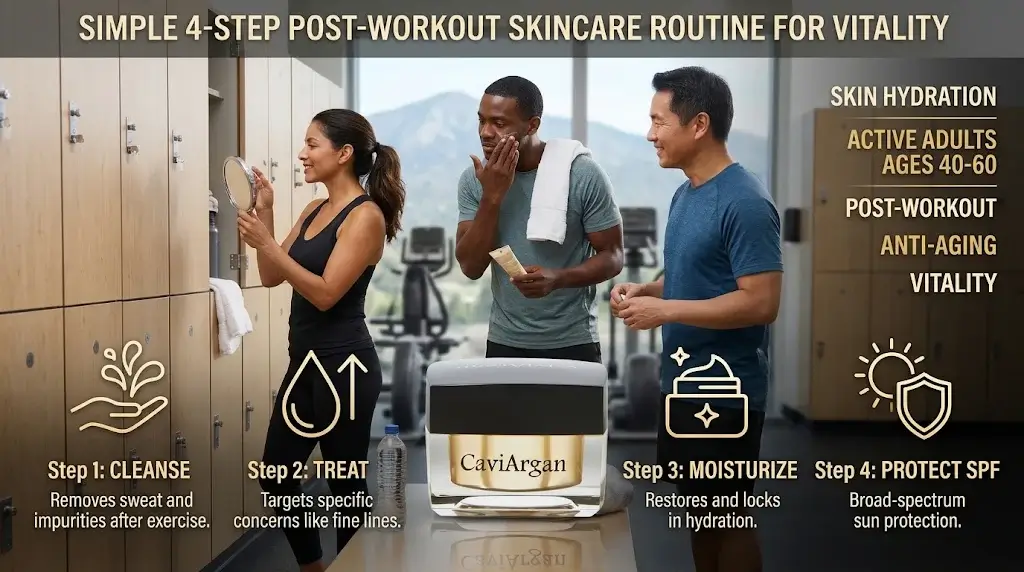
How to Apply It: A Post-Workout Skin Recovery Routine
As a coach, I tell my clients that consistency beats intensity. The same rule applies to skincare. Applying a $100 cream once a week will not yield results, while applying a $20 formula correctly every day will. Here is a practical, step-by-step routine designed for active individuals who sweat, shower, and need efficient skin recovery.
Step 1: Gentle Cleansing
After a workout, sweat, salt, and environmental pollutants sit on the skin. If left unchecked, these can cause irritation and break down the skin barrier. Use a gentle, pH-balanced cleanser. Avoid harsh scrubs, which cause micro-tears and accelerate aging.
- Action: Massage a nickel-sized amount (about 0.1 oz or 3 g) of cleanser onto damp skin for 30 seconds. Rinse with lukewarm water, never hot, as hot water strips natural oils.
Step 2: Active Treatment (Optional but Recommended)
If you are using a targeted treatment like a Vitamin C serum (morning) or a retinol product (night), apply it now to clean, slightly damp skin. This maximizes absorption.
- Action: Apply 2–3 drops of serum, gently pressing it into the skin without rubbing.
Step 3: Moisturize
This is where you answer the question, “does moisturizer help with wrinkles,” through direct action. Your moisturizer seals in the previous steps and delivers its own active ingredients.
- Action: Dispense a pea-sized amount (about 0.05 oz or 1.5 g) of moisturizer. Warm it between your fingertips. Press and smooth it evenly across your face and neck, using upward, outward strokes. Do not forget the neck and décolletage, as these areas have thin skin and show early signs of aging.
Step 4: Sun Protection (Morning Only)
UV radiation is responsible for up to 80% of visible facial aging, a process known as photodamage. No anti-aging routine is complete without broad-spectrum sunscreen.
- Action: Apply two finger-lengths (about 0.04 oz or 1.2 g) of SPF 30 or higher as the final step in your morning routine.
COACH’S TIP:
Apply your moisturizer to damp skin, not bone-dry skin. Humectants like hyaluronic acid need water to bind to. If your skin is completely dry, the humectant may pull water from the deeper layers of your dermis, potentially worsening dehydration. Pat your face with a towel after washing, leaving it slightly moist, then immediately apply your moisturizer to lock that water in.
COMMON MISTAKE:
Over-exfoliating in the name of “anti-aging.” Many people use harsh physical scrubs or high-percentage chemical exfoliants daily, thinking it will remove wrinkles. This actually destroys the skin barrier, increases transepidermal water loss, and leads to chronic inflammation, which accelerates collagen breakdown. Limit exfoliation to 1–2 times per week.
Skincare Regression and Progression
Just as we modify exercises based on a client’s current fitness level, skincare routines should be adjusted based on skin tolerance.
- Regression (For Sensitive or Beginner Skin): If your skin is easily irritated, skip the retinol and Vitamin C initially. Focus entirely on barrier repair. Use a gentle cleanser and a basic moisturizer containing only ceramides, glycerin, and hyaluronic acid. Once your skin feels resilient and no longer stings upon application (usually after 4–6 weeks), you can progress.
- Progression (For Experienced Users): Once your skin barrier is robust, introduce a retinoid. Start with a low concentration (e.g., 0.025% retinol or an over-the-counter retinaldehyde) applied only two nights a week. Gradually increase the frequency to every other night, and eventually nightly, as tolerated. Always follow with a rich, ceramide-based moisturizer to mitigate dryness.
Safety Notes and Precautions
While topical skincare is generally safe, certain active ingredients require caution.
- Retinol and Sun Sensitivity: Retinoids increase cell turnover, bringing newer, more vulnerable skin cells to the surface. This makes your skin highly susceptible to UV damage. You must wear broad-spectrum sunscreen daily if you use retinol, even on cloudy days or when training indoors near windows.
- Patch Testing: Before applying a new moisturizer to your entire face, perform a patch test. Apply a small amount (the size of a grain of rice) to the inside of your wrist or behind your ear. Wait 24 to 48 hours. If you experience redness, itching, or burning, discontinue use.
- Consult a Professional: If you have a history of rosacea, eczema, or severe acne, consult a board-certified dermatologist before introducing active anti-aging ingredients. What works for normal skin may trigger a flare-up in compromised skin.
Related Tips: A Holistic Approach to Wrinkle Prevention
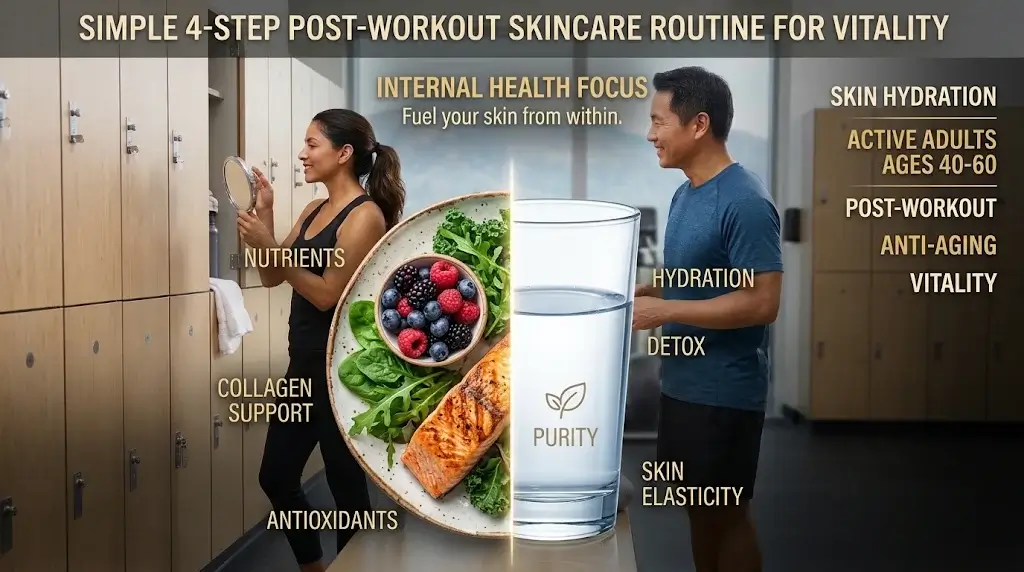
Topical moisturizers are only one piece of the puzzle. As a strength and conditioning coach, I emphasize that true health and aesthetics are built from the inside out. Your skin is an organ, and its appearance reflects your internal environment.
1. Internal Hydration
While drinking water alone will not erase wrinkles, chronic dehydration makes the skin look dull and emphasizes fine lines. Aim for at least half your body weight in ounces of water daily, adjusting upward for sweat loss during intense training.
2. Nutrition for Collagen Synthesis
Your body requires specific building blocks to produce collagen. Ensuring adequate protein intake is non-negotiable, as amino acids are the literal building blocks of skin tissue. Additionally, incorporating foods rich in omega-3 fatty acids for skin hydration and inflammation can help maintain the skin’s lipid barrier from the inside. Research also supports the use of an astaxanthin supplement for skin glow and anti-aging, as this potent antioxidant helps neutralize free radicals generated during intense physical activity. If you are considering internal support, many clients ask how long for collagen supplements to work on skin; clinical trials typically show visible improvements in skin elasticity and hydration after 8 to 12 weeks of consistent daily use.
3. Prioritize Sleep
Sleep is not just for muscle recovery; it is when your skin undergoes its most intensive repair cycle. During deep sleep, blood flow to the skin increases, and collagen production peaks. Poor sleep elevates cortisol, a stress hormone that actively breaks down collagen. Understanding how sleep affects metabolism and weight management is crucial, but remember that sleep also dictates cellular repair rates, including skin cell turnover.
4. Manage Blood Sugar and Glycation
Excess sugar in the bloodstream can attach to proteins in a process called glycation. This forms Advanced Glycation End-products (AGEs), which make collagen stiff and brittle, leading to sagging and deep wrinkles. Learning to manage food cravings without supplements by focusing on whole, fiber-rich foods helps stabilize blood sugar, protecting your skin’s structural integrity. Furthermore, ensuring you get the right vitamins that support metabolism when deficient ensures your cells have the energy required for continuous tissue repair.
Frequently Asked Questions (FAQ)
1. Does moisturizer actually reverse wrinkles?
No moisturizer can completely “reverse” or erase deep, established wrinkles, as these involve permanent structural changes in the dermis. However, moisturizers can significantly improve the appearance of fine lines by hydrating the skin and, if they contain retinol or peptides, can stimulate new collagen to soften wrinkles over time.
2. What ingredients in moisturizer fight wrinkles best?
The most evidence-backed ingredients are retinol (for collagen stimulation), hyaluronic acid (for deep hydration and plumping), ceramides (for barrier repair), and peptides (for signaling skin firmness). Vitamin C is also excellent for preventing future oxidative damage.
3. Can drinking water replace moisturizer for wrinkles?
No. While internal hydration is vital for overall health, drinking water does not directly hydrate the outermost layer of the skin (epidermis). Topical moisturizers are required to prevent transepidermal water loss and create the immediate plumping effect that reduces the visibility of fine lines.
4. How long does it take for moisturizer to reduce fine lines?
Hydrating ingredients like hyaluronic acid provide immediate, temporary plumping within minutes. However, for long-term structural changes from ingredients like retinol or peptides, you must use the product consistently for 8 to 12 weeks before seeing significant, lasting reduction in fine lines.
5. Is it better to use moisturizer morning or night for wrinkles?
Both are essential, but they serve different purposes. In the morning, use a lighter moisturizer topped with SPF to protect against UV damage. At night, use a richer, more reparative moisturizer, ideally containing retinol, as the skin’s natural repair processes peak during sleep and retinol can be degraded by sunlight.
6. Does anti-aging moisturizer work for deep wrinkles?
Anti-aging moisturizers can soften the edges of deep wrinkles and improve overall skin texture, making them less noticeable. However, for profound, static wrinkles, topical treatments have limits. Procedures like microneedling, laser therapy, or neuromodulators (e.g., Botox) performed by a dermatologist are more effective for deep folds.
Conclusion
So, does moisturizer help with wrinkles? Absolutely, but it must be the right moisturizer used consistently as part of a broader, health-focused strategy. A high-quality moisturizer does more than just sit on the surface; it actively repairs the skin barrier, prevents moisture loss, and delivers powerful ingredients like hyaluronic acid, retinol, and peptides that support long-term collagen health.
As with any fitness or health goal, there are no magic shortcuts. Pair your topical routine with adequate internal hydration, a nutrient-dense diet rich in protein and antioxidants, quality sleep, and rigorous sun protection. By treating your skin with the same discipline and evidence-based approach you apply to your training, you can maintain a resilient, healthy, and youthful complexion for years to come.