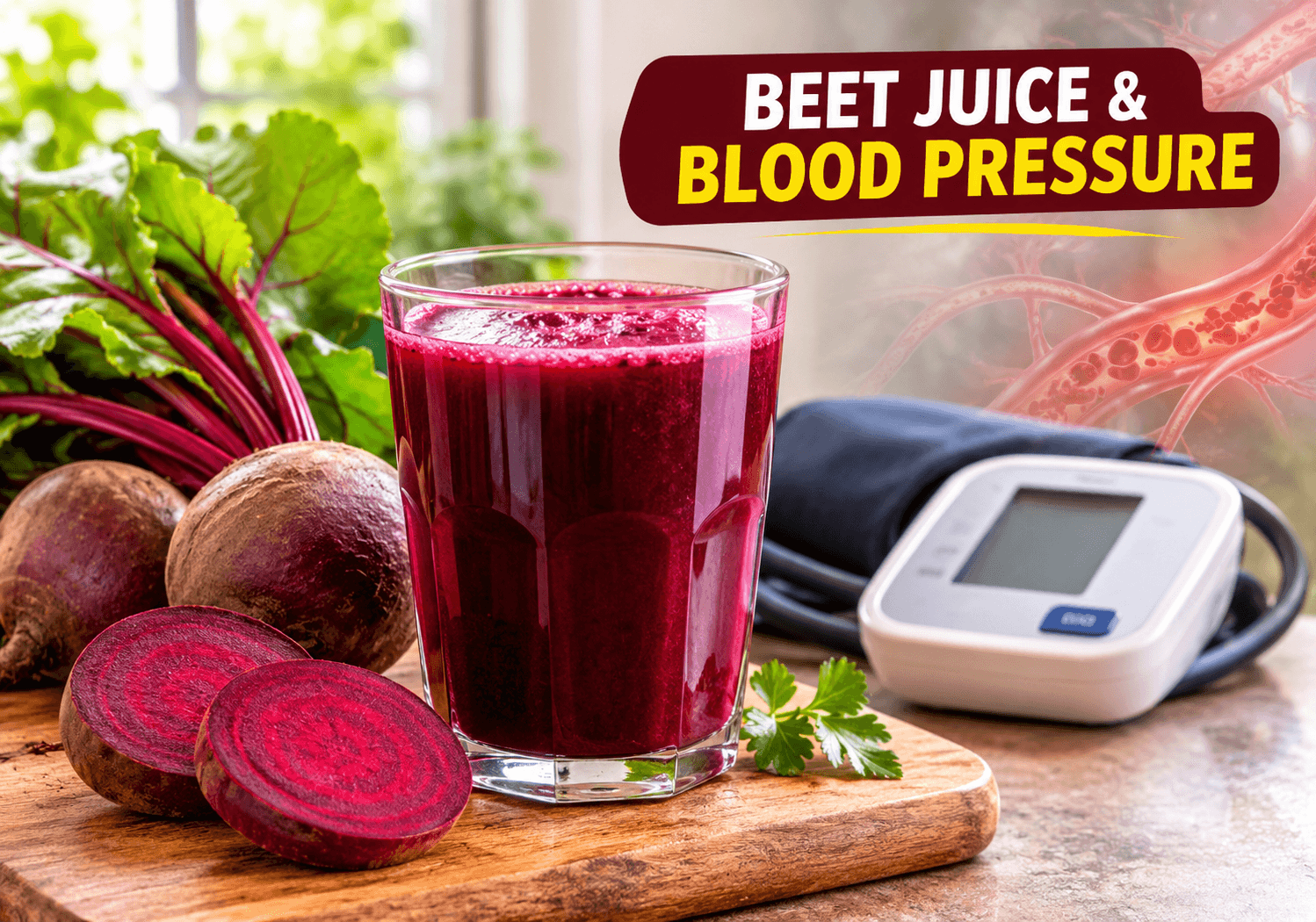
You’ve probably seen it in the gym bag next to your water bottle or scrolling through a health blog: a bottle of deep-purple beet root juice, promised to “fix” your blood pressure in a week. If you’re sitting on the edge of the couch wondering whether does beet root juice actually lower blood pressure is a real effect or just another wellness trend, you’re in the right place. I’ve spent years coaching clients who want practical, food-based ways to support their cardiovascular health, and beet juice keeps coming up.
Here’s the short version: the research is genuinely encouraging, but the picture is more nuanced than a single social media post can capture. Let’s walk through what the studies actually show, how much to drink, when to drink it, who should be careful, and how it fits alongside the other habits that move the needle on healthy blood pressure.
Quick Answer
Yes—multiple peer-reviewed studies and meta-analyses show that drinking 250–500 mL (about 1–2 cups) of beet root juice daily can lower systolic blood pressure by roughly 4–10 mm Hg within 24–96 hours. The effect comes from dietary nitrates converting to nitric oxide, which relaxes blood vessels. It is not a replacement for prescribed medication, but it may be a useful dietary add-on for people with mildly elevated readings.
What the Research Actually Shows
The Nitric Oxide Pathway
Beets (Beta vulgaris) are one of the most nitrate-rich foods you can eat. When you swallow those nitrates, bacteria in your mouth convert them into nitrite. Your stomach and bloodstream then turn that nitrite into nitric oxide, a molecule your blood vessels produce naturally to tell the smooth muscle in the vessel walls to relax.
When those vessels relax, they widen slightly—a process called vasodilation. Wider vessels mean less resistance to blood flow, which means lower pressure. That’s the core mechanism, and it’s the same pathway your body already uses, just with an extra dietary “boost.”
Key Studies and Meta-Analyses
A 2016 systematic review and meta-analysis by Bailey and colleagues in the Journal of Human Hypertension pooled data from 13 randomized, placebo-controlled trials and found that beetroot juice supplementation reduced systolic blood pressure by about 4.01 mm Hg and diastolic blood pressure by about 1.83 mm Hg compared with placebo [1]. The effect was most visible in people who already had elevated or high readings.
A 2015 study published in the Journal of the American Heart Association by Howard and team looked at older adults (average age 64) and found that 250 mL of beetroot juice taken three times a day for four weeks lowered systolic pressure by about 5 mm Hg and diastolic by about 2 mm Hg, with the biggest gains in those who started at the highest baseline [2].
More recent work has confirmed that the effect is dose-dependent: more nitrates, a slightly larger drop, but with diminishing returns past about 500 mL per day [3].
How Much of a Drop Can You Expect?
Here’s a realistic range based on the literature:
| Starting BP (mm Hg) | Typical Systolic Drop | Typical Diastolic Drop | Time to See Effect |
| 120–129 (elevated) | 2–4 mm Hg | 1–2 mm Hg | 24–48 hours |
| 130–139 (Stage 1) | 4–8 mm Hg | 2–4 mm Hg | 48–96 hours |
| 140+ (Stage 2) | 5–10 mm Hg | 3–5 mm Hg | 48–96 hours |
Those numbers sound small, but in hypertension management, even a 5 mm Hg systolic reduction is considered clinically meaningful because it lowers the risk of stroke, heart attack, and kidney damage over years [4].
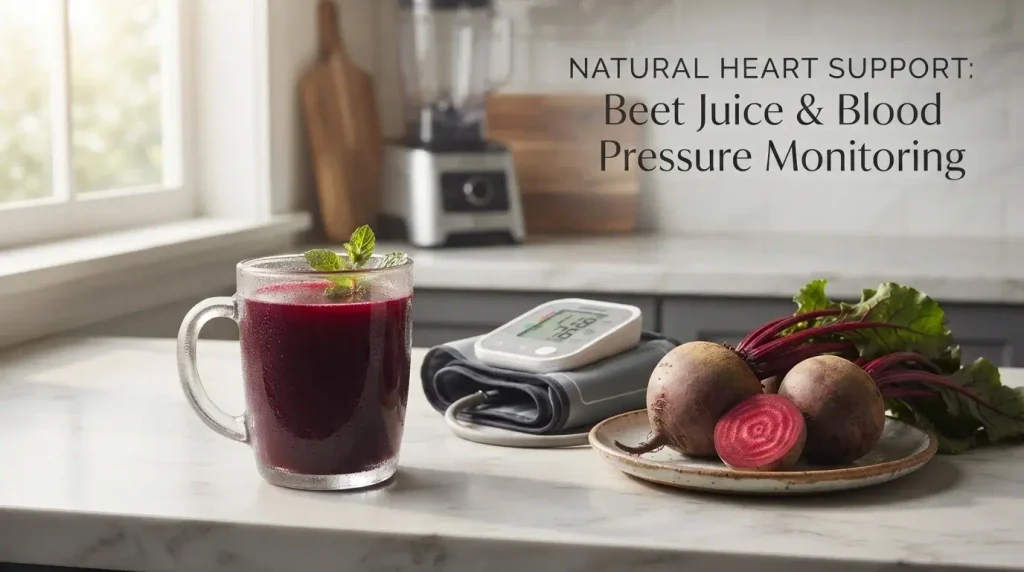
How Beet Root Juice Affects Blood Pressure (The Mechanism)
Understanding why it works helps you use it smarter. Here’s a quick breakdown of the key players:
| Component in Beets | Role in Blood Pressure |
| Inorganic nitrates (NO₃⁻) | Converted to nitrite → nitric oxide → vasodilation |
| Betalains (pigments) | Antioxidant; may protect nitric oxide from oxidative breakdown |
| Polyphenols & flavonoids | Support endothelial (blood vessel lining) function |
| Potassium | Counteracts sodium’s effect on fluid volume |
| Fiber (in whole beets) | Slows absorption; supports gut microbiome that aids nitrate conversion |
The nitric oxide pathway is the star, but the antioxidants in beets may help “protect” the nitric oxide you produce so it doesn’t get broken down too quickly by free radicals. That’s one reason beet juice tends to work a little better than isolated nitrate pills in some studies [5].
Coach’s Tip: The bacteria in your mouth do the first step of nitrate-to-nitrite conversion. That means the timing of your drink matters. Sipping beet juice slowly over 10–15 minutes (rather than chugging it in 30 seconds) gives your oral microbiome more time to work. Also, avoid using antibacterial mouthwash right before or after your juice, because it can kill the very bacteria that kick off the nitric oxide cascade.

How to Use Beet Root Juice for Blood Pressure Support
Dosage and Timing
Based on the studies I’ve reviewed, here’s a practical dosing guide:
- Starting dose: 125 mL (about ½ cup) per day for the first week. This lets you see how your stomach handles the earthy taste and the mild laxative effect some people notice.
- Target dose: 250–500 mL (1–2 cups) per day. Most trials that showed a clear blood pressure effect used 250 mL taken 1–3 times daily.
- When to drink it: Morning or early afternoon, 30–60 minutes before a workout or before a period of stress. The nitric oxide boost peaks around 2–3 hours after ingestion, so timing it before your most active or stressful window makes sense.
- Consistency matters: One study showed a measurable drop after a single dose, but the effect was more reliable and sustained when participants drank the juice daily for at least 4 weeks [2]. Think of it like a habit, not a one-off.
A Simple Daily Routine
Here’s how I’d slot beet juice into a regular day:
- Morning (7–8 a.m.): Have your 250 mL (8 oz) of beet juice with a small breakfast. Pair it with a source of protein (eggs, Greek yogurt) to slow gastric emptying and reduce any “beet stomach” surprise.
- Midday (12–1 p.m.): If you’re doing a second 125–250 mL serving, take it with lunch.
- Afternoon (4–5 p.m.): Optional third small serving if you’re in the 500 mL range and your doctor has cleared it.
- Evening: No need for beet juice at night. Use that time for a walk, stretching, or a cool-down.
What to Look for in a Beet Juice Product
Not all bottles are created equal. When you’re at the store or ordering online, check the label for:
- Nitrate content: Look for “cold-pressed” or “raw” beet juice. High-heat pasteurization can degrade some nitrates and antioxidants.
- Added sugar: Some commercial blends add apple juice, cane sugar, or honey. Aim for a product with no added sugar or, at most, a small amount of fruit for taste.
- Concentration: A 100% beet juice will have more nitrates than a “beet blend” that’s 20% beet and 80% other juices.
- Organic vs. conventional: Beets are a root vegetable that can absorb nitrates from soil. Organic beets may have fewer pesticide residues, though the nitrate content (the good kind) is present in both.
- Shelf life: Freshly pressed juice is best within 48 hours. Refrigerated, pasteurized bottles are fine for a few months, but check the date.
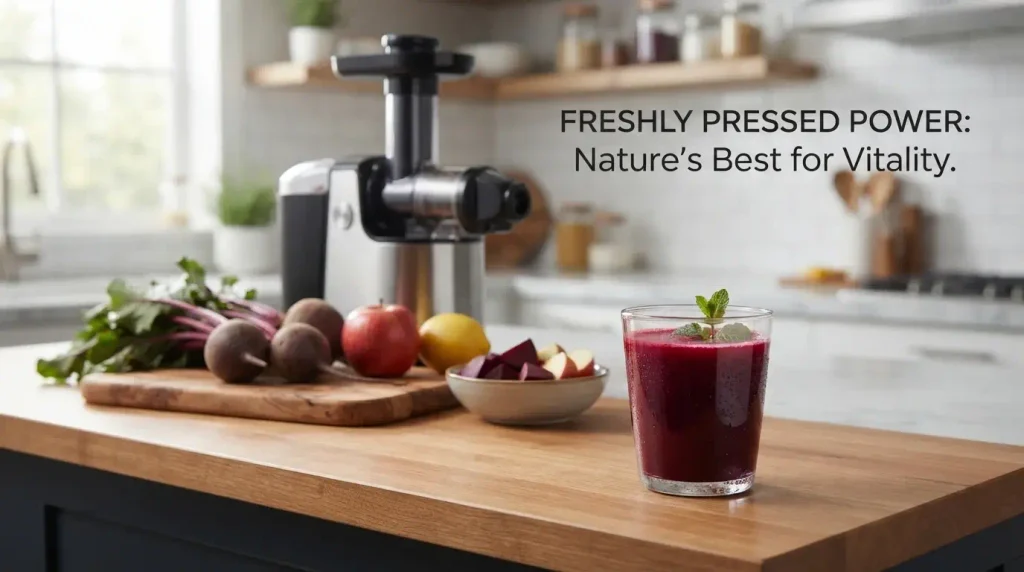
If you want to make it at home, two medium beets (about 200 g / 7 oz each), a small apple for sweetness, a squeeze of lemon, and a cold-press juicer will give you roughly 250 mL of juice. Store it in a glass bottle in the fridge and use within two days.
Safety Considerations and Who Should Be Cautious
Drug Interactions
This is the most important section, so read it carefully.
- Antihypertensive medications: If you take ACE inhibitors (lisinopril, enalapril), ARBs (losartan, valsartan), calcium channel blockers (amlodipine, nifedipine), or diuretics (hydrochlorothiazide, furosemide), beet juice’s mild blood pressure-lowering effect could stack on top of your medication and push your reading too low. You might feel lightheaded, dizzy, or faint, especially when standing up quickly. Talk to your prescribing doctor before adding a daily beet juice routine if you’re on any blood pressure medication.
- Blood thinners (anticoagulants/antiplatelets): Beets contain vitamin K, though in modest amounts. If you’re on warfarin or a direct oral anticoagulant, a sudden large increase in beet intake could theoretically affect your INR. Keep your intake consistent and let your doctor know.
- Sildenafil (Viagra) and similar PDE-5 inhibitors: These drugs work through the same nitric oxide pathway. Adding a high-nitrate food on top could amplify the vasodilatory effect. Check with your doctor.
Side Effects to Watch For
- Beeturia: Your urine (and sometimes stool) may turn pink or red for 24–48 hours after drinking beet juice. It’s harmless and caused by the betalain pigments, but it can be startling.
- Mild GI upset: The fiber and natural sugars can cause bloating, gas, or a loose stool, especially if you jump straight to 500 mL. Start at 125 mL and build up.
- Low blood pressure (hypotension): If your resting BP is already on the lower side (below 100/60), adding beet juice could tip you into symptomatic hypotension. Monitor with a home cuff.
When to Skip Beet Juice
- You have kidney stones (beets are high in oxalates, which can contribute to calcium-oxalate stones).
- You have a known nitrate sensitivity or a doctor has told you to limit nitrate intake.
- You’re pregnant or breastfeeding and haven’t discussed it with your OB or midwife.
- You’re about to undergo surgery (stop 2 weeks prior, as with any supplement or high-dose food intervention, per your surgeon’s guidance).
Common Mistake: Drinking a full 500 mL of concentrated beet juice on an empty stomach as a “detox” first thing in the morning. This is the fastest way to get nausea, a racing stomach, and a very pink bathroom. Pair it with food, start small, and give your gut a week to adjust.
Related Tips for Supporting Healthy Blood Pressure
Beet juice is one tool, not the whole toolbox. The CDC’s blood pressure guidelines emphasize a combination of dietary, physical, and lifestyle changes for long-term cardiovascular health. Here’s how I’d layer the other pieces:
Diet
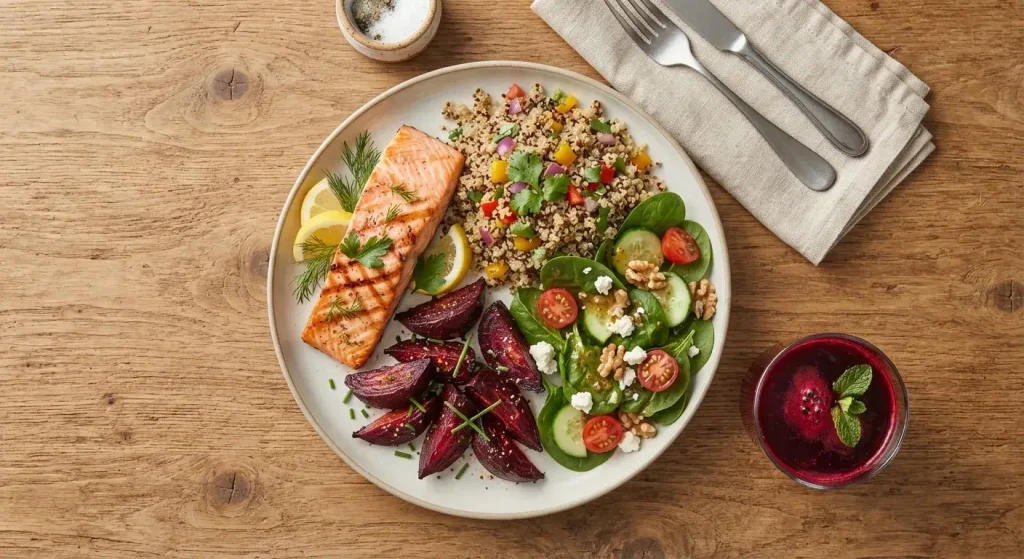
- Follow a DASH-style eating pattern: plenty of vegetables, fruits, whole grains, lean protein, and low-fat dairy; low in sodium (under 2,300 mg/day, ideally 1,500 mg if your doctor recommends it), saturated fat, and added sugar [4].
- Load up on other nitrate-rich foods: arugula, spinach, celery, and rocket (arugula) all contribute to the same nitric oxide pathway.
- Keep potassium intake adequate (bananas, sweet potatoes, white beans) to help balance sodium.
Exercise
- The HHS Physical Activity Guidelines recommend at least 150 minutes of moderate-intensity aerobic activity per week plus two days of muscle-strengthening work. Even brisk walking counts.
- Resistance training two to three times a week supports vascular health and helps manage weight, which in turn reduces the load on your arteries.
- If you’re just starting, a simple 20-minute walk after dinner, three to four times a week, is a solid entry point. Build from there.
Lifestyle Factors
- Sleep: Aim for 7–9 hours. Poor sleep is linked to higher sympathetic nervous system activity, which keeps your vessels constricted and your BP elevated.
- Stress management: Chronic stress raises cortisol and keeps your heart rate up. Ten minutes of box breathing (inhale 4, hold 4, exhale 4, hold 4) before bed can make a noticeable difference.
- Limit alcohol: More than one drink per day for women or two for men is associated with higher BP.
- Don’t smoke or vape: Nicotine constricts vessels acutely and damages the endothelium long-term.
Pairing a daily 250 mL beet juice habit with a DASH-style plate, regular movement, and good sleep gives you a much stronger foundation than any single intervention. For more on how natural, food-based strategies support overall metabolic and cardiovascular health, check out how to support metabolism naturally and which nutrients support normal energy metabolism.
Can Beet Juice Replace Blood Pressure Medication?
No. I want to be very direct about this because I’ve seen clients try to swap a prescribed ACE inhibitor for a bottle of beet juice, and that’s a dangerous move. Beet juice produces a modest, short-to-medium-term reduction (a few mm Hg). Prescription antihypertensives are designed to manage a chronic, often progressive condition with much larger and more consistent effects, plus they’ve been studied in tens of thousands of patients for outcomes like stroke prevention and heart failure reduction.
Beet juice is a complement, not a substitute. If your doctor has prescribed medication, keep taking it. Ask them whether adding a daily beet juice routine is appropriate for your specific situation. They can monitor your BP and adjust your medication if the combined effect is bringing your reading lower than the target range.
Does Beet Juice Work for All Types of Hypertension?
The research is strongest for primary (essential) hypertension, where there’s no single identifiable cause. The nitric oxide mechanism helps with the general vascular stiffness and tone that drive most cases of high BP.
For secondary hypertension (caused by kidney disease, adrenal tumors, sleep apnea, or certain medications), the underlying cause needs to be treated. Beet juice might still offer a small additive benefit for vascular tone, but it won’t fix the root problem. Your doctor will need to identify and address the secondary cause.
How Long Does It Take to See Results?
- Single dose: Some studies show a small systolic drop (2–4 mm Hg) within 2–3 hours of one 250 mL serving [1].
- Consistent daily use: The more reliable, sustained effect (4–10 mm Hg systolic) typically shows up after 2–4 weeks of daily consumption [2].
- Plateau: Most trials ran 4–12 weeks. You’re unlikely to see a dramatic additional drop beyond 12 weeks of the same dose.
Track your BP with a validated home cuff (upper-arm, not wrist) at the same time each day, seated, after 5 minutes of rest. Log the numbers and bring the log to your next doctor’s visit.
FAQ
How much beet juice should I drink to lower blood pressure?
Most studies that showed a meaningful effect used 250–500 mL (1–2 cups) per day. Start with 125 mL (½ cup) for the first week to let your digestive system adjust, then work up to 250 mL daily. More than 500 mL rarely adds extra benefit and increases the chance of GI discomfort.
Can beet juice replace my blood pressure medication?
No. Beet juice may lower systolic pressure by about 4–10 mm Hg, which is helpful but not equivalent to the effect of prescribed antihypertensives. Never stop or change a medication without talking to your prescribing doctor first.
What time of day is best to drink beet juice for blood pressure?
Morning or early afternoon, 30–60 minutes before your most physically or mentally demanding period. The nitric oxide boost peaks around 2–3 hours after you drink it, so timing it before a workout or a stressful work block makes practical sense.
Is beetroot juice safe if I’m already on blood pressure medication?
It can be, but the combined effect may push your reading lower than intended, causing dizziness or lightheadedness. Check with your doctor before adding a daily beet juice routine, especially if you take ACE inhibitors, ARBs, calcium channel blockers, or diuretics.
How long does beet juice take to lower blood pressure?
A small drop (2–4 mm Hg systolic) can appear within 2–3 hours of a single serving. A more consistent, meaningful reduction (4–10 mm Hg) typically requires 2–4 weeks of daily use. Track your numbers with a home BP cuff to see your personal response.
Will beet juice make my urine turn red?
Yes. The betalain pigments in beets can tint your urine (and sometimes stool) pink or red for 24–48 hours. It’s called beeturia, it’s completely harmless, and it’s not blood. If it worries you, note the timing of your last beet juice serving and it should resolve on its own.
Conclusion
So, does beet root juice actually lower blood pressure? The evidence says yes, in a modest but real way. Multiple randomized trials and meta-analyses show a 4–10 mm Hg systolic reduction with daily 250–500 mL servings, driven by the nitrate-to-nitric-oxide pathway that relaxes your blood vessels. It’s not a magic bullet, and it’s not a replacement for prescribed medication. But as one small, tasty piece of a bigger picture—paired with a DASH-style diet, regular movement, good sleep, and stress management—it’s a practical, low-risk dietary habit that may help nudge your numbers in a healthier direction over time.
Start with half a cup, pair it with food, give it four weeks, and track your readings. And most importantly, loop in your doctor, especially if you’re already managing hypertension with medication. Your cardiovascular health is a long game, and small, consistent choices add up.