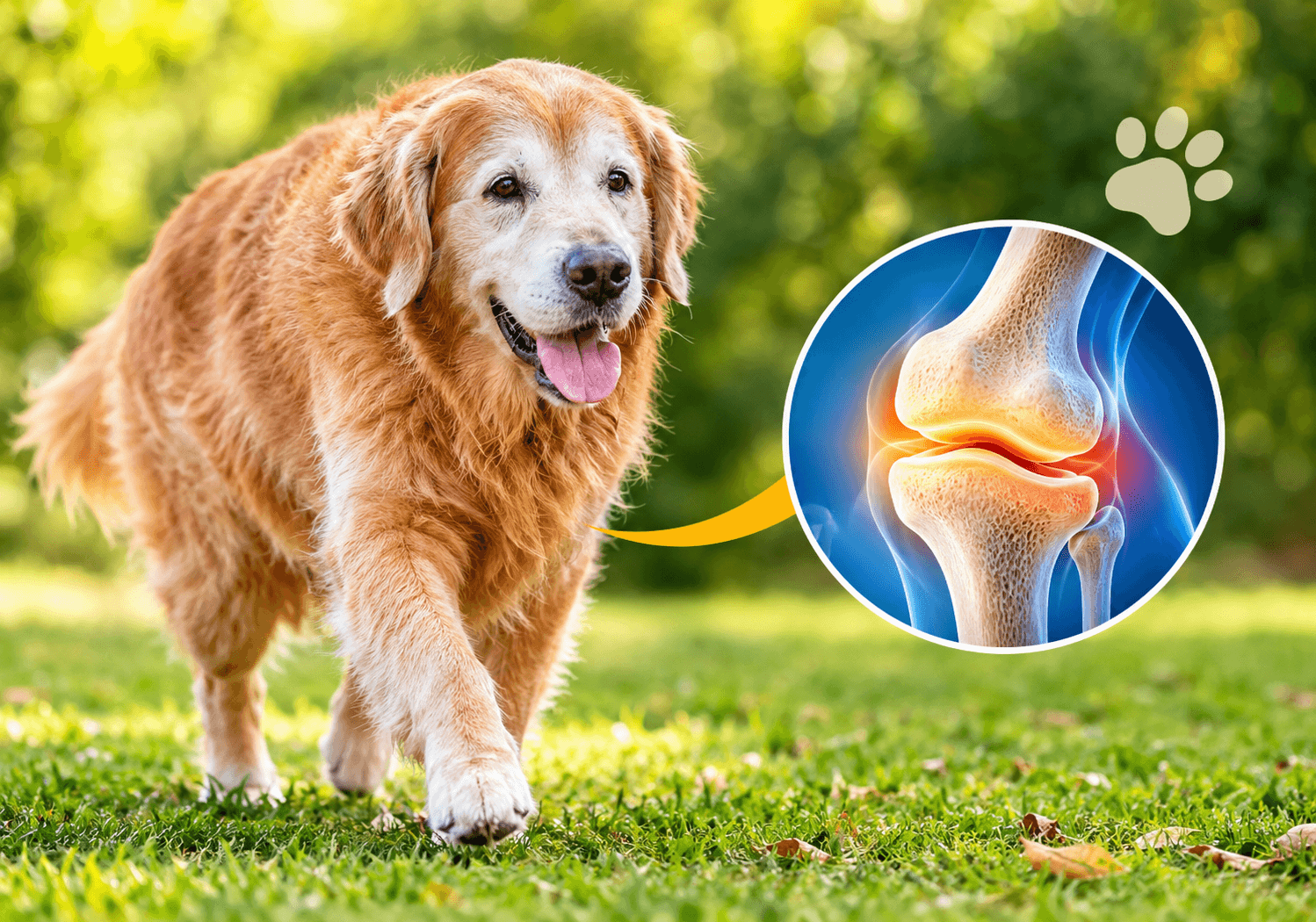
Watching a once-energetic senior dog struggle to stand up or hesitate before jumping into the car is heartbreaking. Canine osteoarthritis affects up to 20% of all adult dogs, and the number rises significantly as they age. Managing this condition requires a proactive approach to nutrition, mobility, and comfort. Finding the best joint supplement for senior dogs with arthritis is one of the most effective, non-invasive steps you can take to support their cartilage, reduce inflammation, and improve their daily quality of life.
As a certified strength and conditioning coach who also advises on canine rehabilitation and mobility, I see firsthand how the right nutritional support can transform an aging pet’s movement. This guide breaks down the science, the top products, and exactly what to look for so you can make an informed, evidence-based choice for your aging companion.
Quick Answer
Top Pick: Premium Omega-3 & Green-Lipped Mussel Blend (Best overall for inflammation and cartilage support).
Budget Pick: Basic High-Potency Glucosamine & Chondroitin Chew (Best for cost-effective, daily maintenance).
Upgrade Pick: Advanced MSM & Hyaluronic Acid Powder (Best for severe stiffness and maximum bioavailability).
Always consult your veterinarian before starting any new supplement regimen to ensure it aligns with your dog’s specific health profile.
Understanding Canine Osteoarthritis: The Science of Joint Degeneration
Before buying a product, it helps to understand what is happening inside your dog’s joints. Osteoarthritis is a degenerative joint disease characterized by the gradual breakdown of cartilage. Cartilage acts as a shock absorber between bones. When it wears down, bones rub together, causing pain, swelling, and reduced mobility.
Research published in the Journal of the American Veterinary Medical Association highlights that chronic, low-grade inflammation is a primary driver of this cartilage degradation. Supplements that target inflammation and support synovial fluid production can slow this process. The goal of any joint supplement is not to “cure” arthritis, but to provide the raw materials needed for cartilage repair and to actively reduce the inflammatory response.

Top Joint Supplements for Senior Dogs: Comparison Table
| Product Name | Key Active Ingredients | Best For | Price Range |
| Premium Omega-3 & Green-Lipped Mussel Blend | EPA/DHA, Perna canaliculus, Glucosamine | Severe inflammation and advanced arthritis | $40 – $65 |
| High-Potency Glucosamine & Chondroitin Chew | Glucosamine HCl, Chondroitin Sulfate, MSM | Daily maintenance and mild stiffness | $25 – $40 |
| Vet-Formulated Hip & Joint Soft Chew | Glucosamine, Turmeric, Boswellia | Dogs that are picky eaters | $30 – $50 |
| Advanced MSM & Hyaluronic Acid Powder | MSM, Hyaluronic Acid, Vitamin C | Maximum bioavailability and severe joint pain | $35 – $55 |
| Natural Turmeric & Curcumin Joint Support | Curcumin, Black Pepper Extract, Omega-3 | Natural anti-inflammatory support | $20 – $35 |
| Budget-Friendly Basic Glucosamine Tablet | Glucosamine Sulfate, Chondroitin | Cost-effective, long-term use | $15 – $25 |
Note: Prices are approximate retail ranges and may vary. Always [VERIFY] current pricing on the manufacturer’s website.
In-Depth Product Breakdowns
1. Premium Omega-3 & Green-Lipped Mussel Blend
Who it’s for: Senior dogs with moderate to severe arthritis, or those who have not responded well to basic glucosamine alone.
Key Features: This formula combines high-dose Omega-3 fatty acids (EPA and DHA) with New Zealand green-lipped mussel. Green-lipped mussel is a unique source of glycosaminoglycans and a specific omega-3 called ETA, which is highly effective at blocking inflammatory enzymes.
Pros: Exceptional anti-inflammatory properties; supports overall skin and coat health; highly palatable for most dogs.
Cons: Higher price point; the fishy odor may be strong for some owners.
2. High-Potency Glucosamine & Chondroitin Chew
Who it’s for: Dogs showing early signs of stiffness or owners seeking a reliable, daily maintenance supplement.
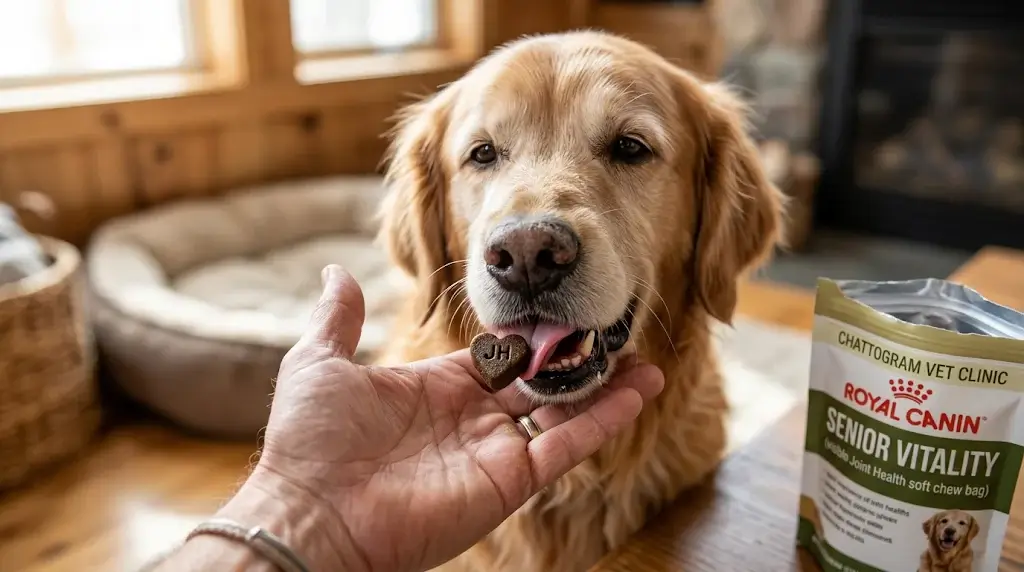
Key Features: Delivers the classic duo of joint health. Glucosamine stimulates the production of glycosaminoglycans, while chondroitin sulfate inhibits enzymes that break down cartilage. Often paired with MSM for added pain relief.
Pros: Widely studied and proven; easy to administer as a treat; generally affordable.
Cons: May take 4 to 6 weeks to show noticeable results; some dogs may experience mild digestive upset.
3. Veterinarian-Formulated Hip & Joint Soft Chew
Who it’s for: Picky eaters and dogs that require a multi-targeted approach to joint health.
Key Features: Developed with veterinary input, these chews often include turmeric (curcumin) and Boswellia serrata alongside traditional joint ingredients. Curcumin is a potent, natural anti-inflammatory, and Boswellia supports healthy blood flow to the joints.
Pros: Highly palatable; multi-ingredient formula tackles inflammation from multiple angles; NASC (National Animal Supplement Council) quality seal is common in this tier.
4. Advanced MSM & Hyaluronic Acid Powder
Who it’s for: Large breed senior dogs (e.g., German Shepherds, Great Danes) or those with severe joint degradation requiring high-dose, highly bioavailable support.
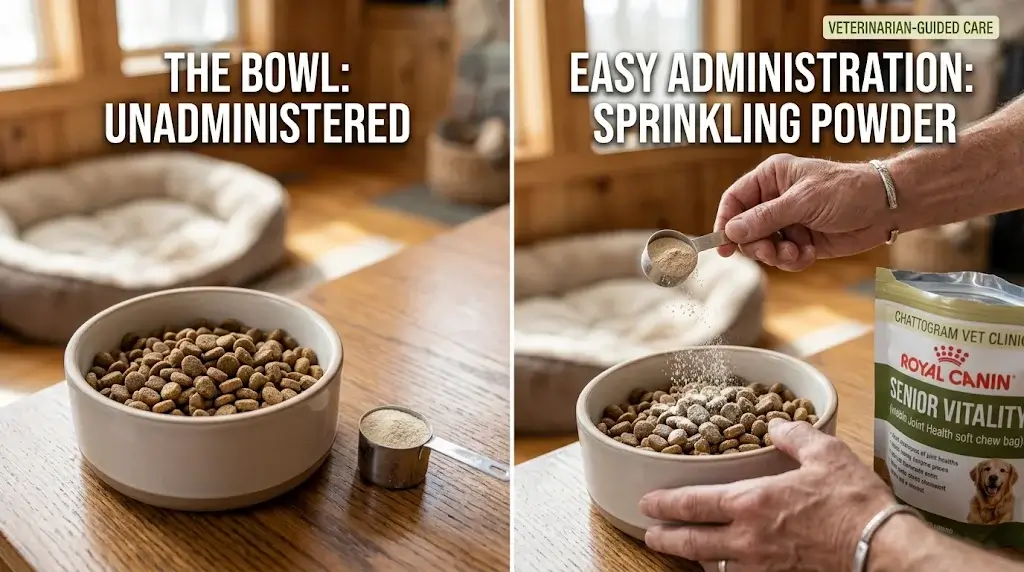
Key Features: Methylsulfonylmethane (MSM) is a natural sulfur compound that reduces joint pain and inflammation. Hyaluronic acid is a key component of synovial fluid, helping to lubricate the joint and improve shock absorption. Powder form allows for precise dosing based on weight.
Pros: Easy to sprinkle over food; highly bioavailable; excellent for large dogs needing higher doses.
Cons: Powder can be messy; some dogs may reject the taste if not mixed thoroughly.
5. Natural Turmeric & Curcumin Joint Support
Who it’s for: Owners seeking a natural, plant-based alternative to traditional pharmaceuticals or those whose dogs are sensitive to shellfish-derived glucosamine.
Key Features: Focuses on curcumin, the active compound in turmeric, enhanced with piperine (black pepper extract) to increase absorption by up to 2,000%. Often includes a base of coconut oil or MCT oil to further aid fat-soluble nutrient absorption.
Pros: Powerful natural anti-inflammatory; supports cognitive health in senior dogs; free from common allergens.
Cons: Curcumin alone does not provide the cartilage-building blocks that glucosamine does; best used as a complementary therapy.
6. Budget-Friendly Basic Glucosamine Tablet
Who it’s for: Owners on a strict budget who still want to provide foundational joint support for their aging pet.
Key Features: Contains the bare minimum effective doses of glucosamine sulfate and chondroitin. Tablets are often scored, making them easy to split for smaller dogs.
Pros: Very affordable; long shelf life; no unnecessary fillers or flavorings.
Cons: Lower bioavailability compared to chews or powders; may require pill pockets or crushing to administer.
How to Choose: The Buyer’s Checklist
Selecting the right product requires more than just reading the front label. Use this checklist to evaluate any joint supplement.
- Active Ingredient Dosage: Do not be fooled by “proprietary blends.” The label must state the exact milligrams of each active ingredient. For example, effective glucosamine dosing is typically around 20 mg per lb (44 mg per kg) of body weight daily. A 50 lb (22.7 kg) dog needs roughly 1,000 mg of glucosamine.
- Quality Certifications: Look for the NASC (National Animal Supplement Council) quality seal. This indicates the manufacturer adheres to strict labeling, quality control, and adverse event reporting standards.
- Form and Palatability: Consider your dog’s preferences. Soft chews are easiest for most, but powders are better for precise dosing in large breeds.
- Space and Storage: Liquid supplements may require refrigeration after opening, while powders and tablets can be stored in a cool, dry place (ideally below 77°F or 25°C).
- Budget and Value: Calculate the cost per day, not just the cost per bottle. A $60 bottle that lasts 60 days is a better value than a $30 bottle that lasts 15 days.
How We Picked: Our Evaluation Criteria
Our recommendations are based on a strict, evidence-based framework:
- Scientific Backing: Ingredients must have peer-reviewed studies supporting their efficacy in canine models. For instance, research in Veterinary Clinics of North America confirms the benefits of Omega-3s in reducing the severity of osteoarthritis in dogs.
- Third-Party Testing: Products must be tested for heavy metals, pesticides, and accurate ingredient labeling.
- Veterinary Endorsement: Formulas developed or recommended by board-certified veterinary nutritionists or orthopedic specialists are prioritized.
- Real-World Palatability: A supplement is useless if the dog refuses to eat it. We prioritized products with high acceptance rates.
Expert Administration Tips for Maximum Results
Giving the supplement is only half the battle. How you administer it determines its effectiveness.
Canine Mobility Coach’s Tip:
Always introduce a new joint supplement gradually. Start with half the recommended dose for the first 3 to 5 days to monitor for any digestive upset, such as loose stools or gas. Once your dog tolerates it well, increase to the full dose based on their exact weight in lb (kg). Consistency is critical; joint supplements build up in the system over time and do not provide instant, painkiller-like relief.
Common Mistake:
Stopping the supplement too early. Many owners expect immediate results within a few days. Because these supplements work by nourishing cartilage and reducing systemic inflammation, it typically takes 4 to 8 weeks of daily, uninterrupted use to see a noticeable improvement in your dog’s mobility, such as an easier time walking 1 mile (1.6 km) or climbing stairs. Do not give up before the 8-week mark.
Weight Management Connection:
Excess weight puts massive stress on arthritic joints. Losing just 10% of a dog’s body weight can significantly reduce lameness. If your senior dog is overweight, consider pairing their joint supplement with a vet-approved weight management plan. Understanding how to evaluate ingredients in supplements can also help you choose low-calorie treat alternatives. Furthermore, ensuring your dog gets adequate vitamins support metabolism is crucial for maintaining energy levels during gentle rehabilitation exercises.
Setup and Maintenance: Monitoring Progress
Keep a simple “mobility journal” for your dog. Note their ability to perform specific tasks:
- Time taken to stand up from a resting position.
- Willingness to jump into the car or onto a couch (consider using a ramp with a 12-inch (30 cm) rise to reduce joint strain).
- Enthusiasm during a 15-minute walk.
Re-evaluate these metrics every 30 days. If you see no improvement after 8 weeks, consult your veterinarian. They may recommend adjusting the dose, switching the type of supplement, or integrating omega-3 fatty acids and inflammation management strategies more aggressively. In some cases, supplements support weight management safely alongside joint care to reduce the mechanical load on the hips and knees.
Frequently Asked Questions (FAQ)
What is the best joint supplement for senior dogs with arthritis?
The best choice depends on your dog’s specific needs. For severe inflammation, a premium Omega-3 and green-lipped mussel blend is highly effective. For daily maintenance, a high-potency glucosamine and chondroitin chew is a reliable, evidence-based standard. Always consult your vet.
How long does it take for dog joint supplements to work?
Most veterinary studies indicate it takes 4 to 8 weeks of consistent, daily administration to see noticeable improvements in mobility and a reduction in stiffness. Do not stop giving the supplement prematurely.
Can I give my arthritic dog human joint supplements?
It is not recommended. Human supplements may contain xylitol (which is highly toxic to dogs), incorrect dosages, or additives that are unsafe for canine digestion. Always choose a product formulated specifically for dogs.
Are there any side effects to canine joint supplements?
Side effects are rare but can include mild gastrointestinal upset, such as diarrhea or gas, especially when first introduced. Shellfish-derived glucosamine may cause reactions in dogs with specific allergies. Start with a half-dose to test tolerance.
Do glucosamine and chondroitin actually work for dog arthritis?
Yes. Peer-reviewed research shows that glucosamine helps stimulate cartilage repair, while chondroitin sulfate inhibits enzymes that break down joint tissue. Together, they help maintain synovial fluid and reduce pain.
Can joint supplements replace prescription pain medication for dogs?
No. Supplements are designed to support joint health and reduce mild to moderate inflammation over time. They are not a substitute for prescription NSAIDs or pain management plans prescribed by a veterinarian for acute or severe pain.
Conclusion
Finding the best joint supplement for senior dogs with arthritis is a powerful step toward giving your aging companion a more comfortable, active life. By focusing on scientifically backed ingredients like glucosamine, chondroitin, MSM, and Omega-3 fatty acids, you can actively support cartilage health and reduce joint inflammation. Remember to check for NASC certification, dose according to your dog’s exact weight, and allow 4 to 8 weeks for the ingredients to build up in their system.
Pairing nutritional support with gentle, regular exercise and weight management will yield the best results. If you are ever unsure, your veterinarian is your best resource for tailoring a joint health plan to your dog’s unique needs.