Introduction
Blood sugar, or blood glucose, is the primary source of energy for your body’s cells, derived from the foods you eat. Maintaining healthy glucose regulation is vital for sustaining energy, protecting long-term metabolic health, and preventing complications associated with chronic hyperglycemia. Because modern lifestyles, stress, and dietary shifts make glucose management challenging for many, millions of people research natural blood sugar support and blood sugar supplements to complement their wellness routines.
While popular options like berberine, chromium, and cinnamon attract significant attention, no dietary supplement is a proven replacement for evidence-based diabetes medication, professional medical care, or foundational lifestyle habits. This article explores the scientific evidence behind commonly studied supplements, safety considerations, potential drug interactions, and natural ways to support healthy glucose metabolism.
Can Supplements Help Maintain Healthy Blood Sugar Levels?
Understanding whether natural blood sugar support works requires examining how the human body processes glucose and how researchers evaluate dietary interventions.
How the Body Regulates Blood Glucose
When you consume carbohydrates, your digestive system breaks them down into glucose, which enters the bloodstream. In response, the pancreas releases insulin, a hormone that acts like a key, unlocking cells to allow glucose to enter and be used for energy or stored for later use.
The Role of Insulin and Insulin Sensitivity
Metabolic balance depends heavily on insulin sensitivity—how efficiently your cells respond to insulin. When cells become resistant (insulin resistance), the pancreas must produce higher amounts of insulin to keep blood glucose within a normal range. Over time, overworked beta cells in the pancreas may struggle to keep up, leading to elevated fasting blood glucose, prediabetes, or type 2 diabetes.
What Scientific Research Says About Blood Sugar Supplements
Clinical trials investigate whether specific botanical extracts, vitamins, or minerals can improve insulin sensitivity, reduce fasting blood glucose, or lower HbA1c levels. While some compounds show promising preliminary effects in laboratory or small human studies, major health organizations—including the National Center for Complementary and Integrative Health (NCCIH) and the American Diabetes Association (ADA)—emphasize that the evidence is rarely strong enough to support definitive clinical recommendations for routine use.
Supplements vs. Proven Diabetes Management Strategies
It is essential to distinguish between maintaining normal glucose levels in healthy individuals, managing prediabetes, and treating diagnosed diabetes. Supplements are regulated differently than pharmaceuticals, meaning they are not evaluated by the FDA to cure, treat, or prevent diseases. Proven lifestyle modifications and prescription therapies remain the cornerstone of safe and effective blood glucose management.
Which Supplements Have Been Studied for Blood Sugar Support?
Research into the best supplements for blood sugar control spans several botanical compounds, minerals, and vitamins. Below is an overview of what clinical studies actually demonstrate, along with their limitations.
1. Berberine for Blood Sugar Support
- What is it, and how does it work? Berberine is a bioactive alkaloid extracted from plants such as Coptis chinensis (Goldthread) and Berberis aristata. It primarily works by activating an enzyme called adenosine monophosphate-activated protein kinase (AMPK), which regulates cellular energy and glucose metabolism.
- Research on fasting blood glucose and HbA1c: Clinical studies suggest that berberine may help lower fasting blood glucose and HbA1c levels in individuals with type 2 diabetes, with some trials showing efficacy comparable to certain conventional oral medications.
- Side effects, interactions, and limitations: Berberine can cause gastrointestinal side effects such as cramping, diarrhea, and constipation. It also interacts with numerous liver enzymes (cytochrome P450 pathways), potentially altering the metabolism of prescription drugs, including statins and blood pressure medications.
2. Chromium and Blood Glucose Regulation
- What is it? Chromium is an essential trace mineral that exists primarily in trivalent form in nutritional supplements.
- Chromium and insulin sensitivity: It is believed to potentiate the action of insulin, assisting in cellular glucose uptake.
- Evidence in type 2 diabetes: Findings from clinical trials on chromium supplements for blood sugar are mixed. While individuals with a true chromium deficiency may experience improvements in glucose tolerance, studies on the general population or unselected diabetes cohorts show inconsistent results.
- Risks: High doses can cause side effects ranging from skin irritation to kidney and liver dysfunction.
3. Cinnamon Supplements for Blood Sugar
- Cinnamon extract vs. culinary cinnamon: Clinical research typically uses standardized water-soluble cinnamon extracts rather than ordinary kitchen spice.
- Clinical study findings: Some studies indicate that cinnamon may modestly reduce fasting blood glucose and improve lipid profiles, while other larger trials report no significant clinical benefit.
- Cassia cinnamon, coumarin, and liver safety: Common culinary Cassia cinnamon contains high levels of coumarin, a compound that can cause liver damage when consumed in large therapeutic doses over long periods. Ceylon cinnamon contains significantly lower levels of coumarin.
4. Magnesium for Glucose Metabolism
- Insulin function: Magnesium is a cofactor for over 300 enzymatic reactions, including those involved in carbohydrate metabolism and insulin receptor phosphorylation.
- Deficiency and metabolic health: Low intracellular magnesium is frequently observed in individuals with insulin resistance and type 2 diabetes.
- Supplements vs. food: While magnesium supplements can correct deficiencies, randomized trials show inconsistent effects on glucose control unless a baseline deficiency is present.
5. Vitamin D and Blood Sugar Health
- Deficiency and metabolic health: Vitamin D receptors are present in pancreatic beta cells, and observational studies consistently link low vitamin D status with impaired insulin secretion and increased diabetes risk.
- Does it improve insulin sensitivity? Interventional trials testing vitamin D supplementation in populations with normal vitamin D levels generally fail to show significant improvements in glycemic control. Routine vitamin D supplementation is not a proven standalone glucose-control strategy.
6. Alpha-Lipoic Acid (ALA)
- What is ALA? Alpha-lipoic acid is an organosulfur compound that acts as a potent antioxidant.
- Oxidative stress and glucose: ALA helps combat oxidative stress associated with elevated blood sugar.
- Research on glucose vs. diabetic nerve pain: While clinical data supporting ALA for significantly lowering systemic blood glucose are limited, it is widely studied and utilized in clinical settings for managing symptoms of diabetic peripheral neuropathy.
- Side effects: High doses can cause nausea, skin rashes, or hypoglycemia when combined with diabetes medications.
7. Fenugreek, Bitter Melon, and Ginseng
- Fenugreek seeds: Rich in soluble fiber and unique amino acids that may slow carbohydrate digestion and improve insulin action.
- Bitter melon: Contains bioactive compounds mimicking insulin; human trials remain small and methodologically limited.
- Ginseng: Asian and American ginseng varieties have shown modest effects on post-meal blood glucose, though standardization across products varies widely.
- Overall evidence: While traditional remedies offer interesting biochemical mechanisms, the clinical evidence remains limited, small-scale, or inconsistent.
8. Soluble Fiber and Psyllium Supplements
- Carbohydrate digestion: Soluble fibers (such as psyllium husk) form a viscous gel in the digestive tract, slowing stomach emptying and delaying glucose absorption.
- Post-meal control: Psyllium and other soluble fibers are well-supported by clinical evidence for improving post-meal blood glucose spikes and supporting healthy lipid profiles.
- Safe use: Adequate fluid intake is essential when taking fiber supplements to prevent gastrointestinal obstruction.
Evidence Guidance: The NCCIH notes that scientific evidence for berberine, chromium, and cinnamon is not strong enough to draw definitive conclusions for diabetes or glucose management.
Vitamins and Minerals That May Help When You Have a Deficiency
Correcting a documented nutrient deficiency is an important aspect of overall health, but it is distinct from using supplements as a pharmacological treatment for elevated glucose.
- Magnesium Deficiency: Common in modern diets; supplementation is most effective when correcting a laboratory-confirmed low status.
- Vitamin D Deficiency: Essential for bone health and immune function; repletion supports general wellness rather than direct glycemic correction.
- Vitamin B12 and Metformin Use: Long-term use of the prescription medication metformin is associated with vitamin B12 malabsorption. The American Diabetes Association notes that periodic B12 monitoring and supplementation may be appropriate for patients on long-term metformin therapy.
- Why Testing Matters: Blindly supplementing without blood work can lead to toxicity or unnecessary expense without addressing the root cause of metabolic fluctuations.
How to Choose a Blood Sugar Supplement Safely
Navigating the supplement market requires vigilance because dietary supplements do not require FDA approval for efficacy before hitting store shelves.
- Transparent Ingredient Labels: Ensure every active ingredient and its exact dosage are explicitly listed, avoiding vague terms.
- Third-Party Testing: Look for seals from independent organizations such as USP, NSF International, or ConsumerLab to verify purity, potency, and the absence of heavy metals or contaminants.
- Avoid Proprietary Blends: Proprietary blends hide individual ingredient dosages behind a single combined weight, making it impossible to evaluate safety or therapeutic relevance.
- FDA Oversight Limits: Remember that the FDA regulates supplements under a post-market framework, meaning action is typically only taken after a product proves harmful.
Blood Sugar Supplements: Side Effects and Drug Interactions
Introducing bioactive substances into your regimen can introduce unintended physiological risks.
- Risk of Hypoglycemia: Certain supplements, especially when combined with insulin or sulfonylureas, can drop blood sugar too low, causing dizziness, confusion, sweating, or fainting.
- Medication Interactions: Berberine, chromium, and high-dose antioxidants can alter how the liver processes prescription drugs, potentially causing dangerous fluctuations in medication levels.
- Kidney and Liver Strain: Individuals with compromised renal or hepatic function should exercise extreme caution, as filtering high-dose herbal extracts can place undue stress on these organs.
- Consulting a Professional: Pregnant or breastfeeding individuals, anyone with chronic health conditions, and patients on prescription medications must consult a healthcare provider before starting any supplement. Never discontinue or reduce prescribed medications without professional medical guidance.
Natural Ways to Maintain Healthy Blood Sugar Levels Without Supplements
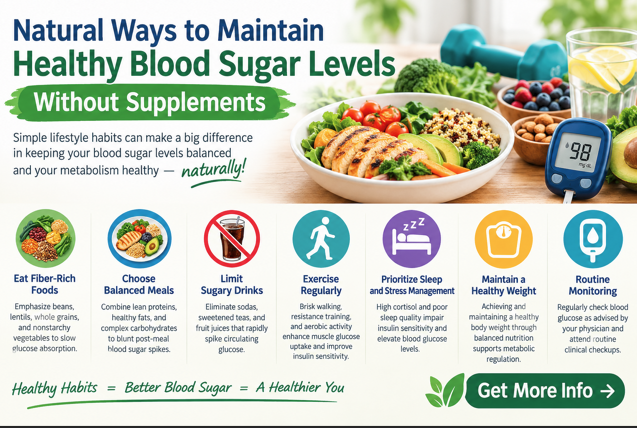
Sustainable lifestyle habits remain the most powerful and evidence-based toolkit for long-term metabolic health.
- Eat Fiber-Rich Foods: Emphasize beans, lentils, whole grains, and nonstarchy vegetables to slow glucose absorption.
- Choose Balanced Meals: Combine lean proteins, healthy fats, and complex carbohydrates to blunt post-meal blood sugar spikes.
- Limit Sugary Drinks: Eliminate sodas, sweetened teas, and fruit juices that rapidly spike circulating glucose.
- Exercise Regularly: Brisk walking, resistance training, and aerobic activity enhance muscle glucose uptake and improve insulin sensitivity for hours afterward.
- Prioritize Sleep and Stress Management: High cortisol and poor sleep quality impair insulin sensitivity and elevate blood glucose levels.
- Maintain a Healthy Weight: Achieving and maintaining a healthy body weight through balanced nutrition supports metabolic regulation.
- Routine Monitoring: Regularly check blood glucose as advised by your physician and attend routine clinical checkups.
How to Know Whether Your Blood Sugar Is Healthy
Clinical diagnostics provide objective benchmarks to evaluate metabolic health.
- Fasting Blood Glucose: Measured after an overnight fast (at least 8 hours). Normal is typically under $100\text{ mg/dL}$, prediabetes ranges from $100$ to $125\text{ mg/dL}$, and diabetes is diagnosed at $126\text{ mg/dL}$ or higher.
- HbA1c Test: Reflects average blood sugar over the past two to three months. Normal is below $5.7\%$, prediabetes is $5.7\%$ to $6.4\%$, and diabetes is $6.5\%$ or higher.
- When to See a Professional: Schedule an appointment with a primary care physician or endocrinologist if you experience persistent symptoms of fatigue, increased thirst, frequent urination, or if routine screening indicates elevated glucose levels.
Explore the Formula, Read the Reviews, Make an Informed Choice.
Frequently Asked Questions About Supplements for Blood Sugar
What is the best supplement for blood sugar control?
No single supplement is universally recognized as the “best.” While berberine and chromium are widely studied, evidence varies, and clinical guidelines do not recommend routine supplementation for glucose control without a specific indication.
Can supplements lower blood sugar naturally?
Some compounds like berberine or soluble fiber can modestly influence glucose metabolism, but they are not proven to replace medical treatment or address the underlying drivers of metabolic dysfunction on their own.
Does berberine help maintain healthy blood sugar levels?
Clinical studies suggest berberine can support healthy fasting glucose and HbA1c levels, but gastrointestinal side effects and significant drug interactions require careful professional oversight.
Is magnesium good for blood sugar regulation?
Magnesium supports insulin receptor function, but supplementation primarily benefits individuals who have a diagnosed or suspected magnesium deficiency.
Does cinnamon help lower blood glucose?
Results from clinical trials on cinnamon are mixed. While some small studies show modest improvements, large-scale evidence is insufficient to endorse it as an effective standalone treatment.
Can vitamin D deficiency affect blood sugar?
Yes. Low vitamin D status is correlated with impaired insulin secretion, though routine supplementation does not reliably improve glycemic control in people with normal vitamin D levels.
What vitamins should people with diabetes take?
According to the American Diabetes Association’s 2026 Standards of Care, routine vitamin, mineral, or herbal supplementation is not recommended for improving blood glucose in people with diabetes unless an identified deficiency exists.
Can I take blood sugar supplements with metformin?
Many supplements can interact with metformin or alter liver enzymes. You must consult your physician or pharmacist before combining supplements with prescription medications.
Are blood sugar supplements safe for long-term use?
Long-term safety data is lacking for many herbal extracts and high-dose botanical supplements, making professional medical guidance essential.
Can supplements reverse prediabetes or diabetes?
No dietary supplement can cure or reverse prediabetes or diabetes. True reversal or long-term remission is achieved primarily through sustained lifestyle interventions, dietary changes, weight management, and medical supervision.
Final Thoughts on Supplements for Healthy Blood Sugar Levels
While exploring natural options is understandable, the scientific evidence shows that dietary supplements are not a shortcut to stable glucose control. Correcting documented nutrient deficiencies is valuable, but botanical extracts and vitamins cannot substitute for nutritious whole foods, regular physical activity, blood glucose monitoring, and individualized medical care. Always partner with a healthcare professional to build a safe, evidence-based strategy tailored to your unique metabolic needs.