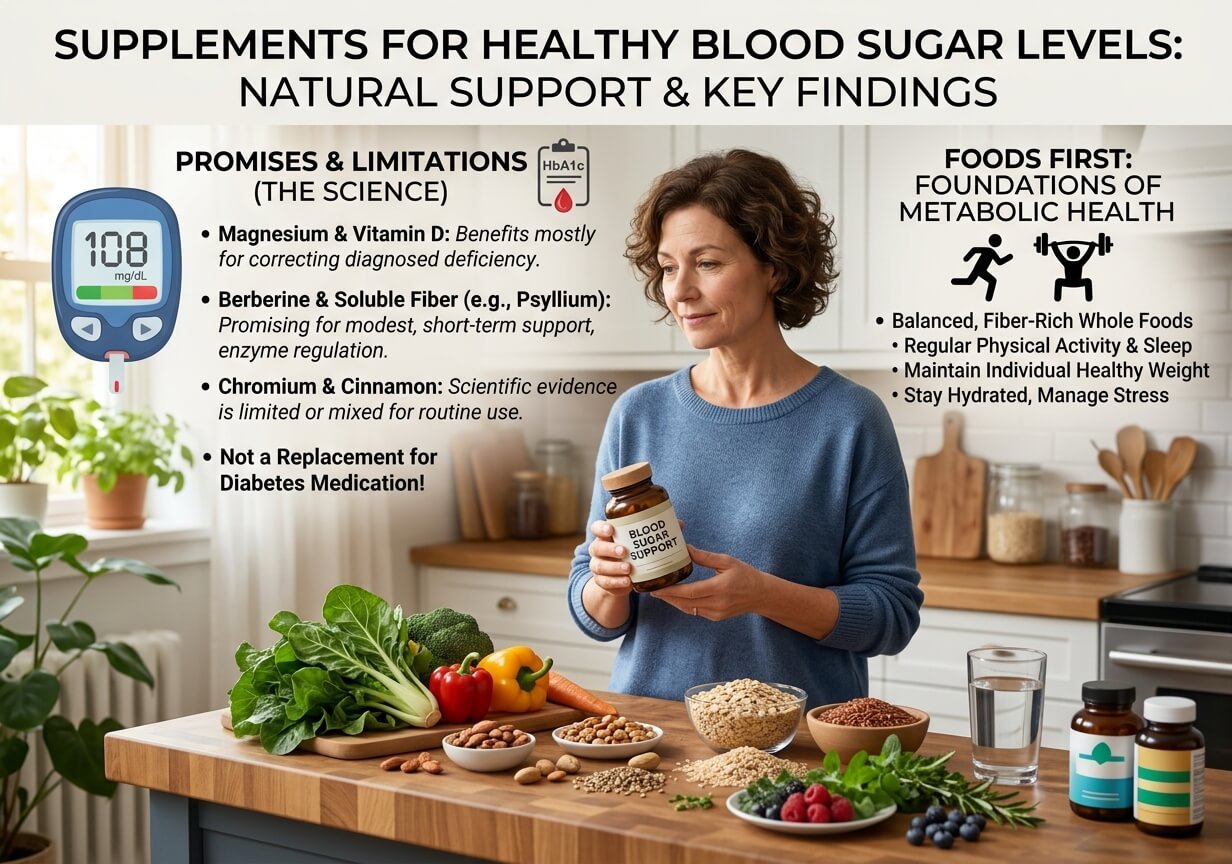
Navigating blood sugar management can feel overwhelming, especially with countless products claiming to promote healthy glucose metabolism. While certain dietary supplements are studied for their potential effects on blood sugar, scientific evidence varies significantly by ingredient. Correcting an underlying nutritional deficiency can be beneficial for overall health, but supplements are not a proven replacement for standard diabetes treatment or medical care. Organizations like the National Institutes of Health’s National Center for Complementary and Integrative Health (NCCIH) and the American Diabetes Association highlight that research on many popular blood sugar supplements is limited and does not support definitive conclusions for treating or reversing diabetes. Understanding what science actually says helps you make informed, safe choices for your metabolic health.
Can Supplements Help Maintain Healthy Blood Sugar Levels?
How blood glucose regulation works
Blood glucose regulation is a continuous, highly coordinated physiological process designed to keep circulating sugar in the bloodstream within a narrow, healthy range. When you consume carbohydrates, your digestive system breaks them down into glucose, which enters the bloodstream. In response, the pancreas releases insulin, signaling cells throughout the body—particularly in muscle, liver, and fat tissue—to absorb glucose for immediate energy or store it for later use. When this system functions smoothly, blood sugar levels rise modestly after meals and return to baseline within a couple of hours.
What insulin and insulin sensitivity do
Insulin acts as a molecular key that unlocks cellular receptors, allowing glucose to pass from the blood into cells. Insulin sensitivity refers to how responsive your cells are to the action of insulin. When insulin sensitivity is high, a small amount of insulin is sufficient to clear glucose from the bloodstream. Conversely, when cells become resistant to insulin—a state known as insulin resistance—the pancreas must produce increasingly larger amounts of insulin to achieve the same effect, eventually straining pancreatic function and impacting glucose metabolism.
The difference between normal blood sugar, prediabetes, and diabetes
Clinical guidelines distinguish metabolic health status using specific blood tests, such as fasting plasma glucose and hemoglobin A1c (HbA1c) tests:
- Normal Blood Sugar: Fasting blood glucose under 100 mg/dL and HbA1c below 5.7%.
- Prediabetes: Fasting blood glucose between 100 and 125 mg/dL or HbA1c between 5.7% and 6.4%, indicating elevated risk for developing type 2 diabetes.
- Diabetes: Fasting blood glucose of 126 mg/dL or higher on two separate tests or an HbA1c of 6.5% or greater.
What scientific research says about natural blood sugar supplements
While numerous botanical extracts and micronutrients are marketed as supplements for insulin resistance and healthy glucose levels, clinical research presents a mixed picture. Most studies are small, short-term, or utilize varying supplement formulations. Major health authorities emphasize that while certain compounds may offer modest adjunctive support, none should be viewed as a standalone cure or a replacement for medical therapy.
7 Supplements That May Support Healthy Blood Sugar Levels
1. Magnesium
Magnesium is an essential mineral involved in over 300 enzymatic reactions, including magnesium for blood sugar regulation and cellular energy production. It acts as a cofactor for enzymes that metabolize glucose. Individuals with magnesium deficiency often experience impaired insulin sensitivity. While correcting a deficiency supports normal metabolic function, routine supplementation does not automatically improve glucose levels in individuals who already have adequate magnesium status.
- Key Focus: Dietary sources include dark leafy greens, nuts, seeds, and whole grains.
2. Chromium
Chromium is an essential trace mineral frequently marketed in the form of chromium picolinate for blood sugar control. Proponents suggest it enhances insulin binding and cellular glucose uptake. However, clinical research regarding chromium supplements for insulin resistance has yielded inconsistent results. The American Diabetes Association notes that there is currently insufficient clinical evidence to recommend routine chromium supplementation for improving glycemic outcomes in people with diabetes.
3. Cinnamon
Cinnamon, particularly Cassia and Ceylon varieties, has been studied for its potential to mimic insulin and slow gastric emptying, thereby blunting post-meal glucose spikes. While some small trials show modest reductions in fasting blood glucose, other larger studies report mixed findings. Furthermore, consuming large amounts of certain cinnamon varieties can introduce health risks due to coumarin content, making concentrated extracts different from culinary use.
4. Berberine
Berberine is a bioactive compound extracted from plants such as Berberis. It has gained popularity for its impact on metabolic pathways, particularly activating an enzyme called AMPK (adenosine monophosphate-activated protein kinase), which helps regulate cellular energy. While clinical studies suggest berberine for blood sugar management can be promising, users must navigate significant product variability, potential digestive side effects (such as cramping or diarrhea), and critical drug interactions. Berberine can affect liver enzymes and should never be used as an unmonitored substitute for prescribed glucose-lowering medications.
5. Vitamin D
Vitamin D receptors are present in pancreatic beta cells and peripheral tissues, establishing a strong physiological link between vitamin D and blood sugar. Observational studies frequently associate low vitamin D levels with an increased risk of insulin resistance and type 2 diabetes. However, clinical trials investigating vitamin D supplements for prediabetes and diabetes have generally shown that supplementation improves glucose metabolism primarily in individuals who are clinically deficient, rather than serving as a universal glucose-control strategy.
6. Soluble Fiber and Psyllium Husk
Soluble fiber—including psyllium husk, beta-glucan, and pectin—dissolves in water to form a gel-like substance in the digestive tract. This slows digestion and delays the absorption of carbohydrates, leading to more gradual post-meal blood glucose responses. Incorporating psyllium husk for blood sugar management requires adequate water intake to prevent gastrointestinal discomfort, and fiber supplements should be timed carefully so they do not interfere with the absorption of oral medications.
7. Alpha-Lipoic Acid (ALA)
Alpha-lipoic acid is a potent antioxidant synthesized naturally in the body and found in foods like spinach and broccoli. Research into alpha-lipoic acid for diabetes has largely focused on its ability to alleviate symptoms of diabetic peripheral neuropathy (nerve discomfort, burning, and numbness). While clinical evidence supports its role in managing oxidative stress and neuropathy symptoms, evidence demonstrating that ALA significantly lowers long-term blood glucose levels remains insufficient.
Which Natural Blood Sugar Supplements Have the Strongest Scientific Evidence?
Supplements with promising but limited research
Compounds like berberine and certain soluble fibers demonstrate the most consistent short-term effects in clinical trials regarding post-meal glucose attenuation or metabolic enzyme activation. However, researchers emphasize the need for larger, long-term randomized controlled trials (RCTs) to establish standardized dosages and verify safety profiles across diverse populations.
Supplements that may help address a documented nutrient deficiency
Micronutrients such as magnesium and vitamin D demonstrate clear clinical benefits when used to correct confirmed biochemical deficiencies. Restoring normal nutrient status optimizes baseline cellular function, indirectly supporting healthy glucose metabolism.
Supplements without convincing evidence for glucose control
Despite widespread marketing, ingredients like chromium and certain herbal blends lack robust, reproducible clinical backing for lowering HbA1c or reversing insulin resistance in well-nourished individuals. NCCIH reports that available research on cinnamon and chromium is not strong enough to support definite conclusions for blood sugar control.
Why supplement studies sometimes produce conflicting results
Discrepancies in clinical trial outcomes often arise due to variations in supplement purity, chemical formulation, dosage sizes, participant baseline health status, diet, and study duration.
How to evaluate clinical trials and systematic reviews
When examining scientific literature, prioritize systematic reviews and meta-analyses over isolated, small-scale animal or human trials. Look for studies that are double-blind, placebo-controlled, and published in peer-reviewed medical journals.
How to Choose a Blood Sugar Support Supplement Safely
Read the Supplement Facts label carefully
Always examine the Supplement Facts panel to identify active ingredients, inactive excipients, and total serving sizes. This ensures you understand exactly what you are ingesting.
Check ingredient amounts and proprietary blends
Avoid products that hide individual ingredient quantities inside “proprietary blends.” Transparent labeling ensures you know whether an ingredient is present in a clinically studied dose or merely included as “window dressing.”
Look for independent quality testing where available
Because dietary supplements are not tightly regulated prior to market release in the same manner as pharmaceuticals, look for third-party certification seals from organizations such as USP (United States Pharmacopeia), NSF International, or ConsumerLab to verify purity, potency, and freedom from contaminants.
Understand possible interactions with diabetes medication
Many natural compounds possess blood-sugar-lowering properties that can synergize with prescription medications, drastically increasing the risk of dangerous drug interactions or low blood sugar episodes.
Ask a healthcare professional about kidney or liver conditions
Individuals with compromised kidney or liver function should exercise extreme caution, as filtering high-dose botanicals or minerals can place undue stress on vital organs.
Avoid products promising a diabetes cure or medication replacement
Legitimate health products will never claim to “cure diabetes” or encourage patients to discontinue prescribed medical therapies without physician oversight.
Potential Side Effects and Risks of Blood Sugar Supplements
Low blood sugar (hypoglycemia) and medication interactions
Combining glucose-lowering supplements with insulin or oral hypoglycemic agents (such as sulfonylureas or metformin) can precipitate hypoglycemia, characterized by shakiness, dizziness, sweating, and confusion.
Digestive side effects and allergic reactions
Gastrointestinal distress, including nausea, bloating, gas, and diarrhea, is common with herbal extracts like berberine and high-dose mineral supplements. Allergic skin rashes or respiratory sensitivities can also occur.
Risks of taking high doses of vitamins and minerals
Megadosing fat-soluble vitamins (like vitamin D) or trace minerals can lead to toxicity, organ damage, and metabolic imbalances over time.
Supplement quality, contamination, and inaccurate product claims
Unregulated supply chains occasionally introduce heavy metal contamination, undeclared pharmaceutical adulterants, or mislabeled active ingredients into commercial supplements.
Who should avoid self-prescribing supplements?
Pregnant or breastfeeding individuals, children, individuals with chronic liver or kidney disease, and patients managing complex medication regimens should avoid self-prescribing blood sugar supplements.
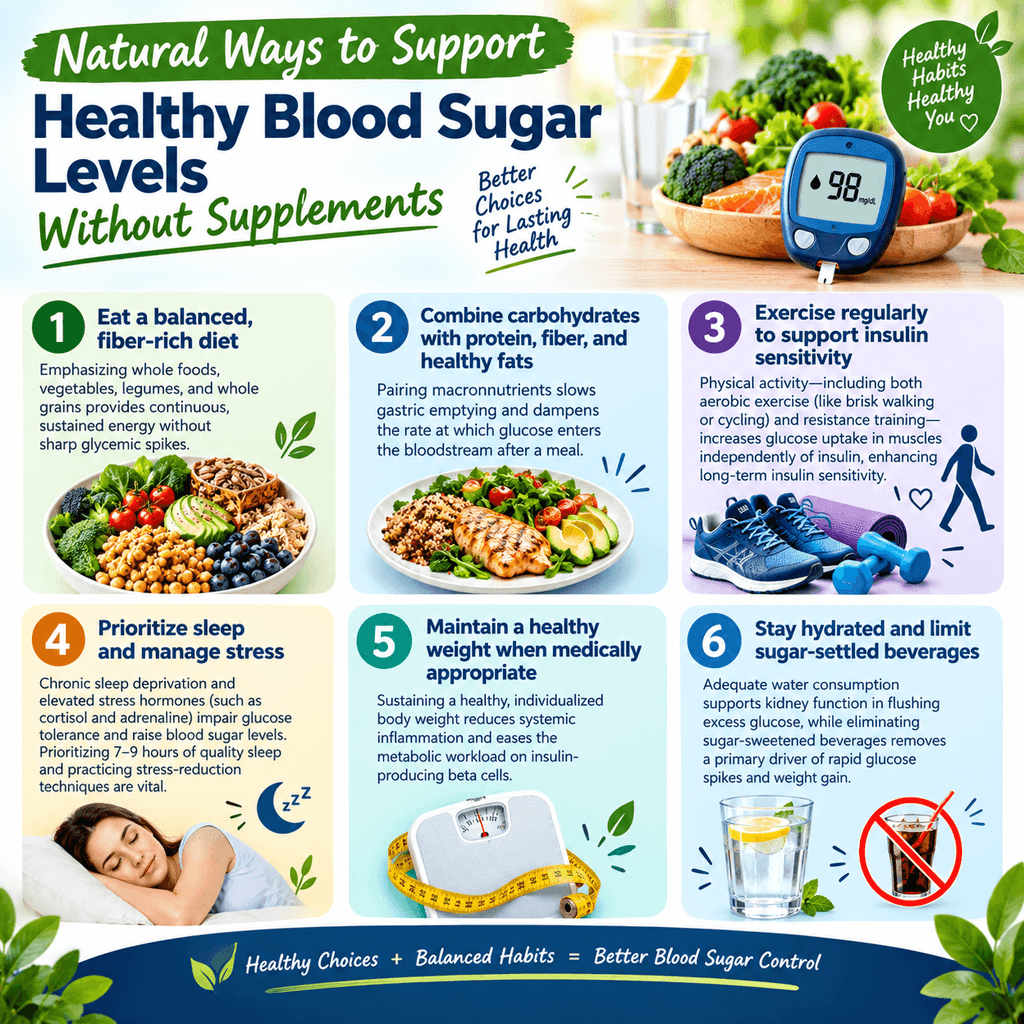
Natural Ways to Support Healthy Blood Sugar Levels Without Supplements
Eat a balanced, fiber-rich diet
Emphasizing whole foods, vegetables, legumes, and whole grains provides continuous, sustained energy without sharp glycemic spikes.
Combine carbohydrates with protein, fiber, and healthy fats
Pairing macronutrients slows gastric emptying and dampens the rate at which glucose enters the bloodstream after a meal.
Exercise regularly to support insulin sensitivity
Physical activity—including both aerobic exercise (like brisk walking or cycling) and resistance training—increases glucose uptake in muscles independently of insulin, enhancing long-term insulin sensitivity.
Prioritize sleep and manage stress
Chronic sleep deprivation and elevated stress hormones (such as cortisol and adrenaline) impair glucose tolerance and raise blood sugar levels. Prioritizing 7–9 hours of quality sleep and practicing stress-reduction techniques are vital.
Maintain a healthy weight when medically appropriate
Sustaining a healthy, individualized body weight reduces systemic inflammation and eases the metabolic workload on insulin-producing beta cells.
Stay hydrated and limit sugar-settled beverages
Adequate water consumption supports kidney function in flushing excess glucose, while eliminating sugar-sweetened beverages removes a primary driver of rapid glucose spikes and weight gain.
Monitor blood glucose when recommended by a healthcare professional
Regular tracking via home glucometers or continuous glucose monitors (CGMs), under clinical guidance, provides invaluable real-time feedback on how specific meals and activities impact your glucose trends.
What Foods Provide Nutrients for Healthy Glucose Metabolism?
Magnesium-rich foods: nuts, seeds, legumes, and leafy greens
Almonds, pumpkin seeds, black beans, spinach, and Swiss chard offer rich dietary magnesium to support foundational enzymatic health.
Fiber-rich foods: oats, beans, lentils, and vegetables
Soluble and insoluble fiber found in steel-cut oats, lentils, chickpeas, and cruciferous vegetables promote slow digestion and satiety.
Protein sources and balanced meals
Lean poultry, fish, tofu, eggs, and Greek yogurt provide essential amino acids while helping stabilize overall post-meal glycemic responses.
Foods containing vitamin D and chromium
Fatty fish (like salmon), egg yolks, fortified dairy or plant milks, broccoli, and whole grains provide natural dietary quantities of vitamin D and trace chromium.
Whole foods versus concentrated supplements
Whole foods deliver a synergistic matrix of vitamins, minerals, antioxidants, and fiber that isolated supplements cannot replicate, making food-first nutrition the cornerstone of metabolic wellness.
When Should You Check Your Blood Sugar or See a Doctor?
Common symptoms of high blood sugar
Frequent urination, excessive thirst, unexplained fatigue, blurred vision, and slow-healing sores can indicate persistently elevated blood glucose.
When to ask about fasting blood glucose and HbA1c testing
Understanding prediabetes and type 2 diabetes
Recognizing early shifts in metabolic markers allows for proactive lifestyle interventions that can halt or reverse the progression from prediabetes to type 2 diabetes.
Why supplements should not delay medical evaluation
Relying on over-the-counter remedies instead of seeking professional medical diagnosis can delay essential treatment for progressive metabolic conditions, increasing long-term health risks.
Discover the formula, potential benefits, and important safety considerations.
Frequently Asked Questions
3.1 What supplements support healthy blood sugar levels naturally?
Several dietary supplements are studied for supporting glucose metabolism, including magnesium, chromium, cinnamon, berberine, vitamin D, soluble fiber, and alpha-lipoic acid. While research suggests some ingredients may offer modest metabolic support, scientific evidence varies widely. Supplements should complement, not replace, a healthy diet, regular exercise, and professional medical guidance.
3.2 What is the best vitamin for healthy blood sugar levels?
Vitamin D is frequently studied for its role in metabolic health, as vitamin D deficiency is associated with insulin resistance. Correcting a diagnosed vitamin D deficiency supports normal cellular function. However, no single vitamin serves as a universal cure-all or proven standalone treatment for managing blood glucose levels in well-nourished individuals.
3.3 Does magnesium help maintain healthy blood glucose?
Magnesium plays a critical role in normal glucose metabolism and insulin receptor function. Individuals with adequate magnesium levels benefit from proper enzymatic activity. While correcting a deficiency can support metabolic health, routine magnesium supplementation does not consistently lower blood sugar in people who already have normal magnesium status.
3.4 Can cinnamon supplements help regulate blood sugar?
Some clinical trials suggest cinnamon may modestly support post-meal glucose responses and insulin sensitivity. However, research findings remain mixed, and concentrated supplements differ significantly from culinary spice use. Major health organizations note that evidence is currently insufficient to recommend cinnamon as a primary treatment for diabetes.
3.5 Is berberine effective for blood sugar support?
Berberine is a plant-derived compound shown in clinical studies to influence metabolic pathways and support healthy glucose metabolism. While promising, it exhibits significant product variability, can cause digestive side effects, and carries important drug interactions. It should never be used as an unmonitored substitute for prescribed medications.
3.6 Does chromium help with insulin sensitivity?
Chromium is a trace mineral often marketed to support insulin action. Although some early studies showed potential benefits, comprehensive reviews and major health organizations indicate that clinical evidence supporting routine chromium supplementation for glycemic control is lacking and inconclusive.
3.7 Can vitamin D deficiency affect glucose metabolism?
Yes, vitamin D deficiency is closely linked to impaired insulin sensitivity and a higher risk of metabolic dysfunction. Pancreatic cells have vitamin D receptors, making adequate vitamin D levels important for overall metabolic health, though supplementation primarily benefits those with confirmed deficiencies.
3.8 Does psyllium husk help with post-meal blood sugar?
Psyllium husk is a soluble fiber that forms a gel in the digestive tract, slowing carbohydrate absorption and helping blunt post-meal glucose and insulin spikes. When taken with adequate water, fiber supplements can be an effective dietary adjunct for managing blood sugar responses.
3.9 What foods naturally support healthy blood sugar levels?
Whole foods rich in fiber, healthy fats, lean protein, and key minerals—such as leafy greens, nuts, seeds, legumes, oats, and fatty fish—naturally support steady glucose metabolism. A food-first approach provides essential nutrients and antioxidants without the risks associated with concentrated high-dose supplements.
3.10 Are blood sugar support supplements safe to take daily?
Daily safety depends on the specific ingredient, dosage, and individual health status. While certain vitamins or fiber supplements are generally safe when used correctly, others can cause side effects, toxicity at high doses, or dangerous interactions with prescription diabetes medications. Always consult a healthcare professional.
3.11 Can supplements replace diabetes medication?
No. Dietary supplements are classified as complementary products and are not approved drugs. They cannot safely or effectively replace prescribed diabetes medications such as insulin or oral hypoglycemic agents. Stopping medication in favor of supplements can lead to severe hyperglycemia and dangerous medical complications.
3.12 What is the difference between blood sugar supplements and diabetes medication?
Prescription diabetes medications are rigorously tested, FDA-regulated drugs designed to treat diagnosed medical conditions by directly lowering blood glucose or restoring insulin function. Blood sugar supplements are over-the-counter wellness products intended to provide nutritional support, with much more limited scientific oversight and regulation.
3.13 How can you support healthy blood sugar without supplements?
Healthy blood sugar can be effectively supported through lifestyle foundations, including eating a balanced diet rich in fiber and whole foods, pairing carbohydrates with protein and healthy fats, exercising regularly, prioritizing quality sleep, managing stress, staying hydrated, and maintaining a healthy weight.
3.14 When should you have your blood sugar and HbA1c tested?
You should request blood glucose and HbA1c testing if you experience symptoms of high blood sugar (such as extreme thirst or frequent fatigue) or if you have risk factors like prediabetes, family history, or high blood pressure. Regular screenings help catch metabolic changes early for proactive management.
Final Thoughts on Supplements for Healthy Blood Sugar Levels
Correcting an underlying nutritional deficiency can contribute to overall wellness, but taking supplements specifically to control blood glucose requires careful evaluation. Scientific evidence indicates that while certain botanical extracts and micronutrients may offer modest, adjunctive support, they cannot replace evidence-based medical care, prescribed treatments, or healthy lifestyle habits. Prioritizing a whole-food diet, regular physical activity, and open communication with a qualified healthcare professional remains the safest, most effective strategy for achieving and maintaining long-term metabolic health.