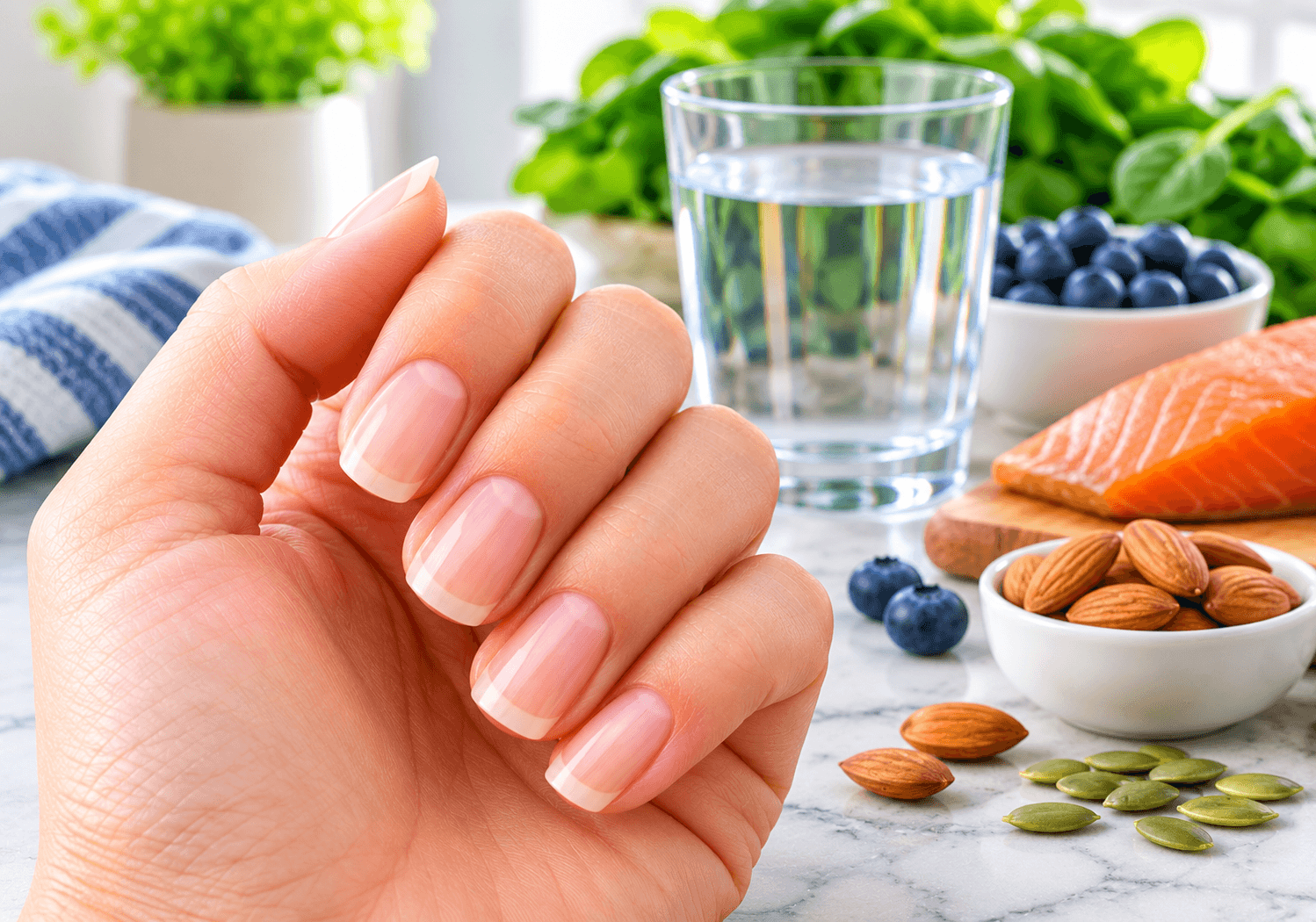
If you are searching for the best vitamins and supplements for stronger nails, you are not alone. Brittle, peeling, or slow-growing nails are a common frustration, especially as we age or push our bodies through intense training and dietary changes. As a certified strength and conditioning coach, I see clients focus heavily on muscle recovery and joint health, but often overlook the small details that reflect overall nutritional status.
Your nails are made of keratin, a structural protein that requires specific micronutrients to grow properly. When your diet lacks these essential building blocks, your nail matrix suffers, leading to ridges, splitting, and breakage. This is especially true if you regularly lift weights over 135 lb (61.2 kg) or grip a pull-up bar, as your nails take direct mechanical stress. Healthy nails prevent painful tears that can sideline your training.
This guide breaks down the science behind nail health and highlights the best vitamins and supplements for stronger nails, backed by clinical research and practical coaching experience. We will cover exact dosages, what to look for on labels, and how to build a routine that actually works.
Quick Answer
Quick Answer: The best vitamins and supplements for stronger nails include biotin (2,500–5,000 mcg daily), hydrolyzed collagen peptides (10–15 grams daily), and a balanced multivitamin containing zinc, iron, and vitamin E. These nutrients support keratin production, improve nail hydration, and reduce brittleness. Always choose third-party tested brands and consult a healthcare provider before starting new supplements, especially if you have underlying health conditions.
Why Nails Get Brittle: The Science of Nail Health
To fix brittle nails, you must first understand how they grow. Fingernails grow from the nail matrix, a specialized area of tissue just under the cuticle. On average, fingernails grow about 0.12 inches (0.3 cm) per month, while toenails grow at about half that rate. This continuous growth demands a steady supply of amino acids, vitamins, and minerals.
When your body experiences a nutritional deficit, it prioritizes vital organs over peripheral structures like hair and nails. This survival mechanism means your nails are often the first place to show signs of a dietary shortfall. Common causes of brittle nails include:
- Aging: Natural collagen and moisture production decline after age 40, leading to thinner, more fragile nail plates.
- Nutritional Deficiencies: Low levels of iron, zinc, or B vitamins directly impair keratin synthesis.
- Environmental Stress: Frequent hand washing, harsh cleaning chemicals, and gel manicures strip the nail bed of natural oils.
- Thyroid Issues: Hypothyroidism is clinically linked to dry, brittle nails and slowed growth rates.
Addressing the root cause through targeted nutrition is the most effective long-term strategy. While topical treatments can seal moisture temporarily, internal supplementation provides the raw materials your body needs to build resilient nails from the inside out.
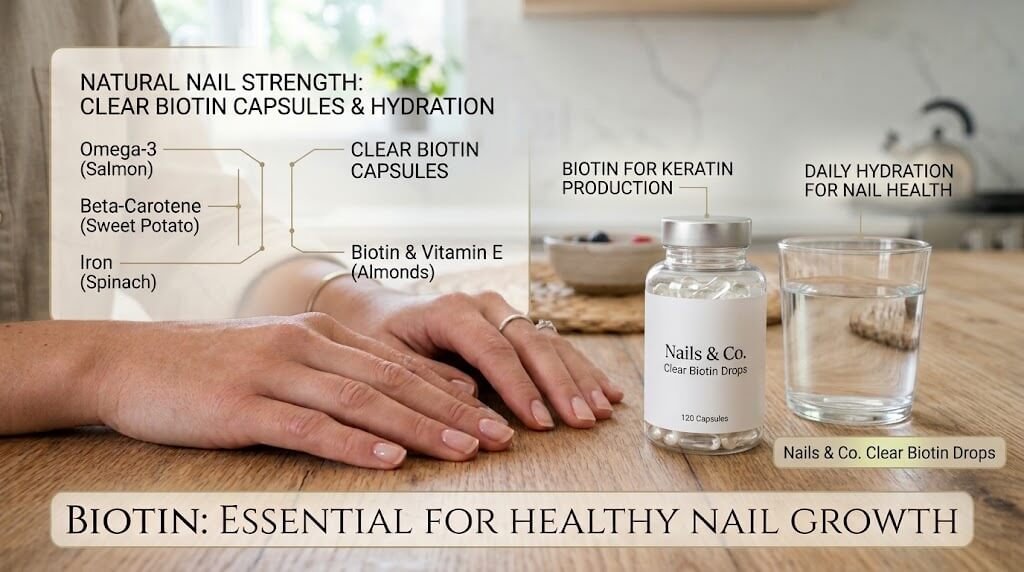
Top 8 Best Vitamins and Supplements for Stronger Nails
Not all supplements are created equal. Below is a detailed breakdown of the most evidence-backed nutrients for nail health, including who they are for, optimal dosages, and practical coaching advice.
1. Biotin (Vitamin B7)
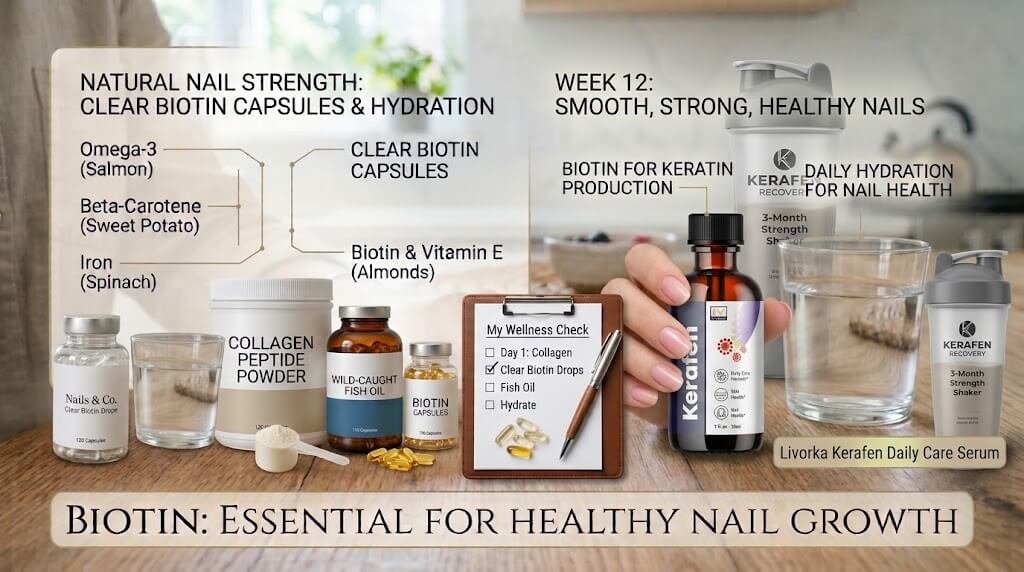
Biotin is the most famous nutrient for hair and nail health. It acts as a coenzyme in the body, helping to metabolize fats, carbohydrates, and proteins. More importantly, it plays a direct role in the production of keratin.
- Who it’s for: Individuals with clinically brittle, splitting, or soft nails.
- Key Features & Dosage: Look for standalone biotin or a B-complex. The research-backed dosage for nail strength is 2,500 to 5,000 mcg (micrograms) per day.
- Pros: Highly studied for nail thickness; water-soluble, so excess is excreted in urine.
- Cons: Can interfere with certain laboratory blood tests, including thyroid and troponin (heart attack) markers.
- Coach’s Tip: If you are actively dieting, ensuring you get the best vitamins for energy while dieting often includes a robust B-complex, which naturally covers your biotin needs while supporting your nutrients support normal energy metabolism.
2. Hydrolyzed Collagen Peptides
Collagen is the most abundant protein in the human body, providing structural support to skin, bones, and nails. As we age, natural collagen production drops, leading to weaker nail beds.
- Who it’s for: Adults over 40, athletes with high joint stress, and those noticing thinning nail plates.
- Key Features & Dosage: Choose hydrolyzed (broken down) Type I and Type III collagen peptides for maximum absorption. The effective dose is 10 to 15 grams per day.
- Pros: Supports nails, skin elasticity, and joint health simultaneously; mixes easily into liquids.
- Cons: Most sources are bovine or marine, making them unsuitable for strict vegans (though vegan “collagen builders” exist).
- Common Mistake: Taking collagen with a low-protein diet. Collagen is not a complete protein. You still need adequate dietary protein (like whey or lean meats) to provide all essential amino acids for tissue repair
- Who it’s for: Women of childbearing age, vegetarians/vegans, and individuals with diagnosed low ferritin levels.
- Key Features & Dosage: Ferrous bisglycinate is a highly absorbable, gentle form of iron. Dosage should be guided by a blood test, typically ranging from 18 mg to 27 mg daily for maintenance.
- Pros: Directly addresses the root cause of spoon nails and fatigue.
- Cons: Can cause gastrointestinal distress or constipation if the wrong form is used or if taken on an empty stomach.
- Coach’s Tip: Always pair iron supplements with 500 mg of Vitamin C (like a squeeze of lemon or an orange) to boost absorption by up to 300%. Avoid taking iron with calcium or coffee, as they block absorption.
4. Zinc
Zinc is a crucial trace mineral involved in over 300 enzymatic reactions, including DNA synthesis and cell division. The nail matrix is one of the most rapidly dividing cell populations in the body, making it highly dependent on adequate zinc levels.
- Who it’s for: People with vertical nail ridges, white spots on nails, or slow wound healing.
- Key Features & Dosage: Zinc picolinate or zinc citrate (15–30 mg daily) offers superior bioavailability compared to zinc oxide.
- Pros: Supports immune function and skin health alongside nail strength.
- Cons: High doses (over 40 mg daily) over long periods can deplete copper levels in the body, leading to neurological issues.
- Common Mistake: Taking high-dose zinc on an empty stomach, which frequently causes immediate nausea. Always take zinc with a solid meal.
5. Vitamin E
Vitamin E is a powerful fat-soluble antioxidant. It protects the cells in the nail matrix from oxidative stress caused by free radicals, UV exposure, and environmental toxins.
- Who it’s for: Individuals with dry, peeling nails and damaged cuticles.
- Key Features & Dosage: Look for “mixed tocopherols” (not just synthetic dl-alpha-tocopherol). A standard dose is 15 mg (22.4 IU) daily, though many supplements offer 100–200 IU.
- Pros: Enhances cuticle health and prevents nail plate oxidation and yellowing.
- Cons: High doses can act as a blood thinner, which is a risk for individuals on anticoagulant medications.
6. Omega-3 Fatty Acids
While not a vitamin, Omega-3s (EPA and DHA) are essential fats that the body cannot produce on its own. They are critical for maintaining the lipid barrier of the nail bed, locking in moisture and preventing brittleness.
- Who it’s for: Anyone with dry, flaking nails and inflamed, red cuticles.
- Key Features & Dosage: High-quality fish oil or algae oil (for vegans). Aim for a combined EPA and DHA total of 1,000 to 2,000 mg daily.
- Pros: Reduces systemic inflammation, supports heart and brain health, and deeply hydrates the nail bed.
- Cons: Low-quality fish oil can oxidize (go rancid), causing a fishy aftertaste and providing no benefit.
- Coach’s Tip: Storing your fish oil in the refrigerator and choosing brands that support metabolism naturally through high-quality lipid profiles ensures you get the anti-inflammatory benefits without the digestive upset.
7. Silica (Horsetail Extract)
Silica is a trace mineral that acts as a cross-linking agent, helping to bind collagen fibers together. This gives the nail plate its structural integrity and resistance to bending or snapping.
- Who it’s for: People with nails that bend easily or peel in layers (onychoschizia).
- Key Features & Dosage: Orthosilicic acid (ch-OSA) or standardized horsetail extract (providing 10–20 mg of elemental silica daily).
- Pros: Clinically shown to improve nail firmness and reduce roughness.
- Cons: Horsetail extract contains trace amounts of thiaminase, which can break down Vitamin B1, so it should be taken cyclically or as a stabilized ch-OSA supplement.
8. Comprehensive Nail Multivitamins
For those who prefer a single daily pill, a targeted nail multivitamin combines several of the above ingredients into one formula.
- Who it’s for: Busy individuals who want a simplified routine without buying multiple bottles.
- Key Features & Dosage: Should contain at least 2,500 mcg biotin, 10 mg zinc, and a blend of vitamins A, C, and E.
- Pros: Convenient and ensures baseline coverage of multiple essential nutrients.
- Cons: Dosages of individual ingredients are often lower than standalone supplements, and they may contain unnecessary fillers.
- Coach’s Tip: If you are evaluating a multivitamin, ensure you know which vitamins support metabolism when you have a deficiency, as a good multivitamin should cover your foundational needs without megadosing a single nutrient. You can also explore how certain supplements may support weight management safely if you are looking for a multi-purpose daily formula.
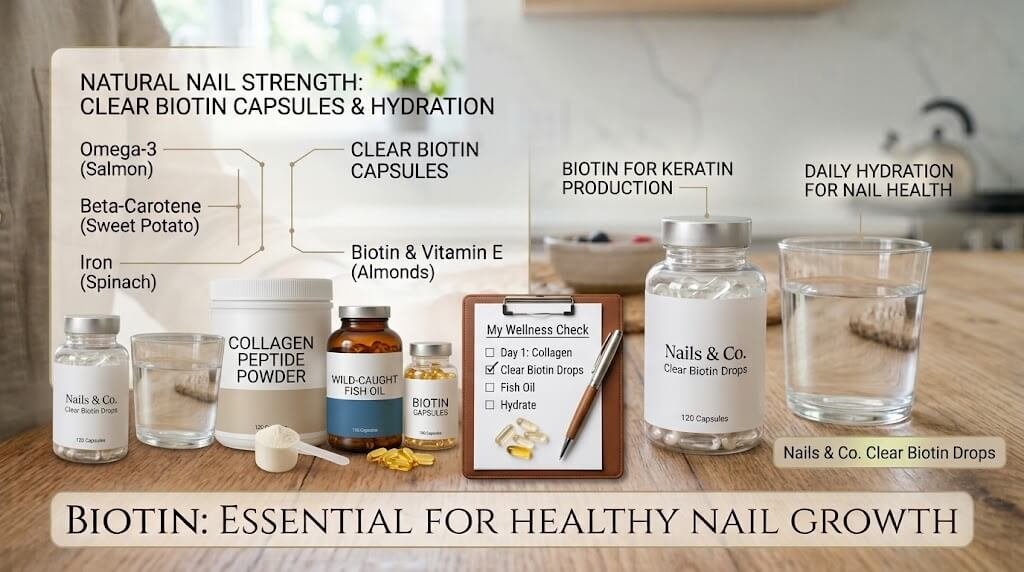
Supplement Comparison Table
| Supplement | Key Active Ingredient | Best For | Daily Dosage | Price Range |
| Biotin | Vitamin B7 | Brittle, splitting nails | 2,500–5,000 mcg | ––$ |
| Collagen Peptides | Type I & III Hydrolyzed Collagen | Thinning nails, aging | 10–15 grams | ––$ |
| Iron | Ferrous Bisglycinate | Spoon nails, fatigue | 18–27 mg (if deficient) | ––$ |
| Zinc | Zinc Picolinate | Vertical ridges, slow growth | 15–30 mg | $ |
| Vitamin E | Mixed Tocopherols | Dry, peeling cuticles | 15–100 mg (22–150 IU) | ––$ |
| Omega-3s | EPA/DHA (Fish or Algae Oil) | Dry, flaking nail beds | 1,000–2,000 mg | ––$ |
| Silica | Ch-OSA / Horsetail Extract | Soft, bending nails | 10–20 mg elemental silica | $$ |
| Nail Multivitamin | Blended B-vitamins, Zinc, Biotin | Simplified daily routine | 1–2 capsules | ––$ |
How to Choose the Best Vitamins and Supplements for Stronger Nails
The supplement industry is notoriously under-regulated. To ensure you are getting a product that is safe and effective, use this buyer’s checklist before making a purchase.
- Third-Party Testing: Look for seals from NSF International, USP (United States Pharmacopeia), or Informed Choice. This guarantees the product contains what the label claims and is free from heavy metals like lead or mercury.
- Ingredient Transparency: Avoid “proprietary blends” that hide the exact dosages of each ingredient. You need to know if you are getting a clinically effective dose of biotin or just a dusting.
- Dietary Restrictions: Check for certifications like Vegan, Gluten-Free, or Non-GMO if these align with your lifestyle. For example, marine collagen is not suitable for vegans, who should opt for silica or a vegan “collagen builder” with Vitamin C and amino acids.
- Form and Bioavailability: The chemical form of the mineral matters. Zinc picolinate is absorbed much better than zinc oxide. Ferrous bisglycinate is gentler on the stomach than ferrous sulfate.
- Budget vs. Value: While it is tempting to buy the cheapest option, extremely low-priced supplements often use poorly absorbed forms of vitamins. Investing in a mid-tier, third-party tested brand offers the best return on investment for your health.
How We Picked: Our Evaluation Criteria
Our recommendations are not based on marketing hype. We evaluated supplements based on four strict criteria:
- Scientific Backing: Each recommended nutrient has peer-reviewed research supporting its role in keratin synthesis or nail matrix health.
- Clinical Dosages: We only recommend products that meet or exceed the dosages used in successful clinical trials (e.g., 2,500+ mcg for biotin, 10g+ for collagen).
- Safety Profile: We prioritized nutrients with a wide margin of safety and clearly outlined the upper limits to prevent toxicity.
- Quality Verification: We favor brands that voluntarily submit to third-party testing for purity and potency.
How to Take Them for Best Results: A Practical Protocol
Taking the right supplement is only half the battle; how you take it determines whether your body actually uses it. Follow this practical protocol to maximize your results.
Easier Version (Dietary Focus Regression)
If you are new to supplements or have a sensitive stomach, start with food first.
- Eat 2–3 whole eggs per week (a natural source of biotin and protein).
- Add a serving of fatty fish (like salmon) twice a week for Omega-3s.
- Snack on a handful of pumpkin seeds (rich in zinc) and almonds (rich in Vitamin E).
- Keep your nails trimmed to 0.25 inches (0.6 cm) to prevent mechanical snagging and breakage while your diet improves.
Harder Version (Advanced Supplementation Stack Progression)
For those who have optimized their diet and want to accelerate results, a targeted stack is highly effective.
- Morning: Take your Biotin (2,500 mcg) and a comprehensive Multivitamin with breakfast to kickstart vitamins support metabolism with a deficiency and ensure fat-soluble vitamins are absorbed.
- Post-Workout or Mid-Day: Mix 15 grams of Hydrolyzed Collagen Peptides into your protein shake or morning coffee. The Vitamin C in your diet will help synthesize this collagen.
- Evening: Take your Omega-3 fish oil and Zinc (15 mg) with dinner to support overnight cellular repair and minimize any potential stomach upset.
Consistency is Key: Nails grow slowly. It takes approximately 3 to 6 months for a fingernail to fully replace itself from the matrix to the free edge. Do not expect overnight miracles. Commit to your regimen for at least 90 days before evaluating its effectiveness.
Safety Notes & Who Should Be Careful
While vitamins and minerals are essential, more is not always better. Hypervitaminosis (vitamin toxicity) is a real risk, particularly with fat-soluble vitamins (A, D, E, K) and certain minerals.
- Biotin and Lab Tests: The FDA has issued warnings that high levels of biotin in the blood can cause falsely high or falsely low results in laboratory tests, including those for thyroid function and heart attacks. Always inform your doctor you are taking biotin, and stop taking it 3–5 days before any blood work.
- Iron Toxicity: Never supplement with high-dose iron unless a blood test confirms you are deficient. Excess iron can accumulate in organs and cause severe damage.
- Zinc and Copper: Long-term zinc supplementation above 40 mg per day can induce a copper deficiency, leading to anemia and neurological problems.
- Pregnancy and Medical Conditions: If you are pregnant, nursing, or managing a chronic condition like kidney disease or hemochromatosis, you must consult a healthcare provider before adding any new supplement to your routine.
FAQ: Best Vitamins and Supplements for Stronger Nails
What is the best vitamin for brittle nails? Biotin (Vitamin B7) is widely considered the best vitamin for brittle nails. Clinical studies show that daily supplementation of 2,500 to 5,000 mcg can significantly increase nail plate thickness and reduce splitting in individuals with brittle nail syndrome.
Do collagen supplements really make nails stronger? Yes. A 2017 study in the Journal of Cosmetic Dermatology found that daily ingestion of 2.5 grams of specific bioactive collagen peptides significantly improved nail growth rate and decreased the frequency of broken nails by 42% over 24 weeks.
How long does it take for biotin to strengthen nails? Because fingernails grow at an average rate of 3.5 mm per month, it takes about 3 to 6 months of consistent biotin supplementation to see the new, stronger nail grow out completely from the matrix to the tip. Patience and consistency are required.
Can zinc deficiency cause vertical nail ridges? Yes. Zinc is vital for proper cell division in the nail matrix. A deficiency can manifest as vertical ridges, white spots (leukonychia), or slow nail growth. Supplementing with 15–30 mg of zinc picolinate can help resolve these issues if a deficiency is present.
Are there side effects to taking too much biotin? Biotin is water-soluble, so your body excretes excess amounts in urine, making acute toxicity rare. However, the primary side effect is not physical harm, but rather the interference of biotin with critical laboratory blood tests, potentially leading to misdiagnosis.
What vitamins help nails grow faster and stronger over 40? For adults over 40, a combination of hydrolyzed collagen peptides (to combat age-related decline), Vitamin E (for moisture retention), and a high-quality multivitamin containing B-vitamins and zinc provides the most comprehensive support for aging nail beds.
Conclusion
Finding the best vitamins and supplements for stronger nails requires looking beyond marketing claims and focusing on clinically proven ingredients. Biotin, hydrolyzed collagen, iron, zinc, Vitamin E, and Omega-3 fatty acids each play a distinct, vital role in supporting keratin production, improving hydration, and protecting the nail matrix from oxidative stress.
Remember that supplements are meant to supplement a solid foundation of whole foods, adequate hydration, and proper nail care. Start with a high-quality, third-party tested product that targets your specific nail concern, give it at least 90 days to work, and always keep your healthcare provider in the loop. Strong, resilient nails are not just a cosmetic bonus; they are a visible indicator of your body’s overall nutritional health and vitality.