Meta Title: Vitamins That Help Support Glucose Metabolism | Evidence Guide Meta Description: Discover the key vitamins that help support glucose metabolism, improve insulin sensitivity, and power your cellular energy. Evidence-based guide by a coach. URL Slug: vitamins-that-help-support-glucose-metabolism
When you hit the gym floor for a heavy barbell back squat or gear up for a high-intensity conditioning session, your body relies heavily on one primary fuel source: glucose. Carbohydrates break down into simple sugars, traveling through your bloodstream to fuel muscle contractions, brain function, and systemic recovery. However, turning blood sugar into usable cellular energy requires a complex web of biochemical machinery.
This process relies heavily on micro-nutrients. Essential vitamins and trace minerals act as biological cofactors. Without adequate levels of these micronutrients, your cells can struggle to process carbohydrates efficiently. This inefficiency can lead to sluggish energy levels, stubborn mid-day fatigue, impaired exercise recovery, and suboptimal glycemic control.
Whether you are an athlete striving for peak physical output, an active adult managing energy crashes, or someone focused on long-term metabolic health, optimizing nutrient intake is crucial. In this guide, we will examine the essential vitamins that help support glucose metabolism, break down how they work inside your muscle cells, and offer practical, coach-tested strategies to optimize your intake safely.
Quick Answer Box
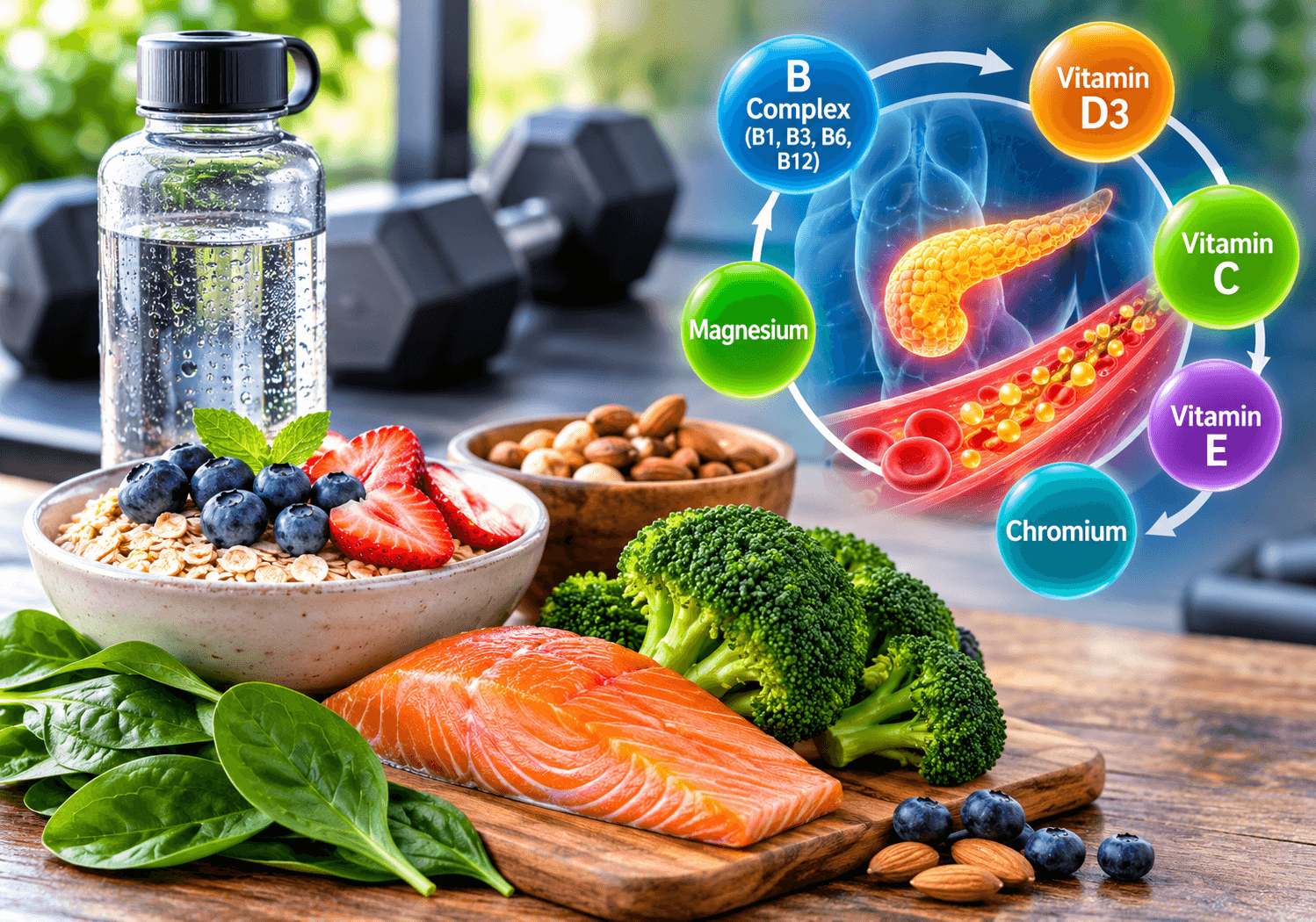
Vitamins that help support glucose metabolism include key B-complex vitamins (B1, B3, B6, and B12), Vitamin D3, Vitamin C, Vitamin E, and essential trace minerals like magnesium and chromium. These nutrients act as cofactors for enzymatic reactions, support intracellular GLUT4 translocation, protect pancreatic beta cells from oxidative stress, and enhance cellular insulin sensitivity for efficient carbohydrate processing.
Understanding Glucose Metabolism and Cellular Energy
To understand why micronutrients matter, you first need to see how your body handles carbohydrates. When you consume foods containing carbohydrates—such as oats, rice, fruit, or sweet potatoes—your digestive system breaks them down into glucose molecules. Glucose enters your bloodstream, causing your blood sugar levels to rise naturally.
In response to this rise, your pancreas secretes insulin, a key metabolic hormone. Insulin acts like a biochemical key, unlocking cell membranes so glucose can move out of your bloodstream and into your skeletal muscle tissue, liver, and adipose tissue.
Inside skeletal muscle cells, glucose undergoes a multi-step enzymatic process called glycolysis. This process converts glucose into pyruvate, yielding energy in the form of adenosine triphosphate (ATP). Pyruvate then enters the mitochondria, where it enters the Krebs cycle (citric acid cycle) to produce large amounts of cellular energy.
If your cells are resistant to insulin, or if the enzymatic pathways responsible for converting glucose to ATP lack necessary biological cofactors, glucose builds up in the bloodstream while your cells remain starved for energy. This is where targeted nutrition becomes critical.
1. The B-Complex Family: The Engine of Carbohydrate Breakdown
When evaluating vitamins that help support glucose metabolism, the B-complex group stands out. These water-soluble vitamins do not provide direct energy in the form of calories; instead, they function as vital coenzymes in enzymatic reactions that break down carbohydrates, fats, and proteins.

Vitamin B1 (Thiamine)
Thiamine acts as an essential coenzyme for pyruvate dehydrogenase, an enzyme complex that bridges the gap between glycolysis and the mitochondrial Krebs cycle. Without sufficient thiamine, pyruvate cannot convert efficiently into Acetyl-CoA, creating a bottleneck in energy production. Research shows that thiamine deficiency impairs cellular glucose utilization and exacerbates metabolic stress (National Institutes of Health).
Vitamin B3 (Niacin)
Niacin forms the backbone of nicotinamide adenine dinucleotide (NAD+) and nicotinamide adenine dinucleotide phosphate (NADP+). These coenzymes are vital for cellular redox reactions, allowing cells to extract energy from glucose during glycolysis. Maintaining adequate niacin levels supports healthy cellular energy production, especially during high-demand physical training.
Vitamin B6 (Pyridoxine)
Pyridoxine plays a direct role in glycogenolysis—the process by which your liver and skeletal muscle tissue break stored glycogen down into usable glucose during intense training. It also assists in gluconeogenesis, which allows the liver to convert amino acids into glucose when dietary carbs are low. For active individuals, maintaining optimal B6 levels ensures a steady supply of muscle fuel during demanding workouts.
Vitamin B12 (Cobalamin)
While B12 is best known for red blood cell synthesis and neurological health, it plays a vital supporting role in methylmalonyl-CoA mutase enzymatic activity. This process integrates fatty acid and carbohydrate metabolic pathways. Deficiencies in B12 can cause systemic fatigue, making it harder to maintain the exercise volume necessary to boost tissue insulin sensitivity.
If you struggle with depleted energy while following a restrictive diet, reviewing which vitamins support metabolism when you are deficient can provide additional insights on correcting baseline micronutrient gaps.
2. Vitamin D3: Supporting Insulin Receptor Sensitivity
Vitamin D3 acts more like a secosteroid hormone than a typical micronutrient. Almost every cell in the human body features vitamin D receptors (VDRs), including pancreatic beta cells and skeletal muscle fibers.Vitamin D3 supports carbohydrate processing through two primary mechanisms:
- Direct Pancreatic Activation: Calcitriol (the active form of Vitamin D) binds to receptors on pancreatic beta cells, supporting normal, healthy insulin secretion in response to elevated blood glucose.
- Insulin Receptor Gene Expression: Vitamin D stimulates the expression of insulin receptors on target tissues, improving peripheral insulin sensitivity and encouraging muscle cells to absorb circulating glucose (PubMed Central).
Clinical research highlights a strong inverse relationship between serum Vitamin D levels and insulin resistance. Individuals with adequate 25-hydroxyvitamin D status routinely demonstrate lower fasting blood glucose levels and better long-term glycemic marker trends compared to deficient individuals.
3. Antioxidant Vitamins: Protecting Cellular Signalling (Vitamins C & E)
Intense exercise and regular metabolic processes generate reactive oxygen species (ROS). While moderate oxidative stress acts as an adaptive signal for physical conditioning, chronic, uncontrolled oxidative stress damages cell membranes, impairs insulin receptor signaling pathways, and triggers systemic inflammation.
Vitamin C (Ascorbic Acid)
Vitamin C is a powerful water-soluble antioxidant. High levels of circulating blood sugar can generate excess free radicals that damage endothelial tissue and impair glucose uptake. By neutralizing these free radicals, Vitamin C helps maintain healthy vascular function and protects cellular insulin receptors.
Clinical research published in peer-reviewed journals demonstrates that supplementing with Vitamin C can help reduce post-prandial oxidative stress and lower elevated blood sugar markers in individuals dealing with impaired glucose tolerance (PubMed).
Vitamin E (Tocopherols)
Vitamin E works synergistically with Vitamin C, protecting lipid cell membranes from lipid peroxidation. When muscle cell membranes suffer oxidative damage, GLUT4 glucose transporters struggle to migrate smoothly to the cell surface. By preserving membrane fluidity, Vitamin E supports efficient glucose transport from the bloodstream into working muscle cells.
To further protect cellular energy pathways and manage fatigue, learn how best vitamins for energy while dieting can keep performance elevated during calorie deficits.
Essential Synergistic Minerals: Magnesium & Chromium
No analysis of vitamins that help support glucose metabolism is complete without mentioning key trace minerals. Minerals and vitamins work together in cellular pathways; vitamins often act as organic coenzymes while minerals serve as necessary inorganic cofactors.
| Mineral | Primary Biological Mechanism | Typical Dietary Sources |
| Magnesium | Required for ATP binding, autophosphorylation of insulin receptors, and activating glycolytic enzymes. | Spinach, pumpkin seeds, almonds, dark chocolate, black beans. |
| Chromium | Enhances chromodulin binding to insulin receptors, amplifying insulin signaling. | Broccoli, whole grains, beef, green beans, egg yolks. |
| Zinc | Essential for insulin synthesis, storage within pancreatic granules, and structural stability. | Oysters, beef, pumpkin seeds, lentils, cashews. |
Magnesium: The Master Metabolic Mineral
Magnesium is involved in over 300 enzymatic reactions. In carbohydrate metabolism, tyrosine kinase—an enzyme responsible for initiating the intracellular signal when insulin binds to its receptor—requires magnesium to function. Low cellular magnesium levels prevent tyrosine kinase from activating properly, contributing directly to insulin resistance.
If you want to dive deeper into systemic metabolic options beyond basic micronutrients, explore our overview of what to look for in a metabolism support supplement.
Chromium Picolinate: Amplifying Insulin Action
Chromium is an essential trace element that forms part of a low-molecular-weight chromium-binding substance known as chromodulin. When insulin binds to cell surface receptors, chromodulin binds to the intracellular side of the receptor, increasing its kinase activity by up to eightfold. This amplification makes chromium a key player in promoting glucose disposal after carbohydrate-rich meals.
For individuals experiencing frequent hunger spikes driven by fluctuating blood sugar, reading about how chromium picolinate helps reduce sugar cravings can clarify its practical role in dietary management.
Practical Workout and Dietary Strategies for Glucose Disposal
While targeted micronutrient intake provides essential cellular tools, physical exercise remains the most potent tool for driving glucose uptake. Muscle contraction stimulates GLUT4 glucose transporter translocation to cell membranes independently of insulin. Combining intelligent strength training with optimal micronutrient support maximizes your body’s glucose management.

Coach’s Sample Glucose-Disposal Strength Circuit
This workout targets large muscle groups (quadriceps, glutes, hamstrings, and lats) to drain stored muscle glycogen. Draining glycogen creates a metabolic sink, allowing subsequent dietary carbohydrates to store as muscle energy rather than remaining in the bloodstream.
Perform this circuit 2–3 times per week after a dynamic warm-up.
| Exercise | Sets | Reps / Duration | Rest Period | Tempo | Weight Guidance |
| Dumbbell Goblet Squats | 4 | 10–12 reps | 60–90 sec | 3-1-1-0 | Moderate weight (~50% 1RM) |
| Dumbbell Romanian Deadlifts | 4 | 10–12 reps | 60–90 sec | 3-0-1-0 | Moderate weight, focus on hip hinge |
| Bodyweight Inverted Rows | 3 | 12–15 reps | 60 sec | 2-1-1-1 | Bodyweight (adjust angle for difficulty) |
| Constant-Tension Bodyweight Lunge | 3 | 12 reps per leg | 45 sec | Smooth | Bodyweight or light dumbbells |

Coach’s Tip
Perform a 10-minute moderate-intensity walk immediately following your highest-carbohydrate meal of the day. Muscle contractions in your calves and quadriceps clear glucose from your bloodstream rapidly, reducing post-prandial blood sugar spikes by up to 30% without demanding additional insulin release.
Step-by-Step Goblet Squat Form Cues:
1. Hold a single dumbbell vertically against your upper chest, cupping the top head with both hands.
2. Set your feet slightly wider than shoulder-width apart, with toes turned out 10–15 degrees.
3. Inhale deeply into your abdomen, brace your core, and initiate the movement by pushing your hips back and bending your knees.
4. Lower smoothly for 3 seconds until your thighs break parallel with the floor, keeping your elbows inside your knees.
5. Drive through your mid-foot and heel to return to standing, exhaling at the top without locking out your knees hard.
If you are currently evaluating broader supplementation approaches alongside exercise, learn more about how to evaluate ingredients in weight management supplements.
Form Cues, Progressions, and Regressions
To maximize glycogen depletion safely, scale movements to match your current conditioning level:
Goblet Squats
- Easier Version (Regression): Box Squat to a 16-inch [40 cm] bench. Sit down under control and stand up without using momentum.
- Harder Version (Progression): Dual-Dumbbell Front Squat with heels elevated 1–2 inches [2.5–5 cm] on small weight plates to increase quadriceps loading.
Common Mistake
Collapsing knees inward (valgus collapse) and rising onto toes during the bottom of a squat. This shifts tension off your glutes and quad muscle bellies onto the knee joints. Fix: Screw your feet into the ground, drive your knees outward over your second toe, and keep your heels flat on the floor.
Micronutrient Dosing, Timing, and Safety Considerations
When using vitamins that help support glucose metabolism, proper timing and dosage ensure maximum benefit while avoiding unnecessary side effects.

Recommended Daily Micronutrient Guidelines for Active Adults
| Micronutrient | Suggested Daily Form | Suggested Target Dose | Optimal Timing |
| Vitamin D3 | Cholecalciferol (with K2) | 2,000–5,000 IU (50–125 mcg) | Morning with a fat-containing meal |
| Vitamin B-Complex | Methylated B-Complex | 100% Daily Value balance | Morning with breakfast |
| Vitamin C | Ascorbic Acid / Sodium Ascorbate | 250–500 mg | Post-workout or mid-day meal |
| Magnesium | Glycinate, Citrate, or Malate | 300–400 mg | 30–60 minutes before bed |
| Chromium | Chromium Picolinate | 200–400 mcg | With your largest carbohydrate meal |
Who Should Exercise Caution?
- Individuals on Blood-Sugar-Lowering Medications: If you take insulin, metformin, or other hypoglycemia-inducing medications, introducing high doses of chromium, berberine, or high-dose antioxidants may cause your blood sugar to drop too low (hypoglycemia). Always work alongside your prescribing physician.
- Pre-existing Kidney Conditions: Individuals with renal impairment must be careful with mineral supplementation (especially magnesium and potassium), as impaired kidneys cannot excrete excess minerals efficiently.
- High Antioxidant Timing Around Training: Taking extremely high doses of Vitamin C (>1,000 mg) and Vitamin E immediately before or after strength training may mute normal muscle adaptation and blunt mitochondrial biogenesis signals. Keep antioxidant supplement doses modest or rely primarily on whole-food sources.
If you are exploring non-stimulant natural options to support metabolic health alongside your vitamins, read our breakdown of which supplements support metabolism without stimulants. Furthermore, natural botanical compounds can complement your micronutrient intake; explore whether can berberine support metabolic health for an evidence-backed perspective on insulin sensitivity support.
FAQ Section
What are the best vitamins that help support glucose metabolism naturally?
The most effective micronutrients include Vitamin D3, B-complex vitamins (especially B1, B3, B6, and B12), Vitamin C, and Vitamin E. Combining these vitamins with key trace minerals like magnesium and chromium creates an optimal environment for cellular insulin sensitivity and efficient energy production.
Can a vitamin deficiency cause high blood sugar levels?
Yes, deficiencies in key nutrients—particularly Vitamin D3 and magnesium—are clinically associated with increased insulin resistance and elevated fasting blood glucose. Without these cofactors, intracellular insulin signaling pathways become sluggish, slowing down glucose clearance from the bloodstream.
How does Vitamin D affect insulin resistance?
Vitamin D binds directly to receptors on pancreatic beta cells to support healthy insulin production. It also improves insulin receptor expression on skeletal muscle tissue, allowing muscle cells to absorb circulating glucose efficiently.
Should I take vitamins for glucose metabolism with meals?
Yes. Fat-soluble vitamins (like Vitamin D3 and Vitamin E) require dietary fat for optimal absorption in the gut. Minerals like chromium and B-vitamins are best taken with high-carbohydrate meals to directly support the digestion, transport, and uptake of those incoming nutrients.
Can strength training replace metabolic vitamins?
No, exercise and micronutrient intake work together. Strength training increases GLUT4 transporter activity on muscle cell membranes, while vitamins and minerals provide the biochemical machinery needed to convert that absorbed glucose into usable cellular energy (ATP).
Are there side effects to taking vitamins for blood sugar control?
When taken at suggested daily amounts, these vitamins are generally safe. However, taking excessive doses of minerals like chromium alongside prescription diabetes medications may lead to hypoglycemia (low blood sugar). Always consult your healthcare provider before adjusting your regimen.
Conclusion
Optimizing cellular energy and maintaining stable blood sugar requires a balanced approach. By combining targeted vitamins that help support glucose metabolism—such as B-complex vitamins, Vitamin D3, Vitamin C, Vitamin E, magnesium, and chromium—with regular strength training and a nutrient-dense whole-food diet, you provide your cells with the precise tools needed to handle carbohydrates efficiently.
Take a proactive approach to your metabolic health: evaluate your current diet for potential micronutrient gaps, maintain an active lifestyle that depletes glycogen regularly, and consult your physician to fine-tune your personalized supplement strategy.