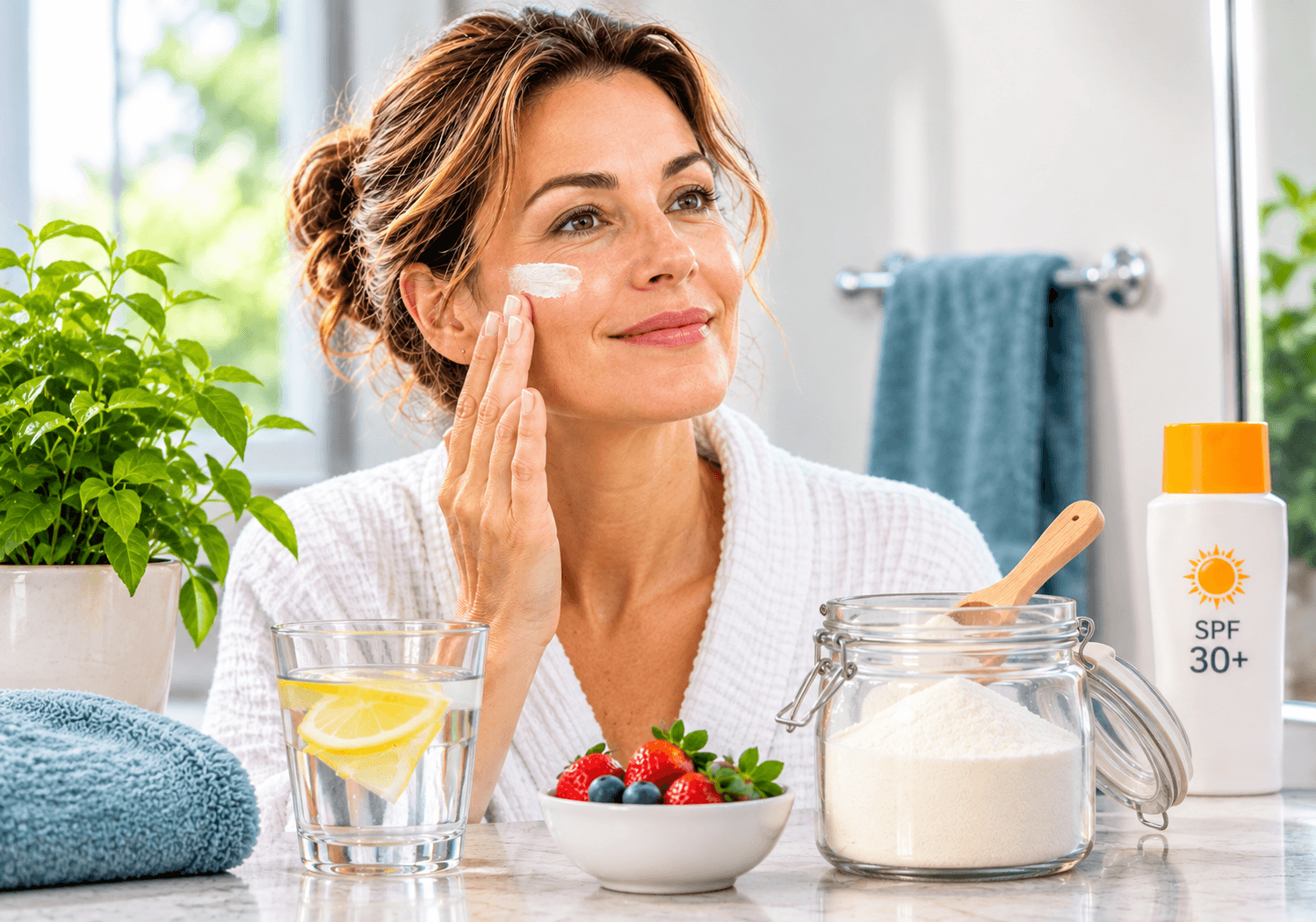
You pop a scoop of collagen peptides into your morning coffee, and within a week you want to see your face look different. That’s a fair expectation, but the skin doesn’t rebuild on a coffee-break schedule. The honest answer to how long does it take for collagen supplements to work on skin is: most clinical trials show measurable changes in skin hydration, elasticity, and wrinkle depth between 8 and 24 weeks of daily use. Some early signals appear around week 4, but the changes that matter—firmer skin, smoother texture—need sustained use.
This guide breaks down the research, gives you a week-by-week timeline, and walks through the practical details (dosage, timing, what to pair with it) so you can set realistic expectations instead of quitting at week two.
Quick Answer
Most people notice the first subtle changes in skin hydration around 4 to 6 weeks of daily collagen peptide use. Measurable improvements in elasticity, firmness, and wrinkle depth typically appear between 8 and 12 weeks, with peak results around 24 weeks, according to multiple randomized, double-blind trials. Consistency matters more than a single dose.
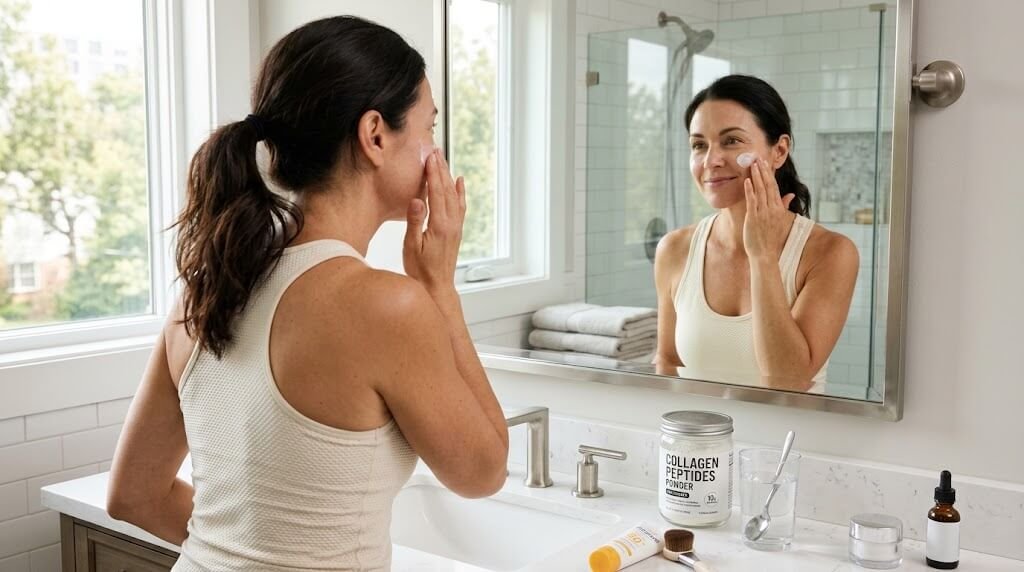
What the Research Actually Shows About Collagen and Skin
Before you buy a tub of powder, it helps to understand what’s happening under the surface. Your skin’s dermis is packed with type I and type III collagen fibers, produced by cells called fibroblasts. Starting in your mid-20s, the body makes roughly 1 % less collagen each year, and UV exposure accelerates the breakdown of existing fibers through a process called photoaging.
Oral collagen supplements work differently than topical creams. Hydrolyzed collagen peptides—small chains of amino acids like glycine, proline, and hydroxyproline—survive digestion well enough to enter the bloodstream. From there, they reach the dermis and appear to signal fibroblasts to ramp up new collagen and elastin production.
Several randomized, double-blind, placebo-controlled trials back this up:
- A 12-week study published in the Journal of Medicinal Food found that women who took 2.5 g of collagen peptides daily showed statistically significant improvements in skin hydration compared with a placebo group Prokic et al., 2014.
- A 2008 trial in the Journal of Nutrition reported that 2.5 g of collagen peptides per day for 8 weeks improved skin elasticity in 75 % of female participants versus 40 % in the placebo group Oikawa et al., 2008.
- A 12-week, double-blind study in Journal of Cosmetic Dermatology showed that 2.5 g of collagen peptides daily increased skin elasticity and hydration and reduced wrinkle depth in women aged 45 to 60 Chung et al., 2016.
- An earlier 2004 trial in the Journal of Nutrition demonstrated that 100 mg of collagen peptides per day for 12 weeks improved skin hydration in postmenopausal women Sugihara et al., 2004.
No single study is perfect. Sample sizes ranged from about 30 to 80 participants, and most focused on women in their 40s to 60s. But the direction of the evidence is consistent: daily oral collagen peptides may help support skin hydration and elasticity over a period of several months.
Important: These are not cosmetic-miracle claims. The changes are modest—think slightly firmer, a bit more hydrated, a touch less rough—not a full reversal of years of sun damage. Think of collagen peptides as one supportive layer in a broader skin-health routine.
The Realistic Timeline: Week by Week
Here is what the research and dermatology literature suggest you can expect at each stage. Individual results vary based on age, baseline skin condition, dosage, and lifestyle factors.
| Timeframe | What’s Happening in the Skin | What You Might Notice |
| Weeks 1–3 | Peptides are being absorbed and circulating. Fibroblasts are receiving the amino-acid signal. No structural change yet. | Nothing visible. Skin may feel marginally more hydrated if you’re also drinking enough water. |
| Weeks 4–6 | Early upregulation of collagen and elastin synthesis. Small increases in dermal moisture retention. | Slight improvement in skin “bounce.” Less tightness after washing your face. |
| Weeks 8–12 | New collagen cross-linking begins. Dermal thickness may increase slightly. Wrinkle depth can start to soften. | Noticeable improvement in firmness, especially on cheeks and jawline. Fine lines look a little less pronounced. |
| Weeks 12–24 | Ongoing collagen remodeling. Skin barrier function strengthens. Texture and tone even out. | Peak visible results: smoother texture, better elasticity, reduced appearance of fine lines. Skin looks “healthier” in photos. |
| Beyond 24 weeks | Maintenance phase. Without continued use, the benefits gradually fade as natural collagen loss resumes. | Results plateau. Stopping the supplement means the skin slowly returns to its pre-supplement baseline over a few months. |
Coach’s Tip: Take a “before” photo of your face in natural, front-facing light on day 1. Do the same photo every 4 weeks, same time of day, same lighting. You will not notice a 2 % improvement in elasticity day to day, but a side-by-side photo at week 12 versus week 1 will make the difference obvious. This is the same principle I use when tracking a client’s deadlift form over 12 weeks—small changes add up, but you need a reference point.
Factors That Affect How Fast You See Results
Not everyone’s skin responds at the same pace. These variables matter:
Age and Baseline Collagen Levels
A 35-year-old starting collagen peptides will have more intact dermal collagen to work with than a 60-year-old. The fibroblast “factory” is still more active in younger skin, so the signal from dietary peptides can produce visible changes a bit faster. Postmenopausal women, who experience a sharp drop in estrogen-driven collagen synthesis, may need the full 12-to-24-week window.
Dosage
Most trials used 2.5 g to 10 g of hydrolyzed collagen peptides per day. The 2004 Sugihara study used just 100 mg and still saw hydration benefits, but the larger-dose studies (2.5 g and up) showed more consistent elasticity and wrinkle-depth improvements. Below about 2.5 g, the evidence thins out.
Type of Collagen
- Marine collagen (fish-derived) is rich in type I collagen, the dominant type in skin.
- Bovine collagen (cow-derived) contains both type I and type III.
- Chicken (bird’s-foot) collagen is high in type II, which is more relevant to cartilage than skin.
For skin specifically, type I–dominant sources (marine or bovine) are the ones studied in the trials above.
Consistency
This is the big one. Every trial that showed results required daily use. Missing days here and there probably won’t erase progress, but taking collagen only on weekends is unlikely to build enough circulating peptides to drive fibroblast activity.
Lifestyle Co-Factors
- Sun exposure without SPF breaks down collagen faster than supplements can rebuild it.
- Chronic sleep deprivation raises cortisol, which accelerates collagen degradation.
- Smoking impairs blood flow to the dermis and directly damages collagen fibers.
- Vitamin C is a required cofactor for the enzymatic cross-linking of new collagen. Without adequate vitamin C (about 75–90 mg/day for adults, per the National Institutes of Health Office of Dietary Supplements), the peptides you ingest cannot be fully assembled into functional fibers.

How to Take Collagen for Best Skin Results
Here is a practical, no-fluff protocol you can start Monday morning.
1. Pick Your Form
Hydrolyzed collagen peptides in powder form are the most studied and the most versatile. You can stir them into coffee, smoothies, oatmeal, or a glass of water. Capsules and gummies exist, but you often need 6–10 capsules to hit the 2.5 g mark, which adds up in cost.
2. Hit the Right Dose
Aim for 2.5 g to 5 g per day for skin-specific goals. If you also want joint support, some people go up to 10 g, but the skin studies did not require that much. Start at 2.5 g and see how your stomach handles it before increasing.
3. Time It Right
There is no strong evidence that timing matters for skin, but taking collagen 30 minutes before a meal or with a small amount of vitamin C (a squeeze of lemon, a handful of strawberries) may support absorption and the cross-linking process. Many people simply mix it into their morning coffee or a pre-workout shake for consistency.
4. Be Consistent
Set a daily reminder. Put the scoop in your gym bag, next to your toothbrush, wherever you will see it. The 8-to-12-week window only works if you actually take it 6–7 days a week.
5. Pair It With a Solid Skincare Routine
Collagen peptides support the dermis from the inside. A basic external routine still matters:
- Broad-spectrum SPF 30+ every morning, rain or shine. UV damage is the #1 driver of collagen breakdown.
- A gentle cleanser and a moisturizer with ceramides or hyaluronic acid to support the skin barrier.
- A retinoid (retinol or prescription tretinoin) a few nights a week, if your dermatologist approves, to further stimulate collagen turnover.
Common Mistake: Buying a “collagen + 15 other ingredients” gummy that delivers only 1,000 mg of collagen per serving and then wondering why nothing happens after 6 weeks. Check the label. If the collagen content is under 2,000 mg per serving, you are below the range most trials used. You can always add a second serving or switch to a straight hydrolyzed collagen powder.
6. Track and Adjust
Use the photo method from the Coach’s Tip above. At week 8, assess. If you see a difference, keep going. If you see nothing at week 12, consider whether your SPF, sleep, and vitamin C intake are on track before blaming the supplement.

Safety Considerations and Who Should Talk to a Doctor First
Collagen peptides are generally well tolerated. They are derived from animal or marine sources, so:
- Allergies: If you are allergic to fish, shellfish, or the specific animal source (beef, pork, chicken), choose a collagen type accordingly or avoid it.
- Kidney or liver conditions: Because collagen is a protein, people with existing kidney or liver disease should check with their physician before adding extra protein to their daily intake.
- Pregnancy and breastfeeding: There is not enough safety data on high-dose collagen supplementation during pregnancy. Talk to your OB-GYN before starting.
- Medications: Collagen peptides have not been shown to interact with common medications, but if you are on blood thinners, immunosuppressants, or have a chronic condition, a quick call to your doctor or pharmacist is wise.
If you experience bloating, nausea, or a rash after starting collagen, stop and consult a healthcare professional.
This article is for general information and is not a substitute for advice from a doctor or physical therapist.
Related Tips: Supporting Your Skin Beyond Supplements
Collagen peptides are one tool, not the whole toolbox. A few evidence-based habits that work alongside supplementation:
- Protect your skin from UV. The American Academy of Dermatology recommends broad-spectrum SPF 30 or higher, reapplied every two hours outdoors. This single habit does more to preserve existing collagen than any supplement.
- Get enough vitamin C. Citrus fruits, bell peppers, strawberries, and broccoli all contribute. The recommended daily allowance is 75 mg for women and 90 mg for men, per the NIH Office of Dietary Supplements.
- Prioritize sleep. The National Sleep Foundation recommends 7–9 hours for adults. Growth hormone release peaks during deep sleep, a window when tissue repair (including skin) is most active.
- Stay hydrated. Drinking enough water supports overall tissue health, though it will not “push out” wrinkles. Aim for roughly 8–10 cups (64–80 oz) of fluids per day, adjusting for activity and climate.
- Manage stress. Chronic elevations in cortisol are linked to increased collagen breakdown in the dermis. Even 10 minutes of daily walking, deep breathing, or a short workout can help regulate the stress response.
- Don’t smoke or vape. Nicotine and combustion byproducts directly damage collagen and elastin fibers and reduce blood flow to the skin, according to research summarized by the CDC.
FAQ
How long do collagen supplements take to show results on the face?
Most clinical trials report the first measurable changes in facial skin hydration around 4 to 6 weeks of daily use. Visible improvements in firmness and wrinkle depth typically appear between 8 and 12 weeks, with the most noticeable results around 24 weeks. Individual timing depends on age, dosage, and overall skin health.
Can you see collagen supplement results in just 2 weeks?
Unlikely. Two weeks is not enough time for new collagen fibers to be synthesized, cross-linked, and integrated into the dermis. You might notice a very slight difference in skin hydration, but structural changes in elasticity and wrinkle depth need at least 8 weeks of consistent daily use.
What is the minimum time to take collagen for skin benefits?
Based on the published trials, 8 weeks is the shortest period that produced statistically significant skin improvements. Many researchers recommend continuing for 12 to 24 weeks to reach the full effect. Stopping before 8 weeks means you likely will not see a measurable difference.
Do collagen supplements actually work for wrinkles?
The evidence is modest but consistent. Several randomized, double-blind trials show that 2.5 g of hydrolyzed collagen peptides daily for 8 to 12 weeks can reduce wrinkle depth and improve skin elasticity by a small but statistically significant margin. They will not erase deep wrinkles, but they may soften fine lines and improve overall skin texture.
How much collagen should you take for skin?
The most-studied dose for skin is 2.5 g to 5 g of hydrolyzed collagen peptides per day. Doses up to 10 g have been used in joint-health studies and are generally safe, but the skin-specific trials did not require more than 5 g. Start at 2.5 g and increase if tolerated.
Is 250 mg of collagen enough for skin?
250 mg is well below the range used in most clinical trials (2.5 g to 10 g). One 2004 study used 100 mg and saw a small hydration benefit, but the larger-dose studies showed more robust results in elasticity and wrinkle depth. For meaningful skin effects, aim for at least 2.5 g daily.
Conclusion
So, how long does it take for collagen supplements to work on skin? The research points to a clear window: early hydration signals at 4–6 weeks, measurable elasticity and firmness gains at 8–12 weeks, and peak visible results around 24 weeks of daily use. The supplement is not a shortcut. It is a supportive ingredient that works best alongside sunscreen, adequate vitamin C, good sleep, and a consistent skincare routine.
If you decide to try collagen peptides, pick a hydrolyzed type I–dominant source, aim for 2.5 to 5 g per day, take it every day, and give yourself at least 12 weeks before judging results. Track your progress with regular photos, stay consistent with your SPF, and be patient. Your skin is a living tissue that remodels slowly, and the collagen you are feeding it today is building the structure you will see next quarter.