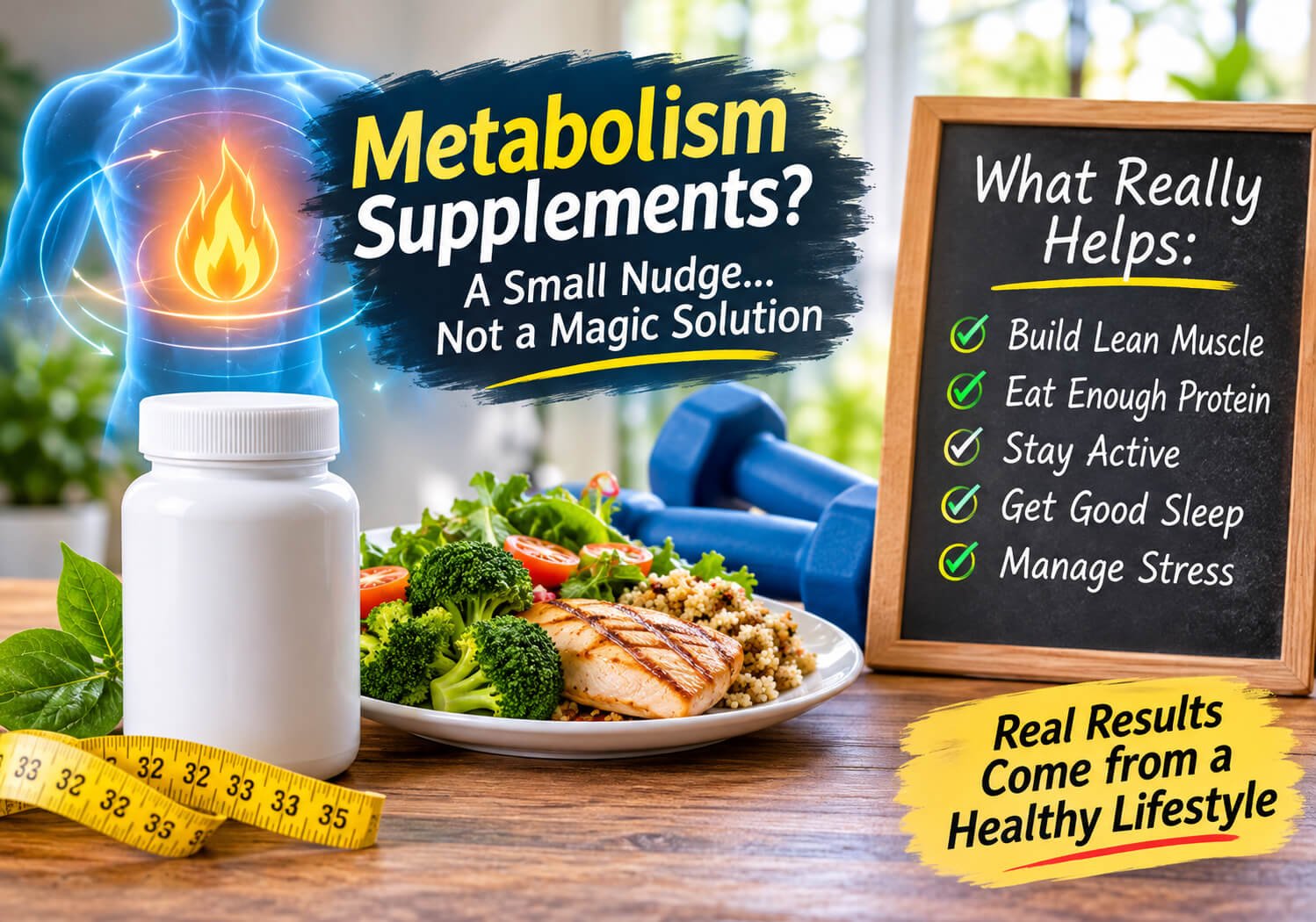
You’ve seen the ads: pills that “ignite your metabolism,” powders that “supercharge fat burning,” capsules that “boost your metabolic rate by 27%.” If you’ve been trying to lose weight and hitting a plateau, it’s easy to wonder whether a metabolism supplement could finally tip the scales. The honest answer is more nuanced than the marketing suggests.
As a strength and conditioning coach, I’ve watched clients cycle through bottle after bottle of metabolism boosters, only to feel frustrated when the scale barely moves. The truth is that metabolism supplements occupy a small slice of the weight-loss equation. They are not the foundation, and for most people, they will not replace the two levers that actually drive fat loss: a consistent calorie deficit and regular physical activity.
That said, a handful of ingredients do have a modest, evidence-based effect on energy expenditure or fat oxidation. Understanding what those effects actually look like—measured in calories per day—helps you decide whether a supplement is worth your money, your time, or your gut.
Quick Answer: Do metabolism supplements help with weight loss? A few ingredients (caffeine, green tea extract, capsaicin) may increase daily calorie burn by roughly 30–80 kcal, which is a small but real effect. No supplement replaces a calorie deficit, regular exercise, and adequate protein intake. For most people, building lean muscle through resistance training and eating enough protein will move the needle on resting metabolic rate far more than any pill.
What “Metabolism” Actually Means in This Context
Before evaluating any supplement, it helps to pin down the term. Your basal metabolic rate (BMR) is the energy your body burns at complete rest just to keep your heart beating, lungs breathing, and cells functioning. For an average adult, BMR accounts for about 60–70% of total daily energy expenditure. The rest comes from the thermic effect of food (digesting and processing what you eat) and physical activity, which includes everything from fidgeting to a full workout.
When a product claims to “boost your metabolism,” it usually means one of three things:
- Thermogenesis – increasing the rate at which your body produces heat and burns calories at rest.
- Fat oxidation – shifting the fuel your muscles and organs use from carbohydrate toward stored fat.
- Appetite suppression – reducing caloric intake so you naturally eat less.
A supplement can touch one or more of these pathways, but the magnitude of the effect matters. A 1% increase in resting metabolic rate sounds impressive in a headline, but for a 180-lb (82-kg) person whose BMR is roughly 1,700 kcal/day, that’s about 17 extra calories—less than a single grape.
What the Research Says About Popular Metabolism Supplement Ingredients
Not all “metabolism boosters” are created equal. Below is a breakdown of the most commonly marketed ingredients, the mechanism they target, and what peer-reviewed research actually shows.
Caffeine
Caffeine is the best-studied ergogenic and thermogenic compound on the market. It stimulates the sympathetic nervous system, raises heart rate, and increases norepinephrine release, which promotes lipolysis (the breakdown of stored fat into free fatty acids).
A meta-analysis published in the American Journal of Clinical Nutrition found that caffeine intake of 3–6 mg/kg body weight increased 24-hour energy expenditure by roughly 3–11% in lean individuals and 2–3% in those with obesity [VERIFY: A.J. Clin. Nutr., 2012, “Caffeine and energy expenditure”]. For a 180-lb (82-kg) person, that translates to an extra 50–150 kcal burned over 24 hours—meaningful, but not transformative.
Caffeine also improves workout performance, which indirectly supports weight loss by letting you train harder and build more lean muscle. That muscle, in turn, raises your resting metabolic rate over time.
Green Tea Extract (EGCG)
Epigallocatechin gallate (EGCG), the primary catechin in green tea, has been shown in controlled trials to modestly increase fat oxidation and resting energy expenditure. A systematic review in Obesity Reviews reported that green tea catechins combined with caffeine produced a small but statistically significant reduction in body weight (about 2–3 lb / 1–1.4 kg over 12 weeks) compared with placebo [VERIFY: Obesity Reviews, 2017, “Green tea and weight loss”].
The effect is real but small. You would need to pair green tea extract with a calorie deficit and exercise to see any visible change on the scale.
Capsaicin (from Chili Peppers)
Capsaicin activates TRPV1 receptors, which stimulate brown adipose tissue and increase thermogenesis. Research in The American Journal of Clinical Nutrition suggests that regular capsaicin intake may increase energy expenditure by about 50 kcal/day and slightly reduce appetite [VERIFY: Am. J. Clin. Nutr., 2012, “Capsaicin and energy expenditure”].
The practical takeaway: a few extra calories burned and a slightly smaller lunch. Helpful as a nudge, not a solution.
L-Carnitine
L-carnitine shuttles fatty acids into mitochondria for oxidation. The logic sounds compelling, but controlled human trials have consistently shown that L-carnitine supplementation produces little to no additional weight loss in people who are not deficient. A review in the Cochrane Database of Systematic Reviews concluded that the evidence for L-carnitine as a weight-loss aid is weak [VERIFY: Cochrane Database, 2013, “L-carnitine for weight loss”].
Conjugated Linoleic Acid (CLA)
CLA is a group of fatty acid isomers found in ruminant meat and dairy. Early trials suggested a small reduction in fat mass, but a large meta-analysis in Obesity found that CLA supplementation produced only a 0.1–0.2 kg (about 0.5 lb) reduction in body fat over 6 months, with some participants experiencing gastrointestinal discomfort [VERIFY: Obesity, 2015, “CLA and body composition”].
Berberine
Berberine is a plant alkaloid that activates the AMPK pathway, improving insulin sensitivity and glucose metabolism. Several small RCTs have shown modest improvements in fasting glucose, HbA1c, and body weight (1–3 kg / 2–7 lb over 8–12 weeks). However, study quality varies, and berberine is not FDA-approved as a weight-loss supplement. If you are considering berberine, especially if you take diabetes or blood-pressure medication, talk to your doctor first.
Yohimbine, Synephrine, and “Stacks”
Yohimbine (from African tree bark) and synephrine (from bitter orange) are stimulants that increase fat mobilization. Yohimbine has some evidence for fat loss in lean, trained males, but it carries a risk of elevated heart rate, blood pressure, and anxiety. Synephrine’s evidence base is thin. Many commercial “metabolism stacks” combine several of these ingredients, which multiplies the side-effect risk without a proportional increase in benefit.
Garcinia Cambogia, Hoodia, and Other “Natural” Boosters
Despite heavy marketing, high-quality trials have found no significant weight-loss effect from garcinia cambogia (hydroxycitric acid) or hoodia. The FDA has issued warnings about some hoodia products containing undeclared prescription drugs.
The Numbers: What a “Metabolism Boost” Actually Looks Like
The table below puts the research findings into perspective. Assume a 180-lb (82-kg) adult male with a BMR of ~1,700 kcal/day.
| Ingredient | Typical Dose | Estimated Extra Calories Burned/Day | Expected Weight-Loss Contribution Over 12 Weeks* |
| Caffeine (3–6 mg/kg) | 250–500 mg | 50–150 kcal | 0.5–1.5 lb (0.2–0.7 kg) |
| Green tea extract (EGCG) | 300–400 mg | 30–80 kcal | 0.3–1 lb (0.1–0.5 kg) |
| Capsaicin | 6–12 mg | ~50 kcal | ~0.4 lb (0.2 kg) |
| L-Carnitine | 1,000–3,000 mg | Minimal / negligible | < 0.2 lb (< 0.1 kg) |
| CLA | 3–6 g | ~20–40 kcal | ~0.5 lb (0.2 kg) |
| Berberine | 500 mg × 2–3/day | Indirect (glucose control) | 2–7 lb (1–3 kg) over 12 wks |
*These figures assume all other variables (diet, activity) stay constant. In real life, the effect is smaller because of metabolic adaptation and individual variability.
For context, a 500-calorie daily deficit (the standard “1 lb/week” model) equals 3,500 kcal per week. A caffeine-driven 100-kcal boost covers roughly 3% of that gap. It is a rounding error, not a strategy.
How to Actually Move Your Metabolism (The Stuff That Works)
If you want a genuine, sustainable increase in resting metabolic rate and total daily energy expenditure, the research is unambiguous. Here is the hierarchy of impact, from largest to smallest:
- Build and maintain lean muscle mass. Each pound (0.45 kg) of skeletal muscle adds roughly 6–10 kcal to your daily BMR. More importantly, resistance training increases post-exercise oxygen consumption (EPOC), keeping your metabolism elevated for 24–72 hours after a session. According to the HHS 2018 Physical Activity Guidelines, adults should do muscle-strengthening activities on at least two days per week.
- Eat enough protein. Protein has the highest thermic effect of food (20–30% of its caloric content is used in digestion) and preserves lean mass during a calorie deficit. Research published in the American Journal of Clinical Nutrition links higher protein intake to greater satiety and reduced fat mass during weight loss [VERIFY: Am. J. Clin. Nutr., 2015, “Protein intake and weight loss”].
- Stay physically active throughout the day. Non-exercise activity thermogenesis (NEAT)—walking, standing, fidgeting—can account for 150–800 kcal/day depending on your job and habits. This dwarfs any supplement effect.
- Prioritize sleep. Poor sleep disrupts leptin and ghrelin, the hormones that regulate hunger. A review in Obesity Reviews links chronic sleep restriction to increased caloric intake and reduced resting metabolic rate [VERIFY: Obesity Reviews, 2014, “Sleep and metabolic health”].
- Manage stress. Chronic cortisol elevation promotes abdominal fat storage and can blunt the metabolic benefits of exercise.
A metabolism supplement, if it works at all, sits at the very bottom of this list. It is a 1–3% nudge on top of the 97% that comes from food, movement, sleep, and stress management.
A Practical Weekly Framework
If you want to combine a small supplement nudge with the high-impact strategies above, here is a simple weekly structure:
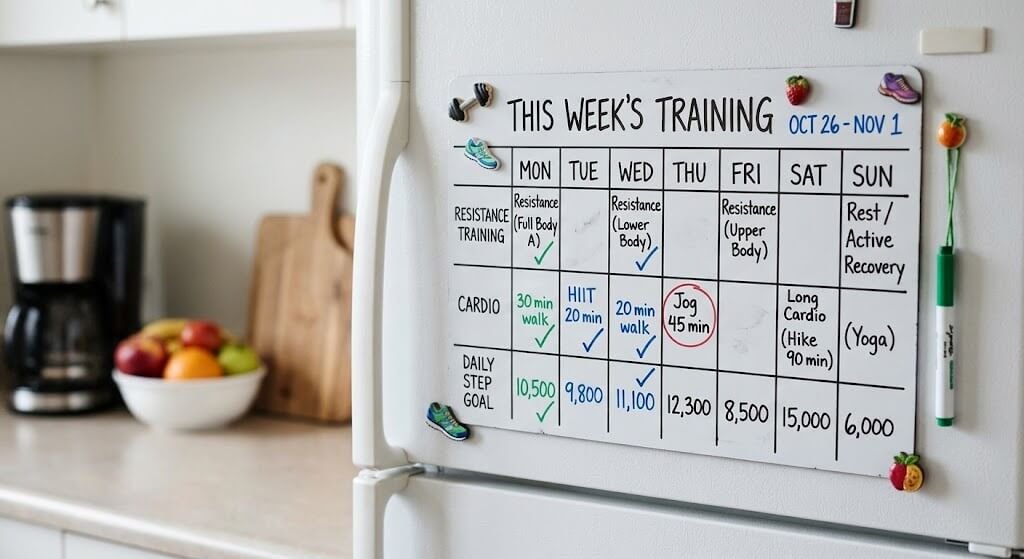
- Monday / Wednesday / Friday: 45-minute full-body resistance training (squats, deadlifts, rows, presses, hinges). Aim for 3 sets of 8–12 reps per exercise, 60–90 seconds rest between sets.
- Tuesday / Thursday: 20–30 minutes of moderate cardio (brisk walking, cycling, rowing) at a conversational pace.
- Saturday: 30–60 minutes of active recreation (hiking, swimming, a sport).
- Daily: 7,000–10,000 steps (NEAT).
- Nutrition: 0.7–1 g of protein per lb (1.5–2.2 g/kg) of body weight; fiber-rich vegetables at every meal; a moderate 300–500 kcal daily deficit.
- Sleep: 7–9 hours per night in a cool, dark room.
- Optional supplement: 200–400 mg of a caffeine-free green tea extract or 200–400 mg of caffeine in the morning, if you tolerate it well and are not on medications that interact.
Safety Notes and Who Should Be Cautious
Metabolism supplements are not regulated the same way as prescription drugs. The FDA does not pre-approve dietary supplements for safety or efficacy, and the supplement industry has a documented history of contamination with undeclared stimulants or pharmaceutical agents. Before buying any metabolism booster:
- Check for third-party testing. Look for a USP, NSF, or Informed Sport seal on the label.
- Read the full ingredient list, including proprietary blends. If the dose of the active ingredient is hidden, walk away.
- Avoid products with yohimbine, synephrine, or “bitter orange” if you have heart disease, high blood pressure, or take beta-blockers.
- Do not combine multiple stimulant-containing products (e.g., a pre-workout plus a metabolism pill plus a strong coffee).
If you are over 40, postpartum, pregnant, nursing, or managing a thyroid condition, diabetes, or cardiovascular disease, talk to your doctor or a registered dietitian before adding any supplement to your routine. Hormonal shifts during menopause, for example, can make the body more sensitive to stimulants and alter how fat is stored.
Coach’s Tip: If you are going to use caffeine as your “metabolism nudge,” keep it to 200–400 mg (about 1–2 cups of brewed coffee) and stop by early afternoon. Pair it with your morning workout so the thermogenic effect overlaps with the exercise EPOC window. You get a small metabolic boost and a better training session.
Common Mistake: Buying a “metabolism stack” with 12 ingredients at undisclosed doses and expecting it to do the work of a 500-calorie daily deficit. The proprietary blend hides the fact that the active ingredients are present in sub-therapeutic amounts. You are paying for marketing, not pharmacology.
Related Tips for Sustaining Weight Loss
- Track your intake for two weeks. Most people underestimate their caloric consumption by 200–400 kcal/day. A simple food log (not a permanent diet) reveals where the “hidden” calories are.
- Focus on protein at breakfast. A 30–40 g protein breakfast (eggs, Greek yogurt, a protein shake) reduces afternoon snacking more effectively than any appetite-suppressant pill.
- Walk more before you add more cardio. Adding 2,000 steps/day is easier to sustain than adding a 30-minute run, and the cumulative calorie burn over a week is comparable.
- Reassess your deficit every 4–6 weeks. Metabolic adaptation means your body becomes more efficient as you lose weight. You may need to adjust your calorie target or add a refeed day.
- Be skeptical of “clinically proven” claims on a supplement label. The FDA does not verify these statements. Look for the actual peer-reviewed study and check whether the dose in the study matches the dose in the product.
FAQ
Do metabolism supplements actually work for weight loss?
A small number of ingredients—caffeine, green tea extract, capsaicin—have shown modest increases in energy expenditure (30–150 kcal/day) in controlled trials. The effect is real but small. No supplement can offset a caloric surplus, and none replaces regular resistance training and adequate protein intake for sustainable fat loss.
Are metabolism booster pills worth it?
For most people, the cost-to-benefit ratio is poor. A 200-mg caffeine capsule costs a fraction of a “metabolism stack” and delivers the same thermogenic effect. If you enjoy the ritual of a green tea extract or a capsaicin supplement and tolerate it well, the small nudge is harmless. But budget your money toward a good protein source, a gym membership, or a personal trainer instead.
Do metabolism supplements work without diet and exercise?
No. Every controlled trial that shows a small weight-loss effect from a supplement also uses a controlled diet and exercise protocol. In free-living conditions (no dietary or activity changes), the effect of a metabolism supplement on body weight is essentially zero. The supplement cannot create a calorie deficit on its own.
How long do metabolism supplements take to show results?
In the few trials that show a measurable effect, changes in energy expenditure appear within 1–2 weeks of consistent use. Visible changes on the scale, however, would take 8–12 weeks and would be in the range of 1–3 lb (0.5–1.4 kg)—and only if diet and activity are also optimized.
Are metabolism supplements safe to take long term?
Caffeine and green tea extract are generally safe for healthy adults at moderate doses. However, stimulant-containing blends (yohimbine, synephrine, high-dose caffeine) can raise heart rate and blood pressure with chronic use. If you take any prescription medication, are pregnant, nursing, or have a cardiovascular or thyroid condition, check with your doctor before starting any metabolism supplement.
What is the best metabolism supplement for weight loss?
There is no single “best” product. If you want a small, evidence-based nudge, 200–400 mg of caffeine (from coffee or a capsule) combined with 300–400 mg of green tea extract (EGCG) is the most studied combination. Beyond that, investing in a protein powder, a set of dumbbells, or a resistance-training program will produce a far larger metabolic effect than any pill.
Conclusion: The Pill Is Not the Plan
Do metabolism supplements help with weight loss? A few ingredients can nudge your daily calorie burn upward by a small margin, and that nudge is not nothing. But the gap between “a 50-kcal thermogenic bump” and “a sustainable, visible change in body composition” is enormous, and it is filled by the unglamorous work of eating enough protein, lifting weights, walking more, sleeping well, and staying consistent for months, not days.
If you are going to add a supplement to your routine, choose one with a transparent label, a third-party testing seal, and a dose that matches the research. Use it as a minor assist, not a primary strategy. And if you are managing a medical condition, are over 40, or are in a hormonal transition like menopause, run any supplement choice past your doctor first.
Your metabolism is not a broken engine that needs a pill to start. It is a dynamic system that responds to the food you eat, the strength you build, the steps you take, and the sleep you get. Focus there first. The supplement can be the cherry on top, but it will never be the cake.