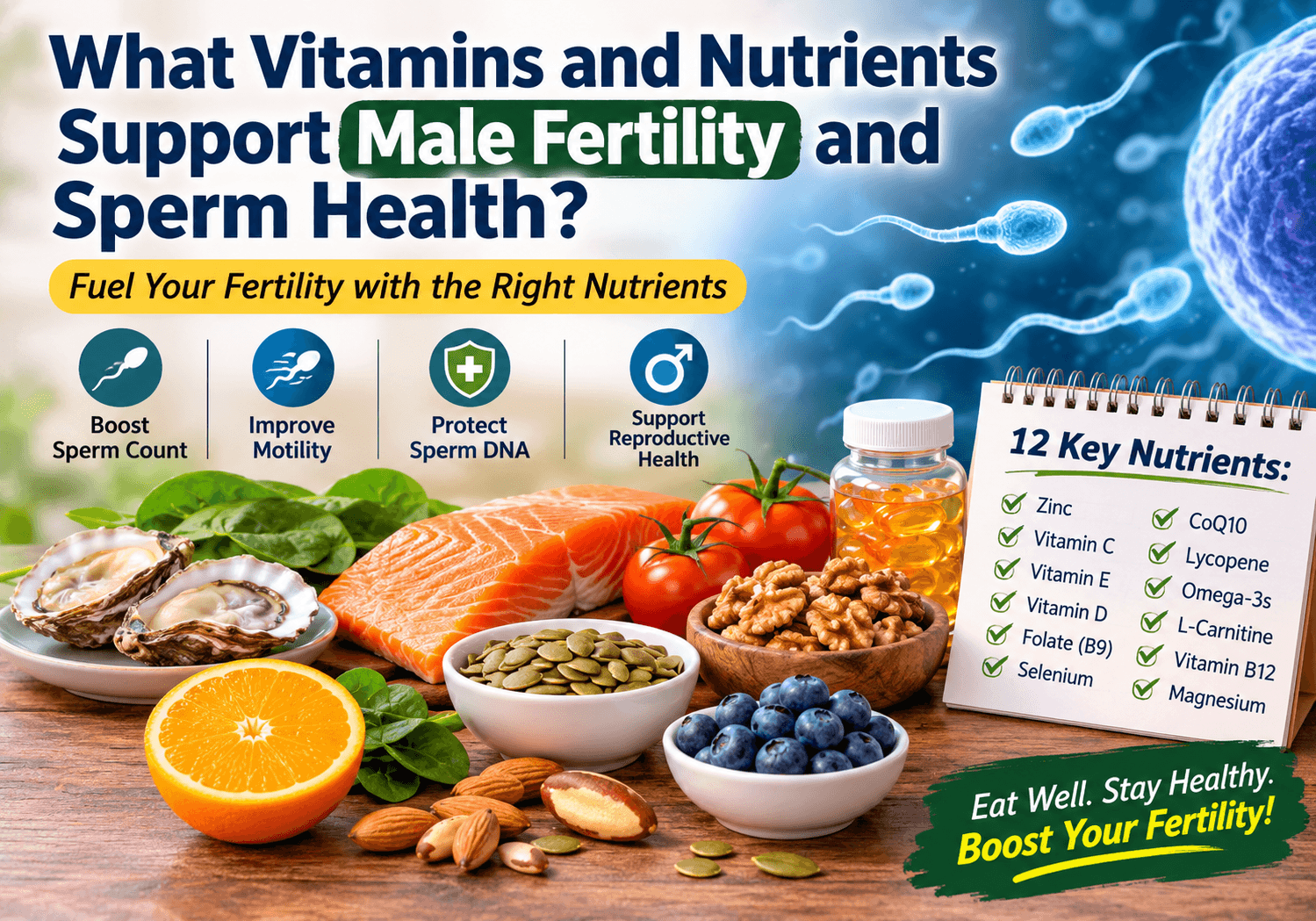
Sperm doesn’t just appear. It takes roughly 74 days for a single sperm cell to develop in the testes, and during that entire window, your body is pulling on a steady supply of vitamins, minerals, and antioxidants to keep the process running smoothly. When those nutrients run low, sperm count, motility, and shape can all take a hit.
The good news: most of what you need is available in a balanced diet, and a few targeted supplements can fill gaps. You don’t need a complicated stack. You need the right handful of nutrients, taken consistently, alongside sensible lifestyle habits.
This guide breaks down the 12 vitamins and nutrients with the strongest evidence behind them for male fertility and sperm health. You’ll learn what each one does, how much to aim for, where to find it in food, and when a supplement makes sense.
Quick Answer: The vitamins and nutrients with the strongest research support for male fertility and sperm health are zinc, vitamin C, vitamin E, vitamin D, folate, selenium, CoQ10, lycopene, omega-3 fatty acids, L-carnitine, vitamin B12, and magnesium. Most men can cover these through a varied diet rich in seafood, nuts, leafy greens, and colorful fruits. A targeted supplement can help if a blood test shows a deficiency.
Why Nutrition Matters for Sperm Production
Spermatogenesis—the process that turns stem cells into mature spermatozoa—happens in the seminiferous tubules of the testes. It’s a nutrient-heavy operation. The cells building and maturing sperm need raw materials for DNA replication, membrane formation, and energy production.
At the same time, sperm are highly vulnerable to oxidative stress. Reactive oxygen species (ROS) can damage sperm DNA, reduce motility, and lower the overall count. Antioxidant vitamins and minerals act as a shield, neutralizing free radicals before they cause harm.
The World Health Organization (WHO) publishes reference ranges for sperm concentration, motility, and morphology used in clinical labs. Falling below those ranges is one of the most common reasons men seek fertility evaluation. Nutrition is one of the few levers a man can pull directly, without medication or surgery.
The 12 Key Vitamins and Nutrients for Male Fertility
1. Zinc
Zinc is arguably the single most important mineral for male reproductive health. It’s concentrated in the seminal fluid and the testes at levels far higher than in most other tissues. Zinc plays a role in testosterone synthesis, sperm maturation, and protecting sperm membranes from oxidative damage.
What the research shows: A 2019 meta-analysis published in Human Reproduction found that zinc supplementation was associated with improved sperm concentration and motility in men with documented zinc deficiency. The NIH Office of Dietary Supplements notes that the Recommended Dietary Allowance (RDA) for adult men is 11 mg per day.
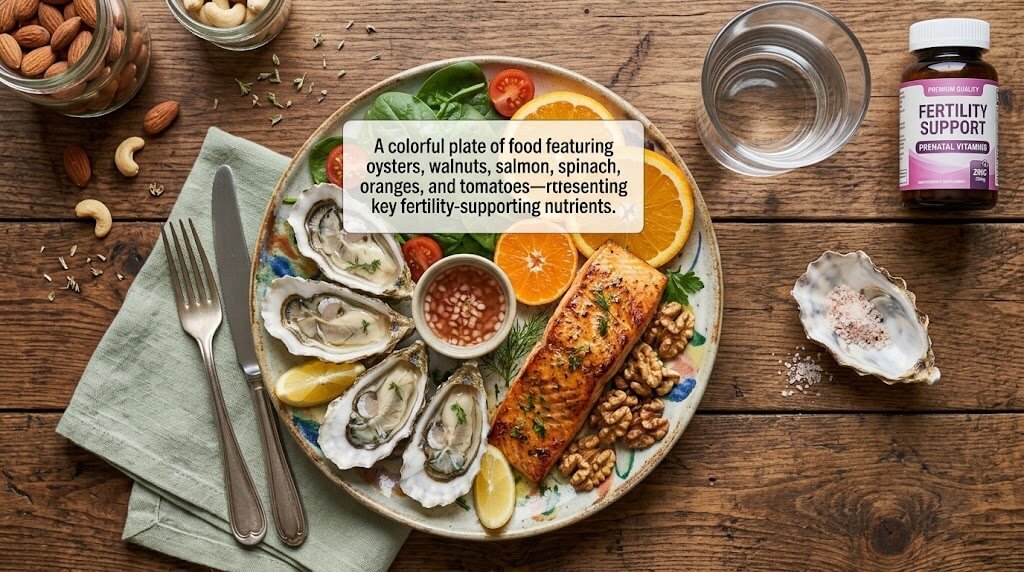
Food sources: Oysters (a 3-ounce serving has about 74 mg), beef, pumpkin seeds, lentils, and chickpeas.
Supplement guidance: If a blood test confirms low zinc, a 15–30 mg zinc picolinate or zinc citrate supplement taken with food can help. Avoid exceeding 40 mg/day long-term, as excess zinc can interfere with copper absorption.
2. Vitamin C
Vitamin C is a water-soluble antioxidant that protects sperm from ROS damage in the seminal plasma. It also supports the immune system, which matters because chronic inflammation can disrupt the hypothalamic-pituitary-gonadal axis.
What the research shows: Studies indexed on PubMed have linked higher dietary vitamin C intake to improved sperm motility and a lower percentage of morphologically abnormal sperm. The NIH ODS lists the RDA for adult men at 90 mg/day.
Food sources: Oranges, strawberries, bell peppers, kiwi, broccoli, and tomatoes.
Supplement guidance: 200–500 mg of vitamin C per day is a common range in fertility-focused protocols. Because it’s water-soluble, excess is excreted, but very high doses (over 2,000 mg) can cause GI upset.
3. Vitamin E
Vitamin E (alpha-tocopherol) is a fat-soluble antioxidant that integrates into cell membranes, including the sperm membrane. This protects the lipid bilayer from peroxidation, which can impair motility and the ability of sperm to fuse with an egg.
What the research shows: A systematic review found that vitamin E supplementation, often paired with vitamin C, was associated with improvements in sperm motility and total count in infertile men. The NIH ODS sets the RDA at 15 mg (22.4 IU) of natural alpha-tocopherol per day for adult men.
Food sources: Almonds, sunflower seeds, spinach, avocado, and wheat germ oil.
Supplement guidance: 100–400 IU of mixed tocopherols (not just alpha) per day is a typical range. Go easy on high-dose vitamin E alone, as very high intakes over long periods have raised concerns in some observational studies.
4. Vitamin D
Vitamin D is now understood to function more like a hormone than a simple vitamin. Both the testes and the prostate express vitamin D receptors, and adequate levels are linked to healthy testosterone production and sperm quality.
What the research shows: A 2020 study in Reproductive Biology and Endocrinology found that men with vitamin D levels in the sufficient range (30–50 ng/mL) had higher sperm concentration and motility compared to those who were deficient. The NIH ODS recommends 600–800 IU/day for most adults, though many clinicians aim for blood levels above 30 ng/mL.
Food sources: Fatty fish (salmon, mackerel, sardines), fortified milk, egg yolks, and sunlight exposure (10–20 minutes of midday sun on arms and face).
Supplement guidance: If a 25-hydroxyvitamin D blood test shows levels below 30 ng/mL, a 1,000–2,000 IU/day supplement (D3 form) is a reasonable starting point. Check with your doctor before going higher.
5. Folate (Vitamin B9)
Folate is essential for DNA synthesis and cell division. Since sperm production involves rapid cell division and DNA packaging, adequate folate is critical. Low folate intake has been linked to higher rates of sperm DNA fragmentation.
What the research shows: The NIH ODS notes the RDA for adult men is 400 mcg of dietary folate equivalents (DFE) per day. Research published in Andrology has associated adequate folate intake with better sperm morphology.
Food sources: Dark leafy greens (spinach, kale, romaine), lentils, asparagus, avocado, and fortified cereals.
Supplement guidance: 400 mcg of folic acid (the synthetic form) per day is standard. Some men who are planning to conceive a child take 1,000 mcg, but talk to your doctor first.
6. Selenium
Selenium is a trace mineral that is a component of selenoproteins, including glutathione peroxidase, a key antioxidant enzyme. It’s also concentrated in the seminal fluid and plays a role in sperm maturation and motility.
What the research shows: A meta-analysis in Reproductive Toxicology found that selenium supplementation improved total sperm count and progressive motility in men with low baseline selenium. The NIH ODS sets the RDA at 55 mcg/day for adult men, with an upper tolerable limit of 400 mcg/day.
Food sources: Brazil nuts (one or two nuts can cover your daily need), tuna, shrimp, eggs, and sunflower seeds.
Supplement guidance: 50–200 mcg of selenium (selenomethionine form) per day is a common range. Do not exceed 400 mcg, as selenium toxicity (selenosis) is a real risk.
7. Coenzyme Q10 (CoQ10)
CoQ10 is a compound found in the mitochondria—the energy-producing organelles of cells. Sperm mitochondria are especially energy-hungry; they power the flagellum that propels the sperm forward. CoQ10 also acts as an antioxidant within the mitochondrial membrane.
What the research shows: Multiple randomized controlled trials indexed on PubMed have shown that CoQ10 supplementation (typically 200–300 mg/day for 3–6 months) improved sperm concentration, motility, and morphology in men with unexplained infertility.
Food sources: Organ meats (heart, liver), fatty fish, and spinach contain small amounts, but it’s difficult to get therapeutic doses from food alone.
Supplement guidance: 200–300 mg of ubiquinol (the reduced, more bioavailable form) per day, taken with a meal containing fat for absorption.
8. Lycopene
Lycopene is the carotenoid that gives tomatoes their red color. It’s a potent antioxidant that accumulates in the testes and seminal fluid, where it helps protect sperm membranes from oxidative damage.
What the research shows: A 2019 study in Andrologia found that lycopene supplementation (15 mg/day for 6 months) improved sperm motility and morphology in men with asthenoteratozoospermia.
Food sources: Cooked tomatoes (lycopene is more bioavailable when cooked), watermelon, pink grapefruit, and guava.
Supplement guidance: 15–30 mg of lycopene per day from a tomato-based or palm-oil-based supplement.
9. Omega-3 Fatty Acids
Omega-3s (EPA and DHA) are structural components of cell membranes, including sperm membranes. Adequate omega-3 intake supports membrane fluidity, which is important for sperm motility and the capacitation process (the final maturation step that allows sperm to fertilize an egg).
What the research shows: The American Heart Association recommends at least two servings of fatty fish per week for general cardiovascular health. Fertility research has linked higher omega-3 intake to improved sperm motility and a lower percentage of abnormal morphology.
Food sources: Salmon, sardines, mackerel, anchovies, walnuts, chia seeds, and flaxseeds.
Supplement guidance: 1,000–2,000 mg of combined EPA + DHA per day from a quality fish oil or algal oil supplement. Look for third-party testing (IFOS, USP, or NSF) to ensure purity.
10. L-Carnitine
L-carnitine is an amino acid derivative that shuttles fatty acids into mitochondria for energy production. Sperm are particularly rich in acylcarnitines, and adequate L-carnitine levels are linked to improved motility.
What the research shows: A 2020 meta-analysis in Reproductive Biology and Endocrinology found that L-carnitine or acetyl-L-carnitine supplementation (2,000–3,000 mg/day) improved progressive motility and total motility in men with low sperm motility.
Food sources: Red meat (beef, lamb), dairy products, and small amounts in fish.
Supplement guidance: 2,000 mg of L-carnitine or 1,000–2,000 mg of acetyl-L-carnitine per day, split into two doses.
11. Vitamin B12
Vitamin B12 (cobalamin) is involved in DNA synthesis and red blood cell formation. Deficiency can lead to elevated homocysteine levels, which have been associated with oxidative stress and impaired sperm DNA integrity.
What the research shows: The NIH ODS sets the RDA at 2.4 mcg/day for adult men. B12 deficiency is more common in vegans and older adults, but it can affect anyone with malabsorption issues.
Food sources: Meat, fish, eggs, dairy, and fortified plant milks or cereals.
Supplement guidance: 2.4–6 mcg per day for most men. If you’re vegan or have a confirmed deficiency, higher-dose oral or sublingual B12 (500–1,000 mcg) may be appropriate under medical guidance.
12. Magnesium
Magnesium is a cofactor in over 300 enzymatic reactions, including those involved in DNA repair, protein synthesis, and energy metabolism. It also helps regulate testosterone levels and supports healthy sleep, which in turn supports the hormonal axis that drives spermatogenesis.
What the research shows: The NIH ODS sets the RDA at 400–420 mg/day for adult men. Magnesium deficiency is common, especially in men with poor dietary intake or high alcohol consumption.
Food sources: Pumpkin seeds, almonds, dark chocolate (70%+ cacao), spinach, black beans, and avocados.
Supplement guidance: 200–400 mg of magnesium glycinate or magnesium citrate per day, taken in the evening. Avoid magnesium oxide, which has poor absorption.
How to Build a Daily Nutrient Routine
You don’t need to take 12 separate pills. Here’s a practical way to layer these nutrients into a normal day:
Morning (with breakfast):
- A multivitamin containing zinc (11 mg), folate (400 mcg), vitamin B12 (2.4 mcg), and vitamin D (600–1,000 IU)
- A glass of orange juice or a handful of strawberries for vitamin C
- A small handful of walnuts or chia seeds for omega-3s
Midday (with lunch):
- A serving of fatty fish (salmon, sardines) or a fish oil capsule (1,000–2,000 mg EPA+DHA)
- A side of cooked tomatoes or a tomato-based sauce for lycopene
- Dark leafy greens for folate and magnesium
Evening (with dinner or before bed):
- L-carnitine (2,000 mg) and CoQ10 (200 mg) with a meal containing fat
- Magnesium glycinate (200–400 mg) to support sleep and recovery
- A small serving of pumpkin seeds or almonds for additional zinc and vitamin E
Key principle: Consistency matters more than perfection. Sperm takes about 74 days to mature, so you need to maintain adequate nutrient levels for at least two to three months before you’d expect to see changes in a semen analysis.
Coach’s Tip: If you’re going to start a fertility-focused supplement routine, get a baseline semen analysis from your doctor first. That gives you a reference point. Then re-test at 90 days to see if your changes are making a measurable difference. Without that data, you’re guessing.
What to Avoid: Lifestyle Factors That Undermine Sperm Health
Nutrients only go so far if other habits are working against you. A few things to watch:
- Smoking and vaping: Nicotine and the chemicals in cigarette smoke increase oxidative stress in the testes. Quitting is the single most impactful lifestyle change for sperm quality.
- Excess alcohol: Heavy drinking (more than 3–4 drinks per day) is linked to lower testosterone and impaired spermatogenesis.
- Heat exposure: Prolonged saunas, hot tubs, and tight underwear can raise scrotal temperature and temporarily reduce sperm count.
- Chronic stress: Elevated cortisol can suppress the hypothalamic-pituitary-gonadal axis, reducing testosterone and sperm production. Prioritizing sleep (7–9 hours) and stress management is as important as any supplement.
- Endocrine-disrupting chemicals: BPA in plastics, certain pesticides, and phthalates in personal care products have been associated with lower sperm counts in epidemiological studies.
Sleep plays a bigger role than most men realize. Poor sleep quality disrupts the hormonal rhythms that regulate testosterone and growth hormone, both of which feed into spermatogenesis. If you’re struggling with sleep, the hormonal effects of poor sleep can cascade into reproductive health.
Common Mistake: The “More Is Better” Trap
Common Mistake: Loading up on high-dose supplements without a blood test. For example, taking 100 mg of zinc daily “just to be safe” can deplete copper, cause nausea, and actually impair immune function. Similarly, megadoses of vitamin E (over 1,000 IU) have been linked to increased bleeding risk. The right approach is to get bloodwork done, identify actual deficiencies, and supplement only what’s low.
Who Should Talk to a Doctor First
If you and your partner have been trying to conceive for more than 12 months (or 6 months if the female partner is over 35), a fertility evaluation is recommended. A urologist or reproductive endocrinologist can order a semen analysis, check hormone panels (FSH, LH, testosterone, prolactin), and rule out structural issues like varicoceles.
If you have a known medical condition (diabetes, kidney disease, liver disease), are taking prescription medications, or are considering high-dose supplements, check with your doctor or a registered dietitian before starting any new regimen.
This article is for general information and is not a substitute for advice from a doctor or physical therapist.

How Long Do Vitamins Take to Improve Sperm Quality?
Because spermatogenesis takes approximately 74 days, most clinicians recommend a minimum of 90 days of consistent nutritional support before re-testing. You won’t see changes overnight. Think of it like a training cycle: the first 4–6 weeks build the foundation, and by week 12 you should see measurable shifts in count, motility, or morphology if the intervention is working.
If you’ve been consistent for 90 days and see no improvement, that’s a signal to dig deeper with your doctor—there may be a structural, hormonal, or genetic factor that nutrition alone can’t address.
The Role of Antioxidants: A Quick Summary
Several of the nutrients above (vitamin C, vitamin E, selenium, lycopene, CoQ10) work primarily as antioxidants. Here’s why that matters for sperm specifically:
Sperm have very little of their own antioxidant machinery. They rely on the antioxidant environment of the seminal plasma (produced by the seminal vesicles and prostate) to protect them. When that antioxidant balance tips toward oxidative stress—due to poor diet, smoking, pollution, or chronic inflammation—sperm membranes get damaged, DNA fragments, and motility drops.
A diet rich in colorful fruits and vegetables, combined with a few targeted supplements, helps maintain that balance. You don’t need to overthink it. Aim for a variety of plant foods daily, add the key minerals and vitamins listed above, and keep the bad habits (smoking, excess alcohol, chronic stress) in check.
If you’re already working on your overall nutrition and want to understand how specific micronutrients fit into broader metabolic health, our guide on which nutrients support normal energy metabolism covers the overlap between general metabolic function and reproductive health.
A Note on Supplements vs. Food
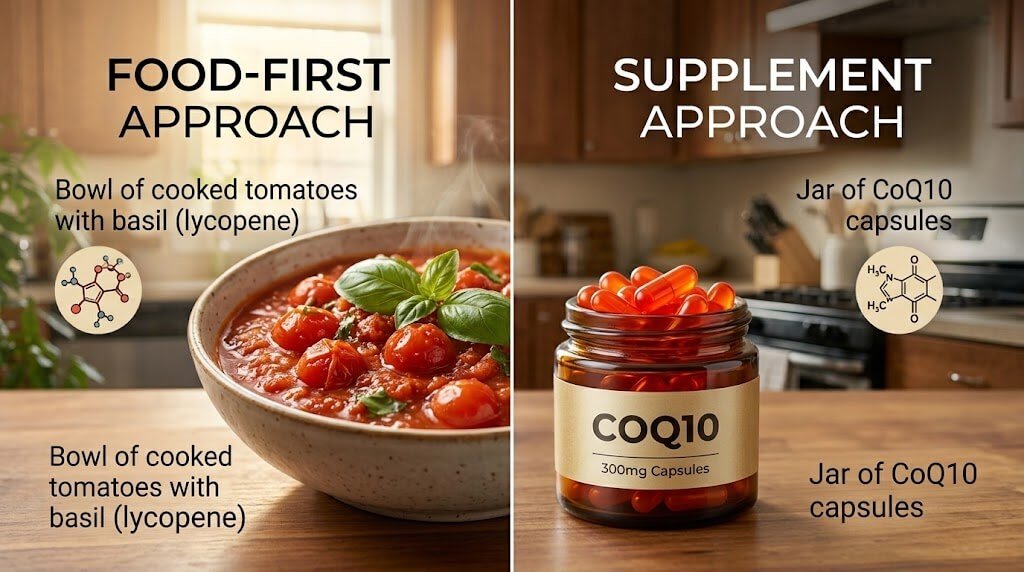
Whole foods deliver nutrients in a matrix that includes fiber, phytochemicals, and co-factors that enhance absorption. A glass of orange juice gives you vitamin C plus flavonoids that may enhance its antioxidant effect. A supplement gives you the isolated compound.
That said, for specific nutrients like zinc, selenium, CoQ10, and L-carnitine, it’s genuinely difficult to hit therapeutic doses from food alone. A targeted supplement in those cases is reasonable and well-supported by research.
If you’re already exploring which vitamins might be missing from your diet, our breakdown of vitamins that support metabolism when you’re deficient can help you identify common gaps.
FAQ
What vitamins increase sperm count naturally?
Zinc, folate, vitamin D, and CoQ10 have the strongest evidence for supporting sperm concentration. Zinc is the most critical mineral, as it’s directly involved in testosterone production and sperm maturation. Getting adequate amounts from food (oysters, leafy greens, fatty fish) or a targeted supplement can help, especially if a blood test shows a deficiency.
Which nutrients improve sperm motility?
L-carnitine, CoQ10, vitamin C, vitamin E, and omega-3 fatty acids are the nutrients most consistently linked to improved progressive motility in clinical trials. L-carnitine supports the mitochondrial energy production that powers the sperm flagellum, while omega-3s maintain membrane fluidity.
Can vitamins improve male fertility?
Yes, but with an important caveat: vitamins and nutrients can help if a deficiency or suboptimal intake is the limiting factor. They cannot fix structural issues like a varicocele, genetic conditions, or hormonal disorders that require medical intervention. A semen analysis and hormone panel from a doctor will clarify whether nutrition is the right lever to pull.
How long do vitamins take to improve sperm quality?
Plan for at least 90 days. Sperm takes roughly 74 days to develop from stem cell to mature spermatozoon, so any nutritional change needs to be in place for a full cycle (or more) before you’d expect to see changes in a repeat semen analysis.
What is the best single vitamin for male fertility?
There isn’t one single “best” vitamin. Zinc is the most critical mineral, and vitamin C is the most studied antioxidant for sperm protection. But male fertility is a multi-nutrient process. A well-rounded approach covering the 12 nutrients in this article will outperform any single supplement.
Do antioxidants really help with sperm health?
Research suggests they do. Sperm are highly susceptible to oxidative damage, and antioxidant nutrients (vitamin C, vitamin E, selenium, lycopene, CoQ10) help neutralize free radicals in the seminal fluid. Multiple randomized trials have shown improvements in motility and morphology with antioxidant supplementation in men with documented oxidative stress.
Conclusion
What vitamins and nutrients support male fertility and sperm health? The short answer is a focused set: zinc, vitamin C, vitamin E, vitamin D, folate, selenium, CoQ10, lycopene, omega-3s, L-carnitine, vitamin B12, and magnesium. The longer answer is that these nutrients work together, and they work best when paired with a sensible lifestyle—enough sleep, regular movement, minimal alcohol, no smoking, and stress management.
You don’t need to overhaul your entire life overnight. Start with a blood test and a semen analysis. Fill the gaps you find. Eat a colorful, varied diet. Give it 90 days. Then re-test and adjust.