You walk into the supplement aisle or scroll through a late-night ad, and you see it: “Boost your drive. Reclaim your edge. Natural testosterone support.” The promise is clear, the marketing is loud, and the question on your mind is simple—do libido supplements for men actually work, or are you just buying an expensive placebo?
I’ve coached men in their 30s, 40s, and 50s who come in asking the same thing. They want to know if a bottle of powder or a handful of capsules will fix a sex drive that’s been fading for months. The honest answer is more nuanced than the label on the bottle suggests. Some ingredients have a small but real evidence base. Others have almost none. And a few can actually cause harm if you take them alongside medications or with an underlying health condition.
This article breaks down what peer-reviewed research actually shows for the most popular male libido supplements, how they work (or don’t), what to watch out for, and what you can do beyond a supplement bottle to support healthy sexual function.
Quick Answer: Do libido supplements for men actually work? A few ingredients—maca root, fenugreek extract, and Panax ginseng—show modest, short-term benefits in small studies. Zinc and vitamin D help only if you’re deficient. Most “testosterone booster” blends lack solid evidence. No supplement replaces sleep, strength training, and cardiovascular health. Talk to your doctor before starting any new supplement.
What “Libido” Actually Means and Why It Fluctuates
Before we judge any supplement, it helps to understand what libido really is. Libido, or sexual desire, isn’t one single hormone or one single switch. It’s a conversation between your brain, your hormones, your blood vessels, and your stress levels.
Testosterone is the most well-known androgen involved, but it’s not the whole story. Dopamine drives motivation and reward. Cortisol, your primary stress hormone, suppresses the hypothalamic-pituitary-gonadal axis, which is the chain that tells your body to make testosterone. Nitric oxide controls the blood flow that makes erections physically possible.
That means a “low libido” can trace back to poor sleep, chronic stress, a sedentary lifestyle, cardiovascular stiffness, a zinc or vitamin D deficiency, or simply the normal age-related decline in testosterone that starts around age 30. Understanding the root cause matters because a supplement that boosts nitric oxide won’t help if your cortisol is through the roof from a 60-hour work week.
The CDC notes that sexual health is a core component of overall health and well-being, and that maintaining cardiovascular fitness supports healthy sexual function in men of all ages (CDC – Sexual Health). Keep that in mind as we go through the supplements.
What the Research Says About Common Libido Supplements
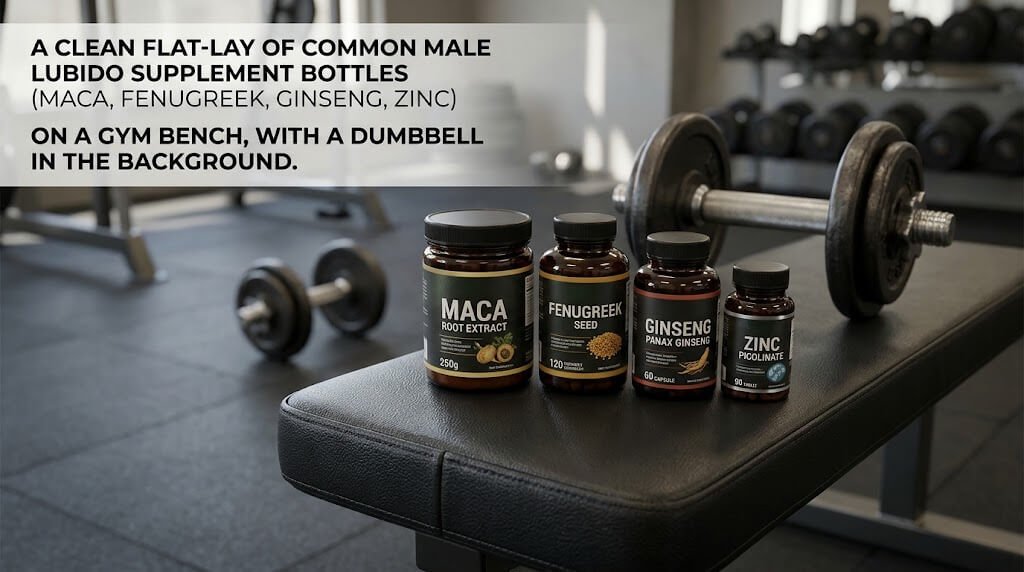
Here’s where we separate the marketing from the data. I’ve grouped the most commonly sold ingredients and summarized what peer-reviewed research actually shows.
Maca Root (Lepidium meyenii)
Maca is a Peruvian root vegetable that’s been used in Andean traditional medicine for centuries. In a systematic review published in the Journal of Ethnopharmacology, researchers analyzed multiple randomized controlled trials and found that maca extract (typically 1.5–3 g per day) was associated with a modest improvement in self-reported sexual desire in men, with effects appearing after about four to six weeks of consistent use (Lebedew et al., 2013 – PubMed).
Importantly, the review noted that maca did not significantly change serum testosterone, LH, or FSH levels. That means the benefit, if real, likely works through a mechanism other than boosting androgens—possibly through dopaminergic pathways or general energy and mood support.
Bottom line: Small, short-term benefit for subjective desire. Not a testosterone booster. Generally well-tolerated.
Fenugreek Extract (Trigonella foenum-graecum)
Fenugreek is a seed used in cooking and traditional medicine. A 2006 randomized, double-blind trial found that men taking 500 mg of a standardized fenugreek extract (containing 50% furostanolic saponins) twice daily for two weeks showed a small increase in free and total testosterone, along with a self-reported improvement in libido and a reduction in body fat percentage (Wang et al., 2006 – PubMed).
The mechanism appears to involve inhibition of the enzyme aromatase (which converts testosterone to estrogen) and possibly reduction of sex hormone-binding globulin (SHBG), which frees up more testosterone.
Bottom line: Modest, short-term hormonal shift. The sample size was small (25 men), and long-term data is limited.
Panax Ginseng (Red Ginseng)
Panax ginseng is one of the most studied herbal supplements for sexual function in men. A meta-analysis of randomized controlled trials found that red ginseng (typically 600–900 mg, three times daily) improved erectile function scores compared to placebo, likely through enhanced nitric oxide production and improved endothelial function (Kim & Park, 2009 – PubMed).
The cardiovascular angle matters here. If your blood vessels are stiff or your nitric oxide production is low, ginseng’s effect on endothelial health may translate to better blood flow and, by extension, better erectile quality.
Bottom line: Decent evidence for erectile function. Less direct evidence for subjective desire. Watch for interactions with blood thinners and diabetes medications.
L-Arginine
L-arginine is an amino acid that serves as the direct precursor to nitric oxide. In theory, more arginine means more nitric oxide means better vasodilation and blood flow. Several small studies have shown modest improvements in erectile function with doses of 2.5–5 g per day, though the effects are less pronounced than pharmaceutical PDE-5 inhibitors (García et al., 2005 – PubMed).
The catch: oral bioavailability of L-arginine is low. Your gut and liver break down a significant portion before it reaches your bloodstream. Some researchers suggest L-citrulline, which converts to arginine in the kidneys, may be more effective at raising plasma arginine levels.
Bottom line: Mechanism is sound, but the practical effect from oral supplementation is modest. Not a replacement for addressing cardiovascular health.
Zinc
Zinc is a trace mineral critical for testosterone production. The NIH Office of Dietary Supplements notes that zinc deficiency is linked to hypogonadism (low testosterone) and reduced sperm quality in men (NIH ODS – Zinc).
If your diet is adequate (red meat, shellfish, legumes, nuts), you’re unlikely to be zinc-deficient. Supplementing with 15–30 mg of zinc per day beyond your needs won’t supercharge your testosterone. But if you are deficient—common in older men, vegetarians, or those with GI issues—correcting the deficiency can normalize hormonal function.
Bottom line: Helpful if you’re deficient. Not a performance enhancer if your levels are already normal.
Vitamin D
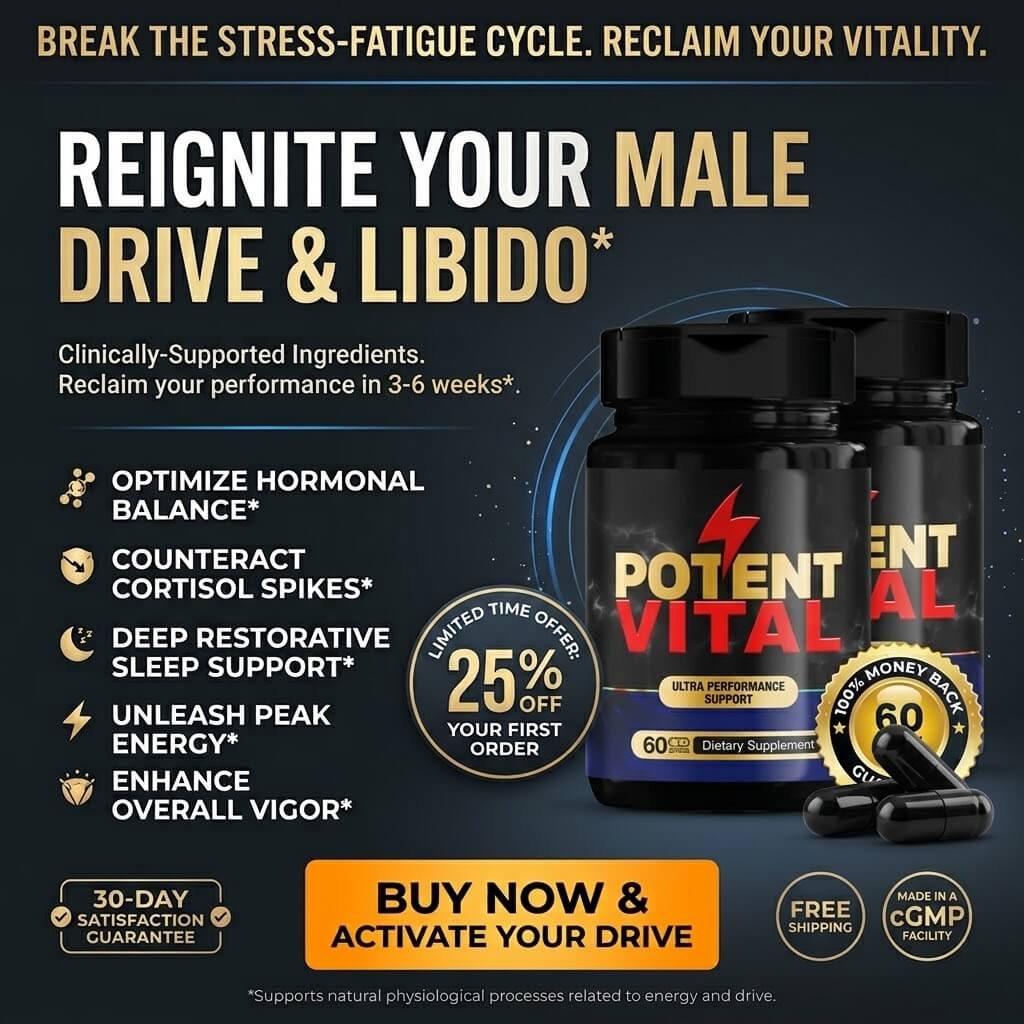
Vitamin D receptors are present in testicular tissue, and observational studies have found a correlation between low vitamin D levels and lower total testosterone in men. A study published in Hormones found that men with vitamin D deficiency had significantly lower testosterone levels than those with sufficient levels (Pilz et al., 2011 – PubMed).
That said, a correlation isn’t a guarantee. Supplementing vitamin D to correct a deficiency (common in older adults, people with limited sun exposure, and darker-skinned individuals) may help normalize testosterone. Pushing levels far above the sufficient range (30–60 ng/mL) has not been shown to boost libido or sexual function beyond normal.
Bottom line: Get tested. If you’re low, correct it. If you’re sufficient, extra vitamin D won’t change your drive.
Tongkat Ali (Eurycoma longifolia)
Tongkat ali is a Malaysian root that has gained popularity in the last decade. A few small randomized trials suggest it may modestly increase free testosterone and reduce cortisol in stressed, middle-aged men. One 2012 trial found that 200 mg per day for 12 weeks improved self-reported energy, mood, and sexual function in men aged 45–65 (Lai et al., 2012 – PubMed).
The evidence base is still thin—small samples, short durations, and varying extract qualities. But the cortisol-reduction angle is interesting for men whose low drive is stress-driven rather than hormonal.
Bottom line: Promising but under-researched. Quality of the extract matters a lot.
Tribulus Terrestris
This one is a frequent “no.” Multiple studies, including a 2012 randomized controlled trial, found that tribulus terrestris did not increase testosterone, improve strength, or enhance body composition in resistance-trained men (Bosch et al., 2012 – PubMed). Self-reported libido scores showed no significant difference from placebo.
Bottom line: The evidence does not support tribulus as a libido or testosterone supplement.
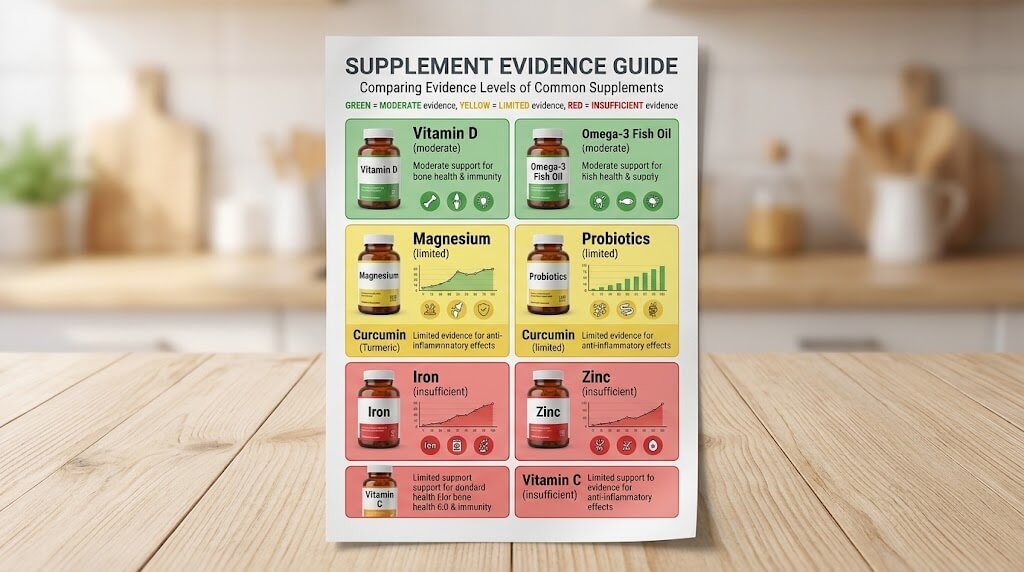
Comparison Table: Evidence at a Glance
| Supplement | Typical Dose | Primary Mechanism | Evidence Level | Time to Notice Effect |
| Maca root | 1.5–3 g/day | Dopaminergic / mood (not hormonal) | Small RCTs, modest | 4–6 weeks |
| Fenugreek extract | 500 mg × 2/day | Aromatase inhibition, SHBG reduction | Small RCT, short-term | 2 weeks |
| Panax ginseng | 600–900 mg × 3/day | Nitric oxide / endothelial function | Meta-analysis, moderate | 4–8 weeks |
| L-Arginine | 2.5–5 g/day | NO precursor, vasodilation | Small RCTs, modest | 2–4 weeks |
| Zinc | 15–30 mg/day | Testosterone synthesis cofactor | Strong (if deficient) | 4–8 weeks |
| Vitamin D | 1,000–4,000 IU/day | Receptor in testicular tissue | Observational + RCTs | 8–12 weeks |
| Tongkat ali | 200 mg/day | Cortisol reduction, free T | Small RCTs, early | 4–12 weeks |
| Tribulus terrestris | 250–750 mg/day | Claimed androgenic (unproven) | Negative RCTs | N/A |
How to Apply This: A Practical Approach
If you’ve read the research and still want to try a supplement, here’s how I’d approach it as your coach. Think of it like programming a new exercise: start simple, track your response, and don’t stack five products at once.
Step 1: Rule out the basics first.
Before you spend a dime on a supplement, make sure you’re sleeping 7–9 hours, getting at least 150 minutes of moderate aerobic activity per week (the HHS Physical Activity Guidelines recommend this for adults), and doing two or more days of resistance training. Poor sleep and inactivity will suppress testosterone and blunt any supplement’s effect.
Step 2: Get bloodwork.
Ask your doctor for a panel that includes total testosterone, free testosterone, LH, FSH, vitamin D (25-hydroxy), zinc, and a basic metabolic panel. You can’t fix what you haven’t measured. If your testosterone is in the normal range (roughly 300–1,000 ng/dL), a “testosterone booster” is unlikely to do much.
Step 3: Pick one or two ingredients with the best evidence.
If you want to try something, start with one of these evidence-backed options:
- Maca root (1.5–3 g/day) if your issue is more about low motivation or energy than physical function.
- Panax ginseng (600–900 mg, 3×/day) if blood flow and erectile quality are the concern.
- Zinc (15–30 mg/day) or vitamin D (per your bloodwork) if you’re deficient.
Step 4: Give it 4–8 weeks.
Most of the small studies I referenced used 4 to 12 weeks. If you don’t notice a change after two months, the supplement probably isn’t the answer.
Step 5: Track and adjust.
Keep a simple log: sleep hours, stress level (1–10), energy, and any change in desire or function. This removes the guesswork and tells you whether the supplement is doing anything at all.
Coach’s Tip: If you’re going to try a supplement, take it at the same time every day and pair it with a consistent training and sleep routine. A 200 mg tongkat ali capsule won’t outperform a night of poor sleep. The supplement is the 5% layer on top of the 95% that’s lifestyle.
Safety Notes and Who Should Be Cautious
Supplements are not regulated the same way as medications. The FDA does not pre-approve them for safety or efficacy before they hit the shelf. That means quality varies, and “natural” does not automatically mean “safe.”
Here are the red flags and cautions I always go over with clients:
- Blood thinners and ginseng/L-arginine: Both can have mild anticoagulant or vasodilatory effects. If you take warfarin, aspirin, or other anticoagulants, check with your doctor before adding these.
- Diabetes medications: Ginseng and L-arginine may lower blood glucose. Combined with insulin or metformin, this could cause hypoglycemia.
- Hormonal conditions: If you have prostate cancer, a history of hormone-sensitive conditions, or are on testosterone replacement therapy, do not take any supplement marketed as a “testosterone booster” without your urologist’s explicit approval.
- Kidney or liver issues: High-dose L-arginine (above 5 g/day) or zinc (above 40 mg/day long-term) can stress these organs.
- Pregnancy, nursing, or medications for mental health: Some adaptogens and herbal extracts interact with SSRIs, MAOIs, or other psychiatric medications.
If you have any chronic condition, take prescription medications, or are over 60, run your supplement plan past your primary care doctor or a sports medicine physician first. This is not a place to experiment without guidance.
This article is for general information and is not a substitute for advice from a doctor or physical therapist.
Related Tips: Supporting Libido Beyond Supplements
A supplement bottle is one small lever. The bigger levers are the ones that cost nothing:
- Resistance training. Two to three sessions per week of compound lifts (squats, deadlifts, bench press, rows) support healthy testosterone production and cardiovascular function. Even bodyweight work—push-ups, lunges, glute bridges—keeps the hormonal and circulatory systems engaged. For a structured approach, look into how to support metabolism and overall health naturally, which covers the training and recovery pillars that also underpin hormonal health.
- Aerobic work. 150 minutes of brisk walking, cycling, or swimming per week keeps your endothelium flexible and your nitric oxide production high. Stiff arteries don’t care what supplement you’re taking.
- Sleep. 7–9 hours of quality sleep is non-negotiable. Most of your daily testosterone is produced during deep sleep. A single night of 4 hours of sleep can drop testosterone by 10–15% in young men.
- Stress management. Chronic cortisol suppresses the HPG axis. Even 10 minutes of daily diaphragmatic breathing, a walk in nature, or a structured wind-down routine can lower your baseline stress.
- Nutrition. Adequate protein, healthy fats (olive oil, avocado, nuts), and micronutrient-dense vegetables matter. If you’re in a prolonged calorie deficit, testosterone and libido will drop. Understanding which nutrients support normal energy and metabolic function can help you make sure your plate covers the bases.
- Limit alcohol and avoid smoking. Both impair endothelial function and reduce testosterone over time.
When you’re evaluating any supplement—whether it’s for libido, energy, or weight management—applying a systematic ingredient evaluation framework helps you cut through the marketing. Look for: a specific dose, a mechanism of action, at least one randomized controlled trial in humans, and a third-party testing seal (NSF, Informed Sport, or USP).

Common Mistake: Stacking four or five “male enhancement” products at once and then wondering why you feel jittery, get a stomach ache, or see no change. If you’re going to try a supplement, pick one ingredient with the best evidence, use the studied dose, and give it a full 4–6 weeks before adding or changing anything. You can’t isolate what’s working if you change five variables at once.
FAQ
Do libido supplements for men actually work?
A few ingredients—maca root, fenugreek extract, and Panax ginseng—show modest, short-term benefits in small randomized trials. Zinc and vitamin D help only if you’re deficient. Most “testosterone booster” blends lack solid evidence. No supplement replaces sleep, training, and cardiovascular health. Talk to your doctor before starting any new supplement.
How long do libido supplements take to work?
Most studies use 4 to 12 weeks of consistent daily use. Maca showed effects around 4–6 weeks. Fenugreek showed a hormonal shift in 2 weeks. Ginseng typically requires 4–8 weeks. If you don’t notice a change after 8 weeks, the supplement is unlikely to be the answer.
Are testosterone boosters safe for men?
Most herbal “testosterone boosters” are not dangerous in healthy men at studied doses, but they can interact with blood thinners, diabetes medications, and psychiatric drugs. Men with prostate cancer, hormone-sensitive conditions, or those on TRT should avoid them entirely without medical supervision. Always check with your doctor first.
What is the best natural supplement for male sexual desire?
Based on the current evidence, maca root (1.5–3 g/day) has the most consistent data for subjective desire, while Panax ginseng (600–900 mg, 3×/day) has stronger data for erectile function. The “best” depends on whether your issue is more psychological (motivation, stress) or physical (blood flow, function).
Can supplements help with low sex drive in men?
They may help modestly if the low drive is tied to a specific deficiency (zinc, vitamin D) or mild endothelial dysfunction (ginseng, L-arginine). If the cause is chronic stress, poor sleep, depression, or a relationship issue, no supplement will fix it. Address the root cause first.
Are there side effects of taking libido supplements?
Mild GI upset (nausea, diarrhea) is the most common report with maca, ginseng, and L-arginine. Zinc above 40 mg/day long-term can cause copper deficiency. Ginseng may cause insomnia or interact with medications. Serious adverse events are rare but possible, especially with unregulated products. Check the supplement side effects and safety guidelines for a general framework on what to watch for with any oral supplement.
Conclusion
So, do libido supplements for men actually work? The honest, evidence-based answer is: maybe a little, for some ingredients, for some men, under specific conditions. Maca, fenugreek, and ginseng have small but real data behind them. Zinc and vitamin D are helpful if you’re deficient. Tribulus and most “testosterone booster” blends don’t hold up.
But here’s the bigger picture I tell every client: a supplement is a 5% lever. The 95% is the stuff that’s free—sleep, lifting heavy things a few times a week, walking outside, managing stress, eating enough protein and healthy fats, and not drinking yourself into a hormonal fog. If you nail those, your libido will likely improve more than any bottle in the aisle.
If you do decide to try a supplement, pick one ingredient with the best evidence, use the studied dose, give it a full 4–8 weeks, track your response, and keep your doctor in the loop. And if nothing changes after two months, it’s time to look past the supplement bottle and address what’s actually driving the low drive.
You don’t need a magic pill. You need a sustainable routine, a little patience, and the willingness to be honest with yourself about what’s working and what isn’t.