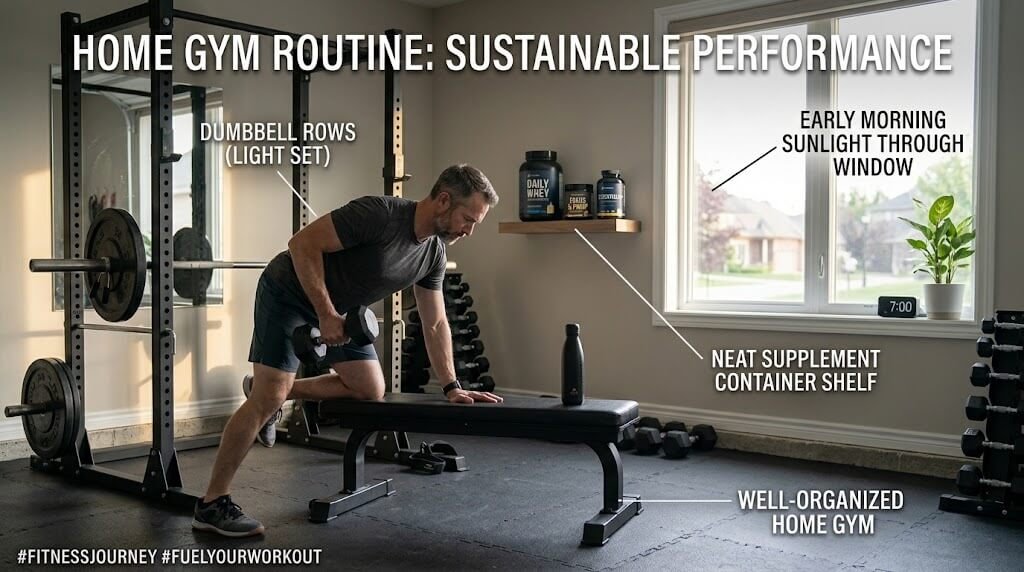
Low energy and a fading sex drive don’t show up overnight. They creep in after months of poor sleep, heavy training loads, stress, and a diet that barely covers your micronutrient needs. As a strength and conditioning coach, I see it in the gym constantly: a guy in his 30s or 40s who used to crush a 315-lb (143-kg) deadlift now can’t get through a second set of squats without feeling wiped. His libido has dropped, and he’s wondering if something’s “broken.”
Most of the time, it isn’t broken. It’s under-fueled. Before you reach for a testosterone booster bottle with a flashy label, it’s worth checking the basics: are you getting enough zinc, vitamin D, B-vitamins, and the amino acids that support nitric oxide production? The good news is that a handful of well-researched supplements for libido and energy in men can fill those gaps safely and effectively.
This guide walks through ten of the most evidence-backed options, with practical dosing, timing, and safety notes you can actually use. No hype, no miracle claims—just what the research supports and what I’d recommend to a client sitting across from me in the office.
Quick Answer: The most evidence-backed supplements for libido and energy in men are zinc (15–30 mg/day), vitamin D3 (2,000–5,000 IU/day if deficient), L-citrulline (3–6 g/day), maca root (1.5–3 g/day), Panax ginseng (200–400 mg/day), and a B-vitamin complex. These support nitric oxide production, hormonal balance, and mitochondrial energy. Always check with a doctor before starting any supplement, especially if you take medications.
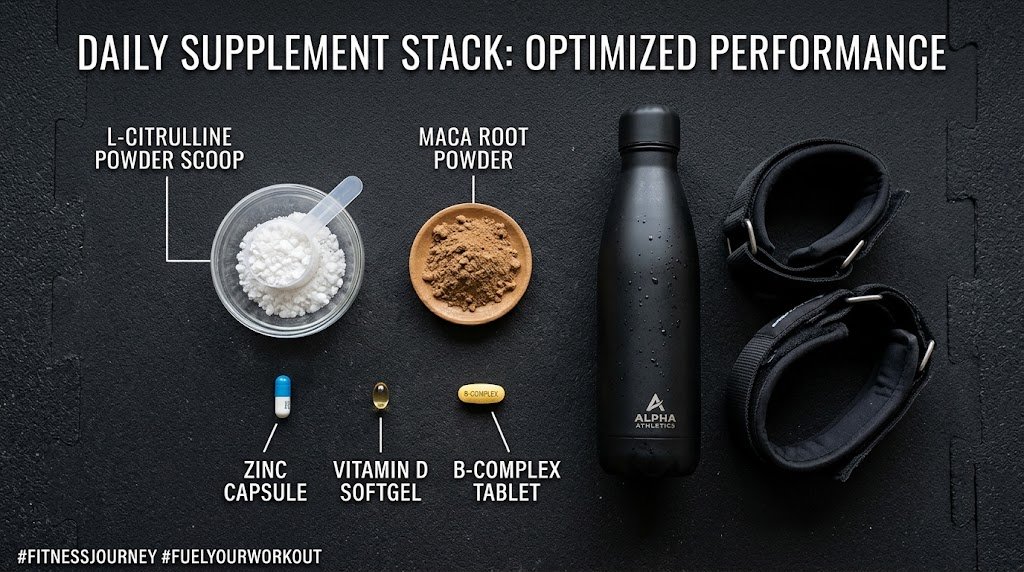
Why Libido and Energy Drop in Men
Before picking a supplement, it helps to understand the two systems at play:
- Hormonal axis. Your hypothalamus signals the pituitary gland to release luteinizing hormone (LH), which tells your testes to produce testosterone. Low zinc, low vitamin D, chronic cortisol, and poor sleep can all blunt this pathway.
- Vascular and energy axis. An erection depends on healthy nitric oxide (NO) production in the endothelium (the inner lining of blood vessels). Fatigue and low libido are also tied to mitochondrial ATP production, which depends on B-vitamins, CoQ10, and magnesium.
A 2018 meta-analysis in the Journal of Sexual Medicine found that zinc supplementation in men with low baseline zinc improved testosterone levels and sexual function scores. Similarly, the NIH Office of Dietary Supplements notes that vitamin D deficiency is linked to lower testosterone in men NIH ODS – Vitamin D.
You don’t need to overhaul your entire routine. Targeted supplementation, paired with consistent training and sleep, can make a measurable difference. Here are the ten I’d put on a client’s shelf.
1. Zinc
What it does: Zinc is a cofactor in over 300 enzymatic reactions, including those that produce testosterone and support sperm health. Men who train hard and sweat a lot lose zinc through perspiration.
Evidence: A 2018 study in the Journal of Sexual Medicine showed that zinc supplementation (66 mg/day for 12 weeks) increased serum testosterone in hypogonadal men. The NIH lists the RDA for adult men at 11 mg/day, with an upper tolerable limit of 40 mg/day NIH ODS – Zinc.
Dosing and timing:
- 15–30 mg of zinc picolinate or zinc bisglycinate with your largest meal (usually dinner).
- Avoid taking it on an empty stomach; it can cause nausea.
- Do not exceed 40 mg/day long-term without medical supervision.
Who should skip it: Men on copper supplementation (zinc can deplete copper over time) or those taking certain antibiotics (quinolones, tetracyclines) should space doses by 2 hours.
Coach’s Tip: If you’re already taking a multivitamin with 15 mg of zinc, you likely don’t need an additional zinc pill. Check your label first. Double-dosing zinc is the most common supplement mistake I see in my clients.
2. Vitamin D3
What it does: Vitamin D receptors are present in testicular tissue. Low vitamin D is associated with lower total and free testosterone, reduced energy, and increased fatigue.
Evidence: A 2015 study in Hormones found that vitamin D supplementation (3,333 IU/day for 12 months) significantly increased testosterone in men who started with a deficiency. The Endocrine Society recommends maintaining a serum 25-hydroxyvitamin D level of 30 ng/mL or higher for optimal health Endocrine Society Guidelines.
Dosing and timing:
- 2,000–5,000 IU of cholecalciferol (D3) daily with a meal containing fat (eggs, avocado, olive oil).
- If your bloodwork shows a level below 20 ng/mL, your doctor may recommend a higher loading dose. Get tested first.
- Pair with 200–400 IU of vitamin K2 (MK-7 form) to support proper calcium distribution.
Who should skip it: Men with hyperparathyroidism or granulomatous diseases should consult a doctor before supplementing.
3. L-Citrulline
What it does: L-citrulline is an amino acid your body converts to L-arginine, which then feeds the nitric oxide pathway. More nitric oxide means better vasodilation, which supports both erectile function and the “pump” you feel during training.
Evidence: A 2011 study in the Journal of Sexual Medicine found that 1.5 g of L-citrulline daily for 24 weeks improved erectile function in men with mild erectile dysfunction . A 2016 review in Amino Acids confirmed that L-citrulline raises plasma arginine levels more effectively than taking arginine directly.
Dosing and timing:
- 3–6 g of L-citrulline malate (2:1 ratio) or pure L-citrulline, 30–60 minutes before training or with breakfast.
- For libido-focused use, take 3 g daily, ideally in the morning.
- No need to cycle; it’s well-tolerated long-term.
Who should skip it: Men on blood pressure medications (especially nitrates or PDE-5 inhibitors like sildenafil) should talk to their doctor first, as the combined vasodilatory effect can drop blood pressure too far.
Common Mistake: Many men buy L-arginine instead of L-citrulline. Arginine has poor bioavailability—your gut breaks down most of it before it reaches your bloodstream. Citrulline bypasses that first-pass metabolism and actually produces more arginine in your blood. If you’re going to pick one, pick citrulline.
4. Maca Root (Lepidium meyenii)
What it does: Maca is a Peruvian adaptogenic root that has been used for centuries to support stamina, mood, and sexual desire. It does not raise testosterone directly; instead, it appears to modulate the hypothalamic-pituitary-gonadal axis and support neurotransmitter balance.
Evidence: A 2016 meta-analysis in the Journal of Sexual Medicine of six randomized controlled trials found that maca (1.5–3 g/day) improved self-reported sexual desire in men with mild erectile dysfunction, with effects appearing after 4–12 weeks . The NCCIH profiles maca as generally safe at typical doses NCCIH – Maca.
Dosing and timing:
- 1.5–3 g of gelatinized maca powder daily (gelatinized is easier on the stomach than raw).
- Mix into a morning smoothie, oatmeal, or coffee.
- Give it at least 4 weeks before judging results.
Who should skip it: Men with thyroid conditions should use caution, as maca contains goitrogens. Talk to your doctor if you’re on thyroid medication.
5. Panax Ginseng (Korean Red Ginseng)
What it does: Panax ginseng is one of the most studied adaptogens for male sexual function. It supports nitric oxide synthesis, reduces oxidative stress in vascular tissue, and may improve energy and mental focus.
Evidence: A 2016 meta-analysis in Phytotherapy Research of five RCTs found that red ginseng (600–900 mg/day for 8–24 weeks) improved erectile function scores and sexual satisfaction in men with mild-to-moderate ED. The NCCIH notes that ginseng is generally well-tolerated but may interact with blood thinners and diabetes medications NCCIH – Ginseng.
Dosing and timing:
- 200–400 mg of standardized Panax ginseng extract (5% ginsenosides) in the morning.
- Avoid taking it in the evening; it can be mildly stimulating and disrupt sleep.
- Cycle it: 8 weeks on, 2 weeks off, to avoid tolerance.
Who should skip it: Men on anticoagulants (warfarin, apixaban), insulin, or stimulant medications should check with their doctor.
6. Ashwagandha (Withania somnifera)
What it does: Ashwagandha is an adaptogen that lowers cortisol (the stress hormone) and may support healthy testosterone levels. Chronic stress elevates cortisol, which in turn suppresses the LH-testosterone pathway. By taking the edge off stress, ashwagandha indirectly supports both energy and libido.

Evidence: A 2019 randomized trial in the Journal of the Endocrine Society found that 600 mg of ashwagandha root extract daily for 12 weeks increased testosterone by approximately 17% and improved sperm quality in infertile men . A 2022 meta-analysis in Frontiers in Endocrinology confirmed cortisol-lowering effects across multiple trials .
Dosing and timing:
- 300–600 mg of a standardized root extract (e.g., KSM-66 or Sensoril) in the evening with dinner.
- Taking it at night also supports sleep quality, which is critical for testosterone production (most of your daily testosterone is released during deep sleep).
- Give it 6–8 weeks to notice full effects.
Who should skip it: Men with autoimmune conditions (thyroiditis, lupus, rheumatoid arthritis) should avoid ashwagandha or use it only under medical supervision, as it can stimulate the immune system.
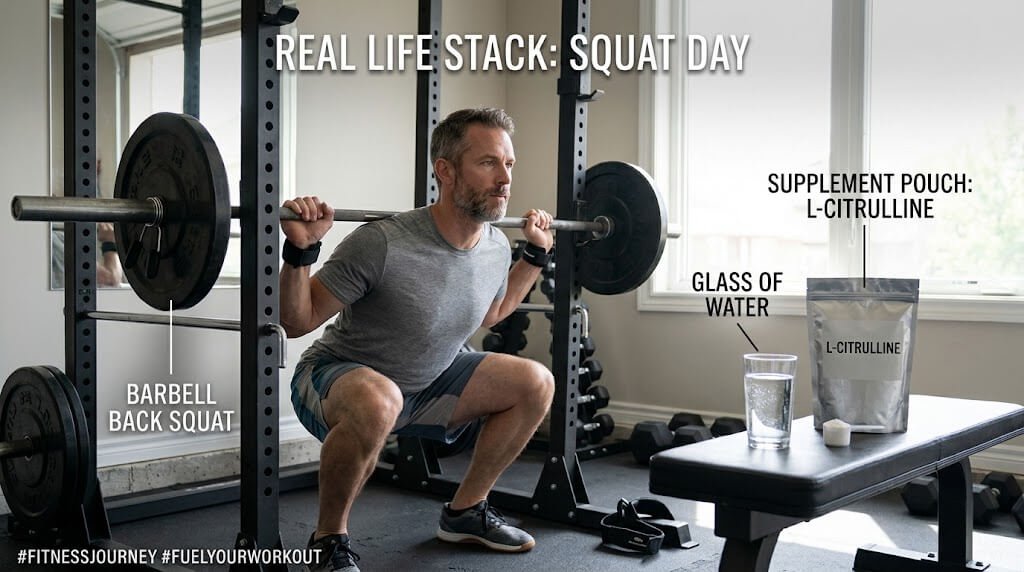
7. B-Vitamin Complex (B6, B12, Folate)
What it does: B-vitamins are essential cofactors in mitochondrial ATP production—the process your cells use to make energy. B6 and B12 also help regulate homocysteine, and elevated homocysteine is linked to endothelial dysfunction, which affects blood flow and erectile quality.
Evidence: The NIH Office of Dietary Supplements notes that B12 deficiency can cause fatigue, weakness, and neurological symptoms NIH ODS – Vitamin B12. A 2020 review in Nutrients linked adequate B6 and folate intake to better vascular function .
Dosing and timing:
- A quality B-complex providing 25–50 mg of B6 (pyridoxine or P-5-P form), 500–1,000 mcg of B12 (methylcobalamin), and 400–800 mcg of folate (methylfolate) daily.
- Take in the morning with breakfast. B-vitamins can be mildly stimulating.
- If you’re a meat eater with a balanced diet, you may already be covered. Men who are vegetarian, vegan, or have malabsorption issues are more likely to be deficient.
Who should skip it: Men taking metformin for diabetes should get their B12 levels checked annually, as metformin can reduce B12 absorption.
Coach’s Tip: Don’t chase mega-doses of B6. More than 100 mg/day of pyridoxine over several months can cause peripheral neuropathy (tingling in hands and feet). Stick to the 25–50 mg range in a B-complex and you’ll be fine.
8. Coenzyme Q10 (CoQ10 / Ubiquinol)
What it does: CoQ10 is a fat-soluble compound found in every cell’s mitochondria. It’s a key electron carrier in the ATP production chain. As you age, natural CoQ10 levels decline, which can contribute to fatigue and reduced cardiovascular (and vascular) performance.
Evidence: A 2014 study in the Journal of Sexual Medicine found that 200 mg of CoQ10 daily for 12 weeks improved erectile function and increased NO levels in men with ED . The NCCIH lists CoQ10 as generally safe at doses up to 1,200 mg/day in clinical trials NCCIH – CoQ10.
Dosing and timing:
- 100–200 mg of ubiquinol (the reduced, more absorbable form) with a meal containing fat.
- Take in the morning or early afternoon.
- If you’re on a statin medication, CoQ10 supplementation is especially relevant because statins deplete natural CoQ10 stores.
Who should skip it: Generally well-tolerated. Men on blood thinners should inform their doctor, as high-dose CoQ10 may have mild anticoagulant effects.
9. Rhodiola Rosea
What it does: Rhodiola is an adaptogenic herb that helps the body manage physical and mental stress. It supports energy without the jittery spike-and-crash you get from caffeine, and it may improve exercise performance and recovery.
Evidence: A 2016 meta-analysis in Phytomedicine found that Rhodiola (200–600 mg/day) reduced symptoms of fatigue and improved mental performance under stress . A 2013 study in Evidence-Based Complementary and Alternative Medicine showed improved exercise capacity in endurance athletes .
Dosing and timing:
- 200–400 mg of a standardized extract (3% rosavins, 1% salidroside) in the morning or 1–2 hours before training.
- Avoid taking it after 2 PM if you’re sensitive to stimulants.
- Cycle: 5 days on, 2 days off, or 8 weeks on, 2 weeks off.
Who should skip it: Men with bipolar disorder or severe anxiety should use caution, as adaptogens can sometimes be activating.
10. Magnesium
What it does: Magnesium is involved in over 600 enzymatic reactions, including ATP synthesis, muscle relaxation, and nerve signaling. It also helps convert vitamin D to its active form and supports healthy sleep. Low magnesium is linked to fatigue, muscle cramps, and poor sleep quality—all of which drag down energy and libido.
Evidence: The NIH lists the RDA for adult men at 400–420 mg/day, and notes that up to 75% of Americans don’t meet this requirement through diet alone NIH ODS – Magnesium. A 2021 review in Nutrients linked adequate magnesium intake to better sleep quality and lower cortisol .
Dosing and timing:
- 200–400 mg of magnesium glycinate or magnesium threonate 30–60 minutes before bed.
- Glycinate is gentle on the stomach; threonate crosses the blood-brain barrier and may support cognitive function.
- Avoid magnesium oxide if you can; it has poor absorption and a laxative effect.
Who should skip it: Men with kidney disease should not supplement magnesium without medical supervision, as impaired kidneys can’t excrete excess magnesium.
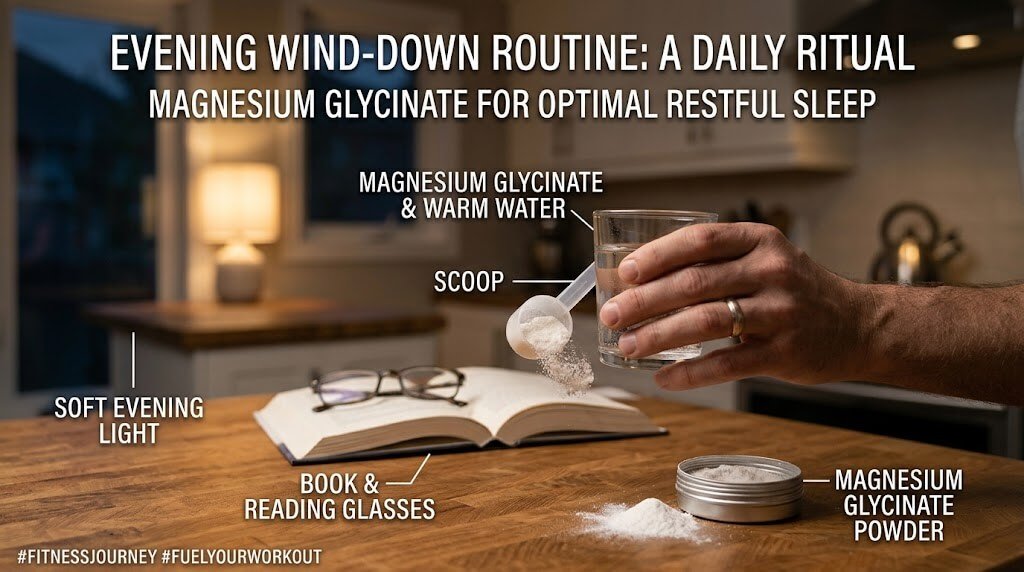
How to Build a Daily Supplement Stack
You don’t need all ten at once. Start with the basics and add from there. Here’s a practical daily schedule I’d suggest to a client:
| Time | Supplement | Dose |
| Morning (with breakfast) | Vitamin D3 + K2 | 2,000–5,000 IU D3 / 200 mcg K2 |
| B-Vitamin Complex | 1 tablet (25–50 mg B6, 500 mcg B12) | |
| L-Citrulline | 3–6 g (pre-workout if training that day) | |
| CoQ10 (ubiquinol) | 100–200 mg | |
| Midday (with lunch) | Maca Root | 1.5–3 g (mix into food) |
| Panax Ginseng | 200–400 mg (morning only, not evening) | |
| Evening (with dinner) | Zinc | 15–30 mg |
| Ashwagandha | 300–600 mg | |
| Before bed | Magnesium Glycinate | 200–400 mg |
Start slow. Pick 2–3 supplements from the list (I’d start with zinc, vitamin D, and L-citrulline), take them consistently for 4–6 weeks, and track how you feel. Then add one or two more. This way, if something upsets your stomach, you know which one to blame.
Easier Version (Budget-Friendly Start)
If you want to keep it simple and under $30/month:
- A quality men’s multivitamin (covers zinc, B-vitamins, vitamin D)
- L-citrulline powder (buy a bulk tub; it lasts months)
- Magnesium glycinate before bed
Harder Version (Full Stack)
If you’ve been training consistently, eating well, and still feel flat:
- Add maca, ashwagandha, CoQ10, and ginseng to the base stack above.
- Get bloodwork done (testosterone, vitamin D, zinc, B12, magnesium, thyroid panel) so you’re supplementing based on actual deficiencies, not guesswork.
Safety Tips and What to Avoid
- Talk to your doctor first. This is especially important if you take blood pressure meds, blood thinners, diabetes medications, or any prescription drugs. Supplements can interact with medications in ways you won’t find on the label.
- Skip “testosterone booster” blends. Most of these are underdosed proprietary mixes of saw palmetto, fenugreek, and DHEA with no meaningful clinical evidence. You’re paying for a brand name, not a dose that works.
- Don’t megadose. More is not better. Zinc above 40 mg/day, B6 above 100 mg/day, and vitamin D above 10,000 IU/day (without monitoring) can cause real harm.
- Watch for red-flag marketing. If a label says “clinically proven to increase testosterone by 400%,” walk away. Legitimate supplements work in the range of 5–20% improvement, and that’s already meaningful.
- Quality matters. Look for third-party testing seals (NSF International, USP, Informed Sport) on any supplement you buy. The supplement industry is not regulated by the FDA the same way drugs are, so manufacturing quality varies widely.
- Sleep and training come first. No supplement stack fixes 5 hours of sleep and zero resistance training. Aim for 7–9 hours of sleep and at least two days per week of muscle-strengthening activity, in line with HHS Physical Activity Guidelines.
Common Mistake: Men will take a libido supplement for two weeks, feel no change, and quit. Most of these compounds—maca, ashwagandha, ginseng—need 4 to 12 weeks of consistent use before you notice a difference. Give the protocol time before you judge it.
Who Should Be Especially Cautious
- Men over 50 or with cardiovascular disease: Check with your doctor before adding vasodilatory supplements (L-citrulline, ginseng, CoQ10) if you’re on nitrates, PDE-5 inhibitors, or antihypertensives.
- Men with liver or kidney disease: Avoid high-dose zinc, ashwagandha, and ginseng. Your organs process these compounds, and impaired function changes the risk calculus.
- Men on anticoagulants: Ginseng, CoQ10, and high-dose vitamin E can thin the blood further.
- Men with autoimmune conditions: Ashwagandha and rhodiola can stimulate immune activity.
- Men who are trying to conceive: Most of the supplements above are safe, but confirm with a reproductive urologist, especially for maca and ginseng.
This article is for general information and is not a substitute for advice from a doctor or physical therapist.
FAQ
What supplements help with low libido in men?
The most studied options are L-citrulline (supports nitric oxide and blood flow), maca root (supports sexual desire), Panax ginseng (supports erectile function), and zinc (supports testosterone production). A B-vitamin complex and vitamin D fill common nutritional gaps that drag down energy and hormonal balance.
Do energy supplements actually boost testosterone?
Not directly. Most “energy” supplements (B-vitamins, CoQ10, citrulline) support cellular energy and blood flow, not testosterone synthesis. Zinc and adequate vitamin D are the two nutrients with the strongest link to healthy testosterone levels. Ashwagandha may modestly support testosterone by lowering cortisol.
Can I take libido supplements with other medications?
It depends on the medication. L-citrulline and ginseng can interact with blood pressure drugs and PDE-5 inhibitors. Ginseng and CoQ10 can interact with blood thinners. Always check with your prescribing doctor or pharmacist before adding a new supplement to your routine.
What is the best natural supplement for male energy?
L-citrulline (3–6 g pre-workout) for physical energy and the “pump.” A B-vitamin complex for cellular ATP production. Magnesium glycinate before bed for recovery and sleep quality. CoQ10 (100–200 mg) supports mitochondrial energy, especially if you’re over 40 or on a statin.
How long do libido supplements take to work?
Most require 4 to 12 weeks of consistent daily use. L-citrulline can show vascular benefits within 2–4 weeks. Maca, ginseng, and ashwagandha typically need 6–12 weeks. Track your energy, sleep quality, and libido in a simple journal so you can spot gradual changes.
Are testosterone boosters safe for long-term use?
Most individual nutrients (zinc, vitamin D, B-vitamins, magnesium) are safe long-term at RDA-level doses. Herbal adaptogens (ginseng, ashwagandha, maca) are generally safe but are best cycled (8 weeks on, 2 weeks off). Avoid proprietary “testosterone booster” blends with proprietary blends and no third-party testing. Get annual bloodwork if you’re supplementing long-term.
The Bottom Line
You don’t need a $120/month stack of 15 pills to feel like yourself again. Start with the two or three supplements that match your actual gaps—zinc if you sweat a lot and eat little seafood, vitamin D if you work indoors and live north of 37° latitude, L-citrulline if your “pump” and vascular health have faded. Add one or two more after a month. Get bloodwork done once a year so you’re supplementing with data, not guesswork.
Pair the supplements with the non-negotiables: 7–9 hours of sleep, two to three days of progressive resistance training per week, and a diet rich in whole foods, lean protein, and healthy fats. The supplements are the fine-tuning. The training and sleep are the engine.
If your energy and libido haven’t improved after 8–12 weeks of consistent supplementation, good sleep, and regular training, that’s the signal to see your doctor and get a full hormonal panel. Sometimes the answer isn’t a supplement at all—it’s a medical issue that needs proper treatment.
You’ve got this. Start small, stay consistent, and give your body the raw materials it needs to do what it was built to do.