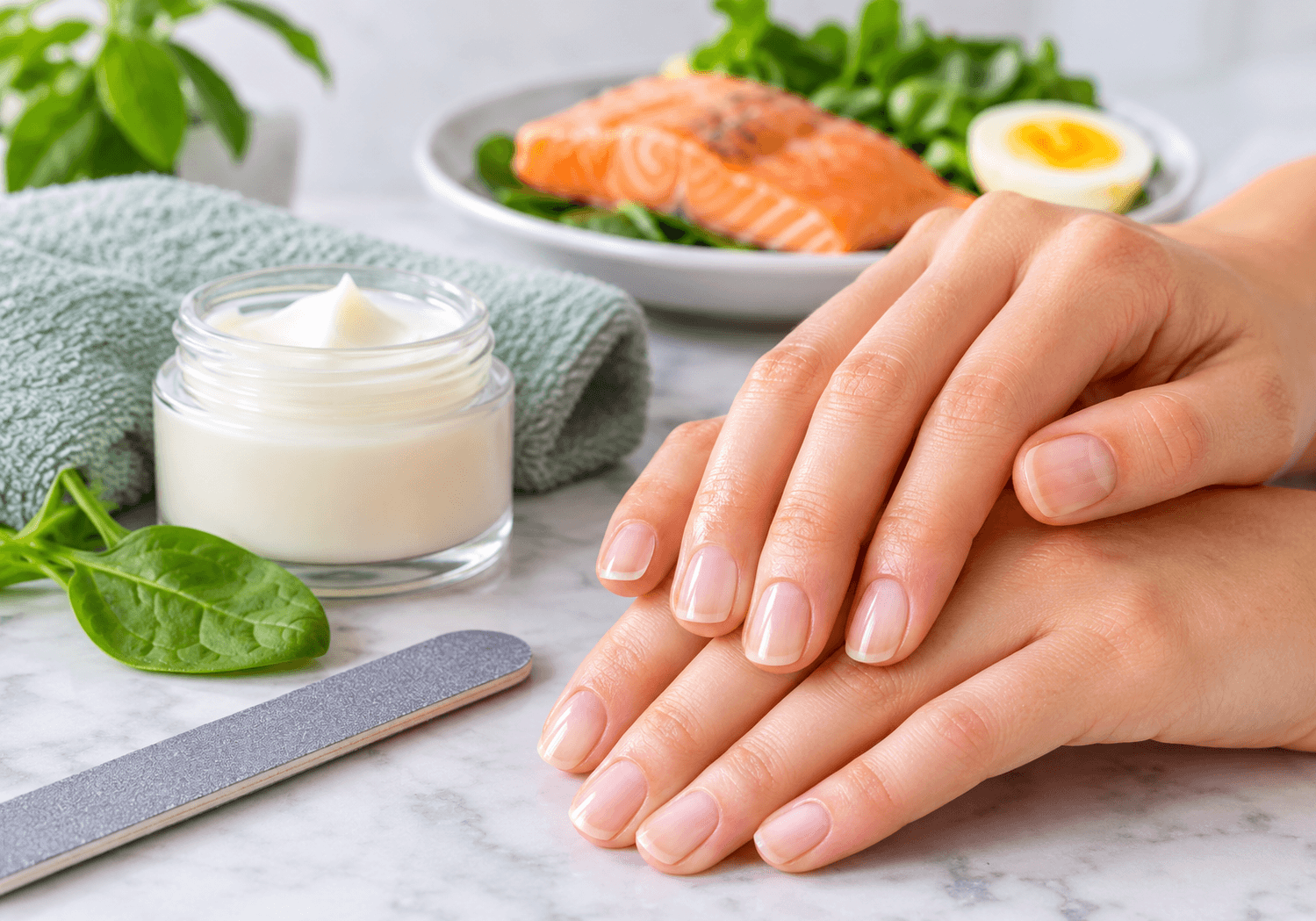
Knowing how to improve nail and cuticle health naturally starts with one idea: your nails and cuticles are part of your skin. They react to the same things your skin does. Long soaks in water, harsh cleaners, picking, and rough handling wear them down. Gentle care, steady moisture, and a balanced diet help them hold up.
Think of this guide as a training plan for your hands. Small habits repeated every day beat big one-time fixes. Nails also grow slowly, so patience matters as much as effort.
Below you will find what the research says, a step-by-step routine with easier and harder versions, nutrition and supplement facts, and the warning signs that mean it is time to see a doctor.
Quick Answer
Quick Answer: To improve nail and cuticle health naturally, wear gloves for wet work, moisturize nails and cuticles daily, and avoid cutting or picking cuticles. Eat a balanced diet with enough protein, iron, and zinc. Ask a doctor before taking biotin. See a doctor if nail changes last or look unusual.
What Your Nails and Cuticles Are Made Of
Nails are made of layers of keratin, a hard protein that is also found in hair and skin. They grow from the base of the nail, under the cuticle, according to Mayo Clinic. As new cells form, older cells harden and get pushed toward the fingertip. Healthy nails are smooth, without ridges, grooves, spots, or color changes.
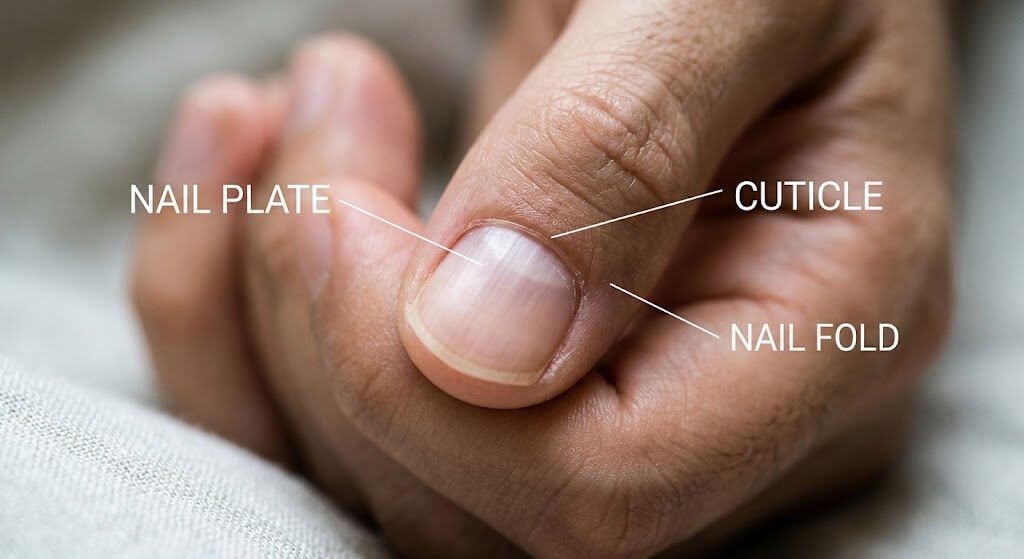
The cuticle is the thin skin at the base of the nail. It sits right where new nail forms, so damage there matters. Mayo Clinic advises against having cuticles removed during a manicure because it can lead to a nail infection. Cleveland Clinic adds that you should not pick at cuticles or trim them too close to the nail fold, the skin that frames the nail.
Weak nails are common. A review in Dermatology and Therapy reports that nail brittleness affects up to 20% of people and is most common in women over 50. Brittle nails split, flake, crumble, and feel soft. MedlinePlus notes that brittle nails are often a normal result of aging, so some change is not a sign you did something wrong.
How to Improve Nail and Cuticle Health Naturally: What the Research Says
The best-supported steps are simple. Protect nails from water and chemicals, keep them moisturized, and rule out medical causes. Supplements come last, not first.
Water and chemicals cause most everyday damage
Mayo Clinic says very hot or very cold temperatures, frequent contact with cleaning chemicals, and long periods with nails in water can weaken nails and make them more likely to split. It also notes that regular use of acetone polish remover can wear nails down over time.
The Dermatology and Therapy review points the same way. It links nail fragility to frequent hand washing, which is common in people who do a lot of housework or work in health care. MedlinePlus adds that long-term exposure to moisture or nail polish can cause nails to peel and become brittle.
You can’t (and shouldn’t) stop washing your hands. But you can limit how long your nails sit in water, wear gloves for dishes and cleaning, and moisturize right after washing.
Moisture is the best-supported home fix
Mayo Clinic recommends a daily moisturizer on your nails and cuticles, and says a product made to harden nails may help them resist tearing and splitting. For brittle nails, MedlinePlus suggests keeping nails short, skipping polish, and using a softening cream after washing or bathing. The brittle nails review also says topical moisturizers and lacquers can be considered to help restructure the nail plate.
Studies comparing specific creams and oils are limited [VERIFY], so pick a simple product you will actually use every day. Consistency matters more than the label.
Nutrition: what is proven and what is not
Nails need a steady supply of nutrients like the rest of your body. MedlinePlus says low levels of zinc and iron, as well as thyroid problems, can cause brittle nails. It also lists malnutrition and vitamin deficiency among the conditions that can change how nails look, in its nail abnormalities article.
Because nails are made of keratin, a protein, getting enough protein intake across the day is a sensible base for overall health. That said, if your diet is already balanced, extra pills may add little. Never guess at a deficiency. A doctor can order blood tests if one is suspected.
Biotin: popular, but the evidence is small
Biotin is the best-known “nail vitamin.” The NIH Office of Dietary Supplements says biotin supplements are often promoted for hair, skin, and nails, but there is little scientific evidence behind the claims. In a few small studies, some people with thin, brittle nails who took high doses had harder nails.
The brittle nails review says biotin, trace elements, and amino acids have been reported as useful in cases with no clear cause. Mayo Clinic adds that a doctor may recommend biotin if self-care does not help. So biotin is a fair topic to raise with your doctor, but it is not the first step.
There are real cautions. According to the NIH Office of Dietary Supplements, biotin above recommended amounts may cause false results in some lab tests, including thyroid hormone tests. Long-term use of antiseizure medicine can lower biotin levels, and deficiency is more likely in people with a rare genetic condition called biotinidase deficiency, people with alcohol dependence, and people who are pregnant or breastfeeding. If you suspect low levels, our vitamin deficiency guide explains how to approach it.
When weak nails point to something else
The brittle nails review separates two types. One has no clear cause. The other is caused by something else, such as inflammatory nail disorders, infections, injury, or body-wide disease. MedlinePlus lists thyroid, kidney, and liver disease as possible causes of nail changes. Mayo Clinic names psoriasis, lichen planus, and dermatitis as skin conditions that can show up in the nails.
That is why a doctor visit makes sense when gentle care fails.
| Habit | What to do | Why it helps | Source |
| Gloves for wet work | Wear them for dishes and cleaning products | Limits water and chemical exposure | Mayo Clinic |
| Daily moisturizer | Rub into nails and cuticles after washing and before bed | Helps dry, brittle nails and cuticles | Mayo Clinic, MedlinePlus |
| Acetone-free remover, polish breaks | Limit remover use and rest nails from polish | Reduces drying and peeling | Mayo Clinic, MedlinePlus |
| Clip hangnails, never pull | Use clean clippers on loose skin only | Pulling can tear live tissue | Mayo Clinic |
| Leave cuticles intact | Skip cuticle removal at salons | Lowers infection risk | Mayo Clinic, Cleveland Clinic |
| Balanced diet | Cover protein, iron, and zinc through food | Low iron or zinc can cause brittle nails | MedlinePlus |
| Biotin | Only after talking with your doctor | Evidence is small; can affect lab tests | NIH ODS |
How to Improve Nail and Cuticle Health Naturally: Your Step-by-Step Routine
Treat this like a training block. Start with the basics, add one habit at a time, and check your progress at the four-week mark. Mayo Clinic suggests seeing a doctor or dermatologist if basic self-care brings no improvement after about a month.
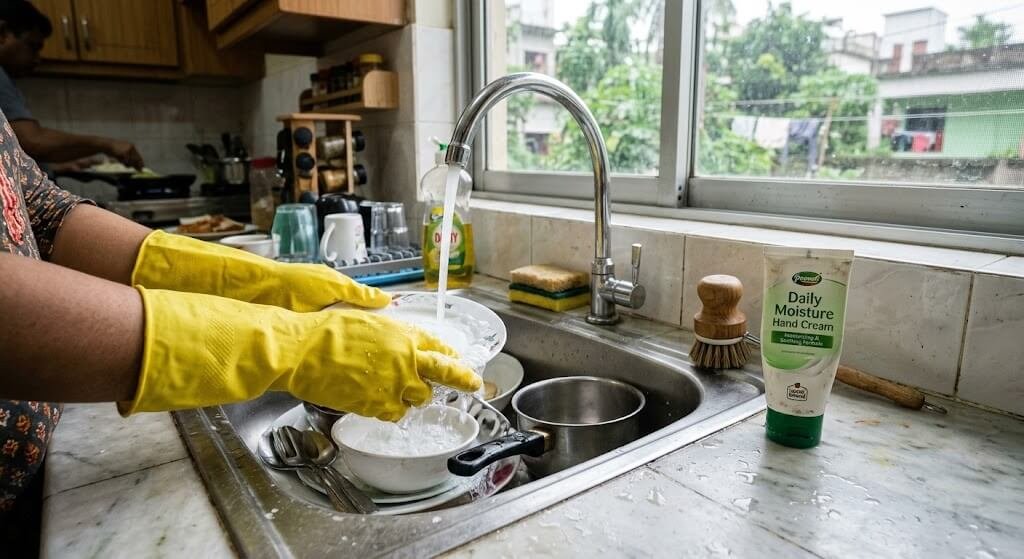
- Protect your hands from water and chemicals. Wear gloves for dishes and cleaning products. Use lukewarm water instead of very hot or very cold, since temperature extremes are hard on nails. This one habit does a lot of the work.
- Wash gently, then moisturize right away. Pat hands dry, then rub cream into every nail and the skin around it. Do this after each hand wash you can. Aim for the same spot every time so it becomes automatic.
- Do a two-minute nightly nail massage. Spend about 10 seconds per finger rubbing cream or ointment into the nail, cuticle, and nail fold, in small circles. Think of it as a cool-down for your hands. It keeps cuticles soft and cuts the urge to pick.
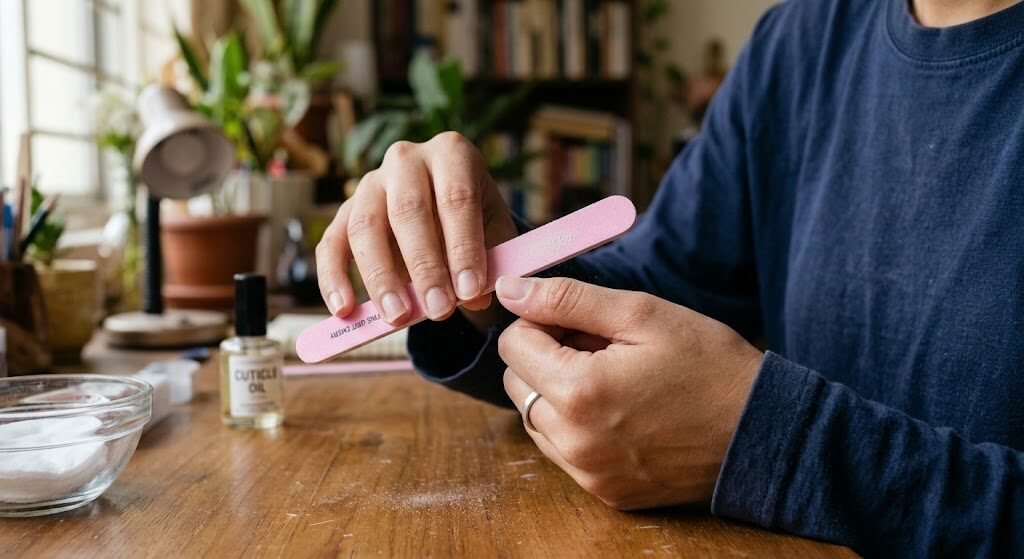
- File and trim with care. Keep nails short and round the tips in a gentle curve, as Mayo Clinic advises. Use a fine emery board and file in one direction. For a loose hangnail, clip it off with clean clippers. Do not pull it.
- Leave your cuticles alone. Skip cuticle cutting and cuticle removal at the salon. If skin looks rough, moisturize it more often instead of cutting it.
- Break biting and picking habits. Biting nails or picking cuticles can injure the nail bed and let germs in. Cleveland Clinic advises against biting nails and hangnails and picking at cuticles. Keep nails short so there is less to bite, and keep cream handy for restless fingers.
- Choose polish and salon visits wisely. Use an acetone-free remover. If you get manicures, pick a salon that shows a current state license and sterilizes its tools, as Mayo Clinic advises. MedlinePlus suggests bringing your own manicure tools and not letting the technician work on your cuticles. Give nails polish-free weeks now and then.
- Eat for your nails. Include a protein source at each meal, and keep your plate varied. Our guide to the nutrients that support normal energy metabolism is a good place to review the basics.
- Re-check at four weeks. Take a photo each week. If nails look the same or worse after about a month, book a visit instead of adding more products.
Coach’s Tip: Put a tube of hand cream where your hands already are: by the sink, in your gym bag, and on the nightstand. Habits stick when they are easy. Rubbing it in while you watch TV makes the nightly massage almost free.
Common Mistake: Pulling off a hangnail with your fingers. Mayo Clinic warns this can rip live tissue along with the dead skin, which raises your risk of infection. Clip it instead.
Easier and harder versions of the routine
| Level | What you do | Time |
| Easier (starter) | Gloves for dishes and cleaning, plus hand cream after washing | About 2 extra minutes a day |
| Standard | Starter plus the nightly 2-minute massage, weekly filing, and no cuticle cutting | About 15 to 20 minutes a week |
| Harder (advanced) | Standard plus weekly photos, polish breaks, a food check for protein, and a four-week review | About 30 minutes a week |
Start at the easier level for two weeks. If it feels simple, move up. Most people do well at the standard level.
Food-First Nutrition and Smart Supplement Choices
A food-first plan is the safest place to begin. The NIH Office of Dietary Supplements lists salmon, eggs, and vegetables such as sweet potatoes, spinach, and broccoli among food sources of biotin. The average healthy eater who covers these basics usually does not need more, though a doctor can tell you for sure.

If you are thinking about a supplement, slow down and check the label. Our guide on how to evaluate supplement ingredients shows how to look at doses and added ingredients. Check with a doctor before you start any supplement. This matters most if you are pregnant, breastfeeding, taking medicine, or have blood work coming up, because biotin can affect some lab results.
Safety Notes: When to See a Doctor
Self-care works for everyday weak nails. It does not replace a medical check when something looks off.
Contact a doctor if you notice any of these, according to MedlinePlus:
- Blue, pale, clubbed, or distorted nails
- Horizontal ridges, white lines, or white color under the nail
- Pits, peeling, or painful nails
- Ingrown nails
- A dark streak running down the nail, which MedlinePlus says can be a sign of a serious skin cancer called subungual melanoma
MedlinePlus also says red-brown lines under the nail called splinter hemorrhages need to be seen by a provider right away. For infection, watch for swelling, pain, and pus around the nail. Cleveland Clinic says pus that does not drain on its own may need to be drained by a provider. Thick, discolored, crumbly nails that separate from the nail bed can signal a fungal infection, per Mayo Clinic.
If you have diabetes, poor circulation, or a weakened immune system, ask your doctor before treating nail problems yourself.
Related Tips for Gym-Goers and Busy Hands
- Rinse and moisturize after chalk or heavy gripping. Hands that grip bars all week need the same care as any other skin.
- Keep nails short for training. Short nails snag less on bars, plates, and kettlebell handles, and they are easier to keep clean.
- Protect hands in cold or hot conditions. Mayo Clinic notes that repeated very hot or very cold exposure can be hard on nails, so wear gloves outdoors in winter.
- Wash hands after the gym, and keep nails clean and dry. Mayo Clinic lists clean, dry nails and sterilized salon tools among habits that help prevent nail infections.
- Take polish breaks. Brittle nails often do better with fewer coats and fewer remover sessions.
Frequently Asked Questions
What vitamin is best for nails and cuticles?
No single vitamin or mineral is proven best. MedlinePlus says low iron, low zinc, and thyroid problems can cause brittle nails, so a doctor may check for the real cause. Biotin has only small studies behind it. Start with a balanced diet, and talk with your doctor before adding any supplement.
Should I cut my cuticles?
Skip cutting them. Mayo Clinic says not to have cuticles removed during a manicure, because it can lead to infection. Cleveland Clinic also warns against trimming close to the nail fold. Moisturize them daily, and clip only a loose hangnail with clean clippers instead of pulling it off.
How long does it take to improve nail health?
Nails grow slowly, so give each change several weeks. Mayo Clinic suggests seeing a doctor or dermatologist if basic self-care brings no improvement after about a month. A fingernail can take around six months to fully grow out [VERIFY], so new, healthier nail appears gradually from the base.
Is biotin safe to take for nails?
Ask your doctor first. The NIH Office of Dietary Supplements says biotin above recommended amounts may cause false results in some lab tests, including thyroid hormone tests. It also notes that evidence for hair, skin, and nail benefits is limited. Tell your care team about every supplement before blood work.
Does nail polish damage nails?
It can, especially with frequent use and harsh removal. MedlinePlus says long-term exposure to moisture or nail polish can cause peeling and brittleness. Mayo Clinic notes that regular acetone remover can wear nails down. Use acetone-free remover and take polish breaks.
Why are my nails peeling and splitting?
Common causes include frequent hand washing, long water exposure, harsh chemicals, polish remover, and normal aging, per the brittle nails review. Sometimes a health condition such as thyroid disease or a skin problem is involved. If gentle care does not help within about a month, or other symptoms appear, ask a doctor to check.
Final Thoughts: How to Improve Nail and Cuticle Health Naturally
The best way to improve nail and cuticle health naturally is also the least exciting: protect, moisturize, and be patient. Gloves for wet work, daily cream, gentle filing, and leaving cuticles alone do most of the heavy lifting. A balanced diet supports the rest.
Supplements like biotin have small, limited studies behind them and can affect lab tests, so talk with your doctor first. If your nails do not improve after about a month of steady care, or if you notice color changes, ridges, pain, or a dark streak, get them checked.
Start with the easier routine this week. Add one new habit every two weeks, and take a weekly photo so you can see slow changes you might miss in the mirror. Check with a doctor before starting any nail supplement, or if you have a medical condition.