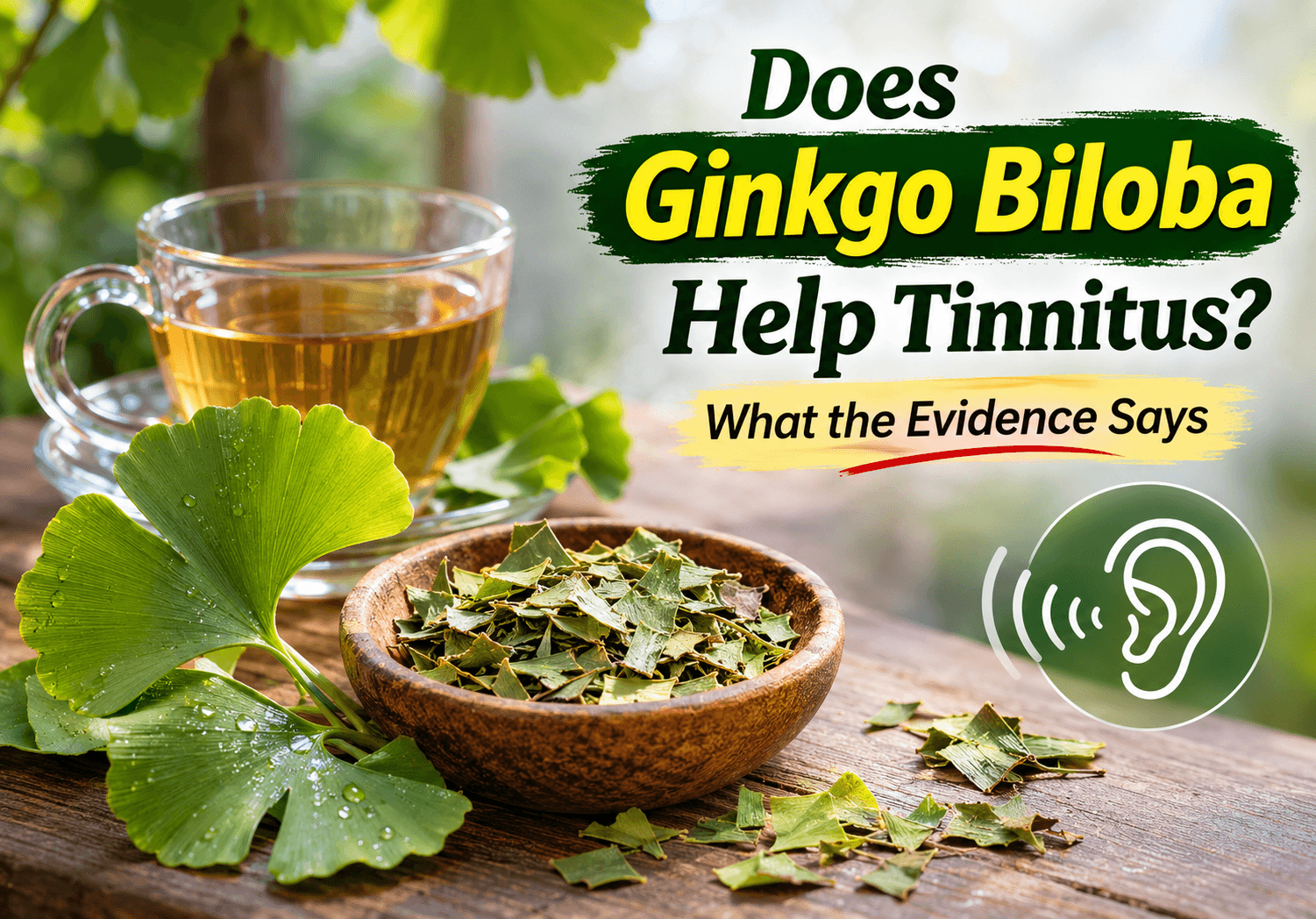
Ringing, buzzing, or hissing in the ears can be incredibly frustrating. When you search for natural relief, one name comes up repeatedly: ginkgo. You might be wondering, does ginkgo biloba help tinnitus, or is it just another overhyped wellness trend? As a health and conditioning coach, I see clients look for natural ways to support their well-being, and ear health is no exception.
Tinnitus affects millions of people worldwide, and the desire for a simple, natural solution is completely understandable. Ginkgo biloba is one of the oldest tree species on earth, and its leaf extract has been used for centuries to support circulation and cognitive function. But when it comes to the complex auditory system, we must rely on clinical data, not just tradition. This guide breaks down exactly what the research says, how the supplement works, and practical steps you can take to manage your symptoms safely and effectively.
Quick Answer
Does ginkgo biloba help tinnitus? The clinical evidence is mixed. Some older studies suggest minor benefits for specific types of vascular tinnitus due to improved blood flow. However, major systematic reviews and meta-analyses conclude that ginkgo biloba is generally no more effective than a placebo for most cases of tinnitus. It is not a cure, but it may support overall circulatory health when used safely under medical guidance.
Does Ginkgo Biloba Help Tinnitus? What the Clinical Data Shows
To understand if this herbal supplement works, we first need to understand what tinnitus is. Tinnitus is not a disease itself; it is a symptom. It is the perception of sound when no external noise is present. This can manifest as ringing, buzzing, clicking, or hissing. It often stems from damage to the tiny hair cells in the cochlea (inner ear), changes in blood flow, jaw (TMJ) dysfunction, or neurological processing issues.
Ginkgo biloba extract, particularly the standardized form known as EGb 761, contains two primary active compounds: flavonoid glycosides (which have strong antioxidant properties) and terpene lactones (which help improve blood flow and protect nerve cells). The theory is that by enhancing microcirculation to the inner ear and reducing oxidative stress, ginkgo might calm the auditory nerve and reduce the perception of ringing.
However, the scientific community has tested this theory extensively. A landmark Cochrane Database of Systematic Reviews analyzed multiple randomized controlled trials on ginkgo biloba for tinnitus. The researchers concluded that there is no compelling evidence that ginkgo biloba is more effective than a placebo in relieving tinnitus symptoms. Similarly, the National Center for Complementary and Integrative Health (NCCIH) states that while ginkgo is widely studied, its benefits for tinnitus remain unproven in large, rigorous trials.
This does not mean the supplement is useless for everyone. Some individuals with vascular tinnitus (ringing linked to blood flow issues) report subjective improvements. The American Tinnitus Association notes that while supplements like ginkgo are popular, they should never replace a proper medical evaluation, as tinnitus can be a warning sign of underlying health conditions.
Clinical Study Breakdown: Ginkgo Biloba and Ear Health
When evaluating health claims, it is crucial to look at the data. Below is a simplified comparison of how different clinical approaches have evaluated ginkgo biloba for auditory symptoms.
| Study Focus / Type | Typical Dosage Used | Duration | Reported Outcome |
| Vascular Tinnitus Trials | 120 mg to 240 mg of EGb 761 daily | 8 to 12 weeks | Some minor, subjective improvements in ear ringing linked to poor circulation, but results were inconsistent across participants. |
| Sensorineural Tinnitus Meta-Analysis | 120 mg to 240 mg daily | 12 to 24 weeks | No statistically significant difference between the ginkgo group and the placebo group in reducing tinnitus severity or loudness. |
| Cognitive & Circulatory Health Studies | 120 mg to 240 mg daily | 6+ months | Consistent evidence showing improved endothelial function and microcirculation, which supports general health, even if ear-specific benefits are unclear. |
Note: EGb 761 is the most researched, standardized extract of ginkgo biloba, guaranteed to contain 24% flavonoid glycosides and 6% terpene lactones.
How to Apply This Information: A Holistic Management Plan
As a coach, I teach my clients that no single pill is a magic bullet. If you and your doctor decide to try ginkgo biloba, it should be part of a broader, evidence-based strategy to support your auditory and overall health. Here is a practical, step-by-step approach to managing tinnitus.
Step 1: Get a Professional Medical Diagnosis
Before buying any supplement, schedule an appointment with an otolaryngologist (ENT) or an audiologist. Tinnitus can be caused by earwax blockage, high blood pressure, medication side effects, or temporomandibular joint (TMJ) disorders. Treating the root cause is always the first line of defense.
Step 2: Choose a High-Quality Extract
If your doctor approves, select a reputable brand. You want to evaluate supplement ingredients carefully to ensure you are getting a standardized extract. Look for “EGb 761” or a label guaranteeing 24% flavonoid glycosides and 6% terpene lactones. Avoid proprietary blends that hide the exact dosages.
Step 3: Start with a Conservative Dosage
The typical researched dosage for circulatory support is 120 mg to 240 mg per day, often split into two or three smaller doses (e.g., 80 mg taken three times daily). Always take it with food to minimize potential stomach upset. Give it at least 8 to 12 weeks to evaluate any subtle changes, as herbal supplements work gradually.
Step 4: Optimize Your Cardiovascular Health
Your inner ear is highly dependent on healthy blood flow. Regular cardiovascular exercise, such as brisk walking for 30 minutes a day, improves systemic circulation. Maintaining a healthy weight and keeping blood pressure below 120/80 mmHg supports optimal inner ear microcirculation.
Step 5: Manage Stress and Cortisol Levels
Stress is a massive amplifier of tinnitus. When you are stressed, your nervous system becomes hyper-aroused, making the brain focus more intensely on the ringing sound. Incorporating daily stress-reduction techniques, such as managing cortisol and stress levels through deep breathing, meditation, or gentle yoga, can significantly reduce the perceived burden of tinnitus.

Safety Notes and Common Mistakes
While ginkgo biloba is generally well-tolerated, it is not risk-free. Because it affects blood circulation, it carries specific safety considerations that you must discuss with your healthcare provider.
Common Mistake: Self-Treating Without a Diagnosis
Common Mistake: Self-treating ringing in the ears without a medical diagnosis. Tinnitus can be a symptom of high blood pressure, jaw (TMJ) issues, acoustic neuroma, or medication side effects. Skipping an ENT visit to try herbal remedies first can delay proper, potentially reversible treatment. Always rule out structural or medical causes first.
Key Safety Warnings
- Blood Thinning Risk: Ginkgo has antiplatelet properties. It can increase the risk of bleeding, especially if you take blood thinners like warfarin, aspirin, or clopidogrel.
- Surgery: You must stop taking ginkgo biloba at least two weeks before any scheduled surgical or dental procedures to prevent excessive bleeding.
- Medication Interactions: It can interact with antidepressants (specifically SSRIs and MAOIs), diabetes medications, and certain anticonvulsants.
- Side Effects: Mild side effects may include headache, dizziness, stomach upset, or allergic skin reactions.
Coach’s Tip
Coach’s Tip: Think of ginkgo biloba as a supportive player, not the star quarterback. It may improve general circulation and provide antioxidant support, but it will not reverse nerve damage or cure structural ear issues. Pair any supplement trial with proven therapies like sound masking or cognitive behavioral therapy (CBT) for the best results.
Related Lifestyle Tips for Tinnitus Relief
Beyond supplements, your daily habits play a massive role in how your brain processes tinnitus. Implementing these evidence-based lifestyle adjustments can help reduce the impact of ear ringing.
Protect Your Hearing
Further damage to the cochlea will only worsen tinnitus. Use high-fidelity earplugs when attending concerts, using power tools, or mowing the lawn. Keep the volume on headphones at or below 60% of the maximum capacity, and limit continuous listening to 60 minutes at a time (the 60/60 rule).
Prioritize Restorative Sleep
Fatigue makes tinnitus seem louder and more irritating. Poor sleep disrupts the nervous system’s ability to habituate to background noise. Establishing a routine where quality sleep impacts overall health can lower your stress response and make tinnitus less noticeable during the day. Use a white noise machine or a fan to mask the ringing when you try to fall asleep.
Address Nutritional Foundations
While ginkgo gets the spotlight, basic nutritional status matters. Deficiencies in certain nutrients are linked to auditory issues. For example, low levels of vitamin B12, zinc, or magnesium can exacerbate nerve-related symptoms. Working with a doctor to test for and address potential nutritional deficiencies ensures your nervous system has the raw materials it needs to function properly.
Limit Triggers
For many people, certain dietary elements can temporarily spike tinnitus volume. Common triggers include high sodium intake (which affects fluid balance in the inner ear), excessive caffeine, alcohol, and nicotine. Try keeping a symptom journal for two weeks to see if eliminating any of these reduces your ringing.
Consider Evidence-Based Therapies
If natural methods and supplements are not enough, modern medicine offers highly effective treatments. Tinnitus Retraining Therapy (TRT) and Cognitive Behavioral Therapy (CBT) are clinically proven to help the brain classify the ringing as an unimportant background noise, drastically reducing the distress it causes. When exploring your options, relying on an evidence-based guide to supplements and therapies will save you time and money.

Frequently Asked Questions (FAQ)
1. Does ginkgo biloba really work for tinnitus? The scientific consensus is that ginkgo biloba is generally no more effective than a placebo for most types of tinnitus. While a small subset of people with vascular-related ringing may experience minor relief, major systematic reviews do not support it as a reliable cure or primary treatment.
2. What is the best dosage of ginkgo biloba for tinnitus? In clinical trials, the most commonly studied dosage is 120 mg to 240 mg per day of a standardized extract (like EGb 761). This is typically divided into two or three doses taken with meals. Always consult your doctor before starting this or any dosage.
3. Can ginkgo biloba cure ringing in the ears? No. Ginkgo biloba cannot cure tinnitus, especially if the ringing is caused by permanent sensorineural hearing loss, hair cell damage, or structural issues in the ear. It may only offer mild, temporary support for circulation-related symptoms.
4. How long does it take for ginkgo biloba to help tinnitus? If the supplement is going to have any effect, it typically takes 8 to 12 weeks of consistent, daily use. If you notice no change after three months, it is unlikely to work for you, and you should discontinue use and discuss other options with your doctor.
5. Is ginkgo biloba safe for tinnitus patients? It is safe for many healthy adults, but it is not safe for everyone. Because it acts as a mild blood thinner, it can be dangerous for individuals taking anticoagulant medications, those with bleeding disorders, or anyone preparing for surgery. Medical clearance is essential.
6. What are the side effects of ginkgo biloba for ear ringing? Common side effects are mild and may include headaches, dizziness, stomach upset, or allergic skin reactions. More seriously, it can increase bleeding risk or interact with prescription medications like antidepressants and blood pressure drugs.
Conclusion
So, does ginkgo biloba help tinnitus? The short answer is that while it is a popular natural remedy, the clinical evidence does not support it as a reliable or effective treatment for most people. Major systematic reviews show it performs no better than a placebo for the majority of tinnitus sufferers.
However, because it supports general microcirculation and offers antioxidant benefits, some individuals with specific vascular issues may notice slight improvements. If you choose to try it, do so under the guidance of a healthcare professional, select a high-quality standardized extract, and maintain realistic expectations.
True tinnitus management is rarely about finding a single magic pill. It is about a holistic approach: protecting your hearing, managing stress, optimizing your cardiovascular health, and working with an audiologist or ENT to explore proven therapies like sound masking or cognitive behavioral therapy. Take control of your health by focusing on strategies with solid scientific backing.