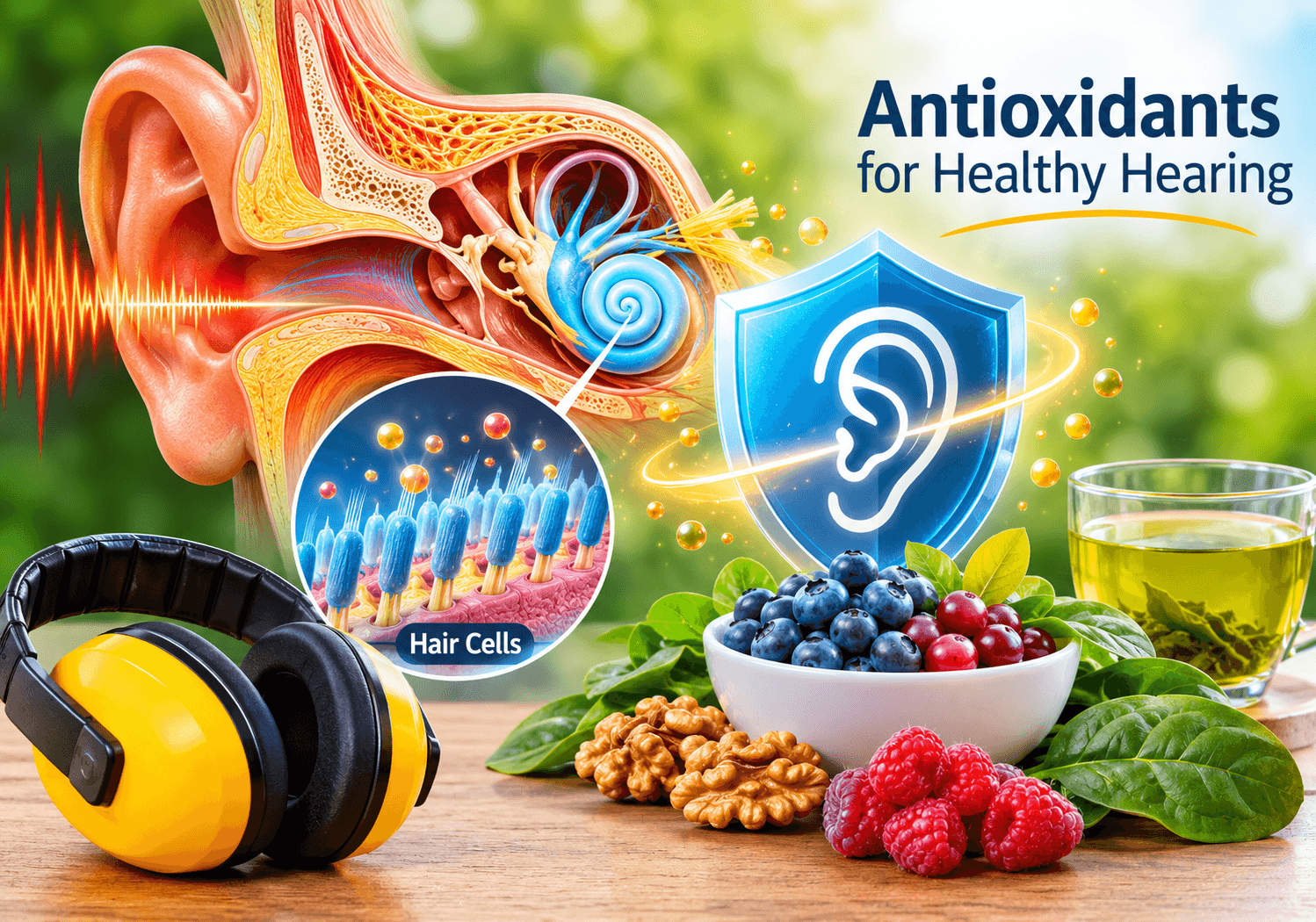
Loud concerts, jackhammering at work, and even everyday earbuds at high volume can quietly destroy the tiny hair cells inside your cochlea. Once those cells die, they do not regenerate in humans. That is why the question of whether you can can antioxidants protect inner ear cells from noise damage has drawn serious attention from researchers at the National Institute on Deafness and Other Communication Disorders (NIDCD) and audiologists worldwide.
As a strength and conditioning coach, I talk to clients daily about protecting their bodies from repetitive stress. Your ears face a similar problem: repeated mechanical and chemical stress from sound waves. The good news is that emerging research points to a clear link between oxidative stress in the cochlea and noise trauma, and antioxidant compounds may play a role in reducing that damage. Below, I break down what the science actually says, which antioxidants show the most promise, and practical steps you can take starting today.
Quick Answer
Research suggests that certain antioxidants—especially N-acetylcysteine (NAC), vitamin E, and vitamin C—may reduce oxidative stress in the cochlea during and after loud noise exposure. They cannot reverse existing hair-cell death, but they may lower the risk of further damage. Pair antioxidant intake with proper hearing protection (earplugs, noise-canceling headphones) for the best defense.
What Happens to Your Ears During Loud Noise Exposure
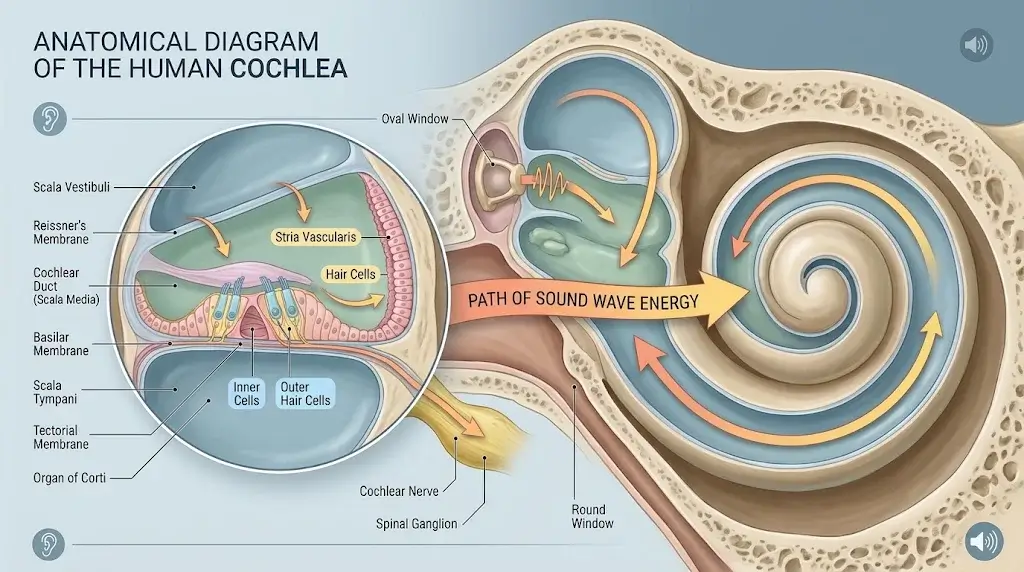
When sound waves hit your eardrum, they travel through the middle ear and into the fluid-filled cochlea. Inside the cochlea, thousands of microscopic hair cells convert those vibrations into electrical signals your brain reads as sound.
Here is where the damage begins. At sustained levels above 85 decibels (dB)—roughly the volume of a busy highway or a power tool—those hair cells work overtime. The metabolic demand spikes, and the mitochondria inside the cells produce excess reactive oxygen species (ROS), also called free radicals. Think of ROS as the “exhaust fumes” of cellular energy production. In small amounts, your body handles them. In a flood, they overwhelm your internal defenses.
The stria vascularis, a specialized structure that maintains the ionic balance of the cochlear fluids, is especially vulnerable. Its cells are packed with mitochondria and consume a lot of oxygen, making them prime targets for lipid peroxidation—the chemical breakdown of cell membranes by free radicals. Once the outer hair cells lose their structural integrity, they lose the ability to amplify sound, and you experience a temporary or permanent threshold shift (that muffled, ringing feeling after a loud event).
The Centers for Disease Control and Prevention (CDC) estimates that about 15% of U.S. adults (26 million people) report some degree of hearing loss, and a significant portion is linked to noise exposure. The World Health Organization (WHO) has classified noise-induced hearing loss as a growing public health concern, particularly in occupational and recreational settings.
How Oxidative Stress Damages Cochlear Hair Cells
The cascade is well documented in peer-reviewed literature. Here is the simplified chain:
- Noise overstimulation. Loud sound forces hair cells and stria vascularis cells to generate ATP at an elevated rate.
- ROS overproduction. Mitochondria leak superoxide anions (O₂⁻) and hydroxyl radicals (OH·) faster than the cell’s antioxidant enzymes (superoxide dismutase, catalase, glutathione peroxidase) can neutralize them.
- Lipid peroxidation. Free radicals attack the fatty membranes of hair cells, creating secondary radicals that spread the damage.
- Mitochondrial dysfunction. The energy factories themselves get damaged, so the cell cannot repair or even maintain basic function.
- Apoptosis or necrosis. Within hours to a few days, severely damaged hair cells trigger programmed cell death. In humans, these cells do not regenerate.
A key review published in the International Journal of Molecular Sciences (2021) confirmed that NADH dehydrogenase (Complex I of the electron transport chain) in cochlear cells is a primary site of ROS generation during acoustic trauma. This finding is important because it tells researchers exactly where antioxidant interventions need to act.
Coach’s Tip: Just like you would not run a 5K without warming up your joints, do not walk into a 110 dB concert with no ear protection. Your cochlea has no “warm-up” phase. If you know you will be around loud noise, insert foam earplugs (rated 29–33 dB NRR) or noise-canceling headphones before the exposure, not after you start ringing.
What the Research Says About Antioxidants and Hearing
This is where the focus keyword question—can antioxidants protect inner ear cells from noise damage—gets the most direct answer from the literature.
N-Acetylcysteine (NAC)
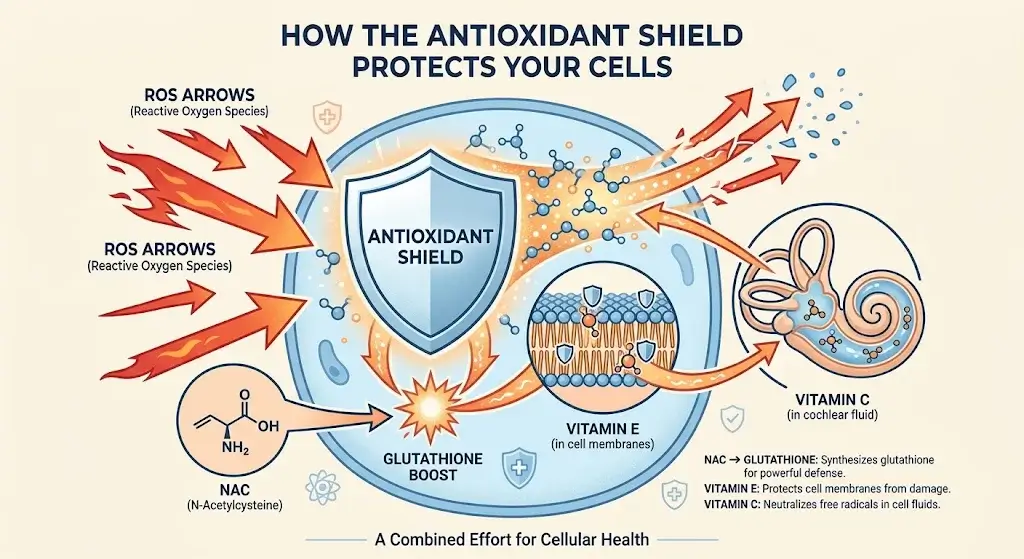
NAC is a precursor to glutathione, the master antioxidant inside your cells. Several animal studies (primarily in rats and guinea pigs) have shown that oral or intraperitoneal NAC administered before and after noise exposure reduces the degree of threshold shift and hair-cell loss in the cochlea. A 2019 study in Hearing Research found that NAC pretreatment significantly lowered ROS levels in the organ of Corti after 100 dB octave-band noise.
In human terms, NAC is available over the counter in 600 mg capsules. Typical research dosing in animal models translates to roughly 600–1,200 mg per day in adults, though no formal human RCT has yet established a “safe and effective” dose specifically for hearing protection. [VERIFY – confirm current human trial status before publishing]
Vitamin E (Alpha-Tocopherol)
Vitamin E is a lipid-soluble antioxidant that plugs directly into cell membranes, stopping lipid peroxidation chains in their tracks. Animal studies have shown that vitamin E supplementation (often combined with vitamin C) reduces noise-induced threshold shifts. The mechanism is straightforward: it protects the phospholipid bilayer of hair-cell membranes from radical attack.
Vitamin C (Ascorbic Acid)
Vitamin C is water-soluble and works in the fluid compartments of the cochlea (perilymph and endolymph). It regenerates oxidized vitamin E back to its active form, creating a synergistic pair. Some studies suggest that the combination of vitamins C and E outperforms either one alone for cochlear protection.
Selenium and Zinc
Selenium is a cofactor for glutathione peroxidase, one of your body’s key ROS-scavenging enzymes. Zinc supports overall cellular repair and has anti-inflammatory properties. Neither has as strong a direct evidence base for hearing protection as NAC or vitamins C/E, but they fill important supporting roles in the antioxidant network.
Beta-Carotene and Polyphenols
Early research explored beta-carotene and polyphenols (from green tea, berries) for their radical-scavenging capacity. The evidence is thinner here, and beta-carotene in particular has raised safety questions at high doses. I would not rely on these as primary hearing-protective agents.
What Antioxidants Cannot Do
It is critical to be clear: antioxidants cannot regenerate dead hair cells in humans. If you already have a permanent threshold shift, no pill will bring those cells back. Antioxidants are a preventive strategy, not a repair strategy. They may reduce the degree of damage during an exposure event, but they do not undo damage that has already occurred.
Key Antioxidants Studied for Hearing Protection: At a Glance
| Antioxidant | Primary Mechanism | Evidence Level (Animal) | Evidence Level (Human) | Typical Research Dose |
| NAC (600 mg) | Boosts glutathione; scavenges ROS | Strong (multiple rat/guinea pig studies) | Limited; no completed RCT for hearing | 600–1,200 mg/day |
| Vitamin E (α-tocopherol) | Lipid membrane protection | Moderate (often combined with vit C) | Limited | 100–400 IU/day |
| Vitamin C (ascorbic acid) | Water-soluble ROS scavenger; regenerates vit E | Moderate (often combined with vit E) | Limited | 500–1,000 mg/day |
| Selenium | Cofactor for glutathione peroxidase | Low–Moderate | Very limited | 55–200 µg/day |
| Zinc | Anti-inflammatory; cellular repair | Low | Very limited | 15–30 mg/day |
| Beta-carotene | Radical scavenger | Low (early studies) | Very limited; safety concerns at high dose | Not recommended as primary agent |
Note: Doses listed are from animal-model studies or general supplement ranges. Always consult a physician before starting any new supplement, especially if you take medications or have a medical condition.
How to Apply This: Practical Steps for Noise Protection
Knowing the science is one thing. Putting it into practice is what actually protects your hearing. Here is a straightforward, coach-style action plan.
Step 1: Know Your Noise Levels
- Below 85 dB – Safe for unlimited exposure. Normal conversation sits around 60–70 dB.
- 85–100 dB – Risk builds with duration. OSHA sets the action level at 85 dB for an 8-hour workday. A chainsaw runs at about 100–110 dB.
- Above 120 dB – Immediate danger. A rock concert, fireworks, or a jet engine at close range can cause damage in seconds.
- 140 dB and above – Threshold for instantaneous mechanical rupture of the eardrum and hair-cell death.
Use a free decibel-meter app on your phone to check environments you frequent. If it reads above 85 dB for more than a few minutes, you need protection.
Step 2: Use Physical Hearing Protection First
No antioxidant replaces a pair of earplugs. The hierarchy of protection is:
- Reduce the source (turn down the music, use a lower-power tool).
- Distance (move away from the sound source).
- Earplugs (foam plugs rated 29–33 dB NRR; custom-molded plugs for musicians).
- Earmuffs / noise-canceling headphones (for sustained occupational exposure).
Step 3: Support Your Antioxidant Defenses Through Diet
You do not need to load up on pills. A diet rich in whole foods provides a broad spectrum of antioxidants:
- Vitamin C: Bell peppers, strawberries, kiwi, citrus fruits (aim for 75–90 mg/day minimum; 500 mg from food is realistic with a few servings of produce).
- Vitamin E: Almonds, sunflower seeds, spinach, avocado (15 mg/day for adults).
- Selenium: Brazil nuts (1–2 per day can meet your RDA of 55 µg), fish, eggs.
- Zinc: Oysters, beef, pumpkin seeds, lentils.
- Polyphenols: Berries, dark chocolate (70%+ cocoa), green tea.
If your diet is consistently low in these nutrients, a targeted supplement may fill the gap. Talk to your doctor or a registered dietitian before adding supplements, especially if you are on blood thinners, immune-suppressants, or other medications.
Step 4: Consider a Targeted Supplement (With Medical Guidance)
If you work in a high-noise environment (construction, manufacturing, military, music) and cannot fully eliminate exposure, ask your physician whether a short-term antioxidant protocol makes sense around high-exposure days. The most-studied option is NAC at 600 mg, taken 30 minutes before and 1 hour after the exposure event, based on animal-model timing. This is not a substitute for earplugs.
Common Mistake: Relying on antioxidant supplements as a “reason” to skip earplugs. I see clients who think, “I took my NAC, so I can skip the plugs at the job site.” That is the wrong trade. Antioxidants may reduce the degree of oxidative stress. Earplugs reduce the amount of mechanical and metabolic stress hitting the cells in the first place. They are complementary, not interchangeable.
Step 5: Get Regular Hearing Check-Ups
The CDC and the American Academy of Otolaryngology recommend a baseline audiogram if you are regularly exposed to noise above 85 dB. After that, an annual check-up lets you catch a gradual threshold shift early, when intervention (hearing aids, assistive listening, further protection) can still make a meaningful difference.

Easier Version (General Public, Low Noise Exposure)
- Eat a colorful, antioxidant-rich diet daily.
- Use earplugs at concerts, sporting events, and when using power tools.
- Keep earbud volume below 60% and limit listening to 60 minutes at a time (the “60/60 rule”).
- Get a hearing test every 2–3 years if you are over 40.
Harder Version (High-Noise Occupational / Recreational)
- Wear rated earplugs or earmuffs every single shift or session.
- Add NAC 600 mg before and after high-exposure days (with physician approval).
- Maintain a supplement protocol with vitamin C (500 mg), vitamin E (200 IU), selenium (55–100 µg), and zinc (15 mg) daily.
- Get an audiogram every 6 months.
- Track cumulative noise dose with a personal dosimeter if available.
Safety Notes and What to Avoid
- Do not self-prescribe high-dose antioxidants. Mega-doses of vitamin E (above 400 IU/day) have been linked in some meta-analyses to increased all-cause mortality. High-dose beta-carotene has been associated with increased lung cancer risk in smokers. Always stay within RDA ranges unless a physician directs otherwise.
- NAC interactions. NAC can interact with nitroglycerin, blood thinners (warfarin), and certain chemotherapy agents. If you take any of these, talk to your doctor first.
- Selenium toxicity. More than 400 µg/day of selenium can cause selenosis (hair loss, nail brittleness, gastrointestinal upset). One or two Brazil nuts a day is plenty.
- Zinc and copper balance. Long-term zinc supplementation above 40 mg/day can deplete copper. If you supplement zinc, your doctor may recommend a small copper co-supplement.
- Antioxidants are not a cure. If you already have tinnitus, a measurable hearing loss, or a history of sudden sensorineural hearing loss, see an otolaryngologist or audiologist. Antioxidants will not reverse structural damage.
If you are experiencing ringing in the ears, muffled hearing, or a sudden drop in hearing, check with a doctor or audiologist promptly. Sudden sensorineural hearing loss is a time-sensitive condition where treatment within 72 hours improves outcomes.
Related Tips: Supporting Overall Ear Health
Protecting your inner ear is not just about antioxidants and earplugs. A few additional habits round out the picture:
- Manage cardiovascular health. The cochlea is a vascular organ. High blood pressure, high cholesterol, and smoking all reduce blood flow to the stria vascularis, making hair cells more vulnerable to oxidative stress. Regular aerobic exercise (150 minutes of moderate-intensity activity per week, per the HHS Physical Activity Guidelines) supports healthy circulation.
- Limit ototoxic medications. Certain antibiotics (aminoglycosides like gentamicin), high-dose aspirin, loop diuretics (furosemide), and some chemotherapy agents can damage the cochlea. If you are prescribed these, ask your doctor about monitoring.
- Sleep and stress. Chronic stress elevates cortisol, which can increase systemic oxidative stress and reduce cochlear blood flow. Prioritizing 7–9 hours of quality sleep and managing stress (breathwork, walks, time outdoors) supports your body’s overall antioxidant capacity.
- Avoid “ear candling” and unverified home remedies. These have no evidence base and can cause physical injury to the ear canal.
- Stay hydrated. The endolymph and perilymph fluids in the cochlea depend on proper hydration. Dehydration can subtly affect the ionic gradients hair cells rely on.
For a broader look at how daily habits support cellular health and metabolism, my guide on how to support metabolism naturally covers diet, movement, and sleep strategies that also benefit your antioxidant defenses.
FAQ
Can antioxidants reverse existing noise-induced hearing loss?
No. In humans, cochlear hair cells do not regenerate. Antioxidants may reduce the degree of oxidative damage during a new exposure event, but they cannot bring back cells that have already died. If you have a confirmed threshold shift, an audiologist can discuss hearing aids, assistive devices, and monitoring.
What is the best single antioxidant for hearing protection?
Based on the current animal research, NAC (N-acetylcysteine) has the strongest and most consistent evidence for reducing noise-induced ROS in the cochlea. However, no completed human randomized controlled trial has yet confirmed an optimal dose for hearing protection specifically. A combination approach (NAC + vitamin C + vitamin E) is what most studies have used.
Do I need to take antioxidant supplements if I eat a healthy diet?
For most people with a diet rich in fruits, vegetables, nuts, seeds, and lean protein, dietary intake covers the RDA for vitamins C, E, selenium, and zinc. Supplements are more relevant for people with documented deficiencies, high-noise occupational exposure, or dietary restrictions. Talk to a physician before adding any supplement.
How loud is “too loud” for my ears?
The OSHA action level is 85 dB for an 8-hour exposure. Above 100 dB, safe exposure time drops to about 15 minutes per day. Above 120 dB, damage can occur in seconds. A jackhammer (~100–110 dB), a rock concert (~110–120 dB), or fireworks (~140–175 dB) all fall into the danger zone. Use a decibel app to check your environment.
Can vitamin E alone protect my hearing from loud noise?
Vitamin E helps protect cell membranes from lipid peroxidation, but it works best alongside vitamin C (which regenerates it) and NAC (which boosts intracellular glutathione). Relying on vitamin E alone is unlikely to provide meaningful protection. Think of the antioxidant system as a team, not a solo player.
Should I take antioxidants every day or only on high-noise days?
For general health, a balanced diet provides daily antioxidant support. If you are in a high-noise job, some researchers suggest a short-term NAC protocol (e.g., 600 mg before and after a particularly loud shift). For everyday life, you do not need to supplement daily unless a doctor recommends it. [VERIFY – confirm whether any human guidelines exist for intermittent NAC use in occupational settings]
Conclusion
So, can antioxidants protect inner ear cells from noise damage? The honest, evidence-based answer is: they may help reduce the degree of oxidative stress during and after a loud noise event, but they are not a magic shield and they cannot reverse damage that has already happened. NAC, vitamin C, vitamin E, selenium, and zinc each play a role in the cochlea’s antioxidant defense network, and the animal research is encouraging. Human trials are still catching up.
The practical takeaway for you is simple. Layer your protection. Wear earplugs or noise-canceling headphones when the noise is above 85 dB. Eat a colorful, nutrient-dense diet that naturally supplies vitamins C, E, selenium, and zinc. If your job or hobby puts you around sustained high-decibel noise, talk to your doctor about whether a short-term NAC protocol makes sense. Get a baseline audiogram and repeat it regularly. And never, ever treat a supplement as a reason to skip physical hearing protection.
Your hearing is a one-time resource. You get one set of hair cells, and in humans, they do not grow back. The small, consistent habits outlined above are the best investment you can make in the sound of the next 30, 40, 50 years.