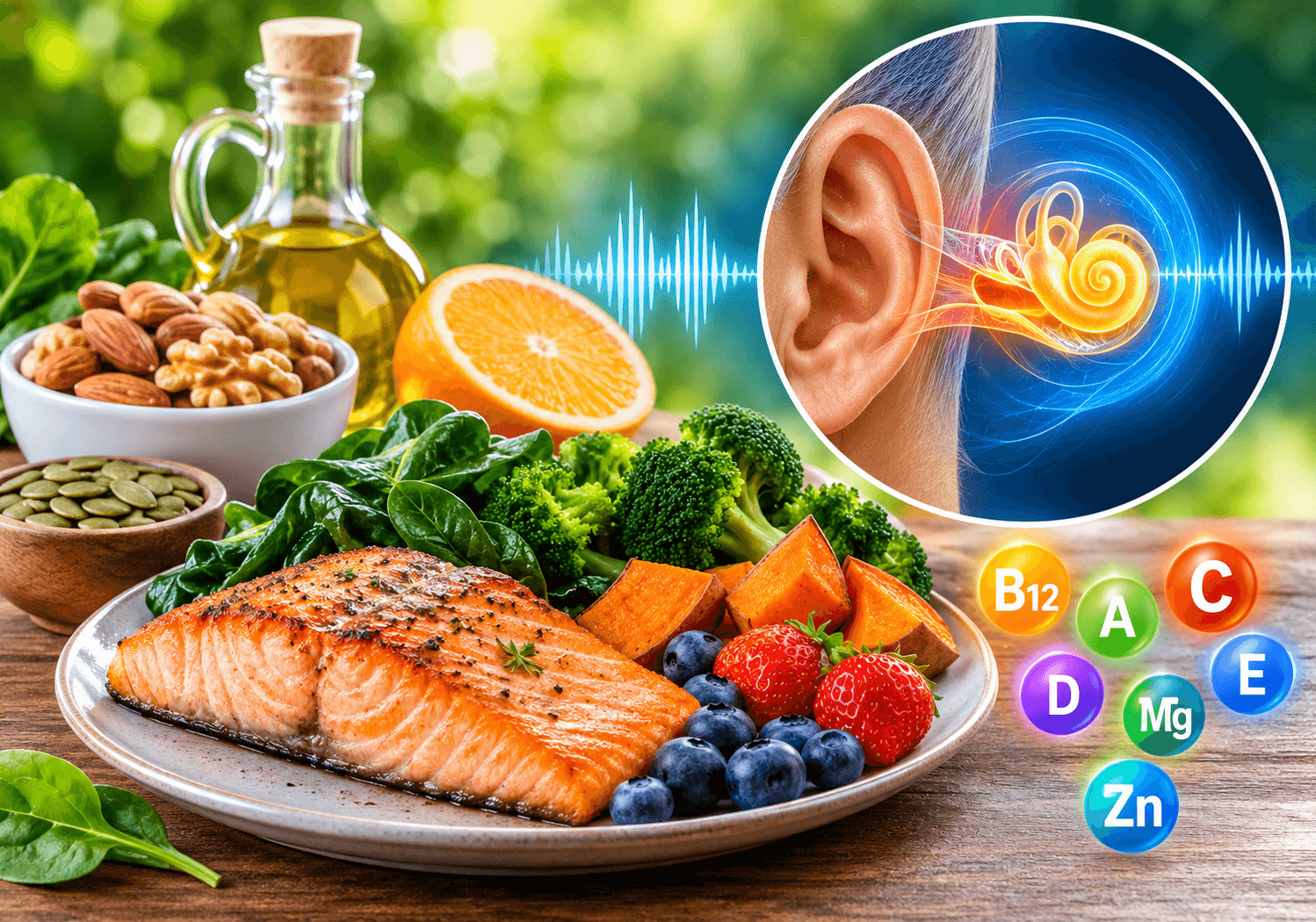
As we navigate the physical changes of aging, preserving our sensory faculties is just as vital as maintaining muscle mass or cardiovascular endurance. Hearing loss affects millions of adults worldwide, often developing so gradually that individuals dismiss early signs as background noise or mumbled speech. While genetic predisposition and lifetime noise exposure play major roles in auditory decline, emerging nutritional science reveals that what nutrients support healthy hearing as you age can profoundly influence the longevity of your auditory system.
The inner ear is a marvel of biological engineering, relying on immense cellular energy and delicate microvascular blood flow to translate mechanical sound waves into neural electrical impulses. This high metabolic activity generates reactive oxygen species (ROS)—unstable molecules that cause oxidative damage to the fragile sensory hair cells within the cochlea. By understanding how specific micronutrients, antioxidants, and minerals combat oxidative stress, reduce vascular inflammation, and support neural transmission, you can proactively protect your hearing health through targeted nutrition.
Quick Answer
What nutrients support healthy hearing as you age? Key nutrients include antioxidants (vitamins A, C, and E), minerals like magnesium and zinc, omega-3 fatty acids, B-complex vitamins (especially B12 and folate), and vitamin D. These compounds neutralize cellular free radicals, maintain inner ear blood flow, and support nerve signaling in the auditory pathway.
The Physiology of Aging and Hearing: Why Nutrition Matters
To understand why specific nutrients matter for auditory health, we must first examine how the inner ear ages. The primary driver of age-related hearing loss, clinically known as presbycusis, is the progressive degradation of sensory structures within the cochlea. Within the cochlea resides the organ of Corti, home to thousands of specialized mechanoreceptors called hair cells. Unlike skin or intestinal lining, mammalian inner ear hair cells do not regenerate once destroyed.
The Role of Oxidative Stress in Cochlear Degeneration
Cellular respiration produces energy necessary for auditory transduction, but it also creates reactive oxygen species. Over decades, cumulative oxidative stress damages mitochondrial DNA and cellular proteins in the cochlea and the stria vascularis—the vascular tissue responsible for maintaining fluid homeostasis and chemical composition in the inner ear. When antioxidant defenses decline with age, free radicals overwhelm cellular repair mechanisms, leading to apoptosis (programmed cell death) of auditory hair cells and supporting neurons.
Furthermore, microvascular circulation supplying the cochlea diminishes with age. The inner ear relies on a single, highly sensitive end-artery (the labyrinthine artery). Any vascular constriction, plaque buildup, or systemic inflammation starves the cochlea of oxygen and essential nutrients, accelerating auditory decline. Nutritional interventions designed to improve vascular elasticity, reduce homocysteine levels, and quench free radicals serve as a biochemical shield for your auditory system.
Core Antioxidant Vitamins: Shields Against Free Radical Damage
Antioxidants are the front-line defense against the oxidative destruction that targets cochlear hair cells. Clinical and epidemiological studies consistently highlight vitamins A, C, and E as foundational elements in preserving sensory function.
Vitamin C and Vitamin E Synergy
Vitamin C (ascorbic acid) is a water-soluble antioxidant found in high concentrations in the inner ear fluids, where it neutralizes free radicals in aqueous environments. Vitamin E (tocopherol) is fat-soluble, protecting cellular membrane lipids from lipid peroxidation.
Research published in peer-reviewed audiology journals indicates that a combination of vitamins A, C, and E, alongside magnesium, can significantly mitigate noise-induced and age-related threshold shifts by suppressing reactive oxygen species formation.
- Top Dietary Sources of Vitamin C: Bell peppers, citrus fruits, strawberries, broccoli, and Brussels sprouts.
- Top Dietary Sources of Vitamin E: Almonds, sunflower seeds, spinach, avocados, and cold-pressed vegetable oils.
Vitamin A and Cellular Differentiation
Vitamin A and its carotenoid precursors play a crucial role in maintaining epithelial tissues and supporting immune function within the auditory system. Retinoids assist in cellular growth and repair, ensuring that supporting structures in the inner ear maintain their structural integrity against mechanical and metabolic stress.
Essential Minerals for Auditory Nerve and Fluid Health
Minerals act as enzymatic cofactors and structural components that regulate fluid pressure, nerve conduction, and vascular tone in the auditory apparatus. Two minerals stand out in scientific literature regarding hearing preservation: magnesium and zinc.
Magnesium: The Cochlear Vasodilator
Magnesium is a vital mineral involved in over 300 enzymatic reactions, including neuromuscular transmission and vascular regulation. In the context of hearing, magnesium acts as a calcium channel blocker, preventing excessive calcium influx into cochlear cells during acoustic or metabolic stress. Excess intracellular calcium triggers neurotoxicity and vasoconstriction of the inner ear blood vessels.
Clinical trials have demonstrated that adequate dietary magnesium intake—or targeted supplementation—helps maintain microcirculation to the cochlea, preserving blood flow and reducing the risk of ischemic damage to auditory hair cells.
- Top Dietary Sources: Pumpkin seeds, spinach, Swiss chard, black beans, almonds, and whole grains.
Zinc: Cochlear Fluid Homeostasis and Immune Defense
Zinc is concentrated at exceptionally high levels in the cochlea, particularly in the inner ear’s fluid-filled compartments (endolymph and perilymph). It plays a fundamental role in synaptic transmission, enzymatic antioxidant defense (as a component of superoxide dismutase), and immune defense against inner ear infections. Zinc deficiency has been linked in various studies to idiopathic sudden sensorineural hearing loss and age-related auditory decline.
For a deeper dive into how essential micronutrients influence systemic metabolic processes, read this guide on vitamin deficiencies and metabolic health.
Omega-3 Fatty Acids: Enhancing Microcirculation and Reducing Inflammation
Omega-3 polyunsaturated fatty acids, particularly eicosapentaenoic acid (EPA) and docosahexaenoic acid (DHA), are renowned for their systemic anti-inflammatory properties and cardiovascular benefits. Because the inner ear depends entirely on microvascular health, systemic vascular health directly dictates cochlear longevity.
Mechanisms of Omega-3s in Auditory Protection
- Vascular Flexibility: EPA and DHA improve endothelial function, promoting vasodilation and ensuring uninterrupted blood flow through the narrow labyrinthine artery.
- Inflammation Reduction: By inhibiting pro-inflammatory cytokines and arachidonic acid metabolites, omega-3s protect cochlear tissues from chronic, low-grade systemic inflammation that accelerates tissue aging.
- Neuronal Membrane Fluidity: DHA is a primary structural component of neuronal membranes in the auditory cortex and auditory nerve pathways, facilitating rapid and accurate electrical signal transmission from the ear to the brain.
Population-based studies, such as those evaluated by researchers following aging cohorts, show that individuals with higher dietary intake of fish and omega-3 fatty acids experience a lower incidence of age-related hearing impairment.
To explore more about incorporating healthy fats into your daily routine, review our detailed analysis on anti-inflammatory omega-3 fatty acids.
B-Complex Vitamins: Lowering Homocysteine and Supporting Nerve Conduction
The neurological component of hearing is just as critical as the mechanical sensory apparatus. Sound converted by hair cells must travel seamlessly via the vestibulocochlear nerve (cranial nerve VIII) to the central auditory processing centers in the brain. B-complex vitamins—specifically Vitamin B12, folate (B9), and Vitamin B6—are indispensable for nerve health and vascular regulation.
Homocysteine, B Vitamins, and Hearing Loss
Elevated plasma levels of homocysteine—an amino acid byproduct—are strongly correlated with cardiovascular disease, stroke, and accelerated hearing loss. High homocysteine damages the delicate endothelial lining of blood vessels supplying the inner ear, restricting nutrient delivery.
Vitamins B12, B6, and folate act as enzymatic cofactors that convert homocysteine into harmless methionine or cysteine. Ensuring optimal status of these vitamins protects inner ear microvasculature and preserves myelin sheaths surrounding auditory nerve fibers.
- Vitamin B12 Sources: Wild-caught salmon, grass-fed beef, eggs, and nutritional yeast.
- Folate Sources: Lentils, chickpeas, dark leafy greens, and asparagus.
For individuals over forty, maintaining optimal B-vitamin status becomes even more critical due to age-related reductions in gastric acid secretion, which can impair micronutrient absorption. Learn more about effective dietary adjustments in this guide on nutritional strategies after forty.
Vitamin D and Calcium: Bone Density of the Otic Capsule
The inner ear resides within the temporal bone of the skull, encased in a dense, specialized bony structure known as the otic capsule. Maintaining the structural integrity and calcium homeostasis of this bone is essential for proper mechanical resonance of sound waves.
Vitamin D plays a master regulatory role in calcium absorption, bone remodeling, and neuromuscular function. Research suggests that vitamin D receptors are present throughout the inner ear, and deficiencies may impair the delicate balance of inner ear fluids and destabilize the microscopic bones (ossicles) of the middle ear. Adequate vitamin D status supports overall skeletal and auditory structural health.
Dietary vs. Supplemental Intake: Building an Auditory-Healthy Plate
While dietary supplements can bridge nutritional gaps, a whole-food approach provides a synergistic matrix of vitamins, minerals, phytonutrients, and fiber that isolated pills cannot replicate. Below is a practical nutritional framework designed to support long-term auditory and metabolic health.
Sample Daily Meal Plan for Hearing and Longevity
| Meal | Food Items | Key Auditory Nutrients Provided |
| Breakfast | Spinach and mushroom omelet with 2 pastured eggs, side of sliced avocado, and a glass of fortified orange juice. | Vitamin A, Vitamin E, Vitamin D, Choline, B-Vitamins |
| Lunch | Quinoa salad with roasted chickpeas, pumpkin seeds, diced bell peppers, cherry tomatoes, and extra virgin olive oil dressing. | Magnesium, Zinc, Vitamin C, Folate, Healthy Fats |
| Snack | A handful of raw walnuts and mixed berries (blueberries and strawberries). | Omega-3 Fatty Acids (ALA), Antioxidants, Vitamin C |
| Dinner | Baked wild-caught salmon, steamed broccoli, and roasted sweet potatoes. | Omega-3s (EPA/DHA), Vitamin B12, Potassium, Vitamin A |

Common Mistakes in Nutrient Planning for Aging Adults
Even with the best intentions, individuals striving to protect their hearing often fall into common nutritional traps. Avoiding these pitfalls ensures your dietary efforts yield maximum physiological benefits.
Common Mistake: Relying entirely on synthetic multivitamins while consuming a diet heavily processed and devoid of fresh produce. Synthetic isolates often lack the bioavailability and co-factors found in whole foods. Furthermore, ignoring hydration can negatively impact inner ear fluid balance; the endolymph requires stable hydration and electrolyte concentration to function correctly.
Coach’s Tip for Long-Term Auditory Wellness
Coach’s Tip: Think of your auditory health as an extension of your cardiovascular fitness. The same habits that protect your heart—regular aerobic exercise, balanced blood sugar, smoking cessation, and a diet rich in colorful antioxidants and omega-3 fats—are the exact habits that keep the microscopic blood vessels of your inner ear nourished and resilient against age-related decline.
Practical Lifestyle Habits to Complement Your Diet
Nutrition works best when combined with sensible lifestyle protocols. To maximize the protective effects of nutrients on your hearing:
- Protect Against Noise Trauma: Wear high-fidelity earplugs when exposed to loud environments such as concerts, sporting events, or heavy machinery. Cumulative acoustic trauma accelerates hair cell loss regardless of dietary status.
- Manage Cardiovascular Risk Factors: Keep blood pressure, cholesterol, and fasting glucose within healthy ranges. Hypertension and diabetes are leading independent risk factors for sensorineural hearing loss due to microvascular damage.
- Stay Hydrated: Ensure adequate daily water intake to support the fluid dynamics of the inner ear endolymph and perilymph systems.
For insights into optimizing cellular energy production without relying on stimulants, explore our guide on cellular energy production.
Frequently Asked Questions
What vitamins help prevent hearing loss as you age?
Antioxidant vitamins A, C, and E, along with B-complex vitamins (especially B12 and folate) and vitamin D, help protect auditory structures. They neutralize harmful free radicals, support nerve signal transmission, and maintain healthy microvascular blood flow to the inner ear hair cells.
Can magnesium protect your hearing from age-related decline?
Yes, research indicates that magnesium acts as a crucial vasodilator and cellular protectant in the inner ear. It helps prevent vasoconstriction and reduces excessive calcium influx into cochlear hair cells, mitigating oxidative stress and noise- or age-induced auditory damage.
Does vitamin B12 deficiency affect hearing health?
Vitamin B12 is essential for maintaining the myelin sheath around auditory nerve fibers and keeping homocysteine levels low. Elevated homocysteine can damage delicate blood vessels supplying the inner ear, making adequate B12 intake vital for preserving neural hearing pathways.
What foods are best for inner ear health?
Foods rich in antioxidants, omega-3 fatty acids, and essential minerals support inner ear health. Excellent choices include fatty fish like salmon, dark leafy greens, pumpkin seeds, citrus fruits, berries, nuts, and legumes, which provide magnesium, zinc, and vitamins A, C, E, and B-complex.
Are there specific supplements that stop hearing loss?
No dietary supplement can completely stop or reverse age-related hearing loss. However, targeted nutritional intake addressing deficiencies in antioxidants, omega-3s, and B vitamins can support cochlear cellular health and reduce the rate of age-related auditory decline.
Conclusion
Preserving your hearing as you age requires a proactive, multi-faceted approach that addresses cellular oxidation, vascular health, and neural signaling. By understanding what nutrients support healthy hearing as you age—such as vitamins A, C, E, B-complex, magnesium, zinc, and omega-3 fatty acids—you can make informed dietary choices that nourish your inner ear. Combine these nutritional strategies with cardiovascular fitness, adequate hydration, and sensible noise protection to maintain crisp, vibrant hearing throughout your life.