
A weak stream, sudden urgency, or frequent trips to the bathroom can disrupt sleep, work, and exercise. Some everyday habits may help ease urinary symptoms and support general health, but they do not diagnose or cure prostate disease. The right plan depends on the cause: prostate enlargement, infection, medication effects, diabetes, and other conditions can produce similar symptoms.
This guide explains practical lifestyle changes to improve prostate health and urine flow, how to apply them safely, and when to seek medical care. If symptoms are new, worsening, or affecting daily life, arrange a medical evaluation rather than relying on lifestyle changes alone.
Quick Answer: To support prostate health and urine flow, stay active, aim for a healthy weight, drink enough water without overloading before bed, and notice whether caffeine or alcohol worsens your symptoms. Try relaxed, unhurried bathroom habits and a bladder diary. These steps may reduce symptom burden, but persistent or severe urinary changes need medical assessment.
What lifestyle changes can and can’t do
“Prostate health” is not one single outcome. The prostate can become enlarged with age, become inflamed or infected, or develop cancer; these problems have different causes and treatments. The National Institute of Diabetes and Digestive and Kidney Diseases (NIDDK) describes several types of prostate problems and emphasizes that urinary symptoms can have more than one cause.
Benign prostatic hyperplasia, or BPH, is a noncancerous enlargement of the prostate. Because the prostate sits below the bladder and surrounds part of the urethra, enlargement can contribute to symptoms such as a slow stream, trouble starting, incomplete emptying, urgency, or getting up at night. However, these symptoms alone cannot confirm BPH.
Lifestyle changes are best viewed as symptom-management tools and general health habits—not as a substitute for diagnosis. For example, reducing a late-evening drink may help some people make fewer nighttime bathroom trips, but it does not shrink an enlarged prostate. The NIDDK’s BPH information notes that treatment options depend on symptom severity and a clinician’s assessment.
Important: Get urgent medical help if you cannot urinate, see blood in your urine, or have painful urination with fever or chills. Contact a clinician promptly for a new or rapidly worsening weak stream, repeated nighttime waking, or a feeling that your bladder does not empty.
Lifestyle changes to improve prostate health and urine flow
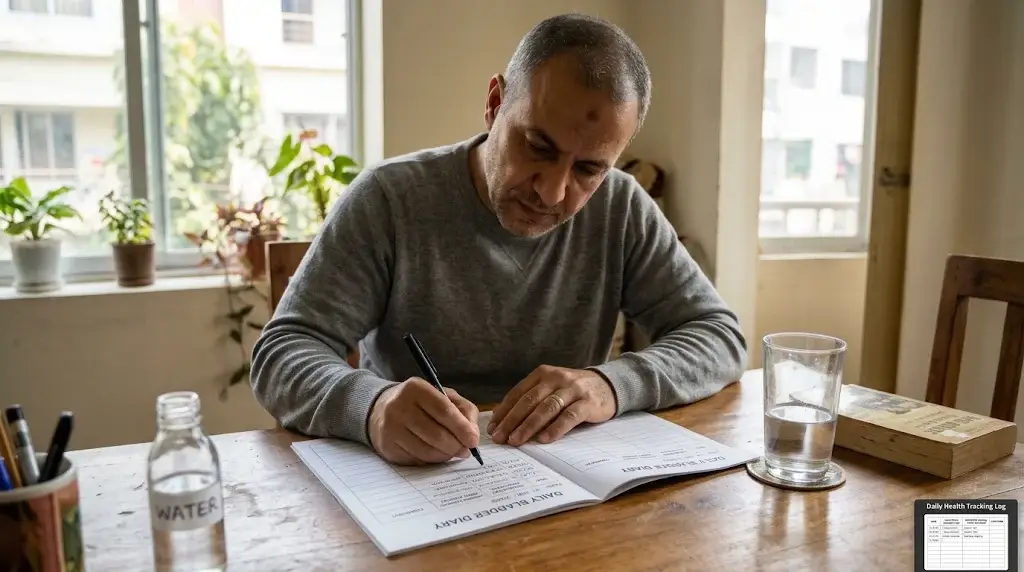
1. Keep a bladder diary before changing everything
A short diary helps you spot patterns instead of guessing. For three typical days, record when and roughly how much you drink, what you drink, bathroom times, urgency, nighttime trips, and any leakage. Include unusual factors, such as a long drive, a late workout, or a very salty meal.
Bring the notes to a clinician if symptoms persist. A diary can help show whether symptoms cluster after coffee, alcohol, large drinks, or particular times of day. It cannot establish the cause, but it gives you and your care team a clearer starting point.
2. Adjust drink timing, not just total water
Drinking too little can leave you dehydrated, while drinking a large amount at once can fill the bladder quickly. Instead, spread fluids through the day and avoid “catching up” with several glasses close to bedtime. If nighttime urination is a problem, try moving more of your usual fluid intake earlier in the day.
Do not severely restrict fluids to avoid bathroom trips. Your needs change with weather, activity, body size, and health conditions, and people taking certain medicines or managing heart or kidney conditions may have specific fluid instructions. Follow your clinician’s advice if you have been told to limit fluids.
A practical experiment: keep your overall routine steady, then shift your last larger drink earlier for several days and compare your diary. Change one factor at a time so you can tell what seems to matter.
3. Test caffeine and alcohol carefully
Caffeine and alcohol may worsen urinary urgency or frequency in some people. The effect varies, so you do not need to assume that everyone must avoid coffee or alcohol. Use your diary to test whether symptoms reliably increase after a particular drink, then reduce or shift that drink and reassess.
For example, if you usually have coffee late in the afternoon and wake often at night, try moving it earlier or choosing a smaller serving for a week. If you drink alcohol in the evening, note whether nighttime trips or urgency are worse. The NIDDK’s BPH guidance includes limiting fluids before bed and avoiding or limiting caffeinated and alcoholic drinks among measures that may help manage symptoms.
Do not use these changes to explain away persistent symptoms. If the stream is getting weaker or you struggle to start urinating, arrange an assessment even if you have already adjusted your drinks.
4. Move regularly and break up long sitting
Regular physical activity supports cardiovascular health, mobility, and weight management. It may also make it easier to maintain routines that support overall health. The U.S. Department of Health and Human Services physical activity guidelines advise adults to work toward at least 150 minutes of moderate-intensity aerobic activity each week and muscle-strengthening activity on at least two days.
You do not have to start with hard workouts. Brisk walking is a useful, low-equipment option; cycling, swimming, and other activities can work too if they feel comfortable. Start with a manageable pace, such as 10–20 minutes of walking, and build duration gradually.
Long periods of sitting may make it easier to neglect movement and bathroom breaks. Stand up, walk around, or stretch briefly during long desk sessions or drives. If an activity causes pain or worsens urinary symptoms, stop and discuss it with a clinician.
5. Work toward a healthy weight without crash dieting
Weight management can support general health, but it should not be treated as a guaranteed fix for urinary symptoms. A clinician can help you decide whether weight loss is appropriate and set a safe, realistic target, especially if you have other health conditions or take medication.
If weight reduction is suitable, focus on sustainable basics: regular meals, a mix of vegetables and other fiber-rich foods, enough protein for your needs, and activity you can repeat. Avoid extreme diets or “prostate detox” products that promise to restore urine flow. They can distract from getting a proper diagnosis and may interact with medicines.
A coach-style starting point is to choose one repeatable habit: take a walk after lunch, add a vegetable to dinner, or plan a consistent bedtime. Small changes are easier to monitor than a long list of strict rules.

6. Use relaxed, unhurried bathroom habits
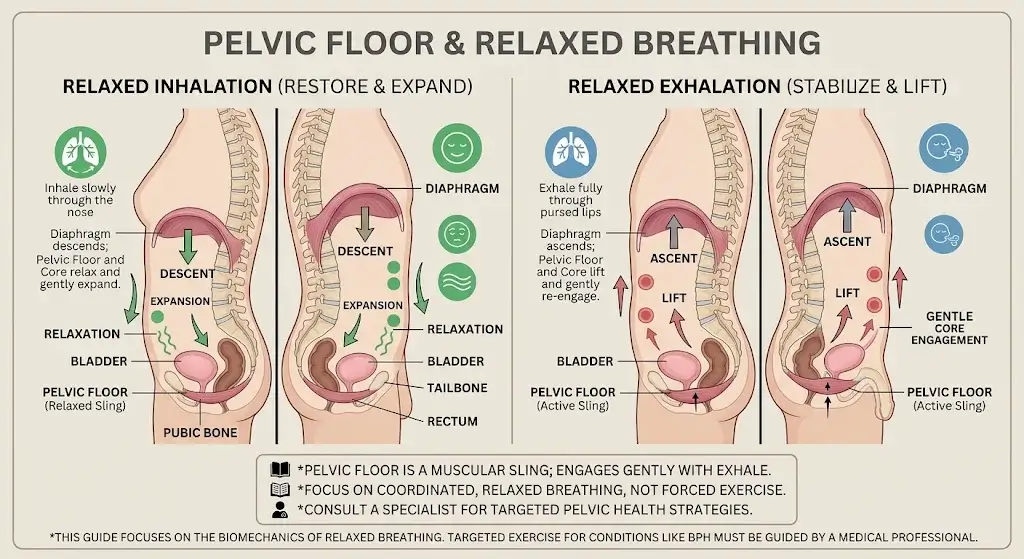
Rushing or straining is not a solution for a weak stream. Sit or stand in a comfortable position, relax your belly and pelvic area, and allow time for urination to finish. Avoid pushing hard to force the stream; straining can increase discomfort and does not address the underlying cause.
Some people find “double voiding” useful: after urinating, wait briefly, relax, and try once more without straining. It may help some people feel more fully emptied, but it is not a treatment for obstruction. Ask a clinician if you often feel unable to empty your bladder.
Try not to delay bathroom trips for long periods when you have a strong urge. At the same time, repeatedly going “just in case” can reinforce frequent bathroom visits for some people. A bladder diary can help you and a clinician decide whether a planned bladder-training approach is appropriate.
7. Consider pelvic-floor training—but learn the right technique
The pelvic floor includes muscles that help support the bladder and control urine release. Pelvic-floor exercises are not a direct way to shrink the prostate, and they are not right for every urinary problem. For some people, a clinician or pelvic-floor physical therapist may recommend training to improve muscle coordination or manage leakage.
To find the muscles, imagine gently tightening the muscles used to stop passing gas. Keep your buttocks, thighs, and abdomen relaxed, and continue breathing normally. Do not repeatedly stop your urine midstream to practice; that is not a good routine for training and can interfere with normal emptying.
A conservative starting practice, if a clinician has said pelvic-floor exercises are appropriate:
- Sit or lie comfortably and take a few normal breaths.
- Gently tighten the pelvic-floor muscles for about three seconds.
- Fully relax for about three to six seconds.
- Repeat five times, stopping if you feel pain, pressure, or increased symptoms.
- Build only as directed by a clinician or pelvic-floor specialist.
Coach’s Tip: A correct contraction should feel small and controlled—not like a hard abdominal brace. If you cannot tell whether you are tightening or relaxing the right muscles, ask a pelvic-floor physical therapist or clinician to assess your technique rather than doing more repetitions.

8. Review medicines with a clinician or pharmacist
Some medicines can affect urinary symptoms, and several over-the-counter products may be relevant. Do not stop or change a prescribed medicine on your own. Instead, bring a list of prescription drugs, supplements, and cold or allergy medicines to your clinician or pharmacist and ask whether any could be contributing.
This review matters because urinary symptoms can have multiple contributors. A clinician can consider your symptoms, medical history, examination, and any needed tests before recommending a change. Avoid assuming that a supplement is harmless just because it is sold without a prescription.
9. Avoid smoking and support broader health
Stopping smoking supports health beyond the urinary system. The CDC’s smoking and tobacco information outlines the broad health risks of tobacco use and the benefits of quitting. If you smoke, ask a health professional about a quit plan and support options.
Other steady habits—regular sleep, balanced meals, and social support—can make activity and medical follow-up easier to maintain. They are not prostate treatments, but they can help you follow through on care and keep a useful daily routine.
A simple weekly activity plan
This example combines moderate aerobic activity with basic strength work. It is a general fitness template, not a treatment for BPH or other prostate conditions. If you have pain, a chronic health condition, significant urinary symptoms, or a recent procedure, check with a doctor or physical therapist before beginning.
| Day | Activity | Starting dose |
| Monday | Brisk walk | 20 minutes at a pace where conversation is possible |
| Tuesday | Strength session | 1–2 sets of 8–12 repetitions for each movement |
| Wednesday | Easy walk or rest | 10–20 minutes, based on comfort |
| Thursday | Brisk walk | 20 minutes |
| Friday | Strength session | 1–2 sets of 8–12 repetitions |
| Saturday | Walk, swim, or other comfortable activity | 20–30 minutes |
| Sunday | Rest or gentle mobility | 5–10 minutes, if it feels good |
Strength-session movements
Use body weight or light weights that let you keep smooth control and finish each set with a few good repetitions still possible. Rest 60–90 seconds between sets. Move through a comfortable range; stop if you feel pain, pressure, dizziness, or a worsening of urinary symptoms.
- Sit-to-stand: Sit near the front of a stable chair, feet about hip-width apart. Lean forward slightly and stand without pushing off your thighs, then lower with control. Regression: use your hands lightly on the chair arms. Progression: hold a light dumbbell, such as 5–10 lb (2.3–4.5 kg), close to your chest.
- Wall push-up: Place your hands on a wall at chest height, step back, and bend your elbows to bring your chest toward the wall. Press away smoothly. Regression: stand closer to the wall. Progression: use a lower, stable surface only if you can keep good form.
- Hip hinge: Stand with soft knees and push your hips back as your torso tips forward; keep your back comfortable and return to standing. Regression: practice without weight. Progression: hold light dumbbells, such as 5–15 lb (2.3–6.8 kg) each, if the movement is pain-free.
- Calf raise: Hold a counter lightly, rise onto the balls of your feet, pause, and lower slowly. Regression: use a smaller range. Progression: perform one leg at a time while holding support.
For each exercise, use a smooth tempo: about two seconds to lower and one to two seconds to rise. Breathe normally. Avoid holding your breath or bearing down, especially if that makes pelvic pressure or urinary symptoms worse.
Common Mistake: Starting with a hard workout because you want fast results. A sudden jump in exercise volume can leave you sore or discourage consistency. Begin below your maximum, repeat the routine for a week or two, then add a few minutes of walking or a second set only if you recover well.
Easier version: Walk for 5–10 minutes at an easy pace and do one set of sit-to-stands and wall push-ups, using support as needed.
Harder version: Gradually build walking time toward 30 minutes on most days and perform two sets of the strength movements. Add resistance in small steps only when you can keep steady breathing and good control.
Food and prostate health: keep claims realistic
A balanced eating pattern can support general health, but no single food is proven to restore urine flow or treat an enlarged prostate. Be cautious of headlines that promise that tomatoes, seeds, or supplements will “shrink” the prostate. Discuss dietary changes and supplements with a clinician, especially if you take medication or have a chronic condition.
A practical approach is to eat a variety of foods—vegetables, fruit, whole grains, and suitable protein sources—while paying attention to how your own meals affect symptoms. Large meals or drinks late in the evening may be worth tracking if they seem to trigger nighttime trips. The goal is a sustainable pattern, not a restrictive prostate diet.
When to get checked
Make an appointment if you have a weak or interrupted stream, trouble starting, dribbling, frequent or urgent urination, repeated nighttime waking, or a sense that you cannot empty your bladder. A clinician can ask about symptom timing, review medicines, and decide whether an examination or testing is appropriate. Similar symptoms may come from causes other than prostate enlargement, so self-diagnosis is unreliable.
Seek urgent care if you suddenly cannot urinate, have visible blood in your urine, or develop urinary symptoms with fever, chills, or severe pain. Do not wait for lifestyle changes to work if symptoms are severe or rapidly worsening.
A conversation about prostate screening is also different from an evaluation of urinary symptoms. Ask your clinician what screening is appropriate for your age, health history, and preferences; screening decisions should be made with individualized guidance.
Frequently asked questions
What lifestyle changes improve prostate health and urine flow?
Regular activity, healthy weight management, and thoughtful fluid timing may support general health and help some people manage urinary symptoms. Tracking caffeine, alcohol, nighttime drinks, and bathroom patterns can reveal personal triggers. These habits cannot diagnose or cure prostate disease, so persistent or worsening symptoms should be assessed by a clinician.
Can exercise improve urine flow in men?
Exercise supports overall health and can help people build sustainable activity habits. It should not be presented as a way to physically open a blocked urinary passage or shrink an enlarged prostate. Choose comfortable walking or other moderate activity, progress gradually, and seek medical advice if urinary symptoms are new or worsening.
Should men drink less water for frequent urination?
Not necessarily. Severe fluid restriction can be unsafe and may not address the cause of frequent urination. Try spreading drinks across the day and moving larger drinks earlier, while following any fluid instructions from your clinician. If you have heart or kidney disease, ask your care team about your individual needs.
Do Kegel exercises help men with urinary symptoms?
Pelvic-floor exercises may be recommended for some people, depending on the symptoms and the cause. They do not shrink the prostate, and doing them incorrectly or excessively may not help. Ask a clinician or pelvic-floor physical therapist to check your technique, especially if you have pain, pressure, or trouble relaxing those muscles.
How can I reduce nighttime urination?
Keep a diary, shift larger drinks earlier, and see whether evening caffeine or alcohol is linked with symptoms. Avoid cutting fluids drastically or ignoring persistent symptoms. Nighttime urination can have causes beyond prostate enlargement, so consult a clinician if it continues, disrupts sleep, or comes with a weak stream or incomplete emptying.
When should a weak urine stream be checked?
Get a medical assessment for a persistent, new, or worsening weak stream, trouble starting, dribbling, or a feeling that your bladder remains full. Seek urgent care if you cannot urinate, see blood in your urine, or have fever or severe pain. A clinician can identify the cause and discuss appropriate options.
Conclusion
The most practical lifestyle changes to improve prostate health and urine flow are steady movement, sensible fluid timing, careful tracking of possible bladder irritants, relaxed bathroom habits, and a clinician-guided approach to pelvic-floor training. These steps may help manage symptoms, but they cannot replace an evaluation when urinary changes persist.
Start with one measurable change—such as keeping a three-day bladder diary or shifting evening drinks earlier—and reassess rather than changing everything at once. If your symptoms are new, worsening, or affecting your sleep and daily life, make an appointment with a health professional.
This article is for general information and is not a substitute for advice from a doctor or physical therapist.