As skin changes with age, it may feel drier, look less even, or show fine lines more clearly. A moisturizer for mature skin with fine lines can improve hydration and help the skin barrier hold water, which may make lines look less noticeable for a time. It cannot erase wrinkles, and no single ingredient works the same way for everyone.
The useful approach is to choose a product that fits your skin type, use it consistently, and add sun protection during the day. Ingredients such as glycerin and ceramides support hydration and barrier care; retinoids may be an option for concerns about texture and signs of aging, but they can irritate skin and should be introduced gradually.
Quick Answer: Look for a moisturizer for mature skin with fine lines that contains proven hydrators such as glycerin or hyaluronic acid and, if your skin tolerates it, barrier-supporting ceramides. Choose fragrance-free if you are sensitive. Moisturizer can soften the appearance of fine lines caused by dryness, but daily broad-spectrum sunscreen matters too.
What changes in mature skin?
Skin does not age in exactly the same way for everyone. Genetics, sun exposure, environment, health, and skincare habits all affect how it looks and feels. With age, skin can become drier and more fragile, and the effects of cumulative ultraviolet exposure may become more visible as uneven tone, roughness, and wrinkles. The National Institute on Aging’s overview of skin care and aging explains common age-related changes and practical care.
One important distinction: dehydration and dryness are not identical. Dehydrated skin lacks water, while dry skin generally describes a lack of oil or a weakened barrier. Both can make fine lines look more prominent. A moisturizer may improve comfort and appearance by reducing water loss and helping the surface feel smoother, but it does not rebuild lost volume or permanently remove wrinkles.
Fine lines can also be more noticeable after sun exposure, in dry indoor air, or when the skin is irritated. If your face stings, peels, or feels tight after using a product, stop and reassess rather than adding more active ingredients.
How to choose a moisturizer for mature skin with fine lines
A useful product is one you can use regularly without irritation. Start with the texture and basic formula, then consider optional active ingredients. You do not need a long ingredient list or a product marketed as “anti-aging” to get effective hydration.
1. Match the texture to your skin
Dry or very dry skin: Try a cream or ointment-style product. Look for emollients and occlusives that soften skin and help limit water loss.
Combination skin: A lightweight cream may hydrate dry areas without feeling too heavy across the whole face.
Oily or acne-prone skin: Consider a lighter lotion labeled non-comedogenic. Individual reactions vary, so patch-test if breakouts are a concern.
Sensitive skin: Keep the formula simple and consider fragrance-free products. “Unscented” does not always mean fragrance-free.
The American Academy of Dermatology recommends choosing a moisturizer suited to your skin type and applying it when the skin is still damp. Its dry-skin care guidance also advises avoiding harsh bathing habits that can worsen dryness.

2. Check for helpful hydrators and barrier ingredients
Ingredient
Why it may be useful
Practical note
Glycerin
Attracts water to the outer skin layer
Common in lotions and creams
Hyaluronic acid
A humectant that helps hold water in the skin’s surface layers
Works well in a routine that also includes a moisturizer
Ceramides
Lipids naturally found in the skin barrier
Often included in creams for dry or sensitive skin
Petrolatum
Creates an occlusive layer that reduces water loss
Can feel heavy; useful for very dry patches
Niacinamide
May support barrier function and improve the look of uneven tone
Some people find certain formulas irritating
Emollients
Smooth and soften rough-feeling skin
Examples include fatty alcohols and plant oils
The American Academy of Dermatology’s moisturizer guidance describes how moisturizers help trap water in the skin. The NIH’s overview of skin barrier function provides background on the skin’s protective outer layer.
3. Consider retinoids separately from basic hydration
Retinoids, including retinol, are not the same as moisturizers. They are active ingredients often used to address acne or visible signs of photoaging. Research reviews have found evidence that topical retinoids can improve some signs of photoaging, but they can also cause dryness, redness, peeling, or irritation. The review in the Journal of Clinical and Aesthetic Dermatology covers retinoids and photoaging.
If you want to try retinol, introduce it slowly rather than layering several active products at once. A cautious starting routine is one night a week, then increase only if your skin tolerates it. Apply a moisturizer to reduce dryness, and follow the product label. Ask a dermatologist or clinician whether a retinoid is appropriate for you, especially if you are pregnant, trying to become pregnant, breastfeeding, or managing a skin condition.
4. Don’t overlook sunscreen
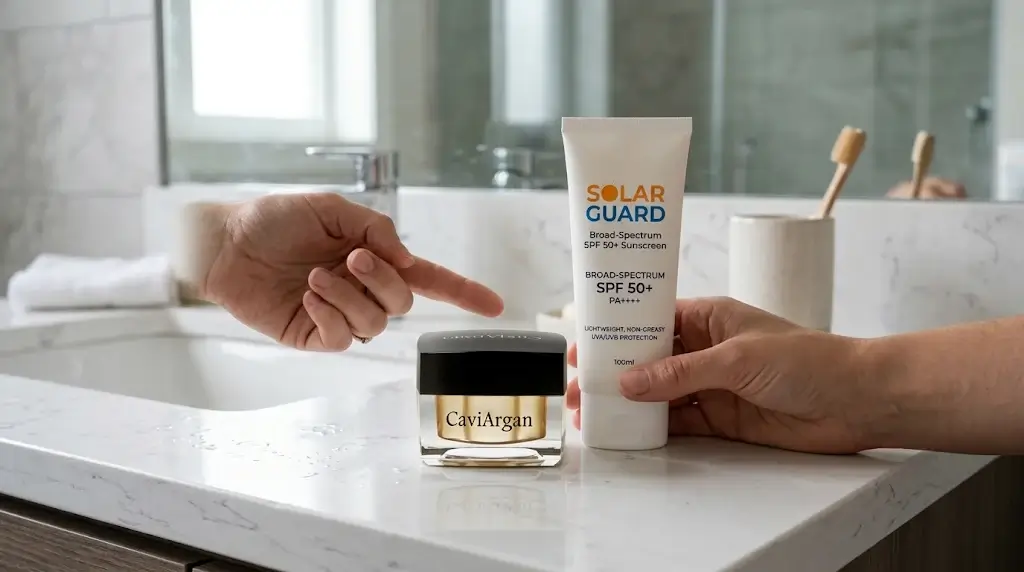
A moisturizer alone does not protect skin from ultraviolet exposure unless it is formulated and labeled with sunscreen protection. The American Academy of Dermatology’s sun-protection guidance recommends broad-spectrum sunscreen with SPF 30 or higher. Apply it as directed and reapply when needed, especially after sweating, swimming, or prolonged outdoor activity.
If your moisturizer includes SPF, check that it offers broad-spectrum protection and that you apply enough for the labeled protection. Many people use too little of a combined moisturizer-sunscreen product, so a separate sunscreen may be easier to apply at an adequate amount.
Ingredients and claims to treat cautiously
Marketing phrases such as “instant lift,” “erase wrinkles,” or “reverse aging” are not a substitute for checking the ingredients and expectations. A moisturizer may temporarily plump the surface by improving hydration, but results are usually modest and depend on the product and your skin.
Be careful with products that combine multiple exfoliating acids, retinoids, and strong fragrances if your skin is dry or sensitive. Using several potentially irritating ingredients at once makes it harder to know what is causing a reaction. Start with one new product at a time and follow the label.
Fragrance is not harmful for everyone, but it can irritate some people. If you have a history of reactions, the American Academy of Dermatology’s fragrance-free skin-care advice can help you assess labels and reduce exposure.
A simple routine for fine lines and dryness
A consistent basic routine is often easier to maintain than a complicated one. Add products gradually, and give your skin time to show whether it tolerates them.
MorningWash with lukewarm water or a gentle cleanser if needed.
Apply moisturizer while the skin is slightly damp.
Apply broad-spectrum SPF 30 or higher to exposed skin, following the label directions.
EveningRemove makeup and sunscreen with a gentle cleanser.Apply moisturizer.
If using a retinoid, use it according to its directions and your clinician’s advice. You can apply moisturizer before or after, depending on what feels comfortable and the product instructions.
Coach’s Tip: Think of moisturizer as the dependable base layer of your routine, not a quick fix. If you are testing a new product, use it consistently on a small area first, and avoid starting a retinoid and exfoliating acid at the same time.
How to apply moisturizer without irritating your skin
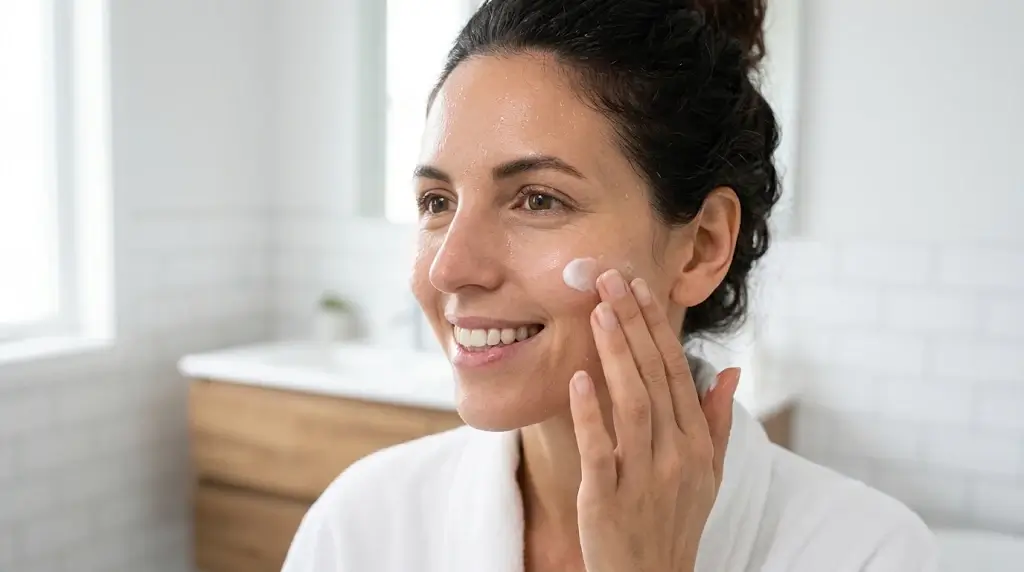
Start with clean hands. This helps avoid transferring dirt or product residue to your face.
Use lukewarm water, not hot. Hot water can leave dry skin feeling tighter.
Pat rather than rub. Keep the skin slightly damp instead of drying it completely.
Use a modest amount. Spread it gently over the face and neck; add more only where needed.
Give layers time to settle. If you use a treatment product, follow its directions and avoid rubbing layers together.
Stop if you develop a reaction. Persistent burning, swelling, rash, or worsening irritation calls for stopping the product and seeking medical advice.
There is no universal “correct” amount for every formula. Follow the product label, and avoid applying a product close to the eyes unless it is intended for that area.
Common mistakes and fixes
Common Mistake: Buying the richest cream available because the skin has fine lines. A heavy formula can feel uncomfortable or trigger clogged pores for some people. Fix: Choose a texture based on how your skin behaves, and test a small area before applying it all over.
Other issues to avoid:
Expecting moisturizer to erase wrinkles: It can improve dryness and temporarily make fine lines less obvious, but it cannot permanently remove them.
Skipping sunscreen: Sun exposure can contribute to visible signs of skin aging. Make daily broad-spectrum protection part of the routine.
Starting multiple active ingredients together: If irritation appears, you will not know which product caused it. Introduce one new product at a time.
Scrubbing dry or flaky skin: Harsh scrubbing can irritate the skin. Use a gentle cleanser and moisturizer instead.
Assuming “natural” means non-irritating: Plant-derived ingredients can still cause reactions. Read the full ingredient list and patch-test when appropriate.
Using a product past its recommended period: Check the packaging and discard products that have changed in smell, color, or texture.
How to test and choose a product
When comparing options, use this short checklist:
Is the formula right for your skin type and climate?
Does it include a moisturizer ingredient such as glycerin, ceramides, or petrolatum?
Is it fragrance-free if fragrance tends to irritate your skin?
Are you buying a basic moisturizer, a sunscreen moisturizer, or a treatment product with retinol?
Does the label provide clear directions and warnings?
Can you introduce it without changing several other products at once?
If you are unsure whether a reaction is irritation or an allergy, do not keep using the product to “push through.” Stop and speak with a dermatologist or other qualified clinician if symptoms are severe, persistent, or worsening.
FAQ
What is the best moisturizer for mature skin with fine lines?
There is no single best product for everyone. A good choice fits your skin type, feels comfortable, and contains reliable hydrators such as glycerin or barrier-supporting ingredients such as ceramides. If your skin is sensitive, a fragrance-free formula can be a reasonable place to start.
Can moisturizer reduce the look of fine lines?
Moisturizer can hydrate the skin and temporarily make lines caused or emphasized by dryness look less noticeable. It does not permanently remove wrinkles or replace sun protection. If you want to address persistent signs of aging, discuss suitable treatments with a dermatologist.
Is hyaluronic acid good for mature skin?
Hyaluronic acid is a humectant used in many moisturizers and serums. It can help the skin’s surface hold water, which may improve the feel and appearance of dryness. Pair it with a moisturizer that suits your skin rather than relying on a single ingredient.
Should mature skin use a moisturizer with retinol?
Retinol is an active ingredient, not a basic moisturizer, and it can irritate skin. If you want to try it, introduce it gradually and follow the product directions. Ask a healthcare professional for advice if you are pregnant, trying to become pregnant, breastfeeding, or managing a skin condition.
How often should mature skin be moisturized?
Many people apply moisturizer once or twice a day, especially after washing, but needs vary by skin type, weather, and product. Apply according to the label and adjust if skin feels dry or uncomfortable. Stop and reassess if the product repeatedly causes stinging or a rash.
Do I need sunscreen if I use an anti-aging moisturizer?
Yes, unless the moisturizer itself is labeled as a sunscreen with broad-spectrum protection and an SPF rating. For outdoor exposure, follow the sunscreen label for how much to apply and when to reapply. A separate sunscreen may make it easier to apply enough.
Conclusion
A practical moisturizer for mature skin with fine lines should support hydration and feel comfortable enough for regular use. Look for ingredients such as glycerin or ceramides, choose the texture that suits your skin, and keep the routine simple if you are prone to irritation. Moisturizer may soften the appearance of dryness-related lines, but it cannot erase wrinkles.
For daytime care, pair your moisturizer with broad-spectrum sunscreen. If you are considering retinol or have persistent irritation, consult a dermatologist or clinician before changing your routine.