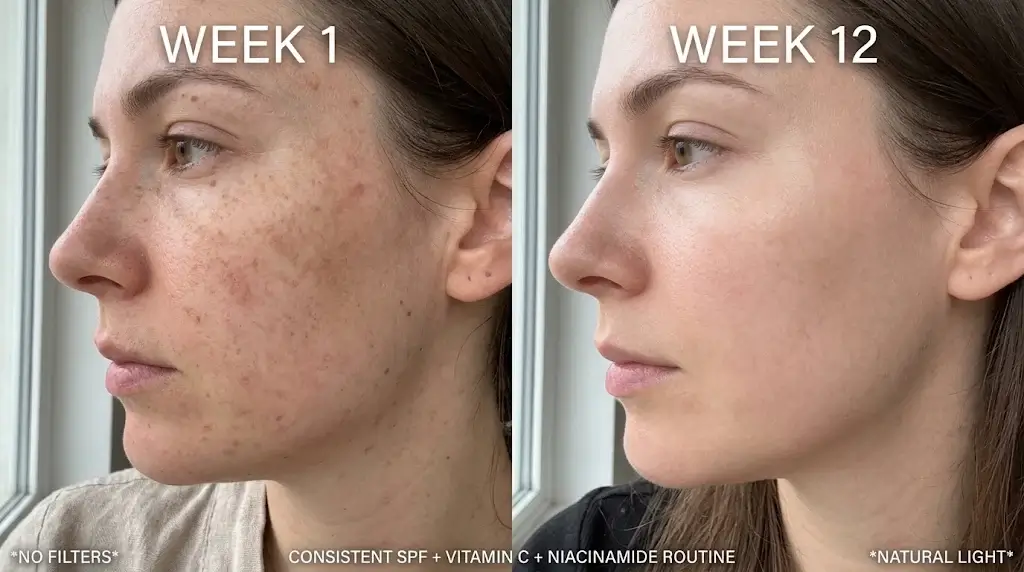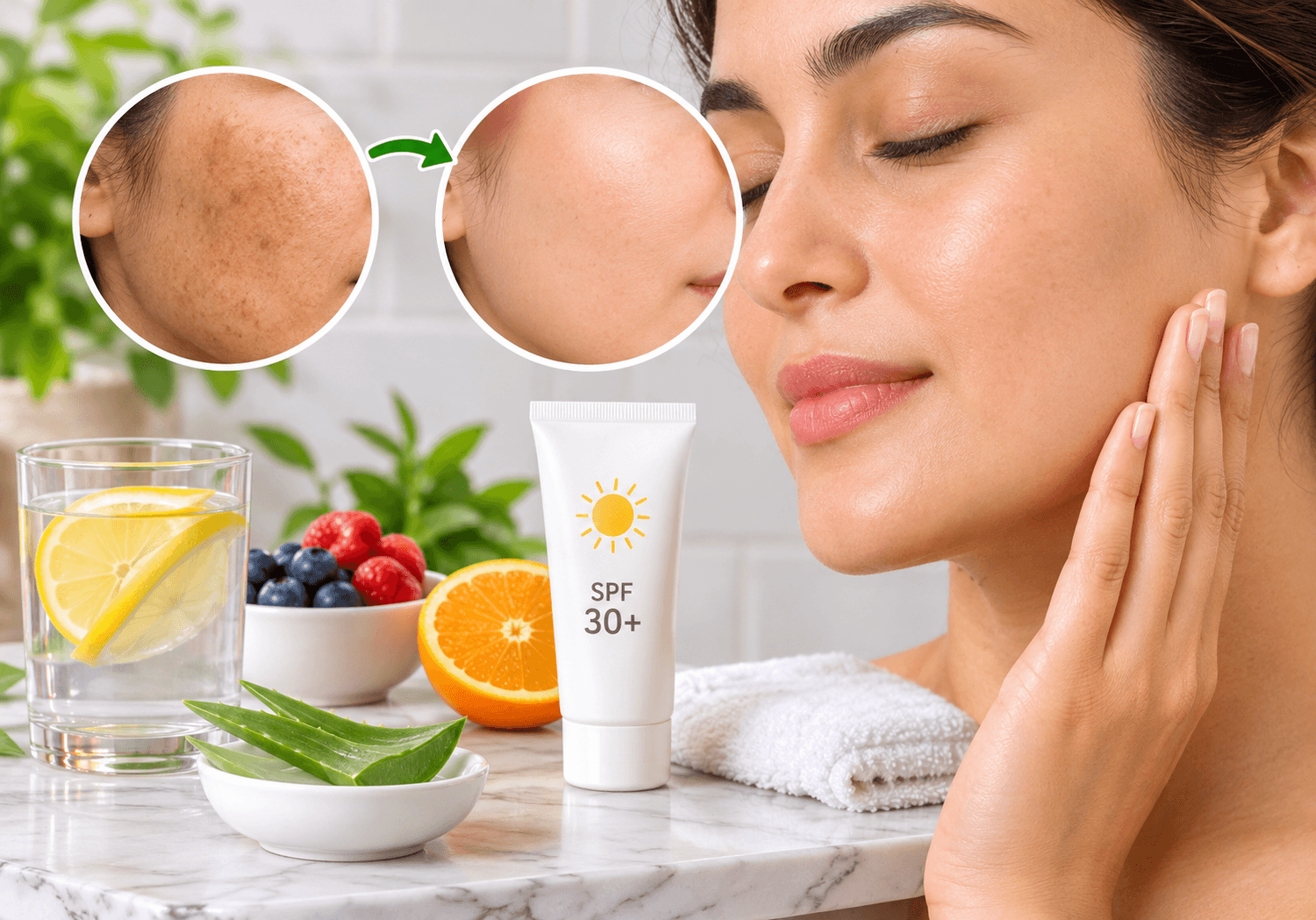
Uneven skin tone shows up as dark patches, splotches, or areas that look redder or duller than the rest of your face. It frustrates a lot of people, and the beauty industry sells you a shelf full of serums and creams promising a fix. But the most effective ways to improve uneven skin tone naturally start with habits you can control today: consistent sun protection, gentle exfoliation, antioxidant-rich nutrition, and patience.
This guide walks you through ten evidence-based strategies, a simple daily routine, and what to skip so you stop wasting money on products that do more harm than good.
Quick Answer
To improve uneven skin tone naturally, protect your skin daily with SPF 30 or higher, use a gentle exfoliant (like a low-percentage AHA) two to three times per week, apply a vitamin C or niacinamide serum in the morning, eat antioxidant-rich foods, and give it 8–12 weeks before judging results. Consistency matters more than any single product.
What Actually Causes Uneven Skin Tone
Before you fix anything, you need to know what you’re dealing with. Uneven skin tone most often comes from one of three triggers:
- UV damage. UVA and UVB rays stimulate melanocytes in the epidermis to produce extra melanin. Over time, this creates sun spots, patches of darker skin, and a general “mottled” look. The CDC recommends daily broad-spectrum sunscreen use to reduce cumulative UV exposure.
- Post-inflammatory hyperpigmentation (PIH). Any inflammation—acne, a scratch, a bug bite—can leave a dark mark once the skin heals. This is especially common in skin phototypes III through VI.
- Hormonal shifts. Melasma (large, symmetric patches, often on the cheeks and forehead) is linked to estrogen and progesterone fluctuations during pregnancy, from oral contraceptives, or from thyroid changes. The Mayo Clinic notes that melasma is more common in women and can be triggered by sun exposure and hormonal changes.
Understanding which cause is driving your specific patches helps you pick the right strategy. If you’re unsure whether your dark spots are PIH, melasma, or something else, a dermatologist can confirm with a quick visual exam.
10 Natural Strategies to Even Out Your Skin Tone
1. Wear Sunscreen Every Single Day
This is the single most important step. No serum, no exfoliant, no diet change will outperform daily UV protection. UVA rays penetrate glass and reach your skin on cloudy days, so “I’ll apply it when it’s sunny” won’t cut it.
What to do:
- Apply a broad-spectrum SPF 30 (minimum) sunscreen to your face, neck, and any exposed skin every morning, before makeup.
- Reapply every two hours if you’re outdoors, or after swimming and heavy sweating.
- Use about a quarter-teaspoon (roughly 0.5 g) for your face and neck. Most people apply half that and wonder why they still get spots.
Why it works: Blocking UV radiation stops melanocytes from overproducing melanin, which prevents new dark spots and allows existing ones to fade as your skin naturally turns over.
Coach’s Tip: Think of sunscreen like a seatbelt. You don’t wear it because you expect a crash; you wear it because the cost of not wearing it is high. Make it the first thing you do in the morning, before coffee, before checking your phone. Pair it with a wide-brim hat (at least 3 inches / 7.5 cm of brim) on high-UV days.
2. Use a Gentle Chemical Exfoliant 2–3 Times Per Week
Your outermost skin layer (the stratum corneum) sheds dead cells roughly every 28 days. When that process slows—due to age, sun damage, or dehydration—pigmented cells linger on the surface and create a dull, patchy look.
What to do:
- Choose an alpha hydroxy acid (AHA) product containing 5–10% glycolic acid or lactic acid, or a 2% salicylic acid (BHA) if you also deal with clogged pores.
- Apply to clean, dry skin at night, 2–3 times per week. Start with once a week and build up.
- Follow with a moisturizer containing ceramides or hyaluronic acid to support the skin barrier.
What to avoid: Scrubbing with gritty physical exfoliants (apricot kernels, walnut shells). Micro-tears from aggressive scrubbing trigger inflammation, which can worsen pigmentation.
3. Add a Vitamin C Serum to Your Morning Routine
L-ascorbic acid (vitamin C) is one of the most studied topical antioxidants for skin. Research published in peer-reviewed dermatology journals suggests that topical vitamin C at concentrations of 10–20% may help reduce the appearance of hyperpigmentation by inhibiting the enzyme tyrosinase, which is key in melanin production.
What to do:
- Apply 5–6 drops of a 15–20% L-ascorbic acid serum to your face in the morning, after cleansing and before sunscreen.
- Store the bottle in a cool, dark place. Vitamin C oxidizes (turns dark amber) when exposed to light and air; if yours has gone brown, toss it.
- Pair with vitamin E and ferulic acid if your formula includes them—this combination has shown added photoprotection in clinical studies.
Easier version: If a pure L-ascorbic acid serum stings or irritates, try a 10% concentration or a gentler derivative like sodium ascorbyl phosphate at 5%.
Harder version: Once your skin tolerates 20% L-ascorbic acid well, you can layer a 10% niacinamide serum at night for a combined brightening effect.
4. Introduce Niacinamide (Vitamin B3)
Niacinamide at 4–5% concentration has a solid evidence base for reducing the transfer of melanin from melanocytes to surrounding skin cells. A 2005 study in the Journal of the American Academy of Dermatology found that 5% niacinamide cream reduced the appearance of hyperpigmented lesions over 12 weeks.
What to do:
- Apply a 4–5% niacinamide serum or moisturizer at night, after cleansing.
- It layers well under a retinoid or a heavier night cream.
- You can use it every night; it’s gentle enough for daily application.
5. Eat Antioxidant-Rich Foods Daily
Your skin is the largest organ you have, and what you feed it shows up on the surface. Antioxidants help neutralize the free radicals that UV light and pollution generate in skin cells.
Practical daily targets:
- Vitamin C-rich foods: One medium orange (70 mg), half a cup of red bell pepper (152 mg), or a cup of strawberries (89 mg). The National Institutes of Health (NIH) Office of Dietary Supplements notes that adequate vitamin C supports collagen synthesis and antioxidant defense.
- Vitamin E sources: A small handful of almonds (7.4 mg), a tablespoon of sunflower seeds (15 mg), or a serving of spinach (1.9 mg per cup, cooked).
- Omega-3 fatty acids: Two servings of fatty fish per week (salmon, sardines, mackerel) or a quality fish oil supplement. Omega-3s support the skin’s lipid barrier and may reduce low-grade inflammation. You can read more about this in our guide to omega-3 fatty acids and skin hydration.
- Colorful produce: Berries, tomatoes, sweet potatoes, and leafy greens provide lycopene, beta-carotene, and polyphenols that support skin resilience.
You don’t need a smoothie every morning. A tomato-based lunch, a handful of berries as a snack, and a piece of grilled salmon for dinner cover a lot of ground.
6. Prioritize Sleep (7–9 Hours)
Your skin does most of its repair work between 10 p.m. and 2 a.m. Growth hormone release peaks during deep sleep, driving collagen production and cell turnover. Chronic sleep deprivation raises cortisol, which can worsen inflammation and slow healing.
What to do:
- Aim for 7–9 hours in a dark, cool room (65–68 °F / 18–20 °C).
- Cut blue-light exposure (screens) at least 60 minutes before bed.
- Keep a consistent sleep-wake schedule, even on weekends.
Research on sleep and skin barrier function is still emerging, but the Harvard T.H. Chan School of Public Health notes that poor sleep is linked to increased inflammatory markers and slower wound healing. If you’re also managing weight or metabolic health, sleep quality plays a role there too—see our article on how sleep affects metabolism and weight management.
7. Stay Hydrated and Support Your Skin Barrier
Dehydrated skin looks dull, flaky, and patchy. A well-hydrated stratum corneum reflects light more evenly, which makes tone look smoother.
What to do:
- Drink water consistently through the day. A rough guide is half your body weight in ounces (e.g., 130 lb / 59 kg → about 65 oz / 1.9 L), adjusted up for exercise or heat.
- Use a moisturizer with ceramides, hyaluronic acid, or glycerin within 60 seconds of washing your face, while the skin is still slightly damp.
- In dry or cold weather, add a richer cream at night.
8. Manage Inflammation (Acne, Eczema, Irritation)
Every breakout, scratch, or flare-up is a potential dark spot waiting to happen. Keeping inflammation under control prevents new pigmentation from forming.
What to do:
- For occasional breakouts, use a spot treatment with 2% salicylic acid or benzoyl peroxide (2.5–5%).
- If you have persistent acne, eczema, or rosacea, see a dermatologist. Untreated inflammation is the #1 preventable cause of PIH.
- Don’t pick, pop, or scratch. I know it’s hard. Keep your nails short and use a hydrocolloid patch over any pimple you’re tempted to touch.
- If you use retinoids (retinol, tretinoin), introduce them slowly—every third night for the first two weeks, then every other night—to minimize irritation.

9. Consider a Carotenoid-Rich Supplement (Optional)
Astaxanthin, a carotenoid found in salmon and algae, has shown in small clinical trials to improve skin elasticity and reduce the appearance of fine lines and uneven tone over 8–12 weeks. A 2014 study in the Journal of Nutrition found that 6 mg of astaxanthin daily for 12 weeks improved skin hydration and elasticity in healthy women.
If you want to add a supplement, look for a third-party-tested astaxanthin capsule at 4–6 mg per day, taken with a meal that contains some fat for absorption. You can explore this further in our guide to astaxanthin for skin glow and anti-aging.
Collagen peptides (10–15 g daily) are another option. A 2019 meta-analysis in the Journal of Drugs in Dermatology suggested that oral collagen peptides may improve skin hydration and elasticity after 8–12 weeks. If you’re considering collagen, our article on how long collagen supplements take to work on skin covers realistic timelines. For best absorption, pair collagen with vitamin C—see our guide on the best time to take collagen powder and how to pair it with vitamin C.
Common Mistake: Layering five active ingredients (retinol + vitamin C + AHA + BHA + niacinamide) in one routine. This overwhelms the skin barrier, causes irritation, and can worsen redness and pigmentation. Pick one or two actives, use them consistently for 8–12 weeks, then reassess.
10. Be Patient and Track Progress
Skin cell turnover takes about 28 days in your 20s and can stretch to 40+ days in your 40s and beyond. A realistic timeline for visible improvement in uneven tone is 8 to 12 weeks of consistent care.
What to do:
- Take a baseline photo in natural, front-facing light (no filters, no makeup) on day one.
- Repeat the photo every 4 weeks under the same conditions.
- Judge progress at week 8, not week 2.
Patience is not optional. Melanin in the deeper layers of the epidermis takes time to migrate up and shed. Rushing with harsh peels or high-concentration acids to “speed things up” often backfires.
A Simple Daily Routine (Put It All Together)
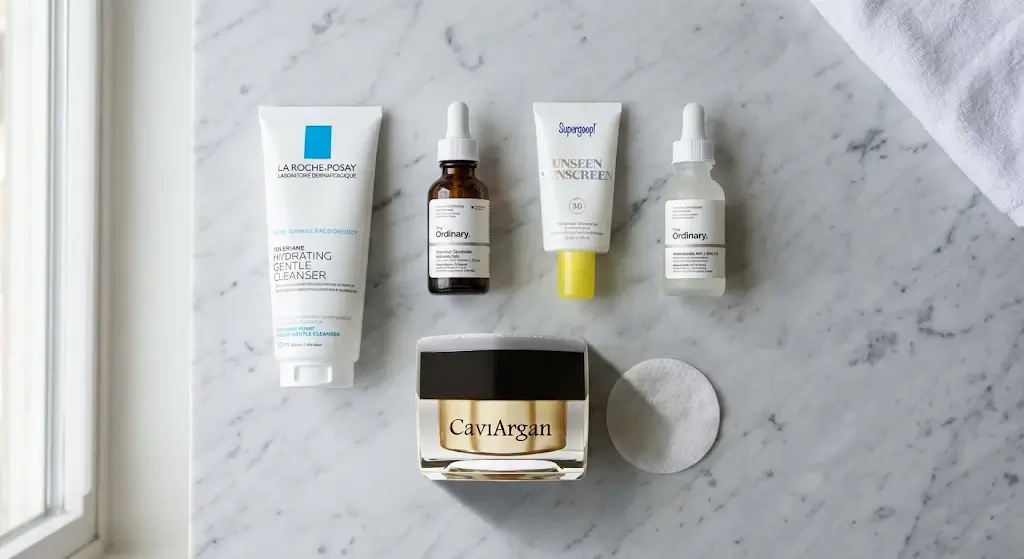
Here’s a no-fuss AM/PM routine that hits the key strategies above:
| Time | Step | Product / Action |
| AM | 1. Cleanse | Gentle, pH-balanced cleanser (30 sec) |
| 2. Antioxidant | 5–6 drops of 15–20% vitamin C serum | |
| 3. Moisturize | Light moisturizer with ceramides | |
| 4. Protect | Broad-spectrum SPF 30+ (reapply q2h outdoors) | |
| PM | 1. Cleanse | Gentle cleanser (remove sunscreen / makeup) |
| 2. Treat (2–3×/wk) | 5–10% AHA or 2% BHA exfoliant | |
| 3. Treat (nightly) | 4–5% niacinamide serum | |
| 4. Moisturize | Ceramide or hyaluronic acid cream |
On nights you skip the AHA, you can add a pea-sized amount of retinol (0.3–1%) if your skin tolerates it. Do not layer retinol and AHA on the same night.
What to Skip (and Why)
- Lemon juice, baking soda, or DIY “natural” scrubs. These are highly acidic or abrasive. They disrupt the skin barrier, cause micro-inflammation, and can trigger more pigmentation.
- High-concentration peels at home (20%+ glycolic, 30%+ lactic). These belong in a dermatologist’s office with proper neutralization.
- Unregulated “skin lightening” creams. Some contain mercury, hydroquinone above 4%, or undisclosed steroids. The FDA has issued warnings about illegal skin-lightening products.
- Skipping sunscreen because you’re “indoors.” UVA passes through windows. If you sit near a window at your desk for 6+ hours, you’re getting cumulative UV exposure.
Who Should See a Doctor First
This article is for general information and is not a substitute for advice from a doctor or dermatologist. Please see a professional if:
- Your dark patches appeared suddenly or are spreading rapidly.
- You have a history of skin cancer or atypical moles.
- Over-the-counter approaches show no improvement after 12 weeks.
- You suspect melasma linked to a hormonal condition (thyroid, PCOS, pregnancy).
- A spot is changing in size, shape, color, or is bleeding.
A dermatologist can perform a dermoscopy exam, prescribe a higher-strength retinoid or hydroquinone (up to 4%) if appropriate, or refer you for a chemical peel or laser session that isn’t safe to do at home.
Related Tips for Overall Skin Health
- Limit alcohol and refined sugar. Both raise inflammatory markers and can make skin look duller. You don’t have to quit, but cutting back even 2–3 drinks per week may help.
- Move your body regularly. Even a 20-minute brisk walk increases blood flow to the skin, delivering oxygen and nutrients to skin cells. The HHS Physical Activity Guidelines for Americans recommend at least 150 minutes of moderate aerobic activity per week.
- Manage stress. Chronic cortisol elevation is linked to slower skin healing and flare-ups of inflammatory conditions. Even 10 minutes of deep breathing, a short walk, or a hobby you enjoy can lower your stress load.
- Don’t smoke. Nicotine constricts blood vessels, reducing oxygen delivery to skin. Smoking is strongly associated with premature skin aging and uneven tone.

FAQ
How long does it take to even out skin tone naturally?
Most people see noticeable improvement in 8 to 12 weeks of consistent sunscreen use, gentle exfoliation, and antioxidant application. Deeper pigmentation (melasma, long-standing sun spots) can take 3–6 months. Individual results vary based on skin type, severity, and consistency.
Can you fix uneven skin tone without any products?
You can make meaningful progress with sun protection (a hat, long sleeves, staying out of peak UV), a healthy diet, and adequate sleep. However, a basic SPF 30+ sunscreen and a gentle cleanser are the minimum “products” that make a measurable difference. Skipping all products entirely will slow your results significantly.
Does vitamin C actually lighten dark spots?
Topical L-ascorbic acid at 10–20% concentration may reduce the appearance of hyperpigmentation by inhibiting tyrosinase and providing antioxidant protection. It works best as part of a routine that includes daily sunscreen. Results typically appear after 8–12 weeks of consistent use.
What causes uneven skin tone on the face?
The three most common causes are cumulative UV exposure (sun spots), post-inflammatory hyperpigmentation from acne or irritation, and hormonal changes (melasma). Dryness, aging, and chronic inflammation can also contribute to a patchy, dull appearance.
Is uneven skin tone permanent?
Most post-inflammatory marks and mild sun spots fade over months with consistent sun protection and gentle exfoliation. Melasma and deep dermal pigmentation are more stubborn and may require professional treatment. No dark spot is truly “permanent,” but some take significantly longer to resolve.
Should I use a retinoid if I have uneven skin tone?
A low-dose retinoid (0.3% retinol OTC, or prescription tretinoin 0.025–0.05%) can speed cell turnover and help fade pigmentation over time. Introduce it slowly (every third night) and always pair it with daily sunscreen, as retinoids increase photosensitivity. If you have sensitive or reactive skin, start with niacinamide first.
Conclusion: Consistency Beats Complexity
Improving uneven skin tone naturally isn’t about finding one magic serum. It’s about stacking a handful of small, evidence-based habits—daily SPF, a gentle exfoliant a few nights a week, a vitamin C or niacinamide serum, antioxidant-rich food, good sleep, and the patience to let your skin cycle through 2–3 full turnover periods.
You don’t need a 12-step routine or a $200 shelf of products. You need a 4-step AM routine, a 4-step PM routine, a hat, and 8 weeks of showing up. Start with sunscreen and one active (vitamin C or niacinamide). Add the AHA exfoliant in week three. Track your progress with monthly photos. And if you hit a wall, a dermatologist visit is not a failure—it’s a smart next step.
Your skin is capable of healing and evening out. Give it the right inputs, protect it from the things that make pigmentation worse, and trust the process.