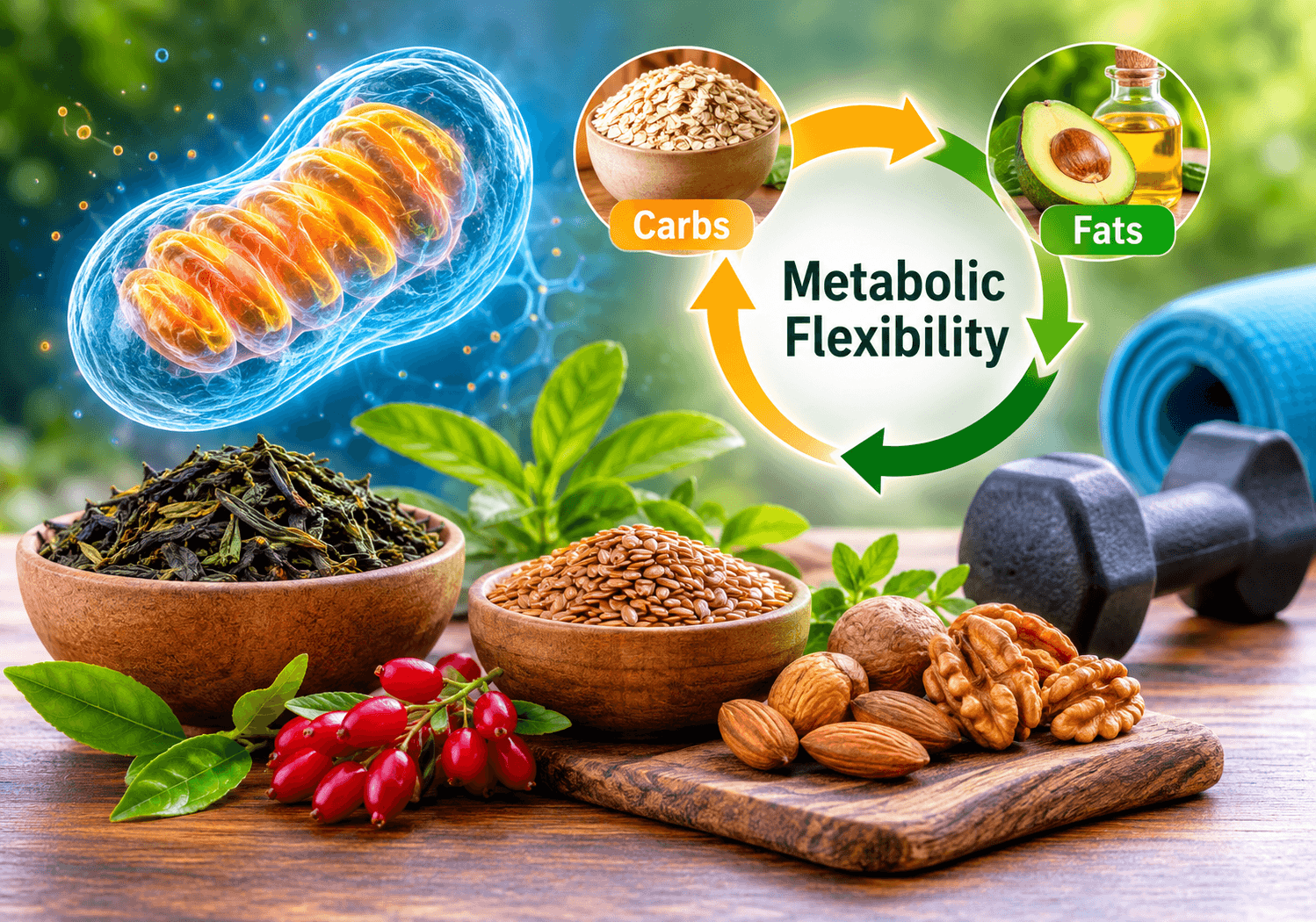
When optimizing your body’s ability to switch between fuel sources, finding the right evidence-based supplements for metabolic flexibility can make a significant difference. Metabolic flexibility is your body’s ability to efficiently burn carbohydrates for quick energy and fat for sustained endurance. When this system works well, you experience steady energy, better recovery, and easier weight management. As a strength and conditioning coach, I see many clients struggle with energy crashes because their bodies are stuck relying on just one fuel source.
While diet and exercise are the foundation of metabolic health, targeted supplementation can bridge the gap. This guide breaks down the most researched, science-backed compounds that support your mitochondria, improve insulin sensitivity, and enhance fat oxidation. We will cover exact dosages, timing, and how to pair these tools with your training for maximum results.
Quick Answer
What are the best evidence-based supplements for metabolic flexibility?
The most research-backed options include Berberine (500 mg, 2–3x daily) for AMPK activation, Omega-3 fatty acids (1–2 g EPA/DHA daily) for cell membrane health, Alpha-Lipoic Acid (300–600 mg) for glucose uptake, and L-Carnitine (1–2 g) for fatty acid transport into the mitochondria. These should be paired with Zone 2 cardio and resistance training for optimal metabolic switching.
Understanding Metabolic Flexibility
Metabolic flexibility is the ability of your skeletal muscle and other tissues to adapt fuel oxidation to fuel availability. In simple terms, it is your body’s ability to seamlessly switch between burning glucose (from carbohydrates) and burning fat (from stored body fat or dietary fat) depending on what you are doing and what you have eaten.
When you are metabolically flexible, you can fast overnight without feeling irritable, sustain long workouts without hitting a wall, and recover quickly. When you are metabolically inflexible, your body struggles to access fat stores. You might feel sluggish between meals, experience intense sugar cravings, and find it difficult to lose body fat.
The key players in this process are the mitochondria, often called the powerhouses of the cell. They produce ATP (cellular energy). Two major cellular pathways regulate this:
- AMPK (AMP-activated protein kinase): Think of this as the body’s “master energy switch.” When activated, it encourages the body to burn fat and improves insulin sensitivity.
- PPAR-gamma: A protein that regulates genes involved in fat storage and usage, helping muscles become better at oxidizing lipids.
While you can boost metabolic flexibility without crash dieting through lifestyle changes like intermittent fasting and varied training, specific nutrients can directly support these cellular pathways. Below, we detail the top evidence-based supplements for metabolic flexibility.

Top Evidence-Based Supplements for Metabolic Flexibility
1. Berberine
How it works: Berberine is a bioactive compound extracted from several plants. It is one of the most powerful natural activators of AMPK. By turning on this “master switch,” berberine helps move glucose from your bloodstream into your muscles, where it can be used for energy rather than stored as fat.
The Evidence: Multiple systematic reviews and meta-analyses published in peer-reviewed journals confirm that berberine significantly improves insulin sensitivity and lipid metabolism, performing similarly to some pharmaceutical interventions in clinical settings (NIH/PMC Study on Berberine).
Dosage & Timing: 500 mg, taken 2 to 3 times per day with meals to minimize digestive upset and align with post-meal glucose spikes.
Coach’s Note: If you are exploring this compound, read more on how berberine can support metabolic health in our detailed breakdown.
2. Omega-3 Fatty Acids (EPA and DHA)
How it works: Omega-3s, found in fish oil, improve the fluidity of cell membranes. This makes it easier for insulin receptors to function properly, enhancing glucose uptake. They also activate PPAR-gamma, which promotes fat oxidation in skeletal muscle.
The Evidence: Research in the Journal of Clinical Investigation demonstrates that omega-3 supplementation improves insulin sensitivity and increases the expression of genes responsible for fat burning in human skeletal muscle (NIH/PMC Study on Omega-3s).
Dosage & Timing: 1,000 to 2,000 mg of combined EPA and DHA daily. Take with a meal containing dietary fat to maximize absorption.
Coach’s Note: Ensure you are getting the right building blocks. Discover which other nutrients support normal energy metabolism to complement your omega-3 intake.
3. Alpha-Lipoic Acid (ALA)
How it works: ALA is a potent antioxidant that is both water- and fat-soluble, allowing it to work in all parts of the cell. It enhances glucose uptake in skeletal muscle by stimulating the translocation of GLUT4 (glucose transporter type 4) to the cell membrane, independent of insulin.
The Evidence: Clinical trials show that ALA supplementation (600 mg/day) significantly improves insulin sensitivity and reduces symptoms of diabetic neuropathy by lowering oxidative stress (NIH/PMC Study on ALA).
Dosage & Timing: 300 to 600 mg daily. It can be taken on an empty stomach for maximum absorption, though taking it with a light meal reduces the chance of acid reflux.
4. L-Carnitine (specifically L-Carnitine L-Tartrate)
How it works: L-carnitine acts as a shuttle. It transports long-chain fatty acids across the mitochondrial membrane so they can be burned for energy (beta-oxidation). Without adequate carnitine, fat remains trapped outside the mitochondria.
The Evidence: A study in the Journal of Physiology showed that chronic L-carnitine supplementation, when paired with carbohydrate intake, increases muscle carnitine content and improves metabolic flexibility during low-intensity exercise (PubMed Study on L-Carnitine).
Dosage & Timing: 1 to 2 grams per day. For best results, take it with a meal containing 30–40 grams of carbohydrates, as the resulting insulin spike helps drive carnitine into the muscle tissue.
5. Magnesium (Glycinate or Citrate)
How it works: Magnesium is a cofactor in over 300 enzymatic reactions, including those that produce ATP. It is also critical for proper insulin receptor tyrosine kinase activity. Low magnesium is strongly linked to insulin resistance and poor metabolic flexibility.
The Evidence: A meta-analysis in Diabetes Care concluded that higher dietary magnesium intake is associated with a significantly lower risk of type 2 diabetes and improved insulin sensitivity (NIH/PMC Study on Magnesium).
Dosage & Timing: 200 to 400 mg daily. Magnesium glycinate is preferred for evening use due to its calming effects, while citrate is well-absorbed but may have a mild laxative effect at higher doses.
6. Green Tea Extract (EGCG)
How it works: Epigallocatechin gallate (EGCG), the primary catechin in green tea, inhibits the enzyme that breaks down norepinephrine. This prolongs the fat-burning signal. It also mildly activates AMPK, supporting the shift toward fat oxidation.
The Evidence: Research published in the American Journal of Clinical Nutrition found that green tea extract significantly increases 24-hour energy expenditure and fat oxidation in healthy humans (PubMed Study on EGCG).
Dosage & Timing: 250 to 500 mg of standardized EGCG extract daily. Take it in the morning or before a workout. Avoid taking it late in the day, as it contains small amounts of caffeine. Learn more about how green tea extract increases metabolism in our dedicated guide.
7. Coenzyme Q10 (CoQ10)
How it works: CoQ10 is a vital component of the mitochondrial electron transport chain, the final stage of ATP production. It also acts as a fat-soluble antioxidant, protecting mitochondria from the oxidative damage that occurs during high metabolic demand.
The Evidence: Studies indicate that CoQ10 supplementation can improve mitochondrial function and reduce oxidative stress, which is particularly beneficial for individuals with metabolic syndrome (NIH/PMC Study on CoQ10).
Dosage & Timing: 100 to 200 mg daily of the ubiquinol form (which is better absorbed than ubiquinone). Always take with a fat-containing meal.
8. Chromium Picolinate
How it works: Chromium enhances the action of insulin by increasing the number of insulin receptors on the cell surface and improving their binding affinity. This helps clear glucose from the blood more efficiently, preventing the spikes and crashes that hinder metabolic flexibility.
The Evidence: A review in Diabetes Technology & Therapeutics noted that chromium picolinate supplementation improves glycemic control and lipid profiles in individuals with insulin resistance (PubMed Study on Chromium). If you struggle with sweets, see how chromium picolinate helps reduce sugar cravings.
Dosage & Timing: 200 to 1,000 mcg daily, taken with a meal.
How to Pair Supplements with Training
Supplements alone cannot create metabolic flexibility. They are catalysts that amplify the adaptations triggered by your training and nutrition. To truly teach your body to switch fuel sources, you must apply the right mechanical stress.

The Metabolic Flexibility Training Protocol
To build a resilient metabolic engine, combine these three training modalities:
- Zone 2 Cardio (The Foundation)
- What it is: Steady-state exercise where you can maintain a conversation (roughly 60-70% of your max heart rate).
- Why it works: This intensity specifically trains your mitochondria to become more efficient at oxidizing fat.
- Prescription: 3 to 4 sessions per week, 30 to 60 minutes per session.
- Progression: Add 5 minutes to each session weekly.
- Regression: Break the 30 minutes into two 15-minute sessions (e.g., a brisk walk in the morning and after dinner).
- High-Intensity Interval Training (HIIT) (The Catalyst)
- What it is: Short bursts of maximal effort followed by rest.
- Why it works: HIIT heavily depletes muscle glycogen, forcing the body to upregulate AMPK and improve glucose uptake post-workout.
- Prescription: 1 to 2 sessions per week. Example: 8 rounds of 30 seconds hard effort (e.g., assault bike or sprinting), followed by 90 seconds of easy pedaling.
- Progression: Increase the work interval to 45 seconds.
- Regression: Reduce the work interval to 15 seconds and extend the rest to 2 minutes.
- Resistance Training (The Sink)
- What it is: Lifting weights to build or maintain skeletal muscle.
- Why it works: Muscle is the largest “sink” for glucose in the body. More muscle mass means a greater capacity to store and utilize carbohydrates, preventing them from spilling over into fat storage.
- Prescription: 2 to 3 full-body sessions per week. Focus on compound movements (squats, deadlifts, presses, rows).
- Sets/Reps: 3 sets of 8–12 reps per exercise. Rest 60–90 seconds between sets.
- Weight Guidance: Choose a weight that feels challenging by the last 2 reps (e.g., 15 lb / 6.8 kg dumbbells for beginners, progressing to 35 lb / 15.8 kg as strength improves).
Coach’s Tip: Time your L-Carnitine and carbohydrate intake around your resistance training sessions. The insulin response from your post-workout meal will actively shuttle the carnitine into the muscle cells you just broke down, maximizing its metabolic benefits.
Common Mistake: Doing only high-intensity workouts. While HIIT is great, doing it every day keeps cortisol chronically elevated and prevents the body from practicing low-intensity fat oxidation. You must include Zone 2 cardio to build the mitochondrial “engine” size.

Safety Notes & Who Should Be Careful
While the evidence-based supplements for metabolic flexibility listed above are generally safe for healthy adults, they are biologically active compounds. They can interact with medications or exacerbate certain conditions.
- Berberine: Do not combine berberine with prescription blood sugar-lowering medications (like metformin) without a doctor’s supervision, as it can cause hypoglycemia (dangerously low blood sugar). It is also not recommended during pregnancy or breastfeeding.
- Green Tea Extract: High doses of EGCG can cause liver stress in susceptible individuals. Stick to the recommended 250–500 mg dose and avoid taking it on a completely empty stomach.
- L-Carnitine: May cause mild nausea or a “fishy” body odor at very high doses (above 3 grams per day).
- Blood Thinners: Omega-3 fatty acids and ALA have mild blood-thinning effects. If you take anticoagulant medication, consult your physician before starting high-dose supplementation.
Always introduce one new supplement at a time. Wait 7 to 10 days before adding another. This allows you to monitor how your body reacts and identify any adverse effects, such as digestive discomfort or headaches. If you have a pre-existing medical condition, consult with a doctor or registered dietitian before beginning any new supplement protocol.
FAQ: Evidence-Based Supplements for Metabolic Flexibility
1. What supplements improve metabolic flexibility the fastest?
Berberine and Alpha-Lipoic Acid (ALA) tend to show the most rapid effects on glucose metabolism and insulin sensitivity, often within 2 to 4 weeks of consistent use. However, true metabolic flexibility requires pairing these with Zone 2 cardio and resistance training for lasting results.
2. How do I know if I have poor metabolic flexibility?
Common signs include intense sugar cravings, energy crashes 1–2 hours after eating a carb-heavy meal, difficulty losing body fat despite a calorie deficit, and feeling “hangry” or shaky if you delay a meal. A fasting insulin blood test can also provide clinical insight.
3. Can I take these supplements if I am not on a keto diet?
Yes. In fact, these supplements are highly effective for individuals eating a balanced, moderate-carbohydrate diet. They help your body process the carbohydrates you do eat more efficiently, preventing them from being stored as excess fat.
4. How long does it take to improve metabolic flexibility?
Physiological adaptations take time. You may notice improved energy levels within 2 to 3 weeks of starting supplementation and training. However, significant changes in mitochondrial density and fat oxidation rates typically require 8 to 12 weeks of consistent effort.
5. Are there natural ways to boost metabolic flexibility without supplements?
Absolutely. The most powerful tools are lifestyle-based: practicing intermittent fasting (e.g., a 12- to 14-hour overnight fast), prioritizing 7–9 hours of quality sleep, managing stress, and consistently performing a mix of Zone 2 cardio and strength training. Supplements are meant to support, not replace, these habits.
6. Do I need to cycle these supplements?
It is generally recommended to cycle Berberine (e.g., 8 weeks on, 2 weeks off) to prevent the body from adapting to its AMPK-activating effects. Omega-3s, Magnesium, and CoQ10 can typically be taken year-round without cycling, as they replenish foundational nutrient pools.
Conclusion
Optimizing your body’s ability to switch between burning fat and carbohydrates is one of the most impactful things you can do for long-term health, energy, and body composition. By leveraging evidence-based supplements for metabolic flexibility like Berberine, Omega-3s, ALA, and L-Carnitine, you provide your mitochondria with the precise nutritional support they need to function optimally.
Remember that supplements are exactly that: supplementary. They will not outwork a poor diet or a sedentary lifestyle. Pair these targeted nutrients with a consistent routine of Zone 2 cardio, strategic resistance training, and adequate sleep. Start with one or two supplements, monitor how your body responds, and gradually build a protocol that supports your unique metabolic needs.