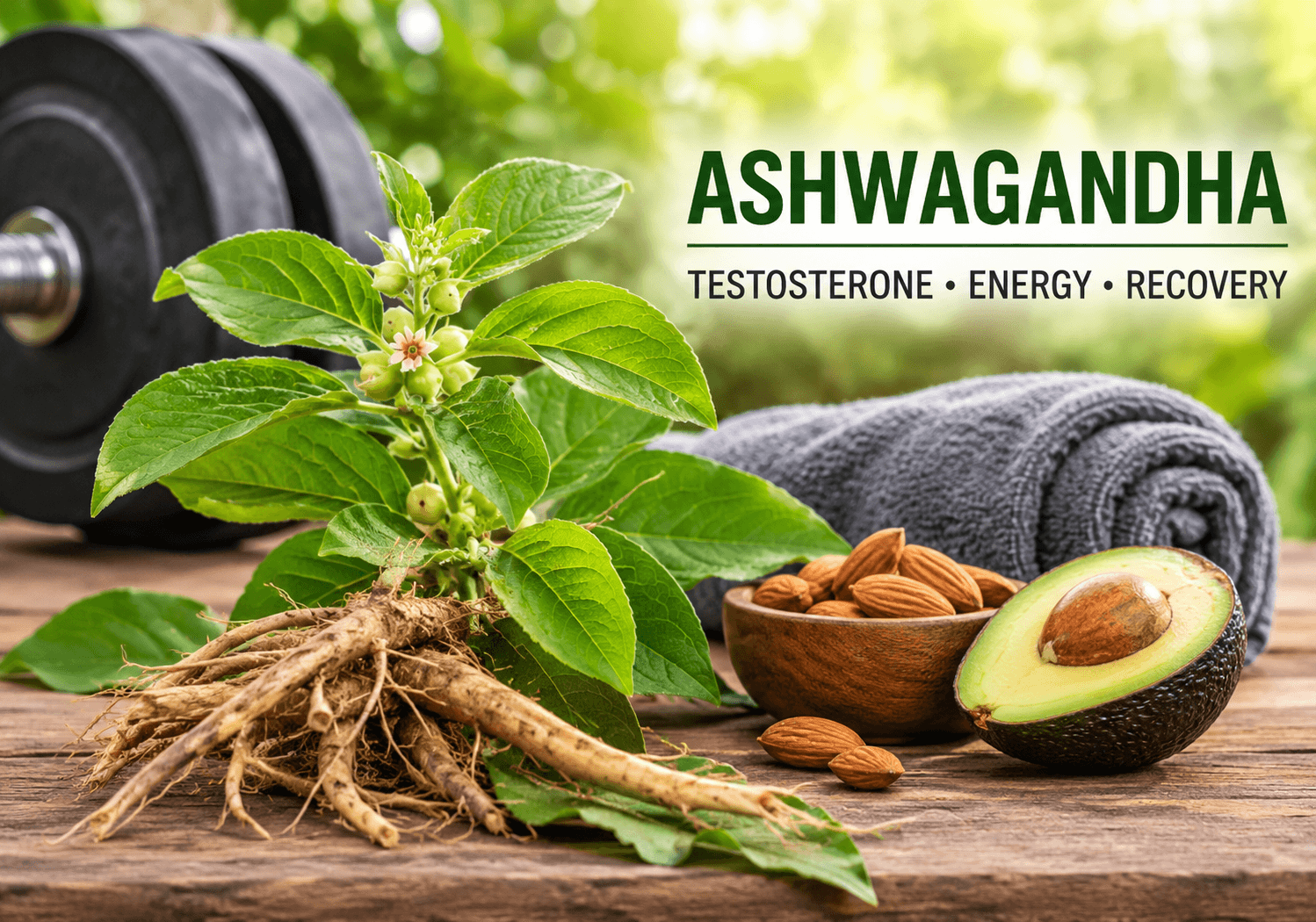
Optimizing your training, improving recovery, and supporting hormonal health require evidence-based strategies. Understanding the specific ashwagandha benefits for men testosterone and energy is a smart starting point for any serious lifter. As a strength and conditioning coach, I frequently evaluate whether ancient adaptogens can move the needle for modern athletes. The short answer is yes, but with important caveats. Research shows that standardized ashwagandha root extract can help modulate cortisol, support healthy testosterone levels, and reduce fatigue. This makes it a valuable tool for men seeking natural vitality and better gym performance.
Quick Answer: Clinical evidence confirms that ashwagandha benefits for men include modest increases in testosterone, reduced cortisol, and improved energy levels, especially when combined with resistance training. Taking 300–600 mg of a standardized root extract (like KSM-66) daily for 8–12 weeks yields measurable improvements in strength, recovery, and overall vitality.
The Science Behind Ashwagandha Benefits for Men: Testosterone and Energy
To understand how this herb works, we must look at the body’s endocrine system. Ashwagandha (Withania somnifera) is classified as an adaptogen. Adaptogens are natural substances that help the body resist physical, chemical, and biological stressors. They do this primarily by modulating the hypothalamic-pituitary-adrenal (HPA) axis, which controls your stress response.
The Cortisol-Testosterone Seesaw
Chronic stress elevates cortisol, a catabolic hormone. When cortisol remains chronically high, it suppresses the hypothalamic-pituitary-gonadal (HPG) axis. This suppression reduces the release of luteinizing hormone (LH), which directly signals the testes to produce testosterone. By lowering cortisol, ashwagandha removes this biochemical brake, allowing natural testosterone production to resume. A randomized, double-blind, placebo-controlled study demonstrated that ashwagandha supplementation significantly reduced morning cortisol levels while simultaneously improving anxiety scores in chronically stressed adults.
Direct Androgenic Support
Beyond cortisol reduction, ashwagandha may directly support androgen production. A landmark 2019 study published in Medicine found that ashwagandha intake was associated with a 14.7% greater increase in testosterone and an 18% greater increase in DHEA-S (a precursor hormone) compared to a placebo group. Furthermore, research on healthy males indicates that standardized root extracts can positively influence sexual well-being and support healthy testosterone concentrations over an 8-week period.

Cellular Energy and Fatigue Reduction
Low energy in men is often tied to adrenal fatigue and poor recovery, not just a lack of caffeine. Ashwagandha contains active compounds called withanolides, which are believed to improve mitochondrial efficiency and reduce oxidative stress. A 2023 meta-analysis examining physical performance concluded that ashwagandha supplementation leads to a statistically significant reduction in fatigue symptoms, as measured by the Chalder Fatigue Scale, compared to placebo groups. This means you experience stable, jitter-free vitality rather than a stimulant-induced crash.
Muscle Strength and Recovery Gains
For gym-goers, the ultimate test of a supplement is performance. An 8-week randomized controlled trial examined healthy young men engaged in resistance training. The group consuming 300 mg of ashwagandha root extract twice daily saw significantly greater increases in muscle strength. Specifically, the ashwagandha group added an average of 46.0 kg to their bench press and 14.5 kg to their leg extension, compared to 26.4 kg and 9.8 kg in the placebo group.

The same study noted a significant increase in serum testosterone levels (an average increase of 96.2 ng/dL in the treatment group versus 18.0 ng/dL in the placebo group) and a significantly greater decrease in body fat percentage. Additionally, the ashwagandha group showed faster muscle recovery, indicated by a more rapid stabilization of serum creatine kinase levels after intense exercise.
Expected Outcomes: Dosage and Timeline Table
Setting realistic expectations is crucial for any supplementation protocol. Ashwagandha is not a magic pill; it requires consistency.
| Timeline | Expected Physiological Adaptation |
| Weeks 1–2 | Improved sleep quality and a noticeable reduction in perceived daily stress and anxiety. |
| Weeks 3–4 | Enhanced recovery between workouts. You may notice less muscle soreness after lifting heavy weights or running 3 miles (4.8 km). |
| Weeks 5–8 | Measurable improvements in strength outputs (e.g., adding 10 lb (4.5 kg) to your major lifts) and a visible reduction in body fat percentage. |
| Weeks 8–12 | Peak hormonal modulation, including optimized total and free testosterone levels, assuming diet and training are aligned. |
Note: These outcomes assume a daily dosage of 300–600 mg of a standardized root extract (minimum 5% withanolides) alongside a structured resistance training program.
How to Apply Ashwagandha Benefits for Men: Testosterone and Energy in Your Routine
Knowing the science is only half the battle. Applying it correctly ensures you get the maximum return on your investment. Follow this practical, step-by-step protocol to integrate ashwagandha into your lifestyle.
Step 1: Choose the Right Extract
Not all ashwagandha is created equal. Look for supplements that specify the extract type and withanolide percentage. KSM-66 and Sensoril are the two most clinically researched branded extracts. KSM-66 is a full-spectrum root extract standardized to 5% withanolides, making it the gold standard for testosterone and strength goals. Avoid products that only list “ashwagandha powder” without standardization, as the active compound concentration will be too low to be effective.
Step 2: Dial in the Dosage
The clinical sweet spot for men is 300 mg to 600 mg per day. You can take this as a single 600 mg dose or split it into two 300 mg doses. Splitting the dose is often better for maintaining stable blood levels of withanolides throughout the day.
Step 3: Optimize Timing
Timing depends on your primary goal. If your main issue is daytime fatigue and stress, take your dose in the morning with breakfast. If your primary goal is improving sleep quality and overnight recovery, take your dose 30 to 60 minutes before bed. Many athletes split the difference, taking 300 mg in the morning and 300 mg in the evening.
Coach’s Tip: Always take your ashwagandha with a meal containing healthy fats, such as eggs, avocado, or olive oil. Withanolides are fat-soluble compounds, meaning their absorption in the digestive tract increases significantly when consumed with dietary fat.
Step 4: Stack with Synergistic Nutrients
Ashwagandha works best as part of a broader nutritional strategy. It pairs exceptionally well with foundational micronutrients that support the endocrine system. For example, ensuring you have adequate zinc support healthy testosterone production is critical, as zinc is a direct cofactor in testosterone synthesis. Magnesium and Vitamin D3 are also essential partners in this biochemical pathway. If you are exploring broader strategies, reviewing evidence-based supplements for libido and energy in men can help you build a comprehensive stack.
Step 5: Pair with Progressive Overload
Supplements amplify your efforts; they do not replace them. To trigger the testosterone and muscle-building responses seen in clinical trials, you must provide a mechanical stimulus. Follow a structured resistance training program focusing on compound movements like squats, deadlifts, and bench presses. Aim for 3 to 4 sessions per week, progressively increasing the weight or volume over time.
Common Mistake: Expecting overnight results. Ashwagandha is an adaptogen, not a central nervous system stimulant like caffeine. It takes 4 to 8 weeks of consistent daily use to build up in your system and effectively modulate your HPA axis. Dropping the supplement after two weeks because you “don’t feel anything” is a waste of money.

Safety Notes and Who Should Be Careful
While ashwagandha is generally recognized as safe for most healthy adults, it is a potent botanical that interacts with human physiology. You must approach it with the same respect you would give to any other active compound.
- Thyroid Conditions: Ashwagandha may increase thyroid hormone levels. Men with hyperthyroidism or those taking thyroid medication should avoid it or use it only under strict medical supervision.
- Autoimmune Diseases: Because ashwagandha can stimulate the immune system, men with autoimmune conditions like rheumatoid arthritis, lupus, or multiple sclerosis should avoid it, as it could potentially exacerbate symptoms.
- Sedatives and CNS Depressants: Ashwagandha has mild sedative properties. Combining it with prescription sedatives, benzodiazepines, or alcohol can amplify drowsiness and impair cognitive function.
- Liver Health: Although rare, there have been isolated case reports of liver injury associated with ashwagandha supplementation. To mitigate this risk, always choose products that are third-party tested for heavy metals and contaminants, and discontinue use if you experience unexplained fatigue, jaundice, or abdominal pain.
If you are experiencing persistent fatigue or hormonal issues, it is vital to rule out underlying medical conditions. For instance, understanding what causes low libido in men after 40 often reveals that sleep apnea or cardiovascular issues are the true culprits, not just a simple supplement deficiency. Always consult a licensed healthcare provider before adding new dietary supplements to your routine.
Related Tips for Maximizing Male Vitality
Supplementation is only one pillar of hormonal health. To truly unlock the ashwagandha benefits for men testosterone and energy, you must optimize your lifestyle foundation.
Prioritize Sleep Hygiene
The majority of your daily testosterone is produced during REM and deep sleep stages. Chronic sleep deprivation drastically elevates cortisol and plummets testosterone. Research clearly shows that stress and poor sleep lower male libido and disrupt the HPG axis. Aim for 7 to 9 hours of quality sleep per night. Keep your bedroom cool, dark, and free of screens at least one hour before bed to support natural melatonin production.
Manage Chronic Stress Proactively
Beyond supplementation, active stress management is non-negotiable. Chronic psychological stress keeps cortisol elevated, which directly antagonizes testosterone. Incorporating daily practices like adaptogens for cortisol management, deep breathing exercises, or 20 minutes of daily walking can significantly lower your baseline stress load.
Optimize Your Training Volume
More is not always better. Overtraining is a primary cause of elevated cortisol and suppressed testosterone in dedicated athletes. If you are feeling constantly drained, you may be doing too much. Ensure you have at least 48 hours of recovery between training the same muscle groups. Incorporating deload weeks every 6 to 8 weeks allows your central nervous system to recover, preventing the burnout that leads to chronic fatigue. Learning how to increase energy and stamina naturally often starts with subtracting excessive training volume, not just adding supplements.
Fuel for Hormonal Production
Your body needs adequate calories and dietary fat to produce hormones. Very low-calorie or extremely low-fat diets signal to the body that it is in a state of famine, downregulating reproductive hormone production. Ensure your diet includes sufficient healthy fats from sources like salmon, nuts, seeds, and olive oil. If you are trying to improve daily energy without caffeine, stabilizing your blood sugar through balanced meals is the most effective first step.

Frequently Asked Questions
How long does it take for ashwagandha to boost testosterone?
Clinical trials indicate it takes 8 to 12 weeks of consistent daily supplementation to see measurable increases in testosterone. Studies using 300 to 600 mg of standardized root extract show significant hormonal shifts and strength gains only after this sustained period, not immediately.
What is the best ashwagandha dosage for men?
The most researched and effective dosage for men is 300 to 600 mg per day of a standardized root extract containing at least 5% withanolides. This is typically split into two 300 mg doses taken morning and evening with food for optimal absorption.
Can ashwagandha improve energy levels without caffeine?
Yes. Unlike caffeine, which stimulates the central nervous system, ashwagandha improves energy by lowering cortisol and reducing cellular fatigue. Research shows it significantly reduces fatigue scores on standardized scales, providing stable, jitter-free vitality throughout the day without the typical stimulant crash.
Does ashwagandha have side effects for men?
Ashwagandha is generally well-tolerated by most men. Mild side effects may include digestive upset, drowsiness, or headaches. Rare cases of liver toxicity have been reported, so it is crucial to choose high-quality, third-party tested supplements and consult your doctor before starting any new regimen.
Is KSM-66 better than regular ashwagandha for testosterone?
KSM-66 is a specific, full-spectrum root extract standardized to 5% withanolides. Most positive clinical trials on testosterone, muscle strength, and cortisol reduction specifically use KSM-66, making it the most evidence-backed and reliable choice for men’s hormonal and athletic performance goals.
Who should not take ashwagandha?
Men with hyperthyroidism, autoimmune diseases like rheumatoid arthritis, or those taking sedatives, thyroid medications, or immunosuppressants should avoid ashwagandha. Always consult a licensed healthcare provider before adding new dietary supplements to your routine, especially if you have pre-existing medical conditions.
Conclusion
Navigating the world of men’s health supplements can be overwhelming, but the data on this specific adaptogen is compelling. When used correctly, the ashwagandha benefits for men testosterone and energy are well-supported by clinical research. By choosing a high-quality, standardized extract like KSM-66, committing to a consistent 8-to-12-week protocol, and pairing it with proper resistance training and sleep hygiene, you can create a powerful foundation for natural vitality. Remember that supplements are tools to enhance a solid lifestyle, not replace it.