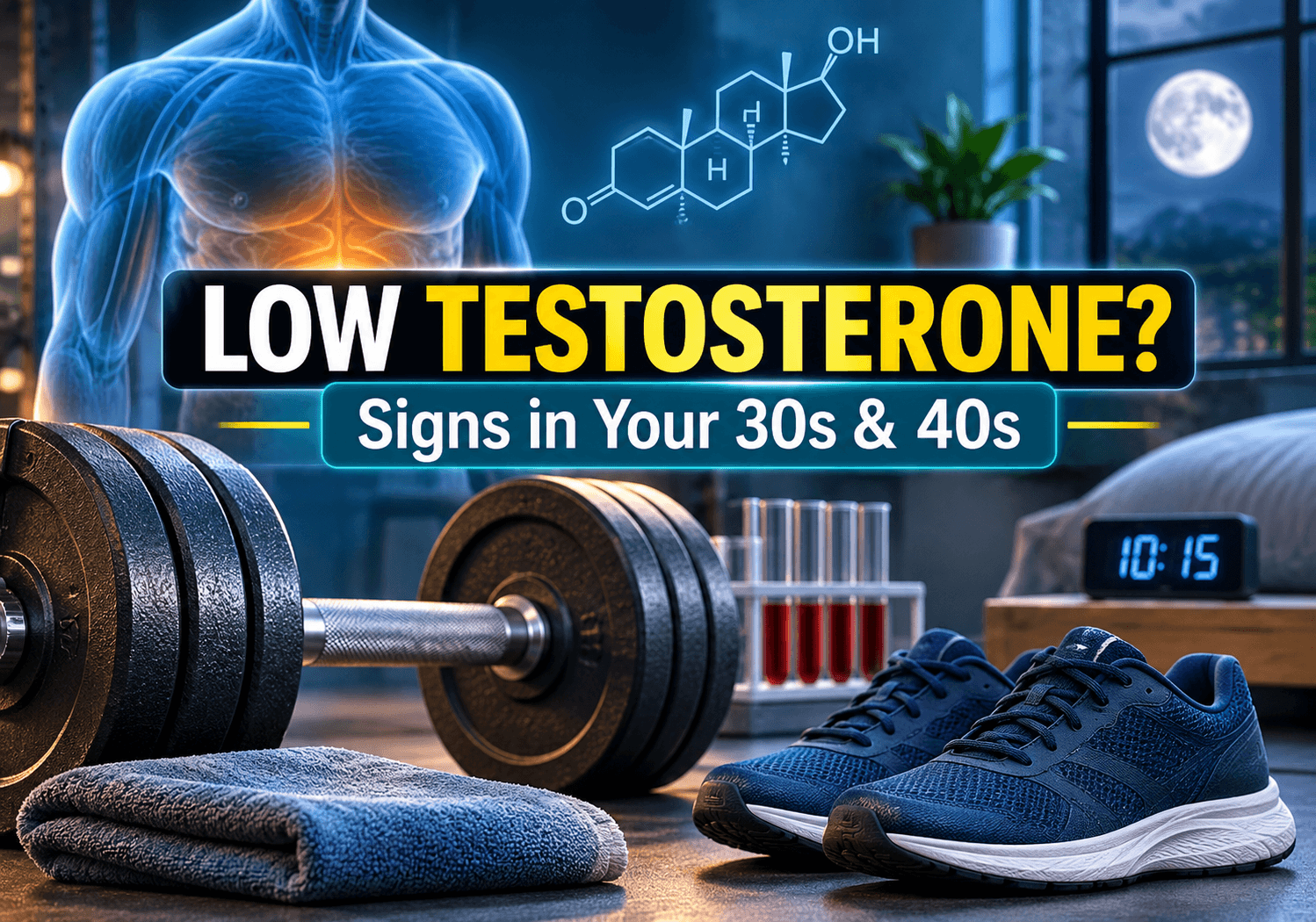
If you have been feeling unusually fatigued, struggling to build muscle, or noticing a persistent drop in your daily drive, you might be wondering about the signs of low testosterone in men in their 30s and 40s. Testosterone is the primary male sex hormone, responsible for regulating muscle mass, bone density, fat distribution, and overall energy levels. While a gradual decline is a normal part of aging, an accelerated drop can significantly impact your quality of life, gym performance, and metabolic health.
As a strength and conditioning coach, I regularly work with men in this exact demographic who feel like their bodies are working against them. The good news is that recognizing the symptoms early allows you to take targeted, evidence-based action. This guide breaks down the clinical signs, the underlying physiology, and the practical lifestyle, training, and nutritional strategies you can use to support healthy hormone levels naturally.
Quick Answer
The most common signs of low testosterone in men in their 30s and 40s include persistent fatigue, decreased libido, unexplained loss of muscle mass, increased visceral body fat, mood swings, and sleep disturbances. If you experience multiple symptoms, consult a healthcare provider for a morning blood test to check total and free testosterone levels. Natural interventions like heavy resistance training, adequate protein and healthy fat intake, and optimized sleep hygiene can significantly support healthy hormone production.
Understanding Testosterone Decline: What the Research Says
Testosterone production is primarily managed by the Leydig cells in the testes, regulated by a feedback loop involving the hypothalamus and the pituitary gland. According to the Endocrine Society clinical practice guidelines, total testosterone levels naturally begin to decline at a rate of about 1% per year starting around age 30.
However, there is a distinct difference between normal, gradual aging and clinical hypogonadism (pathologically low testosterone). Modern lifestyle factors often accelerate this decline. Chronic stress, poor sleep quality, sedentary behavior, and excessive alcohol consumption can disrupt the endocrine system, leading to elevated cortisol levels. High cortisol directly antagonizes testosterone production, creating a hormonal environment that promotes fat storage and muscle breakdown.
Research published in the Journal of Clinical Endocrinology & Metabolism indicates that obesity and insulin resistance are strongly linked to lower testosterone levels in middle-aged men. This creates a vicious cycle: low testosterone makes it harder to lose weight, and carrying excess weight further suppresses testosterone. Understanding this mechanism is the first step toward breaking the cycle through targeted lifestyle interventions.
Recognizing the Signs of Low Testosterone in Men in Their 30s and 40s
Identifying the issue early is crucial for maintaining long-term health and performance. Below are the most common, evidence-backed indicators that your hormone levels may be suboptimal.
1. Persistent Fatigue and Low Energy
This is not the normal tiredness you feel after a hard workout or a long day at work. Low testosterone-related fatigue is a deep, pervasive exhaustion that does not resolve with adequate rest. Men often report feeling drained by mid-afternoon, lacking the motivation to train, or needing excessive caffeine just to function. This occurs because testosterone plays a vital role in cellular energy metabolism and red blood cell production.
2. Decreased Libido and Sexual Function
One of the most widely recognized symptoms is a noticeable drop in sex drive. Testosterone is a primary driver of libido in men. Additionally, low levels can contribute to erectile dysfunction or a decrease in spontaneous morning erections. If you are experiencing these changes, it is important to note that stress and poor sleep lower male libido independently, but they also compound the effects of low testosterone.
3. Loss of Muscle Mass and Strength
If you have been training consistently but notice your strength plateauing or your muscles appearing softer and smaller, hormone levels may be the culprit. Testosterone is highly anabolic, meaning it promotes muscle protein synthesis. Without sufficient levels, your body struggles to repair and build muscle tissue, even if your training and protein intake are on point.
4. Increased Body Fat (Especially Visceral)
A sudden or stubborn increase in body fat, particularly around the midsection, is a classic hallmark of hormonal imbalance. Testosterone helps regulate fat distribution. When levels drop, the body is more prone to storing visceral fat (the dangerous fat surrounding internal organs). This type of fat is metabolically active and produces an enzyme called aromatase, which converts existing testosterone into estrogen, further worsening the imbalance.
5. Mood Changes, Irritability, and Brain Fog
Hormones profoundly impact brain chemistry. Men with low testosterone frequently report increased irritability, a lack of motivation, depressive symptoms, or difficulty concentrating (often described as “brain fog”). A study in the American Journal of Men’s Health found a strong correlation between low testosterone levels and decreased overall mood and vitality in middle-aged men.
6. Sleep Disturbances and Insomnia
While poor sleep can cause low testosterone, low testosterone can also disrupt sleep. Men with suboptimal levels often report difficulty falling asleep, frequent nighttime awakenings, or non-restorative sleep. Furthermore, severe low testosterone is a known risk factor for sleep apnea, a condition that fragments sleep and severely impacts daytime energy and metabolic health.
7. Reduced Bone Density
Though often thought of as an older man’s issue, bone mineral density begins to be affected in the 30s and 40s if testosterone is low. Testosterone stimulates bone formation and inhibits bone resorption. Over time, untreated low levels can increase the risk of osteopenia or osteoporosis, making fractures more likely from minor impacts.
8. Hair Loss or Changes in Body Hair
While male pattern baldness is largely genetic and linked to dihydrotestosterone (DHT), a general thinning of body or facial hair can sometimes indicate a broader drop in androgen production. This is less common as an isolated symptom but can be a supporting clue when combined with other signs.
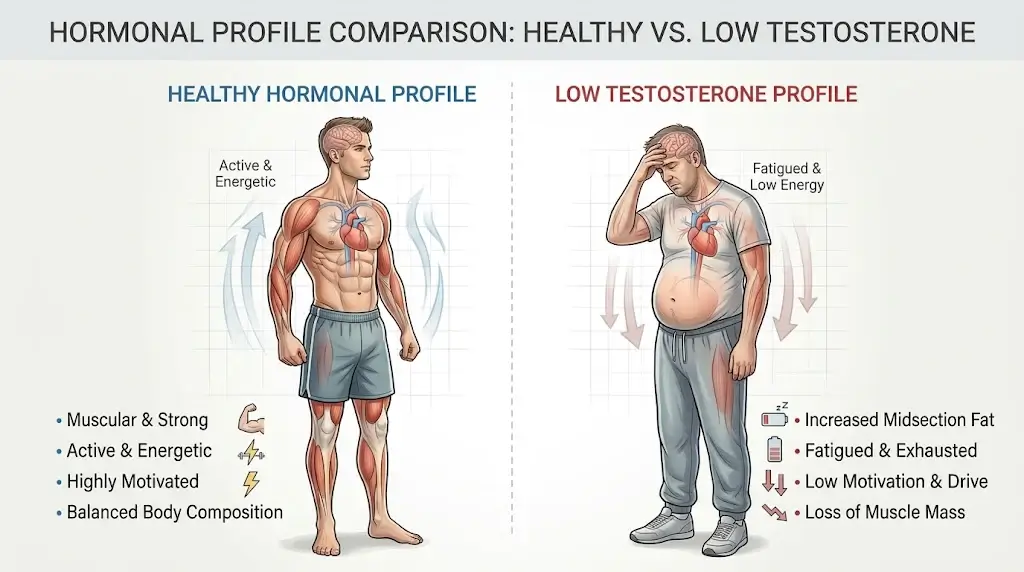
Normal vs. Low Testosterone: Symptom Comparison Table
To help you evaluate your own experience, review this comparison of typical aging versus signs that warrant medical investigation.
| Symptom Category | Normal Aging (30s–40s) | Potential Signs of Low Testosterone |
| Energy Levels | Occasional tiredness, recovers with a good night’s sleep. | Chronic, unrelenting fatigue; naps do not help. |
| Body Composition | Slight, gradual increase in body fat if diet is poor. | Rapid, stubborn gain of visceral belly fat despite diet/exercise. |
| Muscle & Strength | Slower muscle growth; requires more deliberate programming. | Noticeable muscle wasting; sudden, unexplained strength loss. |
| Libido | Minor fluctuations based on stress or relationship dynamics. | Persistent, severe drop in sex drive and morning erections. |
| Mood & Cognition | Occasional stress or work-related frustration. | Persistent brain fog, depression, or uncharacteristic irritability. |
| Sleep | Occasional restless nights. | Chronic insomnia, frequent waking, or suspected sleep apnea. |

Actionable Steps to Address the Signs of Low Testosterone in Men in Their 30s and 40s
If you recognize several of these symptoms, do not panic. Before considering medical interventions like testosterone replacement therapy (TRT), you must optimize your foundational lifestyle habits. Research consistently shows that lifestyle modifications can significantly improve testosterone levels in men with mild to moderate deficiencies.
1. Optimize Your Resistance Training Protocol
Exercise is one of the most potent natural stimuli for testosterone production. However, not all exercise is created equal. Chronic, long-duration cardio can elevate cortisol and actually suppress testosterone. Instead, prioritize heavy, compound resistance training.
Sample Hormone-Supporting Workout Routine:
- Frequency: 3 to 4 days per week.
- Focus: Compound movements that recruit large muscle masses.
- Exercises: Barbell back squats, deadlifts, bench presses, overhead presses, and weighted pull-ups.
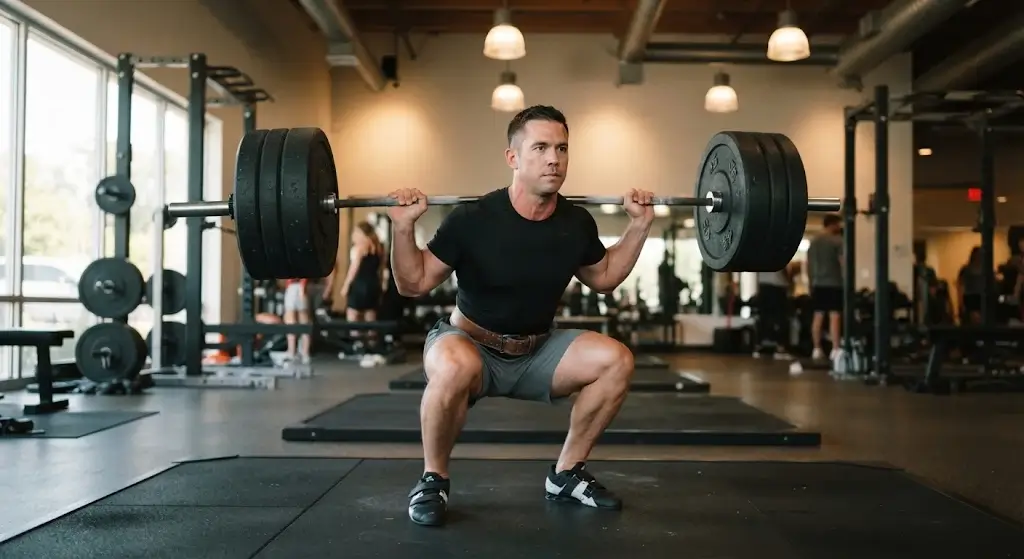
- Volume & Intensity: 3 to 4 sets of 5 to 8 repetitions. Use a weight that is challenging but allows you to maintain perfect form (e.g., 185 lb / 84 kg for squats, progressing gradually).
- Rest Periods: 2 to 3 minutes between sets. Shorter rest periods increase metabolic stress but do not optimize the acute hormonal response needed for strength and muscle preservation.
- Tempo: Control the eccentric (lowering) phase for 2–3 seconds, pause briefly, and explode through the concentric (lifting) phase.
Coach’s Tip: Do not train to absolute failure on every set. Leaving 1 to 2 reps in the tank (RPE 8 or 9) prevents excessive central nervous system fatigue and keeps cortisol levels in check, which is crucial for hormonal balance.
Common Mistake: Overtraining. Many men in their 30s and 40s try to “out-train” a hormonal issue by working out 6 or 7 days a week. This chronic stress elevates cortisol, which directly inhibits testosterone production. More is not always better; recovery is when the hormonal adaptation occurs.
2. Prioritize Nutritional Building Blocks
Your endocrine system requires specific macronutrients and micronutrients to synthesize hormones. A severe calorie deficit or a diet too low in fat will crash your testosterone levels.
- Healthy Fats: Cholesterol is the literal building block of testosterone. Ensure 25–30% of your daily calories come from healthy fats like avocados, olive oil, nuts, seeds, and whole eggs.
- Adequate Protein: Maintaining muscle mass is critical for metabolic health. Aim for 0.8 to 1 gram of protein per pound of body weight (1.7 to 2.2 g per kg). Learn more about how adequate protein intake for metabolism supports overall body composition.
- Zinc and Magnesium: Zinc is essential for Leydig cell function. Men who sweat heavily during workouts are at risk of zinc depletion. Foods like oysters, beef, and pumpkin seeds are excellent sources. If you suspect a deficiency, know that zinc supports healthy testosterone levels when dietary intake is insufficient.
- Vitamin D: Functioning more like a hormone than a vitamin, Vitamin D is strongly correlated with testosterone levels. Aim for 15–20 minutes of direct sunlight daily, or consider a supplement (typically 2,000–5,000 IU daily, but verify with your doctor based on blood work).
3. Master Sleep Hygiene and Stress Management
The majority of daily testosterone release occurs during deep, REM, and slow-wave sleep. Cutting your sleep from 8 hours to 5 hours can reduce testosterone levels by up to 15%, as demonstrated in research from the University of Chicago.
To optimize sleep:
- Keep your bedroom cool (around 65°F or 18°C).
- Avoid screens and blue light for at least 60 minutes before bed.
- Establish a consistent sleep-wake schedule, even on weekends.
- Manage stress through mindfulness, walking, or hobbies. Chronic psychological stress keeps cortisol elevated, which actively suppresses the hypothalamic-pituitary-gonadal (HPG) axis. Understanding how sleep affects hormonal balance is foundational to reversing low T symptoms.
4. Consider Evidence-Based Natural Support
While no supplement can replace a poor diet or lack of sleep, certain natural compounds have clinical backing for supporting male hormonal health. For example, research indicates that ashwagandha for testosterone and libido may help reduce cortisol and support healthy androgen levels in stressed individuals. Always choose third-party tested supplements and consult your physician before starting any new regimen.
Safety Notes and When to See a Doctor
Lifestyle changes are powerful, but they are not a substitute for professional medical diagnosis. If you are experiencing multiple signs of low testosterone in men in their 30s and 40s, you should schedule an appointment with a primary care physician or an endocrinologist.
What to expect at the doctor: Your doctor will likely order a morning blood test (drawn between 7:00 AM and 10:00 AM, when testosterone levels peak). A comprehensive panel should include:
- Total Testosterone
- Free Testosterone (the biologically active form)
- Sex Hormone-Binding Globulin (SHBG)
- Luteinizing Hormone (LH) and Follicle-Stimulating Hormone (FSH) to determine if the issue is primary (testicular) or secondary (pituitary/hypothalamus).
- Thyroid panel, fasting glucose, and lipid profile to rule out other metabolic issues.
Do not attempt to self-diagnose or purchase over-the-counter “testosterone boosters” that make wild, unregulated claims. Many of these products contain proprietary blends with no clinical backing and may even be harmful to liver or kidney function.
If you are also struggling with persistent fatigue or unexplained weight changes, it may be helpful to explore how to increase energy and stamina naturally through comprehensive metabolic support alongside your hormone evaluation.
Related Tips for Long-Term Hormonal Health
Maintaining healthy testosterone levels is a lifelong commitment, not a quick fix. Here are a few additional, coach-approved strategies to integrate into your routine:
- Limit Alcohol Intake: Heavy alcohol consumption is toxic to Leydig cells and increases the conversion of testosterone to estrogen. Limit intake to 1–2 standard drinks per week, or eliminate it entirely while you are trying to reset your baseline.
- Maintain a Healthy Body Weight: If you are carrying excess body fat, a modest, sustainable calorie deficit combined with resistance training can significantly improve your hormonal profile. As you lose fat, insulin sensitivity improves, which naturally supports testosterone production. You can also review which vitamins support metabolism to ensure your nutritional foundation is solid during a fat-loss phase.
- Avoid Endocrine Disruptors: Minimize exposure to xenoestrogens found in certain plastics (like BPA), pesticides, and personal care products. Store food in glass containers and choose organic produce when possible, especially for the “Dirty Dozen.”

Frequently Asked Questions (FAQ)
What are the very first signs of low testosterone in your 30s?
The earliest signs often include unexplained fatigue, a noticeable drop in gym performance or muscle recovery, and a subtle decrease in libido. Mood changes, such as increased irritability or lack of motivation, are also common early indicators before more physical symptoms like fat gain appear.
Can low testosterone cause weight gain in men over 40?
Yes. Low testosterone reduces basal metabolic rate and promotes the storage of visceral fat around the abdomen. This fat tissue contains aromatase, an enzyme that converts testosterone into estrogen, creating a cycle that makes further weight gain easier and muscle loss more likely.
How do I know if I have low testosterone or if I am just tired from stress?
The symptoms overlap significantly, which is why a blood test is essential. However, if your fatigue is accompanied by a distinct loss of morning erections, shrinking muscle mass despite training, and increased belly fat, it strongly points toward a hormonal issue rather than simple stress.
What is a normal testosterone level for a 40-year-old man?
According to the American Urological Association, a normal total testosterone level is generally between 300 and 1,000 nanograms per deciliter (ng/dL). However, “normal” is a broad range, and many men feel optimal symptoms in the 500–700 ng/dL range. Free testosterone levels are equally important to evaluate.
Does lifting heavy weights increase testosterone in men in their 40s?
Yes, resistance training, particularly heavy compound movements like squats and deadlifts, acutely boosts testosterone and growth hormone. Over the long term, maintaining muscle mass through lifting improves insulin sensitivity and body composition, which creates a healthier environment for natural testosterone production.
How is low testosterone officially diagnosed in men?
Diagnosis requires both the presence of clinical symptoms and consistently low blood test results. A doctor will typically order two separate morning blood tests to confirm low total and free testosterone, along with other hormone markers, before making a formal diagnosis of hypogonadism.
Conclusion
Recognizing the signs of low testosterone in men in their 30s and 40s is the first step toward reclaiming your energy, strength, and overall well-being. While a gradual decline is a natural part of aging, symptoms like chronic fatigue, stubborn belly fat, muscle loss, and low libido should not be dismissed as “just getting older.”
By prioritizing heavy, compound resistance training, consuming adequate healthy fats and micronutrients, and mastering your sleep hygiene, you can create a powerful, natural foundation for hormonal health. If lifestyle changes do not resolve your symptoms, do not hesitate to seek professional medical evaluation. A simple morning blood test can provide the clarity you need to make informed, evidence-based decisions about your health. Take control of your physiology, train smart, and prioritize recovery.