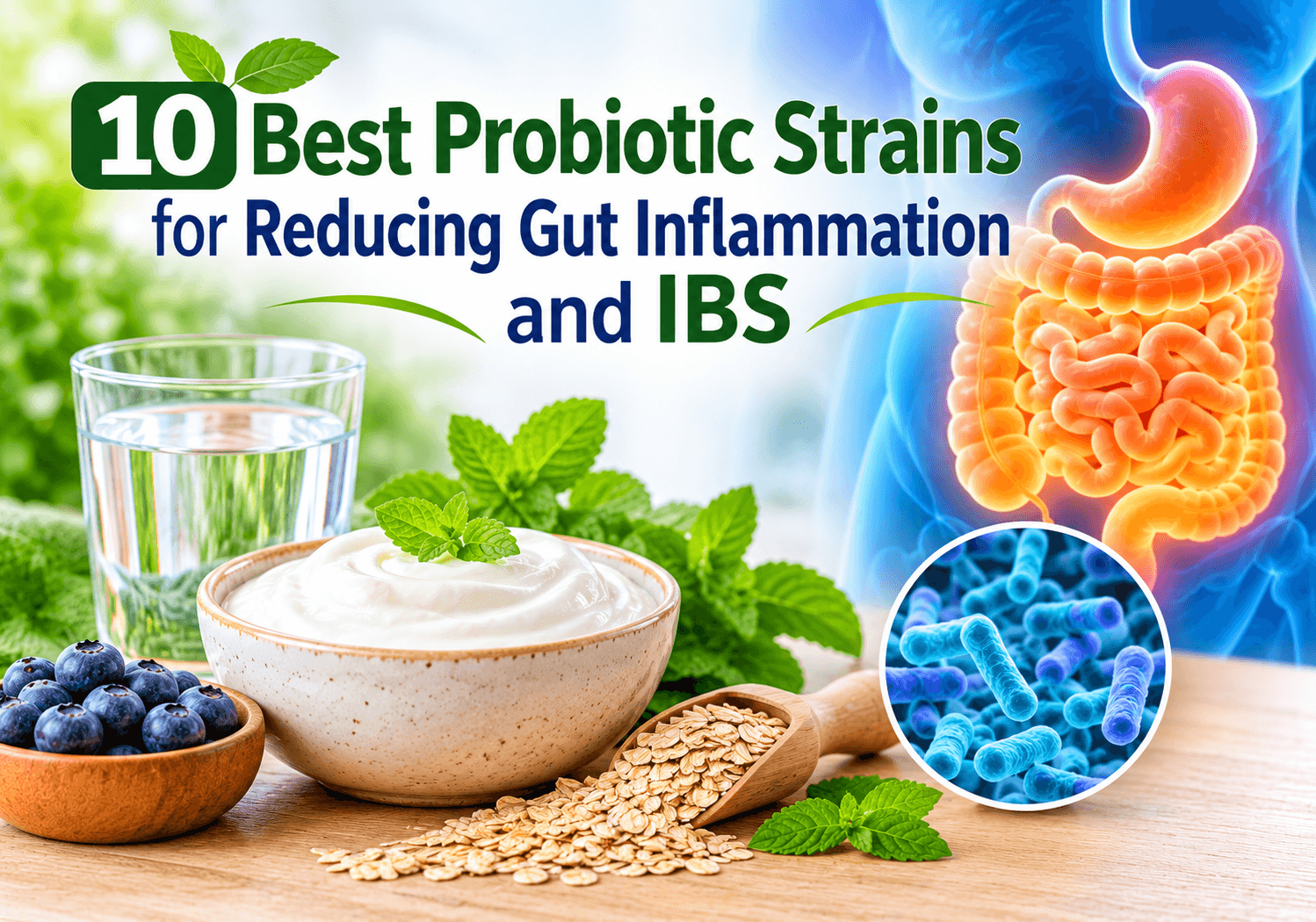
Gut inflammation and irritable bowel syndrome (IBS) affect roughly 1 in 5 adults in the United States, according to the CDC’s digestive health resources. If you deal with bloating, cramping, alternating diarrhea and constipation, or a general “off” feeling in your gut, you are not alone. The good news: research keeps pointing to specific probiotic strains that may help calm intestinal inflammation, support gut barrier integrity, and ease IBS symptoms.
As a strength and conditioning coach, I work with clients whose training performance tanks because of digestive discomfort. I have walked them through supplement routines, dietary adjustments, and stress-management strategies that support gut health alongside their workouts. This guide breaks down the ten probiotic strains with the strongest research backing for gut inflammation and IBS, so you can make an informed choice without wading through marketing noise.
Quick Answer: The best probiotic strains for reducing gut inflammation and IBS include Lactobacillus plantarum 299v, Bifidobacterium infantis 35624, Lactobacillus rhamnosus GG, Saccharomyces boulardii, and Bifidobacterium longum BB536. Most studies use doses between 1–10 billion CFU per day for 4–12 weeks. Always check with your doctor before starting a new supplement, especially if you have a diagnosed GI condition.
Why Specific Strains Matter (Not Just “Probiotics”)
Not all probiotics are created equal. A supplement label that reads “10 billion CFU of probiotics” tells you almost nothing about whether the product will help your gut. What matters is the specific strain (the species plus the alphanumeric code, like L. rhamnosus GG) and the dose studied in clinical trials.
The National Center for Complementary and Integrative Health (NCCIH) notes that most probiotic research focuses on individual strains or small combinations, and that evidence for one strain does not automatically apply to another. That is why this guide lists strains individually rather than lumping them together.
Research published in peer-reviewed journals such as the Journal of Clinical Gastroenterology and Alimentary Pharmacology and Therapeutics has examined dozens of strains for IBS and gut inflammation. The ten below consistently appear in meta-analyses and systematic reviews as the most studied and most promising options.
1. Lactobacillus plantarum 299v
Best for: IBS with diarrhea (IBS-D), bloating, and general gut comfort
L. plantarum 299v is one of the most researched single strains for IBS. Multiple randomized controlled trials have shown it may reduce bloating, abdominal pain, and stool frequency in IBS-D patients. It produces short-chain fatty acids (SCFAs) that feed the cells lining your colon, supporting gut barrier integrity.
- Typical studied dose: 1–2 billion CFU/day
- Duration in studies: 4–8 weeks
- What to look for: The label must say “299v” specifically. Generic L. plantarum is a different animal.
- Form: Capsule or powder
A 2019 meta-analysis in Alimentary Pharmacology and Therapeutics found that L. plantarum 299v reduced IBS symptom severity scores compared with placebo .
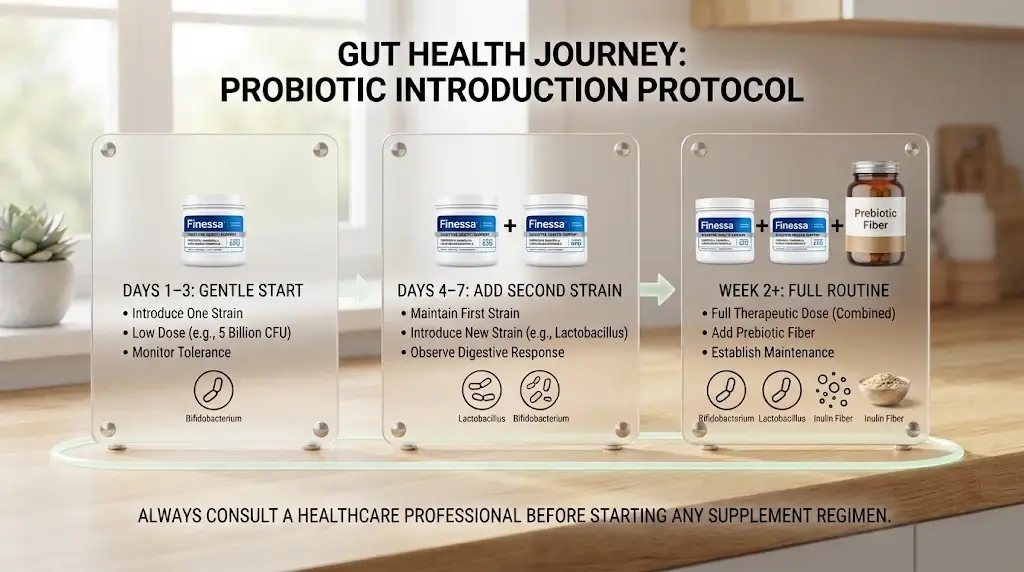
Coach’s Tip: If you are new to probiotics, start with one strain at a initial dose for the first two weeks. Add a second strain only after your gut adjusts. This makes it easier to identify which strain is helping (or causing extra gas).
2. Bifidobacterium infantis 35624
Best for: IBS with constipation (IBS-C), abdominal pain, and quality of life
B. infantis 35624 is a Bifidobacterium species that colonizes the lower colon, where it competes with pathogenic bacteria and produces SCFAs. Clinical trials have reported reductions in abdominal pain, bloating, and overall IBS symptom scores, particularly in IBS-C and mixed IBS (IBS-M).
- Typical studied dose: 1–2 billion CFU/day
- Duration in studies: 8–12 weeks
- What to look for: The “35624” designation. This strain is licensed and trademarked, so it appears in several branded products.
- Form: Capsule
A systematic review in the Journal of Clinical Gastroenterology noted that B. infantis 35624 improved IBS global ratings and reduced abdominal pain versus placebo .
3. Lactobacillus rhamnosus GG (LGG)
Best for: Antibiotic-associated diarrhea, general gut health, and mucosal immunity
LGG is arguably the most studied probiotic strain in the world, with over 1,000 published clinical trials. While it is best known for preventing and treating antibiotic-associated diarrhea, it also supports the intestinal mucosal barrier and may reduce low-grade gut inflammation.
- Typical studied dose: 1–20 billion CFU/day (most IBS studies use 1–5 billion)
- Duration in studies: 2–12 weeks
- What to look for: The “GG” suffix. LGG is a specific strain isolated from a human volunteer in 1983 and is now licensed by several manufacturers.
- Form: Capsule, powder, or chewable
The Mayo Clinic’s IBS treatment overview lists probiotics as a complementary approach that some patients find helpful for IBS symptoms.
Common Mistake: Buying a “probiotic blend” that lists LGG at the bottom of a 10-strain list with only 0.1 billion CFU. That dose is well below what was used in clinical trials. If LGG is your target strain, look for a product where it is the primary or sole ingredient at 1+ billion CFU.
4. Saccharomyces boulardii
Best for: IBS-D, antibiotic-associated diarrhea, and gut barrier support
S. boulardii is not a bacterium at all—it is a beneficial yeast. That distinction matters because yeasts are resistant to antibiotics, so you can take S. boulardii concurrently with a course of antibiotics without the antibiotic killing the probiotic. It has strong evidence for reducing diarrhea and supporting the intestinal barrier.
- Typical studied dose: 2–5 billion CFU/day (often 250 mg capsules, 2 per day)
- Duration in studies: 2–8 weeks
- What to look for: “Saccharomyces boulardii” spelled out. Some products use “S. boulardii CNCM I-745” or “I-1077″—both are valid.
- Form: Capsule or powder. Store in a cool, dry place; no refrigeration needed for most brands.
A 2020 Cochrane-style review in The Cochrane Database of Systematic Reviews found that S. boulardii reduced the duration and severity of diarrhea in adults .
5. Bifidobacterium longum BB536
Best for: IBS, gut-brain axis support, and stress-related digestive symptoms
B. longum BB536 is a Bifidobacterium strain that has shown promise in modulating the gut-brain axis. Several trials in IBS patients reported improvements in abdominal pain, stool consistency, and even anxiety scores. If stress and anxiety make your IBS worse, this strain is worth considering.
- Typical studied dose: 1–2 billion CFU/day
- Duration in studies: 8–12 weeks
- What to look for: “BB536” on the label. This strain is produced by a Japanese biotech company and appears in a limited number of products.
- Form: Capsule
Research in the Journal of Clinical Gastroenterology and Neuropsychopharmacology has linked B. longum BB536 to reduced IBS symptom severity and improved mood markers .
6. Lactobacillus acidophilus NCFM
Best for: General digestive comfort, lactose digestion support, and gut flora balance
L. acidophilus NCFM is one of the most widely studied lactic acid bacteria. It helps break down lactose, supports the balance of intestinal flora, and may reduce mild bloating and gas. It is a good “starter” strain if you are new to probiotics.
- Typical studied dose: 1–10 billion CFU/day
- Duration in studies: 4–8 weeks
- What to look for: “NCFM” designation. This strain is licensed by Danisco and appears in many mainstream probiotic products.
- Form: Capsule, powder, or in fermented dairy products
7. Enterococcus faecalis SF68
Best for: IBS-D, post-infectious IBS, and gut inflammation
E. faecalis SF68 is a lactic acid bacterium that has shown particular promise in post-infectious IBS, where gut inflammation persists after a bout of food poisoning or infectious gastroenteritis. It may help restore microbial diversity and reduce mucosal inflammation.
- Typical studied dose: 1–5 billion CFU/day
- Duration in studies: 8–12 weeks
- What to look for: “SF68” on the label. This is a European-origin strain and is less common in U.S. products.
- Form: Capsule
A randomized trial published in Alimentary Pharmacology and Therapeutics found that E. faecalis SF68 improved IBS-D symptoms and quality of life scores over 12 weeks .
8. Bifidobacterium lactis BB-12
Best for: IBS-C, constipation, and overall gut motility
B. lactis BB-12 is a well-studied Bifidobacterium strain that may support regular bowel movements and reduce constipation-related discomfort. It is one of the most commercially available probiotic strains, so finding a quality product is straightforward.
- Typical studied dose: 1–10 billion CFU/day
- Duration in studies: 4–12 weeks
- What to look for: “BB-12” designation. Licensed by Chr. Hansen, it appears in hundreds of products worldwide.
- Form: Capsule, powder, or in fermented foods
9. Lactobacillus reuteri DSM 17938 / ATCC PTA 6475
Best for: Bloating, gas, and mild IBS symptoms
L. reuteri strains have been studied for their ability to reduce gas production and bloating. They produce reuterin, a compound that inhibits certain harmful gut bacteria. This strain is particularly popular for adults who experience post-meal bloating and abdominal distension.
- Typical studied dose: 1–10 billion CFU/day
- Duration in studies: 4–8 weeks
- What to look for: “DSM 17938” or “ATCC PTA 6475.” Both are well-studied L. reuteri strains.
- Form: Capsule, powder, or liquid drops
10. Multi-Strain Formulations (e.g., VSL#3 / De Simone Formulation, or Bio-Gai Pro)
Best for: Severe IBS, post-antibiotic gut recovery, and comprehensive gut support
Some of the strongest IBS evidence comes from multi-strain formulations that combine 4–8 specific strains in defined ratios. The most studied is the De Simone Formulation (formerly VSL#3), which contains 8 strains of Lactobacillus, Bifidobacterium, and Streptococcus thermophilus at a total of 450 billion CFU per sachet.
- Typical studied dose: 450 billion CFU/day (De Simone Formulation) or 10–30 billion CFU/day (other multi-strain products)
- Duration in studies: 4–12 weeks
- What to look for: A product that lists every strain and its individual CFU count. Avoid “proprietary blends” that hide individual strain doses.
- Form: Sachet (powder), capsule, or liquid
A meta-analysis in the American Journal of Gastroenterology found that multi-strain probiotics were more effective than single-strain products for reducing overall IBS symptom severity .
How to Build Your Probiotic Routine
Knowing which strains to pick is only half the battle. How you take them matters just as much.
Dosing and Timing
- Start low, go slow. Begin with one strain at the lower end of the studied dose for 7–10 days. If you experience extra gas or mild cramping (common in the first week), that is usually your gut adjusting. If symptoms worsen or you develop a rash, stop and talk to your doctor.
- Take with or just before a meal. Most studies administer probiotics with food. The stomach acid environment is less hostile when you have eaten, improving the chance that live bacteria reach your intestines.
- Consistency beats perfection. Take your probiotic at roughly the same time each day. Think of it like a daily training habit—showing up matters more than the perfect conditions.
Pairing With Diet and Lifestyle
Probiotics work best as part of a broader gut-support strategy:
- Prebiotic fiber feeds your new bacteria. Soluble fiber from oats, beans, and vegetables gives probiotic strains the fuel they need to produce SCFAs. If you are not getting enough fiber in your diet, a soluble fiber supplement or food source can help.
- Manage stress. The gut-brain axis is real. Chronic stress alters gut motility and can worsen IBS. Even 10 minutes of diaphragmatic breathing or a short walk after meals can help.
- Stay active. Regular moderate exercise—brisk walking, cycling, swimming—supports healthy gut motility and microbial diversity. The HHS Physical Activity Guidelines recommend at least 150 minutes of moderate aerobic activity per week for adults.
- Limit ultra-processed foods and excess alcohol. Both are linked to reduced microbial diversity and increased gut permeability.
When to Take Probiotics With Antibiotics
If you are on an antibiotic course, S. boulardii is the one strain you can take simultaneously because it is a yeast and is not affected by most antibiotics. For bacterial probiotics (Lactobacillus, Bifidobacterium), take them at least 2–3 hours apart from your antibiotic dose.
Safety Tips and Who Should Be Cautious
Probiotics are generally well-tolerated in healthy adults. However, certain groups should speak with a doctor or gastroenterologist before starting any probiotic supplement:
- Immunocompromised individuals (HIV/AIDS, organ transplant recipients, those on chemotherapy)
- People with short bowel syndrome or central venous catheters
- Pregnant or breastfeeding women (some strains have safety data, but not all)
- Individuals with severe IBD (Crohn’s disease, ulcerative colitis in active flare)
- People taking immunosuppressant medications
The NCCIH advises that while probiotics are generally safe, they are not regulated as strictly as medications, so product quality varies. Look for brands that:
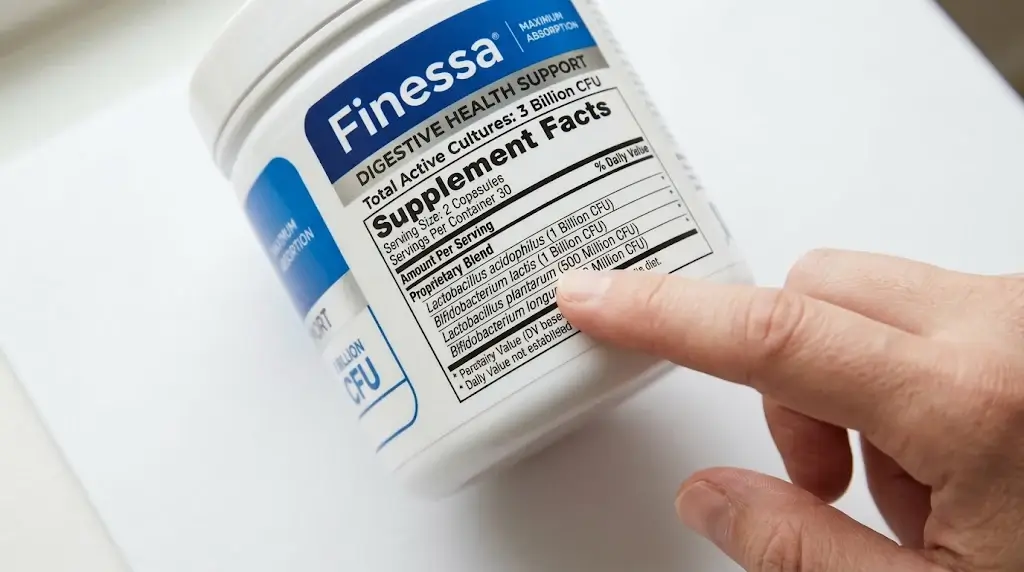
- List every strain and its CFU count on the label
- Have been tested by a third-party lab (look for NSF, USP, or ConsumerLab verification)
- State the CFU count “at expiration,” not just “at time of manufacture”
- Use enteric-coated capsules or spore-forming bacteria to survive stomach acid
If you have a diagnosed GI condition, a history of gut surgery, or are on long-term medication, check with your doctor or a registered dietitian before adding a probiotic to your routine.
How to Read a Probiotic Label (Quick Checklist)
| What to Check | Why It Matters |
| Specific strain name (e.g., L. rhamnosus GG) | Research is strain-specific, not species-specific |
| CFU count per serving | Must match the dose used in clinical trials |
| “At expiration” vs. “at manufacture” | Bacteria die over time; expiration CFU is the honest number |
| Third-party testing seal (NSF, USP) | Confirms the label is accurate |
| Storage instructions | Some strains need refrigeration; others are shelf-stable |
| Inactive ingredients / fillers | Avoid products with excessive binders or artificial colors |
FAQ
Which probiotic strain is best for IBS with bloating?
Lactobacillus plantarum 299v and Lactobacillus reuteri DSM 17938 have the strongest evidence for reducing bloating and abdominal distension in IBS. Start with one at 1–2 billion CFU/day for 4 weeks and track your symptoms in a simple journal.
How long do probiotics take to reduce gut inflammation?
Most clinical trials show measurable improvements in IBS symptom scores after 4 to 8 weeks of consistent daily use. Some multi-strain studies show benefits as early as 2 weeks, but the full effect typically takes 8–12 weeks. Give it a fair trial before deciding it is not working.
Can probiotics help heal intestinal permeability (leaky gut)?
Research suggests that certain strains, particularly L. rhamnosus GG and S. boulardii, may support gut barrier integrity by strengthening tight junctions between intestinal cells. However, “leaky gut” as a standalone diagnosis is not widely accepted in mainstream gastroenterology. If you have persistent digestive symptoms, see a gastroenterologist for proper evaluation.
Do probiotics work for IBS-C or IBS-D, or both?
It depends on the strain. B. infantis 35624 and B. lactis BB-12 tend to show better results for IBS-C (constipation-predominant), while L. plantarum 299v and S. boulardii are more studied for IBS-D (diarrhea-predominant). Multi-strain formulations may help mixed IBS (IBS-M).
Can I take probiotics while on antibiotics?
Yes, but timing matters. Saccharomyces boulardii can be taken at the same time as antibiotics. For bacterial probiotics, space them at least 2–3 hours apart from your antibiotic dose. Continue the probiotic for 1–2 weeks after finishing the antibiotic course to help restore gut flora.
How many CFU do I need for IBS?
Most IBS studies use between 1 and 10 billion CFU per day for single-strain products. Multi-strain formulations like the De Simone Formulation use much higher total counts (450 billion CFU). More is not always better—match the dose to the specific strain studied.
Conclusion
The best probiotic strains for reducing gut inflammation and IBS are not one-size-fits-all. L. plantarum 299v, B. infantis 35624, L. rhamnosus GG, S. boulardii, and B. longum BB536 lead the evidence, but your specific IBS subtype, current medications, and overall gut health will influence which strain (or combination) works best for you. Start with one well-studied strain at a clinically tested dose, pair it with adequate fiber and regular movement, and give it a full 4–8 weeks before judging results.
If your symptoms are severe, worsening, or accompanied by red-flag signs like unexplained weight loss, blood in stool, or persistent fever, do not rely on a supplement. See a gastroenterologist for proper diagnosis and treatment. Probiotics are a supportive tool, not a replacement for medical care.