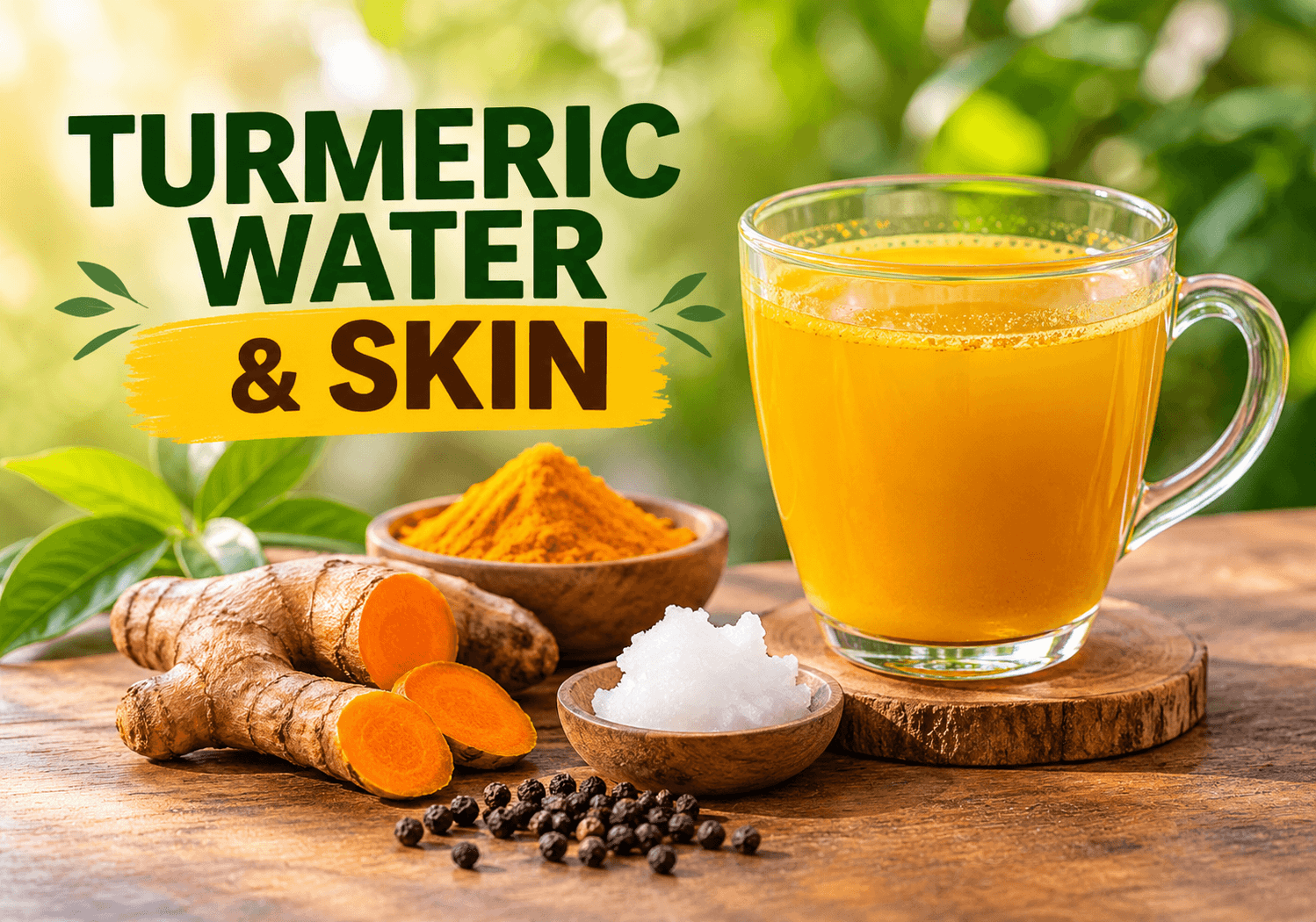
Does Drinking Turmeric Water Help With Hyperpigmentation? An Evidence-Based Guide
As a certified strength and conditioning coach, I often get asked about recovery—not just for muscles, but for the body’s largest organ: the skin. Intense workouts, sun exposure during outdoor runs, and natural aging can all lead to uneven skin tone. This brings us to a popular wellness trend: does drinking turmeric water help with hyperpigmentation?
The short answer is that it shows promise, but it is not a magic eraser. Turmeric contains a powerful compound called curcumin, which has strong anti-inflammatory and antioxidant properties. When consumed correctly, it may help reduce the systemic inflammation that contributes to post-inflammatory hyperpigmentation and dark spots. However, drinking plain turmeric water without the right absorption boosters will likely leave you disappointed.
In this guide, we will break down the science, share a practical recipe, and explain how to safely add this golden drink to your daily routine for the best possible results.
Quick Answer: Does drinking turmeric water help with hyperpigmentation?
Yes, it may help. The active compound in turmeric, curcumin, has antioxidant and anti-inflammatory properties that can inhibit melanin production and reduce post-inflammatory hyperpigmentation. However, for it to work, you must consume it with black pepper (piperine) and a healthy fat to ensure your body can actually absorb it.
Detailed Explanation: What the Research Says
To understand if this golden spice can truly brighten your skin, we need to look at the biology of dark spots and how curcumin interacts with your body at a cellular level.
What Is Hyperpigmentation?
Hyperpigmentation occurs when your skin produces excess melanin, the pigment responsible for your skin, hair, and eye color. This overproduction can be triggered by several factors:
- Sun Exposure: Ultraviolet (UV) radiation stimulates melanocytes (melanin-producing cells) to protect the skin from further damage.
- Post-Inflammatory Hyperpigmentation (PIH): After skin trauma, such as acne, eczema, or even friction from tight workout gear, the healing process can leave behind dark marks.
- Hormonal Changes: Fluctuations in hormones, common in women over 40, can trigger melasma, a specific type of hyperpigmentation.
When you are actively training, your body experiences controlled inflammation. While this is necessary for muscle growth, chronic or excessive systemic inflammation can sometimes exacerbate skin issues, including PIH. This is where dietary antioxidants come into play.
How Curcumin Targets Melanin Production
Turmeric (Curcuma longa) gets its vibrant yellow color and its health benefits from a group of compounds called curcuminoids, with curcumin being the most active. Research suggests that curcumin may help with hyperpigmentation through a few specific mechanisms:
- Tyrosinase Inhibition: Tyrosinase is the key enzyme that controls melanin production. Studies indicate that curcumin can downregulate tyrosinase activity, effectively slowing down the creation of new pigment.
- Antioxidant Protection: Free radicals generated by UV exposure and intense exercise cause oxidative stress, which can trigger melanin overproduction. Curcumin is a potent free radical scavenger, helping to neutralize these damaging molecules before they can signal your skin to produce more pigment.
- Anti-Inflammatory Action: Curcumin is well-documented for its ability to block NF-kB, a molecule that travels into the nuclei of your cells and turns on genes related to inflammation. By lowering systemic inflammation, curcumin may help calm the skin’s inflammatory response, reducing the severity of post-inflammatory hyperpigmentation.
The Bioavailability Problem (And the Solution)
Here is the catch: curcumin is notoriously difficult for the body to absorb. When you drink plain turmeric water, the curcumin passes through your digestive tract largely unabsorbed and is rapidly metabolized by the liver.
To make turmeric water effective for hyperpigmentation, you must address its poor bioavailability. Research shows that combining curcumin with piperine, the active compound in black pepper, can increase its absorption by up to 2,000%. Additionally, because curcumin is fat-soluble, consuming it with a healthy fat (like coconut oil, MCT oil, or whole milk) significantly enhances its uptake into your bloodstream. Without these two additions, drinking turmeric water is unlikely to deliver enough curcumin to impact your skin.
Turmeric Water vs. Other Skin-Supporting Habits
| Habit / Supplement | Primary Mechanism | Best For | Evidence Level |
| Turmeric Water (with pepper & fat) | Tyrosinase inhibition, systemic anti-inflammatory | Post-inflammatory hyperpigmentation, overall skin glow | Moderate (promising in vitro and animal studies, growing human trials) |
| Topical Vitamin C | Direct antioxidant, collagen synthesis support | Sun damage, overall brightening, fine lines | High (extensive clinical dermatological data) |
| Daily Sunscreen (SPF 30+) | Blocks UV radiation from triggering melanocytes | Preventing all forms of hyperpigmentation | Very High (gold standard in dermatology) |
| Adequate Hydration | Maintains skin barrier function and cellular turnover | Dullness, dry skin, overall elasticity | High (foundational for skin health) |
Note: Turmeric water should be viewed as a supportive, internal habit, not a replacement for topical treatments or sun protection.

How to Apply It: Practical Steps and Routine
Knowing the science is only half the battle. As a coach, I believe in actionable steps. Here is exactly how to make and use turmeric water to support your skin health and fitness recovery.
The Ultimate Skin-Supporting Turmeric Water Recipe
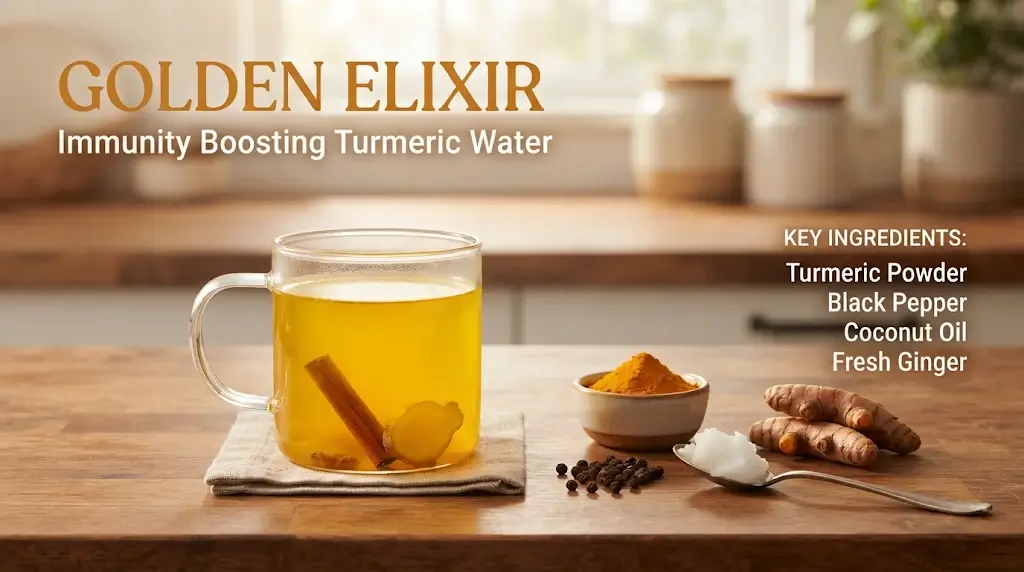
To maximize the benefits for hyperpigmentation, you need to optimize absorption. Do not just stir turmeric powder into cold water. Follow this evidence-based recipe:
Ingredients:
- 1 cup (8 oz / 240 ml) of warm (not boiling) water
- 1/2 teaspoon (about 1 gram) of high-quality, organic turmeric powder
- 1 small pinch of freshly ground black pepper (contains piperine)
- 1 teaspoon (5 ml) of a healthy fat, such as MCT oil, coconut oil, or a splash of full-fat milk
Instructions:
- Heat the water until it is warm to the touch, but not boiling. Boiling water can degrade some of the delicate compounds in turmeric.
- Add the turmeric powder and black pepper to the water.
- Stir vigorously or use a small frother to ensure the powder dissolves and does not clump at the bottom.
- Add your chosen healthy fat and stir again. The fat will help emulsify the curcumin, making it ready for absorption in your digestive tract.
Best Time to Drink Turmeric Water
Timing can influence how your body utilizes nutrients. While you can drink turmeric water at any time, two windows are particularly effective:
- First Thing in the Morning: Drinking it on an empty stomach (or with a light breakfast) can help kickstart hydration and deliver antioxidants early in the day before sun exposure begins.
- Post-Workout Recovery: Intense exercise creates temporary oxidative stress. Consuming turmeric water after your workout can help modulate this inflammation, supporting both muscle recovery and skin health simultaneously.
Integrating with Your Fitness and Skincare Routine
Turmeric water is a piece of the puzzle, not the whole picture. To truly tackle hyperpigmentation, pair your internal hydration with smart external habits:
- Never Skip Sunscreen: No amount of turmeric water will outpace the darkening effect of unprotected UV exposure. Apply a broad-spectrum SPF 30 or higher every morning.
- Support Collagen Production: Consider pairing your routine with adequate protein intake. Research shows that protein intake is vital for metabolism and weight loss, and it also provides the amino acids necessary for collagen synthesis, which keeps the skin firm and aids in healing dark spots.
- Prioritize Sleep: Your skin repairs itself at night. Poor sleep elevates cortisol, which can worsen inflammation and skin conditions. Learn more about how sleep affects metabolism and weight management, as the same hormonal balance applies to skin recovery.
Safety Notes and Who Should Be Careful
While turmeric is a common culinary spice, consuming it daily in concentrated amounts (like in a dedicated health tonic) is not for everyone. As a coach, I always prioritize safety over trends.
Potential Side Effects and Interactions
- Blood Thinning: Curcumin has mild anticoagulant properties. If you take blood-thinning medications (like warfarin or aspirin) or have a bleeding disorder, consult your doctor before making turmeric water a daily habit.
- Kidney Stones: Turmeric is high in soluble oxalates, which can bind to calcium and form kidney stones in susceptible individuals. If you have a history of kidney stones, limit your intake.
- Iron Absorption: High doses of curcumin may interfere with iron absorption. If you are an athlete (especially female endurance athletes) prone to iron-deficiency anemia, drink turmeric water between meals, not with iron-rich foods or supplements.
- Gallbladder Issues: Turmeric can cause the gallbladder to contract. If you have gallstones or bile duct obstruction, avoid concentrated turmeric supplements or daily tonics.
Coach’s Tip: Start low and go slow. Begin with 1/4 teaspoon of turmeric every other day to see how your digestive system reacts before moving up to a full 1/2 teaspoon daily.
Common Mistake: Expecting overnight results. Hyperpigmentation is a stubborn condition. Even with perfect topical and internal routines, it takes a minimum of 4 to 8 weeks of consistent cellular turnover to see visible fading of dark spots. Consistency is your most powerful tool.
Can Turmeric Water Cause Skin to Turn Yellow?
A common concern is carotenemia or temporary yellowing of the skin. While eating massive amounts of beta-carotene (like carrots) can turn your skin orange, drinking a standard cup of turmeric water daily is highly unlikely to change your skin color. However, consuming extreme, supplement-level doses of curcumin over long periods could theoretically cause a slight yellowish tint, which is harmless and reversible upon stopping.
Related Tips for Skin Health and Recovery
If your goal is radiant, even-toned skin, turmeric water is just one lever you can pull. Here are other evidence-based strategies to support your skin from the inside out.
The Role of Systemic Hydration
Water is fundamental to skin elasticity and barrier function. When you are dehydrated, your skin can look dull, making hyperpigmentation appear more prominent. Aim for at least half your body weight in ounces of water daily, plus additional fluids to replace sweat lost during workouts. Proper hydration ensures that nutrients, including curcumin, are efficiently transported to your skin cells.
Supporting Collagen and Skin Repair
As we age, natural collagen production declines, slowing the rate at which dark spots fade. Ensuring you get enough high-quality protein and specific nutrients can support this process. For example, pairing your fitness routine with nutrients that support skin health is crucial. You might also explore how astaxanthin supplements support skin glow and anti-aging, as this powerful antioxidant works synergistically with curcumin to protect skin from UV damage. Additionally, understanding the best time to take collagen powder for skin absorption can help you build a comprehensive internal skincare routine.
Managing Metabolic Health for Better Skin
Your skin is a reflection of your internal metabolic health. Chronic inflammation and insulin resistance can worsen conditions like acne and melasma. Supporting your metabolic flexibility through balanced nutrition and regular strength training can create a better internal environment for clear skin. If you are interested in natural ways to support your metabolic rate, check out this guide on how to support metabolism naturally for weight management.
Furthermore, certain vitamins play a direct role in skin integrity. If you suspect a deficiency, learning about which vitamins support metabolism when you’re deficient can help you address underlying nutritional gaps that might be affecting your skin’s healing capacity.

Frequently Asked Questions (FAQ)
1. How long does it take for turmeric water to clear dark spots?
There is no fixed timeline, as it depends on the severity of the hyperpigmentation and your overall routine. Generally, with consistent daily consumption combined with sun protection and a good skincare routine, you may start to see subtle improvements in 4 to 8 weeks.
2. What is the best time to drink turmeric water for skin?
The best time is typically first thing in the morning or immediately post-workout. Morning consumption provides antioxidants before daily sun exposure, while post-workout consumption helps manage exercise-induced oxidative stress and inflammation.
3. Can turmeric water cause skin to turn yellow?
Drinking a standard daily cup of turmeric water is highly unlikely to change your skin color. Temporary yellowing is only associated with consuming extremely high, supplement-level doses of curcumin over extended periods, and it is completely reversible.
4. Does turmeric water work better than topical vitamin C?
No, they serve different purposes. Topical vitamin C works directly on the skin’s surface to brighten and protect against UV damage. Turmeric water works systemically to reduce internal inflammation. They are best used together, not as replacements for one another.
5. How to make turmeric water for hyperpigmentation?
Mix 1 cup of warm water with 1/2 teaspoon of turmeric powder, a pinch of black pepper, and 1 teaspoon of a healthy fat (like coconut or MCT oil). The pepper and fat are essential for your body to actually absorb the active curcumin.
6. Are there side effects of drinking turmeric water daily?
For most people, it is safe. However, high doses can cause digestive upset, interfere with iron absorption, or thin the blood. Those with gallbladder issues, kidney stones, or on blood thinners should consult a doctor first.
Conclusion
So, does drinking turmeric water help with hyperpigmentation? The evidence suggests it can be a valuable supporting tool. The curcumin in turmeric offers genuine anti-inflammatory and tyrosinase-inhibiting benefits that may help fade dark spots and promote an even skin tone. However, the key to success lies in bioavailability: you must pair it with black pepper and a healthy fat to make it effective.
Remember, no internal drink can outwork poor sun protection or a lack of sleep. Use turmeric water as one part of a holistic approach that includes daily SPF, adequate hydration, quality protein, and consistent strength training. Always listen to your body, start with small amounts, and consult your healthcare provider if you have underlying health conditions.