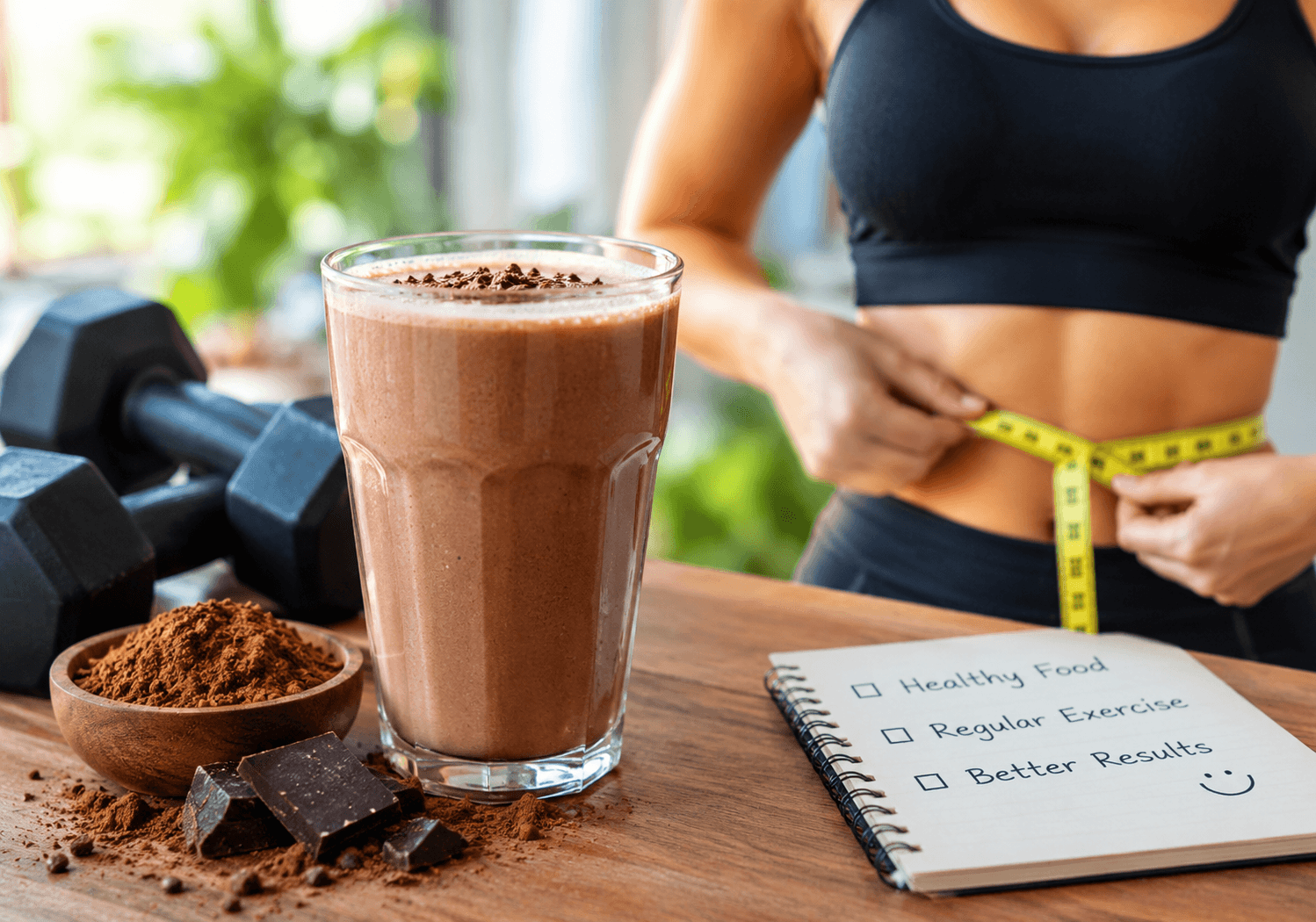
Do cocoa-flavored keto drinks help with weight management? The short answer is yes, but only when they are strategically integrated into a sustained caloric deficit and paired with consistent resistance training. As a strength and conditioning coach, I frequently field questions about supplementation and dietary shortcuts. Clients want to know if a delicious, low-carb chocolate beverage can actually move the needle on their fat loss goals. The science suggests that specific ingredients commonly found in these drinks—namely medium-chain triglycerides (MCTs), exogenous ketones, and cocoa polyphenols—can positively influence metabolic rate, appetite regulation, and exercise performance. However, they are tools, not magic wands. Understanding the biochemical mechanisms, proper timing, and potential pitfalls is essential for translating these beverages into tangible, long-term weight management results.
Quick Answer:
Do cocoa-flavored keto drinks help with weight management? Yes, they can support weight management by promoting satiety, providing rapid energy via MCT oil, and offering antioxidant benefits from cocoa flavonoids. However, they only work effectively when consumed within a daily caloric deficit and paired with regular physical activity. They are a supportive tool, not a standalone solution for fat loss.
The Science of Weight Management and Ketogenic Beverages
To understand how these drinks function, we must first look at the foundational principles of weight management and how ketogenic ingredients interact with human physiology. Weight management fundamentally relies on energy balance: consuming fewer calories than the body expends over time. However, the quality of those calories dictates hormonal responses, hunger levels, and metabolic efficiency.
The Role of Medium-Chain Triglycerides (MCTs)
Most high-quality keto drinks utilize MCT oil powder, primarily derived from caprylic (C8) and capric (C10) acids. Unlike long-chain fatty acids found in most dietary fats, MCTs bypass the standard lymphatic system digestion. They travel directly to the liver via the portal vein, where they are rapidly oxidized for energy or converted into ketone bodies, specifically beta-hydroxybutyrate (BHB). Research published in the Journal of the International Society of Sports Nutrition indicates that MCT consumption can increase energy expenditure and promote greater fat oxidation compared to long-chain triglycerides. Furthermore, MCTs have been shown to enhance the release of peptide YY and leptin, two hormones critical for signaling satiety to the brain, thereby naturally reducing subsequent calorie intake.
Exogenous Ketones and Appetite Suppression
Exogenous ketones, often listed as BHB salts (bound to sodium, calcium, magnesium, or potassium), elevate blood ketone levels without requiring the user to be in deep dietary ketosis. While they do not directly “burn” body fat, studies suggest that elevated blood BHB levels can suppress ghrelin, the primary hunger hormone. A study indexed by the National Institutes of Health (NIH) demonstrated that consuming exogenous ketones significantly reduced appetite and the desire to eat over a 4-hour period compared to a dextrose placebo. This appetite suppression is a critical lever for maintaining the caloric deficit required for weight management.
Cocoa Polyphenols and Metabolic Health
The cocoa component is not merely for flavor. Natural, non-alkalized cocoa is rich in flavanols, particularly epicatechin. These compounds are potent antioxidants that support endothelial function by stimulating endothelial nitric oxide synthase (eNOS). Improved nitric oxide healthy blood vessel function enhances blood flow, which is vital for nutrient delivery to working muscles during exercise. Additionally, research from the Harvard T.H. Chan School of Public Health highlights that cocoa flavanols may improve insulin sensitivity, making the body more efficient at handling glucose and less prone to storing excess energy as fat.

Nutritional Breakdown: Cocoa Keto Drinks vs. Alternatives
To make informed decisions, we must compare the macronutrient and micronutrient profiles of a standard cocoa-flavored keto drink against common alternatives. The table below illustrates typical values per 12 oz (355 ml) serving.
| Beverage Type | Calories | Protein (g) | Carbs (g) | Fat (g) | Key Active Ingredients | Primary Use Case |
| Cocoa Keto Drink | 120 – 180 | 10 – 20 | 2 – 4 | 8 – 14 | MCT oil, BHB salts, cocoa flavanols, stevia/monk fruit | Pre-workout energy, appetite suppression, keto maintenance |
| Traditional Chocolate Milk | 200 – 250 | 8 | 26 – 30 | 5 – 8 | Whey/casein, sucrose, high-fructose corn syrup | Post-workout glycogen replenishment (not for weight loss) |
| Standard Whey Protein Shake | 120 – 150 | 20 – 25 | 3 – 5 | 1 – 3 | Whey protein isolate, artificial flavors, sucralose | Muscle protein synthesis, post-workout recovery |
| Commercial Coffee Frappuccino | 300 – 500 | 4 – 6 | 50 – 70 | 10 – 15 | Brewed coffee, heavy sugar syrups, whipped cream | High-calorie treat, causes insulin spikes and energy crashes |
As the data shows, a well-formulated cocoa keto drink provides a unique blend of moderate protein, high-quality fats, and minimal carbohydrates. This profile avoids the insulin spikes associated with traditional chocolate milk or commercial coffee drinks, which can trigger subsequent hunger and fat storage. Instead, it promotes stable blood sugar levels, a factor closely tied to long-term insulin sensitivity.
How Cocoa and Keto Ingredients Work Together for Weight Management
The synergy between cocoa and ketogenic ingredients creates a multi-faceted approach to weight management. This is not about a single magic bullet, but rather a compounding effect on several physiological pathways.
- Thermogenic Effect: Both MCT oil and the mild stimulants in cocoa (such as theobromine and trace caffeine) possess mild thermogenic properties. Theobromine, a methylxanthine similar to caffeine but with a longer half-life and smoother energy curve, can slightly elevate resting metabolic rate. When combined with the energy cost of digesting MCTs, the body expends more calories processing the drink than it would with standard carbohydrates.
- Appetite Regulation: The combination of dietary fat from MCTs and the bitter compounds in cocoa sends strong satiety signals to the brain. This delays gastric emptying, keeping you fuller for longer. This is particularly useful for individuals practicing intermittent fasting, as a small serving can curb morning hunger without breaking the fasted state significantly.
- Exercise Performance Enhancement: Weight management is most successful when paired with resistance training to preserve lean muscle mass. The improved blood flow from cocoa flavanols, combined with the rapid energy availability of MCTs, can enhance workout capacity. Better workouts lead to greater caloric expenditure and superior body composition changes.
How to Apply It: Practical Steps and Sample Routine
As a coach, I do not recommend simply adding a keto drink to a poor diet and expecting results. Context is everything. Here is how to practically integrate a cocoa-flavored keto drink into a weight management protocol.
Timing and Dosage
- Pre-Workout (30–45 minutes before training): Mix 1 scoop (approximately 1.5 oz or 42 g) with 8–10 oz (240–300 ml) of cold water or unsweetened almond milk. The MCTs provide readily available energy, while the cocoa flavanols support vasodilation.
- Morning Appetite Control: If you struggle with morning cravings, consuming half a serving with your morning black coffee can blunt ghrelin levels, making it easier to delay your first meal if you are practicing intermittent fasting.
- Post-Workout (Optional): If your post-workout meal is still hours away, a serving can provide electrolytes (from BHB salts) and prevent muscle catabolism without spiking insulin.
Sample Weekly Integration Routine
This routine assumes a goal of fat loss while maintaining muscle mass, requiring a moderate caloric deficit of 300–500 calories per day.
- Monday, Wednesday, Friday (Resistance Training Days):
- 7:00 AM: 16 oz (473 ml) water with electrolytes.
- 8:30 AM: Cocoa-flavored keto drink (1 scoop in water).
- 9:00 AM: 45-minute full-body resistance training session.
- 10:00 AM: Whole food meal (e.g., 6 oz / 170 g grilled chicken, 2 cups / 300 g mixed greens, 1/2 avocado).
- Tuesday, Thursday (Active Recovery / Cardio):
- Morning: Black coffee or green tea.
- 3:00 PM (if experiencing an energy dip): Half serving of cocoa keto drink to suppress afternoon snacking urges.
- 4:00 PM: 30-minute brisk walk (approx. 1.5 miles or 2.4 km).
- Saturday, Sunday: Focus on whole foods. Use the keto drink only if a meal replacement is necessary due to schedule constraints.
The Accompanying Workout: Full-Body Fat Loss Circuit
To maximize the metabolic benefits of the keto drink, pair it with a compound-movement resistance routine. This workout is designed to be completed in 45 minutes.
Warm-up (5 minutes):
- Arm circles, leg swings, and 2 minutes of light rowing or jumping jacks to elevate core temperature.
Main Circuit (Perform 3–4 rounds, rest 90 seconds between rounds):
- Goblet Squats: 10–12 reps. Hold a 25 lb (11 kg) dumbbell at chest height. Keep your chest up and descend until your elbows touch the inside of your knees.
- Dumbbell Romanian Deadlifts (RDLs): 10–12 reps. Use two 20 lb (9 kg) dumbbells. Hinge at the hips, keeping a slight bend in the knees, feeling a stretch in the hamstrings.
- Incline Dumbbell Press: 10–12 reps. Use a bench set to a 30-degree angle. Press 30 lb (13.5 kg) dumbbells upward, controlling the negative for 2 seconds.
- Seated Cable Rows: 12–15 reps. Use a neutral grip. Pull the handle to your lower sternum, squeezing the shoulder blades together.
- Plank: Hold for 45–60 seconds. Maintain a straight line from head to heels, bracing the core as if preparing for a punch.
Coach’s Tip:
Tempo matters. Do not rush the repetitions. A controlled 2-second eccentric (lowering) phase and a 1-second concentric (lifting) phase maximize muscle fiber recruitment and metabolic demand, which is far more effective for weight management than swinging heavy weights with poor form.
Common Mistake:
Overconsuming the drink. A frequent error is treating a keto drink like water. Because it contains calories (typically 120–180 per serving), drinking two or three per day on top of regular meals will easily push you out of a caloric deficit, leading to weight gain rather than weight loss. Stick to one serving per day, maximum.
Regression and Progression
- Easier Version (Regression): Reduce the weight of the dumbbells by 30%. Perform the circuit for only 2 rounds. Substitute the plank with a 30-second incline plank (hands on a sturdy bench or wall) to reduce core strain.
- Harder Version (Progression): Increase dumbbell weights by 10–15%. Add a 60-second rest-pause set at the end of each exercise. Reduce inter-round rest to 60 seconds to elevate the cardiovascular demand and caloric burn.

What to Look For When Buying a Cocoa Keto Drink
Not all products are created equal. The supplement industry is notoriously under-regulated, and many brands market “keto-friendly” drinks that are laden with hidden carbohydrates and cheap fillers. Use this checklist when evaluating products:
- Primary Fat Source: Look for MCT oil powder (specifically C8 caprylic acid) as the first or second ingredient. Avoid drinks that rely primarily on coconut cream powder, which contains more long-chain fats and fewer ketone-producing benefits.
- Exogenous Ketones: BHB salts (sodium, calcium, magnesium, or potassium beta-hydroxybutyrate) should be clearly listed. Avoid “ketone esters” in cheap drinks, as true esters are expensive and often taste foul; if a drink tastes like sweet chocolate and claims to have esters, it is likely mislabeled.
- Cocoa Content: The ingredient list should specify “cocoa powder” or “cacao powder.” Avoid “Dutch-processed” or “alkalized” cocoa, as the alkalization process destroys up to 90% of the beneficial flavanol content.
- Sweeteners: Stevia, monk fruit extract, or allulose are preferred. Avoid maltodextrin, dextrose, or high amounts of sugar alcohols like erythritol if you have a sensitive digestive system, as they can cause bloating and gastrointestinal distress.
- Protein Content: While not a meal replacement, 10–20 grams of protein from whey isolate, casein, or collagen peptides adds value by further enhancing satiety and supporting muscle retention during a caloric deficit.
Safety Notes and Who Should Be Careful
While cocoa-flavored keto drinks are generally safe for healthy adults, certain populations must exercise caution.
- Digestive Sensitivity: MCT oil is notorious for causing gastrointestinal distress, including cramping and diarrhea, if introduced too quickly. Always start with a half-serving to assess tolerance.
- Caffeine and Theobromine Sensitivity: Cocoa naturally contains mild stimulants. Individuals sensitive to caffeine or those taking certain medications should consume these drinks earlier in the day to avoid sleep disruption.
- Kidney Health: BHB salts contain significant amounts of sodium, potassium, calcium, or magnesium. Individuals with chronic kidney disease or those on sodium-restricted diets must consult a physician before adding exogenous ketones to their routine.
- Pregnancy and Postpartum: Pregnant or breastfeeding women should avoid exogenous ketone supplements due to a lack of long-term safety data, and should monitor overall caffeine intake from cocoa.
- Medical Conditions: If you have a history of eating disorders, diabetes, or cardiovascular disease, always consult a healthcare provider before making significant changes to your diet or supplementation routine.
Related Tips for Maximizing Weight Management
A keto drink is just one piece of the puzzle. To truly optimize weight management, consider these foundational pillars:
- Prioritize Resistance Training: Muscle tissue is metabolically active. The more lean muscle mass you maintain, the higher your resting metabolic rate. Ensure you are lifting weights at least 2–3 times per week. Proper form protects the joints in the human body while maximizing muscle stimulus.
- Optimize Blood Flow and Recovery: The flavonoids in cocoa support vascular health, but you can amplify this by staying hydrated and ensuring adequate intake of nitrates (from leafy greens) or supplements that support circulation.
- Manage Glucose Metabolism: Even on a low-carb diet, overall metabolic health matters. Supporting stable glucose metabolism through consistent meal timing, adequate sleep (7–9 hours), and stress management will prevent cortisol spikes that encourage abdominal fat storage.
- Hydration is Non-Negotiable: Ketogenic diets and MCT oil consumption increase the body’s demand for water and electrolytes. Aim for at least 0.6 to 1 ounce of water per pound of body weight daily (approx. 30–35 ml per kg).


Frequently Asked Questions.
1. Do cocoa-flavored keto drinks help with weight management if I am not on a strict keto diet?
Yes, they can still be beneficial. The MCT oil promotes satiety, and the low carbohydrate content prevents blood sugar spikes. However, if your overall diet is high in refined carbohydrates, the drink will not override the caloric surplus or metabolic effects of a poor diet. It works best as part of a balanced, moderate-carb or low-carb approach.
2. Can a cocoa keto drink replace a full meal?
Most cocoa keto drinks contain only 120–180 calories, which is insufficient for a full meal replacement. While it may temporarily suppress appetite, relying on it as a meal replacement can lead to nutrient deficiencies and a slowed metabolic rate over time. Use it as a snack or pre-workout supplement, not a meal substitute.
3. Will the MCT oil in keto drinks cause weight gain?
MCT oil is calorie-dense (approximately 120 calories per tablespoon). If you add a keto drink to your current diet without adjusting your total daily caloric intake, the surplus calories will lead to weight gain. It must be used to replace higher-calorie, less nutritious items, not simply added on top of them.
4. Are there any side effects to drinking cocoa keto beverages daily?
For most healthy adults, daily consumption is safe. However, excessive intake of MCT oil can cause digestive upset, such as bloating or diarrhea. Additionally, the BHB salts may cause a mild, temporary “keto flu” symptom like a headache if you are not drinking enough water to balance the electrolytes.
5. How does the cocoa in these drinks affect exercise performance?
Natural cocoa contains flavanols that improve endothelial function and blood flow. This vasodilation can enhance oxygen and nutrient delivery to working muscles, potentially delaying fatigue and improving endurance during resistance training or cardiovascular exercise.
6. Is it better to mix the drink with water or milk?
Water is the best choice for weight management, as it adds zero calories and allows for rapid digestion of the MCTs. Unsweetened almond or macadamia nut milk (approx. 30 calories per cup) is an acceptable alternative if you prefer a creamier texture, but avoid dairy milk, which adds unnecessary carbohydrates and calories.
Conclusion
Do cocoa-flavored keto drinks help with weight management? The evidence strongly suggests they can be a highly effective tool when used correctly. By leveraging the appetite-suppressing qualities of MCT oil, the metabolic support of exogenous ketones, and the vascular and antioxidant benefits of cocoa flavonoids, these beverages address multiple hurdles associated with fat loss. They provide stable energy, curb cravings, and support workout performance without derailing your macronutrient goals.
However, the foundation of weight management remains unchanged: a consistent caloric deficit, adequate protein intake, and progressive resistance training. A keto drink cannot compensate for poor sleep, chronic stress, or a diet dominated by ultra-processed foods. Treat this beverage as a strategic supplement to a well-designed lifestyle, not a replacement for one. Always read labels carefully, start with small doses to assess digestive tolerance, and consult with a healthcare provider or registered dietitian if you have underlying health conditions. With disciplined application, a cocoa-flavored keto drink can absolutely be a delicious and functional ally in your weight management journey.