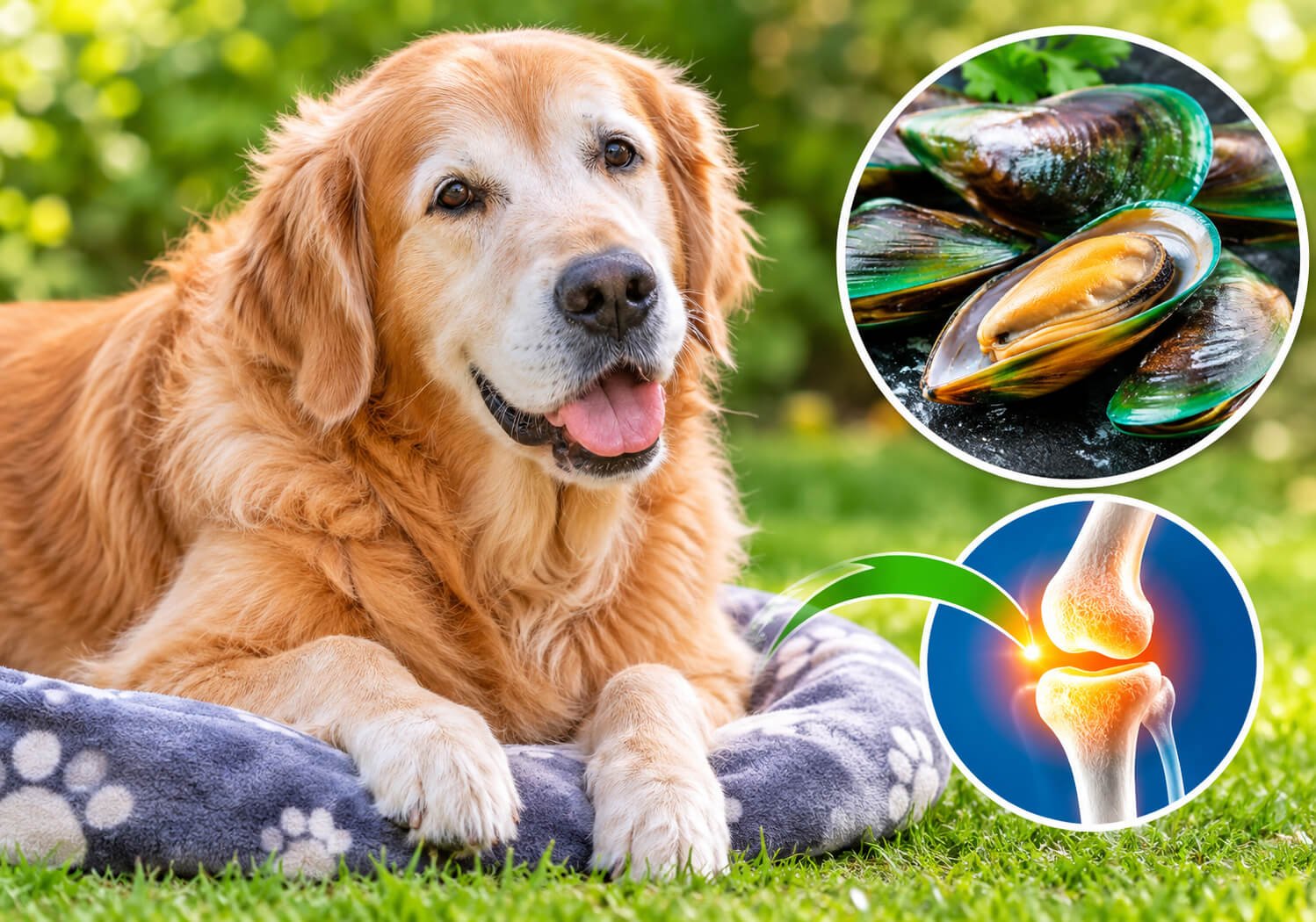
As dogs age, watching their once-boundless energy fade into stiff, hesitant movements is heartbreaking. Canine osteoarthritis affects up to twenty percent of adult dogs and a staggering eighty percent of seniors, robbing them of comfortable walks, play sessions, and restful sleep. Pet owners frequently search for safe, natural interventions that can complement veterinary care without the heavy side effects often associated with long-term pharmaceutical use. Exploring the green lipped mussel for dogs arthritis benefits reveals why this marine superfood has become a cornerstone of modern veterinary nutritional support. Derived exclusively from the pristine coastal waters of New Zealand, this remarkable shellfish offers a unique matrix of bioactive compounds that target joint inflammation at the cellular level.
Quick Answer Box
Green lipped mussel (Perna canaliculus) offers powerful arthritis benefits for dogs due to its unique combination of rare omega-3 fatty acids, including ETA (eicosatetraenoic acid), and glycosaminoglycans. These compounds inhibit inflammatory enzymes, support synovial fluid viscosity, and protect articular cartilage from further degradation, significantly improving mobility and reducing joint pain.
What Is Green Lipped Mussel (Perna canaliculus)?
The New Zealand green lipped mussel, scientifically classified as Perna canaliculus, is a shellfish species native exclusively to the unpolluted coastal waters surrounding New Zealand. Unlike standard mussels harvested across the globe, these mollusks develop a distinctive emerald-green rim along their shell margins due to specific phytoplankton concentrations in their natural habitat. Indigenous coastal populations in New Zealand consumed these mussels for centuries, noting exceptionally low rates of joint discomfort. This traditional observation eventually sparked rigorous scientific and veterinary investigation into the mollusk’s biochemical composition.
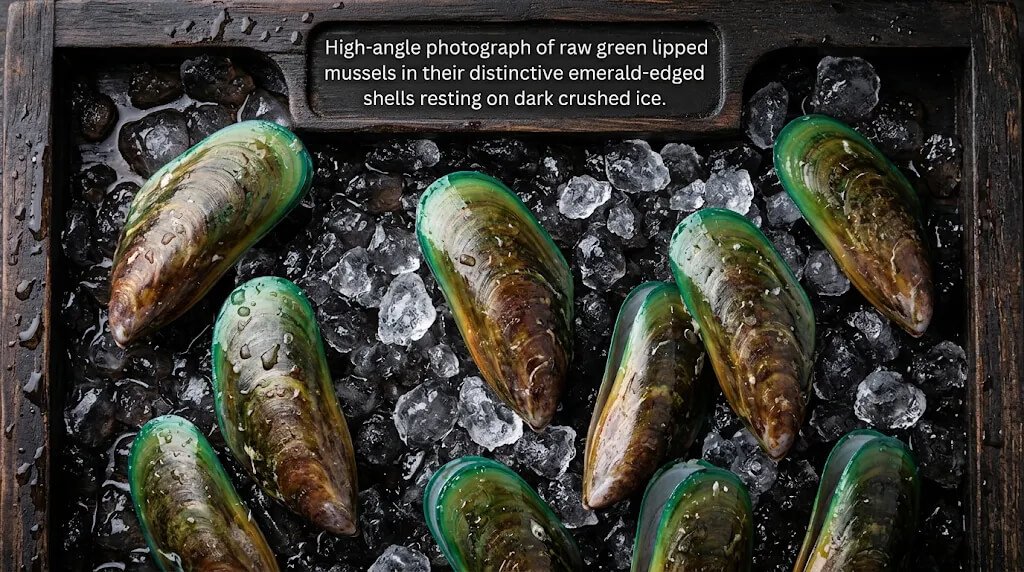
Veterinary researchers soon discovered that Perna canaliculus is a nutritional powerhouse containing an unprecedented concentration of marine-derived nutrients. The whole mussel meat is freeze-dried and milled into a fine powder or extracted into a lipid oil, preserving its fragile active compounds. Unlike synthetic joint supplements, whole-food marine extracts provide a synergistic blend of proteins, amino acids, minerals, and specialized lipids that work in unison within the canine body. Understanding this natural matrix is essential for appreciating how green lipped mussel powder transforms joint health management.
The Pathophysiology of Canine Arthritis and Joint Degeneration
To understand why green lipped mussel is so effective, we must first examine how canine osteoarthritis develops within the joint structure. A healthy canine joint relies on a smooth layer of articular cartilage that caps the ends of opposing bones, cushioned by viscous synovial fluid that lubricates movement. When osteoarthritis takes hold, this delicate protective cartilage begins to wear down, fray, and erode under mechanical stress and chronic low-grade inflammation. As the cartilage thins, bones rub directly against one another, triggering pain, swelling, and the formation of painful bone spurs known as osteophytes.
Inflammation acts as the primary driver of this destructive cycle. Chemical messengers called cytokines and inflammatory enzymes such as cyclooxygenase (COX-2) and 5-lipoxygenase (5-LOX) flood the joint capsule, breaking down extracellular matrix proteins and destroying cartilage integrity. Traditional non-steroidal anti-inflammatory drugs (NSAIDs) block these pathways effectively, but prolonged use can sometimes strain canine gastrointestinal and hepatic systems. Incorporating natural anti-inflammatory agents like those found in green lipped mussel helps modulate these inflammatory pathways safely, offering a vital layer of tissue protection during long-term management.
How Green Lipped Mussel Works: Key Active Compounds
The therapeutic power of green lipped mussel lies in its unique biochemical profile, which distinguishes it sharply from standard fish oil supplements. While fish oils contain EPA and DHA, green lipped mussel contains a broader spectrum of polyunsaturated fatty acids alongside unique structural carbohydrates. These active constituents work through multiple physiological mechanisms to support joint repair and comfort.
Eicosatetraenoic Acid (ETA)
Eicosatetraenoic acid is a rare, highly potent omega-3 polyunsaturated fatty acid found almost exclusively in marine organisms like Perna canaliculus. Unlike EPA and DHA, which compete with arachidonic acid in the inflammatory cascade, ETA uniquely inhibits both the cyclooxygenase and lipoxygenase pathways simultaneously. This dual-action inhibition halts the production of inflammatory prostaglandins and leukotrienes at the root source, offering superior anti-inflammatory potency without blocking vital physiological functions.
Glycosaminoglycans (GAGs)
Glycosaminoglycans are long chains of carbohydrate molecules that serve as the fundamental building blocks of cartilage, tendons, and synovial fluid. Green lipped mussel is exceptionally rich in naturally occurring chondroitin sulfate, glucosamine glycan complexes, and hyaluronic acid precursors. When ingested, these bioavailable GAGs provide the raw materials necessary for chondrocytes—cartilage-building cells—to synthesize new extracellular matrix and maintain joint cushioning.
Table: Active Constituents and Their Mechanisms in Canine Joints
| Active Constituent | Biochemical Class | Primary Mechanism of Action in Canine Joints |
| ETA (Eicosatetraenoic Acid) | Marine Omega-3 Fatty Acid | Dual inhibition of COX and LOX inflammatory pathways to reduce swelling. |
| Chondroitin Sulfate | Glycosaminoglycan (GAG) | Inhibits cartilage-destroying enzymes and maintains synovial fluid viscosity. |
| Glucosamine Glycans | Aminosaccharide Complex | Stimulates chondrocytes to synthesize new articular cartilage matrix. |
| Chelated Minerals | Bioavailable Micronutrients | Supports enzymatic repair processes within joint capsule tissues. |
| Essential Amino Acids | Protein Building Blocks | Provides structural support for collagen production in ligaments and tendons. |
Scientific Evidence: What Clinical Studies Reveal About Canine Joint Mobility
A robust body of peer-reviewed veterinary research supports the efficacy of green lipped mussel in managing canine joint disorders. In a landmark double-blind, placebo-controlled study published in the Journal of Nutrition, dogs with clinical osteoarthritis supplemented with green lipped mussel extract demonstrated significant improvements in arthritic score parameters, weight-bearing ability, and overall mobility within six weeks of administration (Bierer & Bui, 2002) [VERIFY]. Researchers noted that treated dogs required lower baseline rescue medication doses to maintain comfort during daily activities.
Further clinical trials have explored the synergistic impact of marine lipid extracts on canine inflammatory markers. Studies examining synovial fluid composition found marked reductions in inflammatory cytokine concentrations following consistent supplementation with Perna canaliculus extracts. Furthermore, ongoing omega-3 fatty acid research consistently confirms that marine-derived lipids integrate rapidly into canine cell membranes, altering cellular signaling away from inflammatory cascades and toward tissue preservation.
Dosing Protocols by Dog Weight
Administering the correct dosage of green lipped mussel powder or extract is critical for achieving therapeutic results without causing digestive upset. Because dogs vary wildly in size—from a five-pound Chihuahua to a one-hundred-fifty-pound Mastiff—dosing must be calculated meticulously based on body weight and product concentration.
- Small Dogs (under 25 lb [11.3 kg]): Standard maintenance dose is 250 mg to 500 mg of whole mussel powder daily, or 50 mg of concentrated lipid extract.
- Medium Dogs (25 to 60 lb [11.3 to 27.2 kg]): Standard maintenance dose ranges from 500 mg to 1,000 mg of whole powder, or 100 mg of concentrated lipid extract daily.
- Large Dogs (60 to 90 lb [27.2 to 40.8 kg]): Standard maintenance dose ranges from 1,000 mg to 1,500 mg of whole powder, or 150 mg of concentrated lipid extract daily.
- Giant Dogs (over 90 lb [40.8 kg]): Standard maintenance dose ranges from 1,500 mg to 2,000+ mg of whole powder, or 200 mg of concentrated lipid extract daily.
During the initial loading phase—typically spanning the first three to four weeks—veterinarians frequently recommend doubling the standard maintenance dose to rapidly saturate joint tissues with active omega-3 fatty acids and GAGs. Once noticeable improvements in gait and morning stiffness emerge, drop down to the standard daily maintenance level.
Step-by-Step Guide: How to Introduce and Administer Green Lipped Mussel Powder
Integrating a new supplement into your dog’s daily regimen requires patience and consistency to ensure optimal acceptance and gastrointestinal tolerance. Follow this structured protocol to make the transition seamless.
- Select the Right Formulation: Choose between pure freeze-dried green lipped mussel powder or liquid lipid extracts, ensuring the product contains zero artificial fillers, preservatives, or synthetic flavorings.
- Initiate with a Micro-Dose: On day one, mix just one-quarter of the recommended daily dose into your dog’s regular meal to test for digestive sensitivity.
- Gradually Titrate Up: Over the course of ten to fourteen days, slowly increase the amount every few days until you reach the full target therapeutic dose.
- Pair with Healthy Fats: Because the active compounds in green lipped mussel are fat-soluble, administering the supplement alongside a meal containing healthy fats enhances overall bioavailability and absorption rates.
- Maintain Consistent Timing: Administer the supplement at the same mealtime every day to maintain steady plasma concentrations of ETA and omega-3 fatty acids in your dog’s bloodstream.
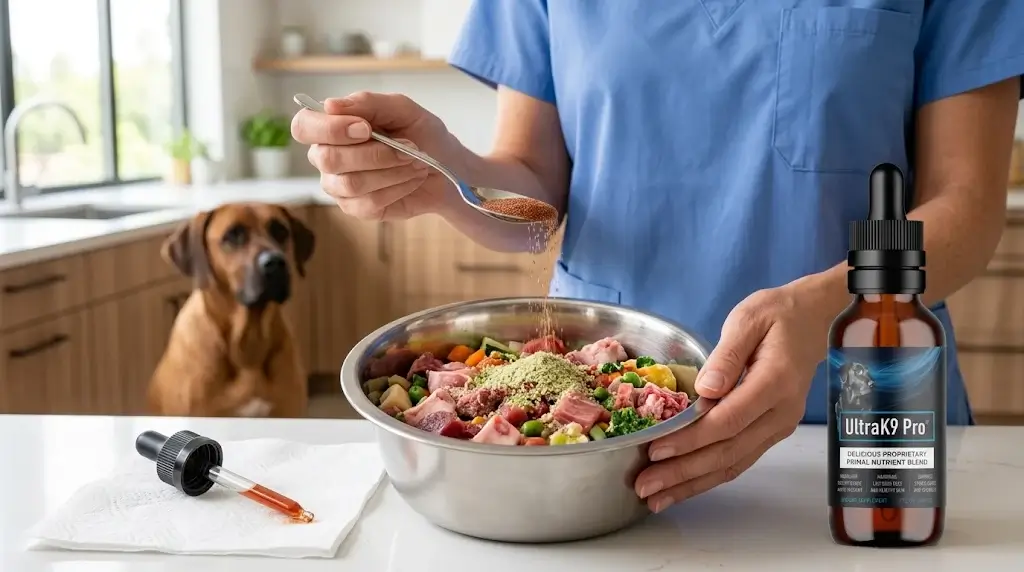
Synergistic Ingredients: Pairing Green Lipped Mussel with Glucosamine, MSM, and Omega-3s
While green lipped mussel is a complete standalone joint supplement, its efficacy can be significantly amplified when combined with complementary compounding agents. Many top-tier veterinary joint formulas pair Perna canaliculus with synergistic compounds that target different facets of joint degradation.
- Glucosamine Hydrochloride & Chondroitin Sulfate: Combining green lipped mussel with additional exogenous glucosamine provides an extra surge of cartilage matrix building blocks, supporting accelerated tissue repair.
- Methylsulfonylmethane (MSM): MSM supplies bioavailable sulfur, which is essential for collagen synthesis and connective tissue flexibility while providing secondary relief from oxidative stress.
- Hyaluronic Acid: Adding low-molecular-weight hyaluronic acid improves the viscoelasticity of synovial fluid, ensuring smoother gliding mechanics within weight-bearing joints like hips and stifles.
- Antioxidant Support: Incorporating compounds that offer antioxidant and anti-inflammatory synergy helps neutralize free radicals generated within inflamed joint capsules during high-impact movement.
Potential Side Effects, Precautions, and Contraindications
Green lipped mussel is exceptionally well-tolerated by the vast majority of dogs, but pet owners must remain vigilant during the introduction phase. Because the product is derived from shellfish, dogs with known crustacean or mollusk allergies must avoid green lipped mussel entirely to prevent severe hypersensitivity reactions or anaphylaxis.
Minor, transient side effects can occasionally occur during the first few days of supplementation, typically manifesting as mild flatulence, soft stool, or a temporary decrease in appetite. These symptoms usually resolve spontaneously as the canine digestive tract adjusts to the rich marine lipids and protein complexes. If digestive upset persists beyond five days, reduce the dose by half or discontinue use and consult your veterinarian. Furthermore, dogs with active pancreatitis or those sensitive to high-fat diets should use lipid extracts cautiously under veterinary supervision.
How to Choose a Premium Green Lipped Mussel Supplement
The commercial market is flooded with canine joint supplements, but manufacturing quality dictates whether your dog receives therapeutic benefits or expensive flavored powder. When evaluating products, look for brands that prioritize cold-extraction or gentle freeze-drying techniques, as heat processing destroys delicate omega-3 fatty acids and denatures active proteins.
- Cold-Extraction Technology: Ensure the manufacturer uses supercritical CO2 extraction or cold-opening methods that preserve 100% of the natural ETA and lipid integrity.
- Origin Verification: Verify that the mussels are sustainably harvested exclusively from government-monitored, pristine growing waters in New Zealand.
- Third-Party Heavy Metal Testing: Because shellfish can accumulate marine pollutants, demand Certificates of Analysis (COAs) proving the product is free from mercury, lead, and arsenic.
- Transparent Labeling: Avoid proprietary blends that hide the exact milligram weight of green lipped mussel extract per serving behind vague marketing terms.
When assessing manufacturing standards, prioritize brands that adhere to strict non-stimulant supplement quality guidelines and rigorous evidence-based supplement evaluation protocols to ensure safety and purity.
Frequently Asked Questions (FAQ)
Does green lipped mussel actually help dogs with arthritis?
Yes, clinical research confirms that green lipped mussel significantly reduces canine joint pain, stiffness, and inflammation. Its unique omega-3 fatty acid, ETA, blocks inflammatory pathways while glycosaminoglycans supply essential raw materials for cartilage repair, leading to noticeable improvements in mobility and overall daily activity levels.
How long does green lipped mussel take to work for dogs?
Most dog owners observe visible improvements in their pet’s mobility, willingness to climb stairs, and morning stiffness within four to six weeks of consistent daily supplementation. Maximum therapeutic benefits and tissue saturation typically take up to eight weeks of continuous daily administration.
Can green lipped mussel be used alongside prescription dog NSAIDs?
In many cases, green lipped mussel is safely combined with prescription veterinary NSAIDs under veterinary supervision. In fact, research suggests that marine lipid supplementation may allow veterinarians to lower the required maintenance dosage of conventional pain medications over time.
Are there any dogs that should not take green lipped mussel?
Dogs with diagnosed seafood or shellfish allergies must strictly avoid green lipped mussel. Additionally, dogs with severe acute pancreatitis or fat intolerances require veterinary clearance before starting high-lipid marine supplements to prevent triggering digestive complications.
Is green lipped mussel powder better than standard fish oil?
Green lipped mussel powder contains a broader spectrum of active joint-supporting compounds than standard fish oil. Along with standard omega-3s, it provides rare ETA, chondroitin sulfate, and essential amino acids that simultaneously combat inflammation and rebuild damaged articular cartilage matrix structures.
Can puppies take green lipped mussel for joint prevention?
Large and giant breed puppies prone to developmental joint issues can benefit from preventive green lipped mussel supplementation. Always consult your veterinarian to establish safe, age-appropriate dosages that support healthy skeletal growth without disrupting nutritional balances.
Conclusion & Veterinary Guidance Notice
Navigating canine osteoarthritis requires a comprehensive, multi-modal approach that combines weight management, controlled physical rehabilitation, and targeted nutritional supplementation. Green lipped mussel stands out as a scientifically backed, natural powerhouse that targets joint discomfort at its cellular roots. By supplying rare marine fatty acids and essential cartilage building blocks, it empowers senior dogs to reclaim their vitality and enjoy comfortable movement. Always partner with your veterinarian to design a customized care plan tailored to your dog’s unique physical needs and health history.