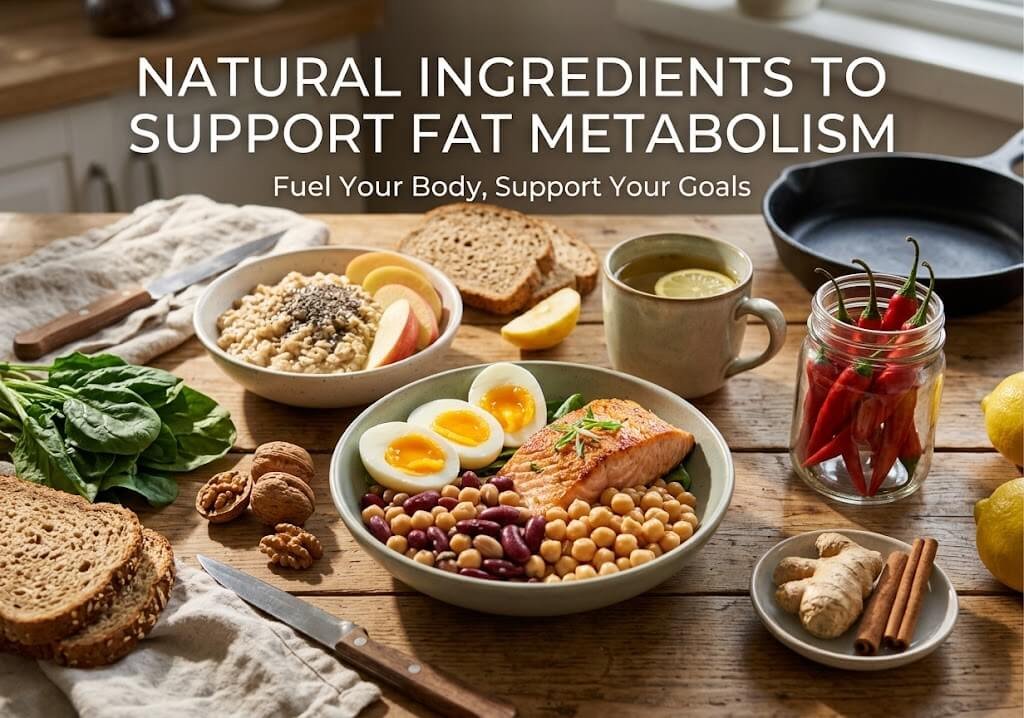
The best natural ingredients to support fat metabolism are not necessarily the strongest stimulants or the most expensive ingredients in a supplement bottle. The more useful choices are foods and compounds that help your body process nutrients, maintain muscle, manage hunger, and sustain the activity needed for healthy weight management.
Green tea, protein-rich foods, dietary fiber, caffeine, and capsaicin are among the ingredients researchers have studied for possible effects on energy expenditure, appetite, or body weight. However, their effects vary, and evidence for an ingredient’s effect on metabolism does not automatically prove meaningful fat loss. The National Institutes of Health Office of Dietary Supplements notes that many weight-loss supplements have limited evidence supporting their effectiveness.
This guide examines 10 natural ingredients and food-based options, what the research actually suggests, how to include them in a balanced diet, and how to combine nutrition with practical exercise.
Quick Answer
The best natural ingredients to support fat metabolism include protein-rich foods, soluble fiber, green tea, coffee or caffeine, capsaicin-containing peppers, and nutrient-rich whole foods. These may support fullness, energy use, or exercise performance, but none reliably melts body fat on its own. Consistent nutrition, resistance training, daily movement, adequate sleep, and a sustainable calorie balance remain the foundation.
1. Protein: Support Muscle and Dietary Thermogenesis
Protein is one of the most useful nutrients to prioritize when your goal is healthier body composition. It provides amino acids for muscle repair and growth, helps you recover from exercise, and can make meals more satisfying.
Your body also uses energy to digest and process food, a process called the thermic effect of food. Protein generally requires more energy to process than carbohydrates or fat. A review published in the Journal of the American College of Nutrition found evidence that higher-protein diets can increase thermogenesis and satiety, although longer-term weight-loss findings have been less consistent (Halton and Hu, 2004).
That does not mean eating extra protein automatically increases fat loss. Total intake, food quality, activity, and calorie balance still matter.
Best food sources
- Eggs, fish, chicken, and lean meats.
- Greek yogurt, cottage cheese, and milk.
- Lentils, beans, chickpeas, and soy foods.
- Tofu, tempeh, and other plant-based protein sources.
How to use protein in your routine
Include a meaningful protein source in each main meal. For example, pair eggs with whole-grain toast at breakfast, chicken or tofu with vegetables at lunch, and salmon or beans with whole grains at dinner.
If you lift weights, protein-rich meals can help support muscle repair. A practical beginner session might include goblet squats, dumbbell rows, and incline push-ups for 2–3 sets of 8–12 controlled repetitions, with 60–120 seconds of rest between sets.
Regression: Use a chair for squats and a wall for push-ups.
Progression: Increase resistance gradually when you can complete every repetition with good technique.
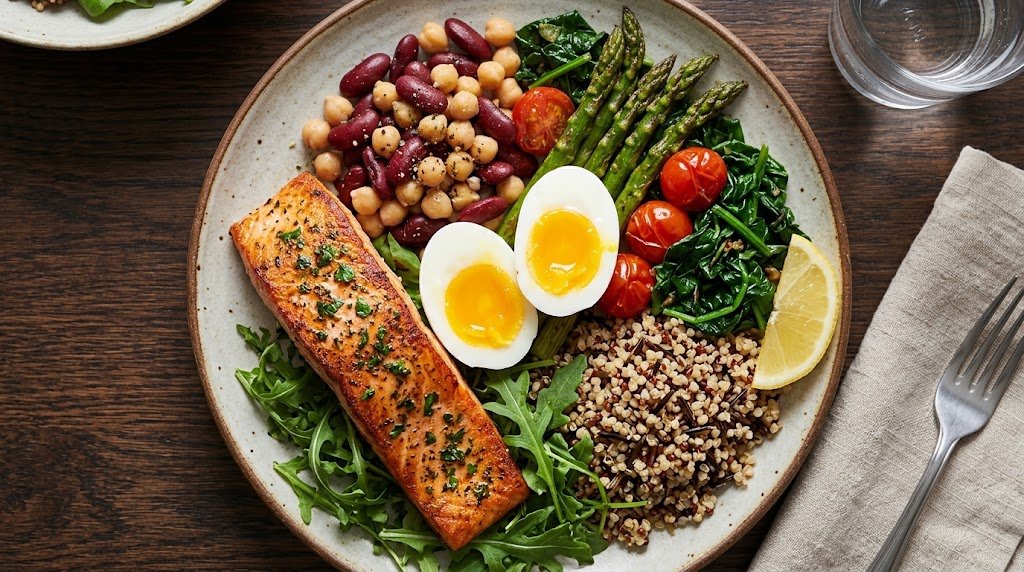
Coach’s Tip: Think of protein as a tool for maintaining muscle and managing hunger, not as a fat-burning shortcut. If you have kidney disease or have been advised to restrict protein, ask your healthcare professional about an appropriate intake.
2. Green Tea: Catechins and Caffeine
Green tea contains plant compounds called catechins, including epigallocatechin gallate (EGCG), and usually contains caffeine. Researchers have investigated whether these compounds affect energy expenditure, fat oxidation, and body weight.
The results are mixed. A systematic review and meta-analysis of randomized trials reported modest reductions in some body-weight measurements when green tea catechins were combined with caffeine, but the authors described the clinical significance as limited (Phung et al., 2010).
The NIH’s green tea and weight-loss supplement information likewise indicates that any weight effect is generally small and not likely to be clinically meaningful.
How to include green tea
- Drink it plain or with a small amount of lemon.
- Use it as an alternative to sugary beverages if you enjoy its taste.
- Choose a time of day when its caffeine content will not interfere with your sleep.
- Avoid assuming that more tea or a concentrated extract produces better results.
Brewed green tea is not equivalent to a high-dose green tea extract. Concentrated extracts have been associated with adverse effects, including rare cases of liver injury.
Common Mistake: Treating green tea as a substitute for a balanced diet. A cup of tea may be a sensible addition to your routine, but it cannot compensate for consistently excessive calorie intake or very low activity.
3. Coffee and Caffeine: A Potential Aid to Alertness and Exercise
Caffeine is a naturally occurring stimulant found in coffee, tea, and several other plants. It can increase alertness and may temporarily affect energy expenditure. Some people also find that caffeine makes exercise feel easier, helping them maintain effort during a workout.
However, the response depends on the dose, individual sensitivity, medication use, and habitual caffeine consumption. An increase in energy expenditure does not guarantee a meaningful reduction in body fat.
Practical ways to use caffeine
For most people who tolerate it, plain coffee or unsweetened tea is a straightforward way to consume caffeine without adding much sugar or energy. Be mindful of large specialty coffees, syrups, creamers, and energy drinks, which can substantially change the overall nutritional picture.
If you choose to consume caffeine before exercise, start with a small serving and see how you respond. You do not need a pre-workout supplement to make progress.
Avoid or limit caffeine if it causes anxiety, palpitations, reflux, or sleep problems. The FDA advises that up to 400 mg per day is not generally associated with dangerous effects for most healthy adults, but individual tolerance varies; see the FDA’s caffeine guidance.
Sleep deserves special attention. If coffee late in the day makes it harder to fall asleep, the possible short-term effects on alertness are unlikely to be worth the cost to recovery.
4. Soluble Fiber: Support Fullness and Digestive Health
Soluble fiber is found in foods such as oats, beans, lentils, apples, and some seeds. Certain soluble fibers absorb water and form a gel-like material in the digestive tract. Depending on the type and amount, fiber can support bowel regularity and help meals feel more satisfying.
Fiber is not a direct fat burner. Its value for weight management is more practical: fiber-rich foods can add volume to meals and help you build a satisfying eating pattern without relying on highly processed snacks.
Useful sources of soluble fiber
| Food | Simple way to eat it |
| Oats | Prepare oatmeal with milk or soy milk |
| Lentils | Add them to soups, salads, or curries |
| Beans | Include them in grain bowls or wraps |
| Apples | Eat whole fruit as a snack |
| Chia seeds | Stir a small serving into yogurt or oats |
| Barley | Use it in soups or as a grain side dish |
Increase fiber gradually and drink enough fluid. A sudden increase may cause gas, bloating, or changes in bowel habits.
What about fiber supplements?
Glucomannan is a soluble fiber derived from konjac. It is marketed for fullness and weight management, but the evidence is inconsistent. A systematic review and meta-analysis of randomized trials found no statistically significant weight-loss benefit compared with placebo (Onakpoya et al., 2014).
Supplements containing glucomannan can also cause digestive symptoms and may present a choking or blockage risk if taken improperly. Follow the product’s safety directions and seek medical advice before using fiber supplements if you have swallowing difficulties or gastrointestinal conditions.
5. Capsaicin: The Compound That Makes Chili Peppers Hot
Capsaicin is the compound responsible for the heat of many chili peppers. It interacts with sensory receptors and has been studied for possible effects on thermogenesis, appetite, and energy expenditure.
Some research suggests that capsaicin may have small effects on energy use or food intake, but the findings do not justify treating chili peppers as a reliable weight-loss treatment. Evidence for a specific ingredient’s biological activity is not the same as evidence that it produces substantial changes in body fat.
How to include capsaicin in food
Use chili peppers, cayenne, or other spicy seasonings in meals you already enjoy. Add them to eggs, soups, roasted vegetables, bean dishes, or lean protein recipes.
There is no need to force yourself to eat very spicy food. Capsaicin may aggravate reflux, stomach discomfort, or bowel symptoms in some people.
Common Mistake: Assuming that sweating after a spicy meal means you are burning a large amount of body fat. Sweating is primarily a cooling response, not a reliable measure of fat loss.
6. Whole-Food Carbohydrates: Oats, Beans, and Whole Grains
Carbohydrates are often unfairly described as foods that slow metabolism. In reality, your body uses carbohydrate as a source of energy, particularly during moderate- to high-intensity exercise. Whole-food carbohydrate sources also provide fiber, vitamins, minerals, and other beneficial nutrients.
Oats, brown rice, barley, beans, lentils, and whole-grain bread can fit into a weight-management plan. The goal is to choose portions and food combinations that match your needs, not to eliminate an entire macronutrient group.
Why food quality matters
Whole grains and legumes provide a combination of carbohydrate, fiber, and varying amounts of protein. These foods can help you assemble meals that are filling and useful for training.
Try a bowl containing brown rice, lentils, roasted vegetables, and grilled chicken or tofu. Adjust the portion sizes based on your hunger, activity, and overall nutrition goals.
For more practical food planning, see our related guide to chromium and glucose metabolism. It discusses a nutrient often marketed for blood sugar support, although that marketing should not be taken as proof of a fat-loss effect.
7. Ginger: A Flavorful Ingredient With Emerging Research
Ginger is commonly used in cooking and beverages. It contains bioactive compounds, including gingerols and shogaols, which have been investigated for various biological effects.
Some studies have explored ginger supplementation in relation to body weight and metabolic markers. However, the evidence is not strong enough to recommend ginger as a dependable fat-loss ingredient, and findings from small supplement studies may not apply to normal culinary use.
Easy ways to use ginger
- Add fresh ginger to soups and stir-fries.
- Mix it into lentil dishes or vegetable curries.
- Brew a mild ginger tea if you enjoy the taste.
- Use it with garlic, citrus, and herbs to season protein-rich meals.
Ginger can make nutritious food more enjoyable without relying on heavy sauces. That practical benefit may be more useful than trying to extract a fat-burning effect from a particular dose.
If you take medication, particularly medication affecting blood clotting, ask a clinician or pharmacist before using concentrated ginger supplements regularly. Culinary amounts and concentrated products are not necessarily equivalent.
8. Cinnamon: A Useful Spice, Not a Proven Fat Burner
Cinnamon adds flavor to oats, yogurt, fruit, and other foods. It has also been studied for possible effects on blood glucose and other metabolic markers.
However, changes in a laboratory marker do not necessarily mean an ingredient increases fat oxidation or produces weight loss. Cinnamon should not be presented as a proven metabolism booster or as a replacement for diabetes treatment.
Best ways to use cinnamon
Sprinkle it over oatmeal, add a little to plain yogurt, or use it to flavor fruit. It can be particularly useful when you want more flavor without adding much sugar.
Do not take large amounts of cinnamon in an attempt to accelerate fat loss. Cassia cinnamon can contain substantial amounts of coumarin, which may harm the liver when consumed in excessive quantities over time. Concentrated supplements also warrant caution.
For a realistic approach, use cinnamon as a seasoning and focus on the overall quality of your diet, portion sizes, exercise routine, and sleep.
9. Omega-3 Fatty Acids: Support Overall Health, Not Instant Fat Burning
Omega-3 fatty acids are found in oily fish such as salmon, sardines, and mackerel, as well as in certain plant foods. They play important roles in normal body function and are a useful part of a varied, balanced diet.
However, omega-3 supplements should not be confused with proven fat-burning products. The NIH Office of Dietary Supplements’ weight-loss fact sheet notes that omega-3 supplements have not been established as effective weight-loss aids.
Food sources to consider
- Salmon, sardines, and mackerel.
- Chia seeds and ground flaxseed.
- Walnuts.
- Certain fortified foods.
Plant sources provide alpha-linolenic acid (ALA), while oily fish provide the long-chain omega-3 fatty acids EPA and DHA. These forms are not interchangeable in the body.
Aim to include a variety of nutrient-rich foods rather than relying on fish oil capsules to change your body composition. If you do not eat fish, consider plant sources and discuss alternatives with a qualified healthcare professional if you have specific nutritional concerns.
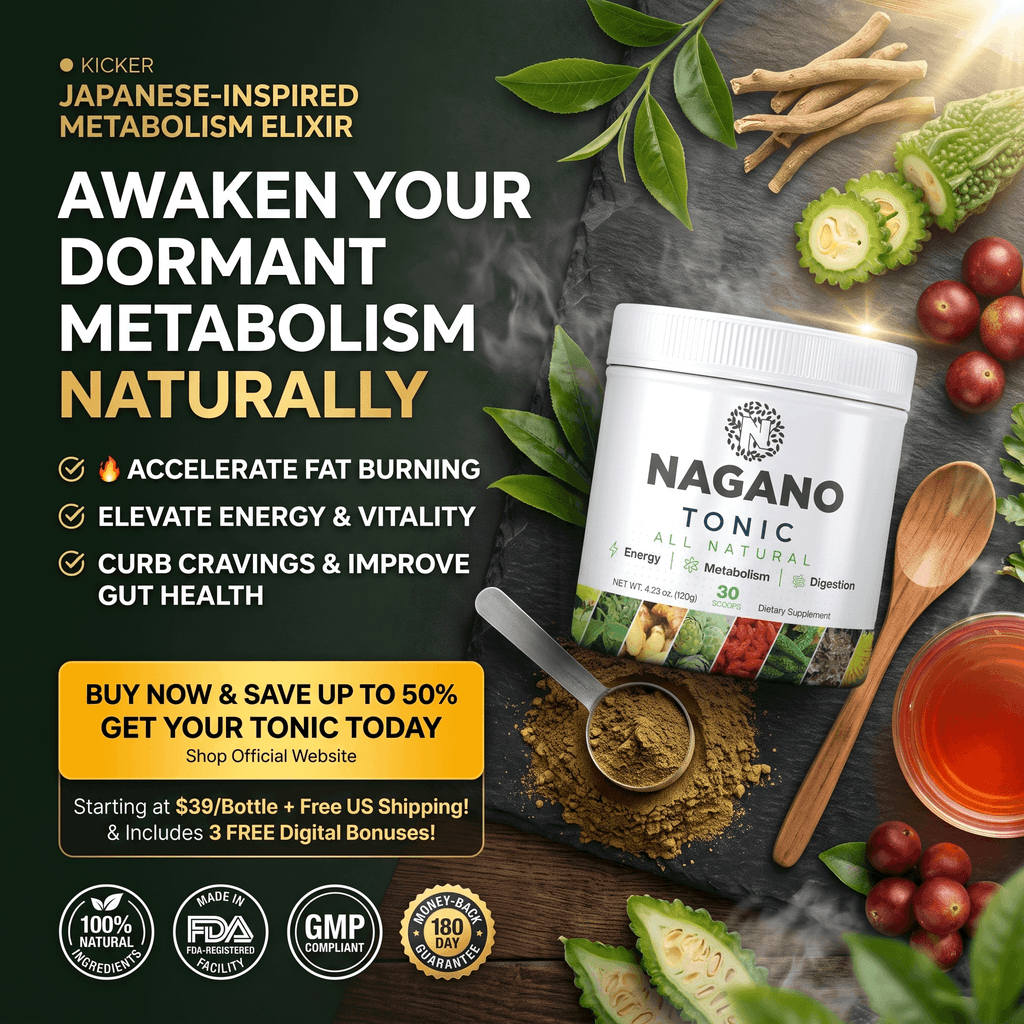
10. Vitamins and Minerals: Help Normal Metabolism Work Properly
Vitamins and minerals are essential to normal energy metabolism. B vitamins, magnesium, iron, and other micronutrients participate in processes that help the body release or use energy from food.
That does not mean taking more vitamins automatically increases fat burning. Correcting a deficiency can be important for health, but extra doses generally do not provide a shortcut to weight loss in someone who already gets enough.
Important nutrients and food sources
| Nutrient | Food sources | Role in the body |
| B vitamins | Eggs, fish, whole grains, legumes, leafy greens | Help enzymes involved in energy metabolism |
| Magnesium | Nuts, seeds, beans, spinach, whole grains | Supports normal muscle and nerve function and many enzyme reactions |
| Iron | Lean meat, beans, lentils, fortified grains | Helps transport oxygen through the blood |
| Zinc | Seafood, meat, dairy, beans, seeds | Supports normal enzyme activity and other body functions |
Food sources are generally a sensible starting point. For example, pair lentils with vitamin C-rich vegetables, include leafy greens in meals, and choose whole grains regularly.
Some supplements marketed for weight loss contain chromium, which is promoted for glucose metabolism. However, the evidence does not establish chromium as a reliable fat-loss ingredient. Read more in our guide to inositol and insulin sensitivity, which explores another compound studied in metabolic research. Neither topic should be interpreted as a promise of weight loss.
If you suspect a nutrient deficiency, speak with a healthcare professional rather than taking high-dose supplements without a clear reason. Iron, in particular, can be harmful when taken in excess.
Which Natural Ingredients Have the Strongest Evidence?
The ingredients above do not all have the same evidence behind them. It helps to distinguish between ingredients that support everyday nutrition and those that have been studied specifically as weight-loss aids.
| Ingredient | Potential benefit | Evidence-based perspective |
| Protein-rich foods | Satiety, muscle maintenance, dietary thermogenesis | Useful within a balanced diet and training plan |
| Soluble fiber | Fullness and digestive health | Helpful food component; weight-loss supplement evidence varies |
| Green tea | Possible modest effects on body weight | Effects, where found, tend to be small |
| Caffeine | Alertness and possible short-term changes in energy expenditure | Not a substitute for sustainable nutrition |
| Capsaicin | Possible small effects on thermogenesis | More research is needed for meaningful weight-loss claims |
| Whole grains and legumes | Fiber, nutrients, and satisfying meals | Strong practical choices for a balanced eating pattern |
| Ginger | Flavor and bioactive compounds under study | Insufficient evidence for a dependable fat-burning effect |
| Cinnamon | Flavor; studied for metabolic markers | Not established as a fat-loss treatment |
| Omega-3s | Essential fatty acids and general nutritional support | Not established as a weight-loss supplement |
| Vitamins and minerals | Normal metabolic and physiological functions | Correct deficiencies; excess intake does not guarantee more fat loss |
The most useful approach is to build meals around protein, vegetables, fruits, legumes, whole grains, and appropriate sources of dietary fat. Optional ingredients such as green tea or chili peppers can add variety, but they should not distract from the habits that have the greatest practical value.
How to Combine Nutrition With Exercise for Better Results
Natural ingredients are only one part of a body-composition plan. Exercise helps you develop strength, preserve or build muscle, and increase your overall physical activity. Food choices help provide the energy and nutrients needed to recover.
The CDC’s physical activity guidance recommends that adults aim for at least 150 minutes of moderate-intensity aerobic activity each week, along with muscle-strengthening activity on at least two days.
You do not have to begin with long workouts or heavy weights. Start with a routine you can repeat consistently, then build gradually.
A practical weekly beginner plan
| Day | Activity | Suggested duration |
| Monday | Full-body strength workout | 25–35 minutes |
| Tuesday | Brisk walking | 20–30 minutes |
| Wednesday | Full-body strength workout | 25–35 minutes |
| Thursday | Easy walk or cycling | 20–30 minutes |
| Friday | Full-body strength workout | 25–35 minutes |
| Saturday | Recreational activity or longer walk | 30–45 minutes |
| Sunday | Rest or gentle mobility work | 10–15 minutes |
These are starting suggestions, not mandatory targets. Adjust the schedule to your fitness level, recovery, health needs, and available time.
Sample full-body workout
Complete the following session two or three times a week, with recovery time between demanding sessions.
| Exercise | Sets | Reps | Rest |
| Bodyweight or goblet squat | 2–3 | 8–12 | 60–120 sec |
| Dumbbell row | 2–3 | 8–12 per side | 60–90 sec |
| Incline push-up | 2–3 | 6–12 | 60–90 sec |
| Glute bridge | 2–3 | 10–15 | 60 sec |
| Farmer carry | 2–3 | 20–40 sec | 60–90 sec |

How to choose your weight: Start with body weight or a light dumbbell that lets you complete every repetition with control. Your final repetitions should feel challenging without forcing you to twist, bounce, or hold your breath.
Use a controlled lowering phase of about two seconds, then rise smoothly. Breathe continuously and stop if you feel sharp pain, dizziness, chest discomfort, or unusual shortness of breath.
- Easier version: Use chair squats, wall push-ups, and lighter dumbbells. Complete two sets and rest longer as needed.
- Harder version: Gradually increase resistance, add repetitions within the listed range, or use a slightly more challenging variation while maintaining good form.
How to progress over four weeks
Week 1: Build consistency. Learn the movements, use manageable resistance, and record the weights or variations you use.
Week 2: Improve control. Keep the same resistance while making each repetition smooth and consistent. Avoid rushing through the exercises.
Week 3: Add a small challenge. If you can complete all prescribed repetitions comfortably, increase the weight slightly or add one or two repetitions per set.
Week 4: Review and adjust. Check how you feel, how well you recover, and whether the plan fits your schedule. Increase difficulty only when your technique remains solid.
Coach’s Tip: Do not add more exercises simply because a workout feels easy. First make sure you are moving well, recovering adequately, and following a routine you can maintain.
Common Mistakes When Using Natural Metabolism Ingredients
Expecting a supplement to cancel out eating habits
A supplement cannot reliably compensate for an eating pattern that consistently provides more energy than your body uses. Focus on the overall pattern of meals, portions, and activity rather than searching for a single powerful ingredient.
Taking several stimulants together
Combining coffee, energy drinks, pre-workout products, and concentrated fat burners can result in excessive caffeine intake. Possible effects include anxiety, poor sleep, a racing heartbeat, and digestive discomfort.
Read ingredient labels carefully. Some products contain multiple stimulants under different names, making total exposure harder to recognize.
Cutting calories too aggressively
Very restrictive eating can make it difficult to obtain enough nutrients and maintain training performance. It may also increase hunger and make a plan harder to sustain.
Instead, choose a moderate, individualized approach that supports daily activity, adequate nutrition, and gradual progress. Anyone with a history of disordered eating should seek qualified guidance before starting a weight-loss plan.
Ignoring sleep and recovery
Poor sleep can affect energy, appetite, concentration, and your ability to exercise consistently. Avoid using caffeine to cover up ongoing sleep deprivation.
Confusing weight loss with fat loss
Changes on the scale can reflect water, food in the digestive tract, and other normal fluctuations, not just body fat. Consider longer-term trends alongside strength, energy, waist measurements if appropriate, and how consistently you follow your routine.
Safety: Are Natural Fat-Metabolism Ingredients Safe?
Natural does not automatically mean safe. Food quantities, concentrated extracts, and high-dose supplements can have different effects.
The National Center for Complementary and Integrative Health’s guidance on weight control warns that many products marketed as fat burners have limited evidence and may cause harm.
Before starting a supplement, keep these points in mind:
- Check medication interactions. Caffeine, concentrated herbs, and other supplement ingredients may interact with medicines or existing health conditions.
- Be cautious with concentrated extracts. A compound found in ordinary food may cause adverse effects when consumed in a highly concentrated form.
- Avoid proprietary blends with unclear quantities. If the label does not clearly identify the amounts of ingredients, it is difficult to assess safety.
- Do not replace prescribed treatment. Supplements should not replace treatment for diabetes, thyroid disease, or other medical conditions.
- Discuss weight loss with a professional when needed. People who are pregnant, breastfeeding, managing chronic conditions, or taking regular medication should seek individualized advice.
Consult a doctor or registered dietitian before using supplements for fat metabolism, especially if you have a medical condition or take medication. If exercise is new to you or you have a history of injury, a qualified fitness professional or physical therapist can help adapt your training.
Frequently Asked Questions
1. What natural ingredients support fat metabolism best?
Protein-rich foods, soluble fiber, green tea, and caffeine are among the options studied for their potential effects on fullness, energy use, or weight management. However, the strength of evidence differs. No natural ingredient reliably causes substantial fat loss by itself, so prioritize balanced meals, regular exercise, and sustainable habits.
2. Which foods help your body burn fat naturally?
No food directly melts body fat. Protein-rich foods, legumes, vegetables, fruit, and whole grains can help you build satisfying meals and meet your nutritional needs. Pair these foods with regular strength training and aerobic activity, and choose portions that suit your energy needs and long-term goals.
3. Does green tea help support fat metabolism?
Green tea contains catechins and caffeine, which have been studied for their possible effects on energy expenditure and body weight. Some studies report modest benefits, but results vary, and meaningful long-term fat loss is not guaranteed. Drinking brewed tea is generally preferable to using concentrated extracts without medical guidance.
4. Can protein help increase calorie burning?
Yes, protein requires more energy to digest and process than carbohydrates or fat, and it can help you feel full. Protein also supplies amino acids for muscle repair. However, eating extra protein does not automatically produce fat loss. Your total diet, activity level, recovery, and energy balance still matter.
5. Is caffeine a safe natural metabolism booster?
Caffeine can temporarily increase alertness and may affect energy expenditure, but it is not necessary for successful weight management. Sensitivity varies, and excessive intake can cause anxiety, palpitations, or sleep disruption. People who are pregnant, take certain medications, or have relevant health conditions should seek individualized advice.
6. Are natural fat-burning supplements effective?
Some ingredients have limited evidence for small effects on weight or appetite, but many products marketed as fat burners have not demonstrated meaningful, lasting benefits. Supplements can also contain excessive stimulants or interact with medications. Check the evidence for each ingredient and consult a healthcare professional before starting a product.
Conclusion: Choose Ingredients That Support Sustainable Progress
The best natural ingredients to support fat metabolism are those that help you build a nutritious, satisfying eating pattern and maintain the energy and strength needed for daily life. Protein, soluble fiber, whole grains, and nutrient-rich foods are practical starting points, while green tea, caffeine, and capsaicin have more limited or variable evidence for direct weight-management benefits.
You do not need to buy an expensive fat burner to get started. Choose foods you enjoy, build a manageable strength-training routine, increase daily movement gradually, and protect your sleep. Review your progress over time and adjust your habits based on what you can maintain.
Remember that supporting metabolism is not the same as forcing rapid fat loss. Sustainable changes in body composition come from a combination of nutrition, activity, recovery, and consistency—not a single ingredient.