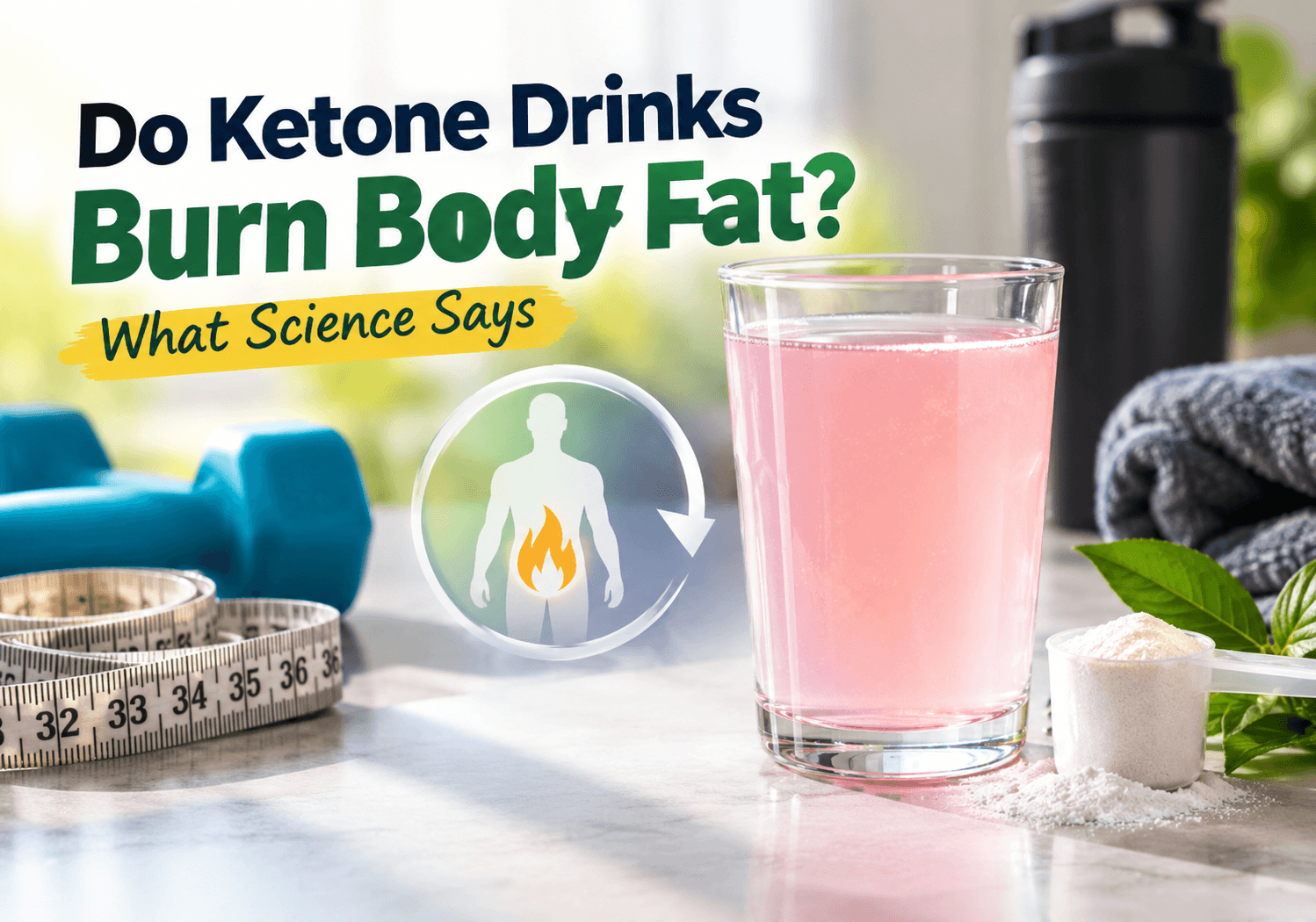
Ketone drinks are marketed as a shortcut to better fat burning, faster weight loss, and improved workout performance. These supplements can raise ketone levels in your blood, but do ketone drinks burn body fat, or do they simply change which fuel your body uses? The difference matters if your goal is to lose belly fat, improve body composition, or get more from your workouts.
Ketone drinks usually contain exogenous ketones, which are ketone bodies supplied from outside the body rather than produced naturally by your liver. Research shows that these supplements can increase blood beta-hydroxybutyrate (BHB), one of the main circulating ketone bodies. However, raising BHB is not the same as proving that a supplement causes meaningful, lasting fat loss. Research published in the Journal of Lipid Research explains that ketosis, fuel use, energy expenditure, and body-weight changes are related but distinct processes.
For anyone trying to lose fat while maintaining muscle, understanding these differences can help separate useful nutrition strategies from exaggerated supplement claims.
Quick Answer
Do ketone drinks burn body fat?
Not necessarily. Ketone drinks can raise blood ketone levels, but there is not enough strong long-term human evidence to conclude that they reliably reduce stored body fat. Sustainable fat loss depends more on energy balance, nutritious eating, regular exercise, and consistent habits than on drinking an exogenous ketone supplement.
1. What Are Ketone Drinks, and How Do They Work?
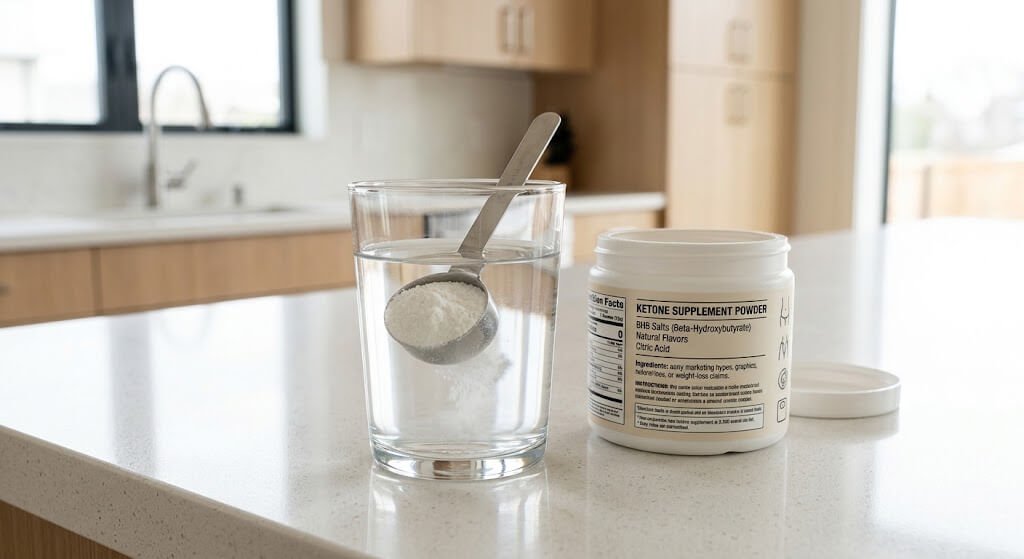
Ketone drinks are beverages containing compounds intended to increase the amount of ketones circulating in your blood. They are often sold as powders mixed with water or as ready-to-drink supplements marketed for energy, exercise, or weight management.
To understand their potential effect on body fat, it helps to know how the body normally makes and uses ketones.
What are ketones?
Ketones are substances the liver produces from fat-derived compounds when carbohydrate availability is limited or the body’s energy demands and hormonal conditions favor ketone production.
Your body can use several fuels, including glucose, fatty acids, and ketones. Which fuel it uses depends on factors such as food intake, activity level, exercise intensity, and metabolic state.
During prolonged fasting or a ketogenic diet, the liver increases its production of ketones. This process is called endogenous ketogenesis because the ketones are produced inside the body.
What are exogenous ketones?
Exogenous ketones come from outside the body, usually in supplement form. Common products contain BHB in one of two forms:
- Ketone salts: BHB combined with minerals such as sodium, potassium, calcium, or magnesium.
- Ketone esters: Compounds designed to deliver ketones that can raise circulating BHB levels.
These products differ in composition, taste, mineral content, cost, and how they affect blood ketone concentrations.
A systematic review of exogenous ketone supplementation found that supplementation increased blood BHB in the studies examined. That is evidence that the products can change a measurable biological marker. It is not, by itself, evidence that they make people lose body fat.
Do ketone drinks put your body into ketosis?
They can raise blood ketone levels and produce a state sometimes described as exogenous ketosis. However, this is not identical to the metabolic response that develops when your liver produces more ketones during fasting or carbohydrate restriction.
The source of the ketones matters. Drinking BHB supplies a fuel that your body can use, whereas dietary ketosis involves changes in the body’s own fuel production and availability.
Key takeaway: A higher ketone reading after a drink tells you that ketones are circulating in your blood. It does not tell you how much stored fat you have lost.
2. Do Ketone Drinks Burn Body Fat or Just Increase Fat Burning?
This is the most important distinction for anyone considering ketone drinks for weight loss.
The phrase fat burning can refer to several different things. It may describe the body’s use of fat for energy at a particular moment, the breakdown of stored body fat, or an actual reduction in total fat mass over weeks or months. These outcomes are not interchangeable.
Fat oxidation is not the same as fat loss
Fat oxidation happens when the body uses fatty acids or other fat-derived fuels to produce energy. It is a normal part of metabolism and occurs during everyday activities as well as exercise.
But burning fat for fuel at one moment does not guarantee a reduction in body-fat stores over time. Your body can use more fat during one period and compensate by storing more fat or using less fat later.
Long-term body-fat changes depend on the overall relationship between energy intake, energy expenditure, and the body’s changing energy needs.
The review of ketone bodies and energy balance in humans found that ketosis generally shifts fuel use toward ketone oxidation but does not appear to produce a major increase in energy expenditure on its own. The authors also noted that the effects of different ways of inducing ketosis are difficult to separate from other metabolic responses.
In simple terms, using ketones as fuel is not the same as creating a reliable, lasting reduction in stored body fat.
What happens when you drink exogenous ketones?
After consuming an exogenous ketone supplement, blood BHB can rise. Your muscles and other tissues may then use some of those ketones for energy.
However, supplying the body with an additional fuel can change which other fuels it uses. It does not automatically force the body to draw more energy from its stored fat.
This is why it is misleading to assume that a higher blood ketone reading means a faster rate of fat loss.
Can ketone drinks help you lose belly fat?
There is not enough strong evidence to conclude that ketone drinks specifically reduce abdominal fat.
Your body determines where fat is stored and lost through a combination of genetic, hormonal, and physiological factors. A supplement cannot be assumed to target the stomach simply because it changes blood ketone levels.
The more useful approach is to work toward gradual changes in overall body fat while maintaining muscle through appropriate nutrition and resistance training.
3. What Does the Research Say About Ketone Drinks for Weight Loss?
Research on ketones is growing, but different types of studies answer different questions. Some examine short-term blood chemistry, others investigate exercise performance, and others examine body weight or fat mass.
It is important not to treat all these outcomes as proof of the same benefit.
Research finding 1: Ketone supplements raise blood BHB
A systematic review and meta-analysis published in Advances in Nutrition examined 43 trials involving 586 participants. It found that exogenous ketone supplementation increased blood BHB and decreased mean blood glucose in the studies analyzed.
These findings support the conclusion that ketone supplements can change certain blood measurements. However, the review found limited evidence on prolonged supplementation, and the measured outcomes do not establish that ketone drinks reliably cause long-term fat loss.
Read the systematic review on exogenous ketones and blood glucose for details.
Research finding 2: Ketosis does not automatically increase calorie burning
The Journal of Lipid Research review discussed earlier examined ketone production, fuel selection, energy expenditure, and energy intake in humans.
Its overall conclusion was that ketosis does not have a major effect on energy expenditure in general. Different methods of inducing ketosis may influence appetite, food intake, or fuel use in different ways, but the independent contribution of ketones remains difficult to establish.
This matters because a product that changes fuel selection does not necessarily increase the total amount of energy your body uses.
Research finding 3: A ketogenic diet is not the same as a ketone drink
A ketogenic diet typically restricts carbohydrate intake enough to encourage the liver to produce more ketones. It also changes the overall pattern of food intake.
An exogenous ketone drink supplies ketones directly. It does not reproduce all the effects of following a ketogenic diet.
A systematic review and meta-analysis of ketogenic diets examined 18 randomized controlled trials and reported changes in body weight and body composition among participants following ketogenic diets. Those results cannot be transferred directly to ketone supplements because the interventions are different.
A diet may affect body weight through changes in food intake, satiety, energy balance, and adherence. A ketone drink alone does not guarantee those same changes.
Research finding 4: Ketone drinks have not consistently improved exercise performance
Some supplements are marketed to athletes as an alternative fuel that may improve endurance. However, the research does not support assuming that taking ketones will automatically improve a workout.
A systematic review and meta-analysis of 13 randomized controlled trials found no significant overall improvement in exercise performance from acute ketone supplementation. Individual results can vary by protocol, product, and exercise conditions, but the overall findings do not justify treating ketone drinks as a dependable performance enhancer.
Better training plans, appropriate fueling, adequate recovery, and consistent practice remain more dependable foundations.
What the evidence means for consumers
| Research question | What the evidence supports | What remains uncertain |
| Do ketone drinks raise BHB? | Yes, studies show that exogenous ketones can increase circulating BHB. | How useful that increase is for an individual’s goals. |
| Do they directly burn stored body fat? | A change in fuel use is biologically plausible. | Whether drinks produce meaningful, sustained fat loss. |
| Do they increase metabolism? | Ketones influence fuel selection. | A substantial, reliable increase in total energy expenditure. |
| Do they improve exercise performance? | Some effects are being investigated. | A consistent improvement across exercise types and athletes. |
| Do they replace a ketogenic diet? | They supply ketones without requiring the same dietary changes. | Whether they reproduce the diet’s effects on body weight or appetite. |
The most accurate conclusion is that ketone drinks change blood ketone levels, but their value as a stand-alone body-fat reduction strategy remains unproven.
4. Do Ketone Drinks Work Without a Keto Diet?
Yes, ketone drinks can raise blood BHB without requiring you to follow a ketogenic diet. However, that does not mean they will cause weight loss when your normal eating habits remain unchanged.
A ketogenic diet changes the availability of carbohydrates and encourages the liver to produce more ketones. An exogenous supplement supplies ketones directly, even if you have recently eaten a carbohydrate-rich meal.
These are two different metabolic situations.
What if you eat carbohydrates and drink ketones?
Your body can use carbohydrates, fats, and ketones as energy sources. Drinking ketones does not eliminate the energy supplied by your meals, nor does it guarantee that your body will use more stored fat.
For example, imagine someone eats their usual meals, takes a ketone drink, and sees a higher reading on a blood ketone meter. That reading shows a change in circulating ketones, but it does not establish whether their daily calorie balance has changed or whether they have lost fat.
Is a ketogenic diet necessary for weight loss?
No. A ketogenic diet is one possible eating pattern, but it is not required for reducing body fat.
According to the National Institute of Diabetes and Digestive and Kidney Diseases, a sustainable eating plan that reduces calorie intake when appropriate, together with physical activity, can help people lose weight and maintain their progress.
Some people prefer lower-carbohydrate diets because they find them satisfying and easier to follow. Others do better with a balanced diet containing whole grains, fruits, vegetables, and other carbohydrate sources.
The best approach is one that supports your health, training, nutritional needs, and long-term consistency.
5. Do Ketone Drinks Help You Burn More Fat During Exercise?
Exercise increases energy demand, and your body adjusts its fuel use to meet that demand. However, taking a ketone supplement before exercise does not guarantee greater fat loss.
The effects depend on the workout, the supplement, the person’s nutritional state, and how total energy intake and expenditure balance out over time.
Ketone drinks before cardio
Cardio activities such as walking, cycling, jogging, and swimming use energy from a mixture of fuels. The proportions change with exercise intensity, duration, fitness level, and recent food intake.
At a manageable pace, you can generally sustain activity longer than during an all-out effort. This makes brisk walking or steady cycling useful options for building an exercise routine.
You do not need a ketone drink to make these activities worthwhile.

Ketone drinks before weight training
Resistance training helps develop and maintain muscle. It can include exercises such as squats, rows, presses, lunges, and deadlifts.
If your goal is to lose fat while maintaining muscle, a sensible resistance-training program is usually more useful than relying on a ketone supplement. Choose weights that allow you to complete your planned repetitions with controlled technique, and increase the challenge gradually.
You can learn more about the importance of movement and joint function in this guide to human joints and their functions.
A practical exercise plan for fat loss
The following routine is an example for a generally healthy beginner. It is not a special ketone-burning workout; it is a simple way to combine aerobic activity and resistance training.
| Activity | Frequency | Beginner target | Main purpose |
| Brisk walking | 3–5 days per week | Start with 15–30 minutes | Build aerobic fitness and daily activity |
| Bodyweight squats | 2 days per week | 2 sets of 8–12 reps | Train the legs and hips |
| Dumbbell rows | 2 days per week | 2 sets of 8–12 reps | Train the back and arms |
| Incline push-ups | 2 days per week | 2 sets of 6–12 reps | Train the chest, shoulders, and triceps |
| Glute bridges | 2 days per week | 2 sets of 10–15 reps | Train the glutes and hip extensors |
Rest for approximately 60–120 seconds between strength-training sets, or longer if needed to maintain good technique. Lower the body under control for about two seconds during squats and push-ups, then return smoothly to the starting position.
Easier version: Use a chair for support during squats, perform push-ups against a wall, and reduce the walking time if necessary.
Harder version: Gradually add resistance to squats and rows, increase the number of sets, or extend walking sessions as your fitness improves.
Coach’s Tip: Start with a routine you can repeat consistently. If you are a beginner, finishing a manageable workout with good form is more useful than exhausting yourself in an attempt to burn the most calories in one session.
For general health, the CDC’s physical activity recommendations advise adults to work toward at least 150 minutes of moderate-intensity aerobic activity each week and muscle-strengthening activity on at least two days.
If you have a medical condition, significant exercise limitations, or have been inactive for a long time, check with a healthcare professional before beginning a demanding program.
6. Can Ketone Drinks Help You Lose Weight Without Exercise?
Ketone drinks are not a proven substitute for exercise, but exercise is not the only factor that influences body weight.
A person’s weight can change when their food and beverage intake, activity level, and energy needs change. The goal should be a sustainable approach rather than finding a supplement that supposedly removes the need for healthy habits.
Focus on your overall calorie balance
A calorie deficit occurs when you use more energy than you consume over time. It can be achieved through an appropriate combination of food choices and physical activity.
This does not mean you must count every calorie forever. Some people find tracking useful, while others prefer practical changes such as adjusting portions, planning meals, or reducing high-calorie drinks.
The CDC’s guidance on losing weight emphasizes healthy eating patterns, regular activity, sufficient sleep, and stress management.
Eat enough protein and nutrient-rich foods
Protein helps support the maintenance and repair of muscle tissue. Sources include eggs, fish, poultry, lean meat, dairy products, beans, lentils, tofu, and other soy foods.
Combine protein with vegetables, fruits, whole grains when appropriate, and sources of healthy fats. This gives your body a broader range of nutrients than a strategy built around supplements alone.
If you are interested in supplements that are marketed for metabolic health, our article on chromium and glucose metabolism discusses why claims about a supplement’s biological effects should be separated from proof of a meaningful health outcome.
Get enough sleep and allow recovery
Sleep and recovery matter because fatigue can make it harder to maintain exercise habits and manage appetite. A demanding workout schedule is not automatically better if it leaves you too tired to recover or train consistently.
Build a realistic schedule that fits your work, family responsibilities, and current fitness level. Consistency over time is more useful than relying on a supplement to compensate for poor recovery.
7. Are Ketone Drinks Safe? Side Effects and Precautions
The safety of a ketone drink depends on its ingredients, dose, formulation, and the person taking it. Research on short-term changes in blood ketones cannot establish that every product is safe for long-term use.
Ketone supplements should not be assumed to be harmless simply because they are sold as fitness products.
Potential side effects
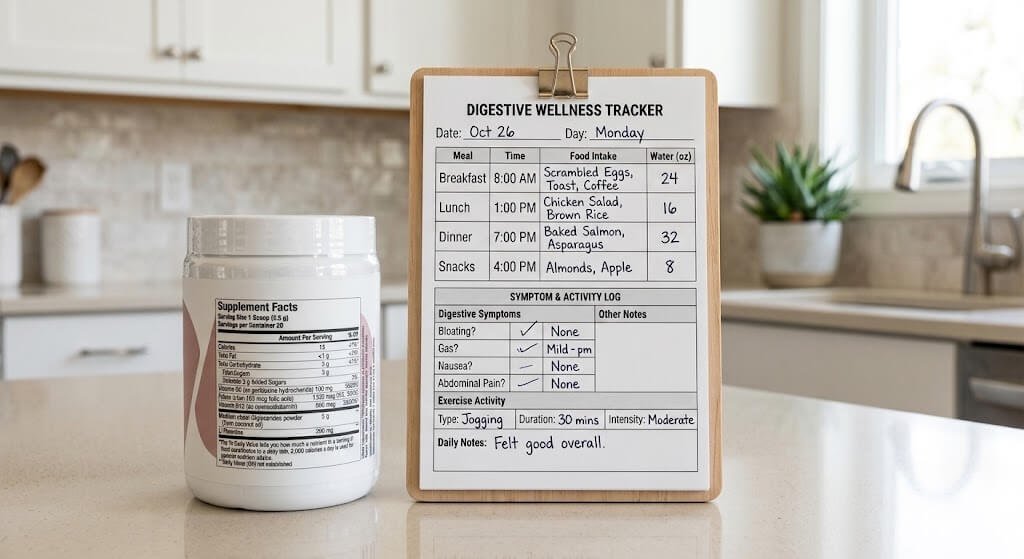
Some people may experience digestive discomfort after taking exogenous ketones. Depending on the formulation and dose, possible problems include:
- Nausea or stomach discomfort.
- Bloating or digestive upset.
- Diarrhea.
- Difficulty tolerating the taste or concentration of a product.
Ketone salts may also contribute substantial amounts of minerals, particularly sodium. The amount depends on the product, so checking the nutrition and supplement labels is important.
A 2024 systematic review and meta-analysis on exogenous ketones and blood pressure did not find a significant overall change in systolic or diastolic blood pressure across the studies analyzed. However, the researchers observed a possible tendency toward an increased resting heart rate after acute supplementation, particularly with higher doses. The evidence base was small, and further research is needed.
These findings are a reason to avoid assuming that larger doses are better.
Who should be especially careful?
Speak with a healthcare professional before using ketone drinks if you:
- Have diabetes or take glucose-lowering medication.
- Have kidney, liver, or cardiovascular disease.
- Need to monitor your sodium or other mineral intake.
- Take medication that could interact with a supplement.
- Are pregnant or breastfeeding.
- Have a medical condition that affects your ability to exercise or regulate blood sugar.
The NIH Office of Dietary Supplements’ weight-loss supplement fact sheet explains that dietary supplements may interact with medications, have side effects, and lack adequate evidence for some advertised benefits.
Do not use an over-the-counter ketone drink as a treatment for a medical condition or as a replacement for prescribed medication.
People with diabetes who take insulin or certain other medications should obtain individualized medical advice before making significant changes to their diet or supplement routine. Ketone supplements can affect blood glucose measurements, and their effects should not be assumed to be predictable for every individual.
Check the label before buying
Before purchasing a ketone drink, look for:
- The exact form of ketone used, such as a ketone salt or ester.
- The amount of BHB or other active compounds per serving.
- The sodium, potassium, calcium, and magnesium content.
- Added sugars, stimulants, and other active ingredients.
- Directions, warnings, and the manufacturer’s contact information.
- Independent quality testing, where available.
Common Mistake: Treating a higher ketone reading as proof that a supplement is working for fat loss. Blood ketones are a metabolic measurement, not a direct measurement of body-fat reduction.
8. Ketone Drinks vs. Other Weight-Loss Strategies
If your primary goal is losing body fat, it is worth comparing ketone drinks with approaches that have a clearer practical role in a weight-management plan.
| Strategy | Main role | Evidence-based consideration |
| Ketone drinks | Supply exogenous ketones | Long-term fat-loss benefits remain uncertain. |
| Ketogenic diet | Restricts carbohydrates to encourage nutritional ketosis | May help some people lose weight, but it is not necessary for everyone. |
| Balanced, calorie-controlled eating | Helps manage overall energy intake | Can support sustainable weight loss without requiring ketosis. |
| Resistance training | Develops strength and supports muscle maintenance | Useful for people seeking better body composition. |
| Walking and other aerobic activity | Increases physical activity and energy use | Can contribute to a sustainable weight-management routine. |
| Adequate sleep and recovery | Supports consistent lifestyle habits | Helps make a healthy routine more manageable over time. |
Ketone drinks vs. a ketogenic diet
The main difference is that a ketogenic diet changes what you eat, while an exogenous ketone supplement supplies ketones directly.
A ketogenic diet may help some people control food intake, but it can also require substantial changes to their usual eating pattern. A ketone drink may be more convenient to consume, but convenience does not establish effectiveness.
Neither approach guarantees fat loss. The better choice depends on nutritional needs, medical considerations, personal preferences, and the ability to maintain the approach.
Ketone drinks vs. a calorie deficit
A calorie deficit addresses the energy balance needed for weight loss. A ketone drink changes circulating ketone levels but does not necessarily change the amount of energy consumed or expended.
If a supplement costs money but does not improve your eating habits, activity, or ability to maintain your plan, it may add little practical value.
Ketone drinks vs. exercise
Exercise offers benefits beyond changes in body weight, including improvements in fitness, strength, and physical function. Ketone supplements have not demonstrated a consistent advantage that would justify replacing a well-designed training routine.
For most beginners, time and money are better invested in comfortable walking shoes, appropriate exercise equipment, nutritious food, and a training schedule they can sustain.
9. How to Approach Fat Loss Without Depending on Ketone Drinks
If your goal is to reduce body fat, you can begin with a few manageable actions rather than buying a supplement immediately.
Step 1: Choose a realistic goal
Decide whether your main priority is body-fat reduction, improved strength, better cardiovascular fitness, or a combination of these. Avoid judging progress by a single day’s weight or blood ketone reading.
Body weight can fluctuate for reasons unrelated to fat gain or loss. Look at longer-term trends and how your strength, fitness, clothing fit, and energy levels change.
Step 2: Build meals around nutritious foods
Include protein-rich foods, vegetables, fruit, and suitable sources of carbohydrates and fats. Adjust portion sizes according to your needs rather than eliminating entire food groups without a good reason.
You do not have to follow a ketogenic diet to make progress. Choose an eating pattern that supports your health and that you can maintain.
Step 3: Start with manageable exercise
If you are new to exercise, begin with walking and two short full-body strength sessions each week. Select exercises that feel comfortable and learn their technique before increasing the difficulty.
For example, you might perform chair squats, wall push-ups, supported rows, and glute bridges. Start with one or two sets per exercise, use controlled movements, and stop if you experience unusual pain, dizziness, or other concerning symptoms.
Step 4: Track useful measures
Record your exercise sessions, general eating habits, sleep, and progress toward your goals. If you weigh yourself, consider looking at the trend over several weeks rather than reacting to individual readings.
You generally do not need to measure blood ketones unless there is a specific, appropriate reason to do so. A ketone meter cannot replace a body-composition assessment or establish that a supplement is causing fat loss.
Step 5: Review your progress and adjust
After several weeks, assess whether your routine is manageable and whether you are moving toward your goals. If progress has stalled, review your food intake, activity, sleep, and consistency before adding a supplement.
If you are struggling with weight management or have a condition that affects nutrition, exercise, or metabolism, a registered dietitian or other qualified healthcare professional can help you develop an appropriate plan.
10. Frequently Asked Questions
Do ketone drinks burn body fat without a keto diet?
Ketone drinks can raise blood ketone levels without a ketogenic diet, but this does not prove that they burn more stored body fat. Their long-term effect on weight loss remains uncertain. For fat loss, focus on an appropriate energy balance, nutritious meals, and regular physical activity rather than relying on a supplement.
Can ketone drinks help you lose belly fat?
There is insufficient strong evidence that ketone drinks specifically reduce belly fat. A supplement that raises blood BHB does not necessarily reduce abdominal fat or total fat mass. A sustainable approach to overall fat loss is more useful than looking for a product that promises to target one area of the body.
Do BHB drinks increase fat burning?
BHB drinks increase circulating beta-hydroxybutyrate, which the body can use as fuel. However, increased ketone availability does not necessarily mean greater use of stored body fat or a sustained reduction in body-fat mass. Blood ketone levels alone cannot establish whether a person is losing fat.
Should you drink ketones before a workout?
There is no strong evidence that ketone drinks reliably improve exercise performance or fat loss when taken before a workout. Most people can focus on suitable pre-workout meals, hydration, gradual training progression, and recovery. Anyone considering a ketone supplement should also review its ingredients, dose, and potential risks.
What are the side effects of ketone drinks?
Potential side effects include digestive discomfort, nausea, and diarrhea. Ketone salts can also supply substantial amounts of minerals such as sodium. The risks vary by formulation and individual health status. Speak with a healthcare professional before use if you take medication or have diabetes, kidney disease, cardiovascular disease, or another relevant medical condition.
Are ketone drinks better than a ketogenic diet?
Neither option is automatically better for weight loss. A ketogenic diet changes dietary carbohydrate intake, while exogenous ketones supply ketones directly. Some people find lower-carbohydrate eating useful, but ketone drinks have not established reliable long-term fat-loss benefits. The most appropriate approach depends on your health, preferences, nutritional needs, and ability to maintain it.
Conclusion: Do Ketone Drinks Burn Body Fat?
Ketone drinks can raise blood ketone levels, but that does not mean they reliably burn stored body fat or cause lasting weight loss. The available evidence supports their ability to change circulating BHB, while their long-term value as a stand-alone fat-loss supplement remains uncertain.
If your goal is to improve body composition, prioritize sustainable eating habits, regular aerobic activity, resistance training, adequate sleep, and recovery. These strategies provide a more practical foundation than chasing a higher ketone reading.
Ketone drinks may interest people studying metabolism or sports nutrition, but they should not be treated as a shortcut around the fundamentals of weight management. Before spending money on one, consider whether it offers a clear, evidence-supported benefit for your specific goal.
For anyone considering a ketone supplement, especially people with medical conditions or those taking medication, speak with a healthcare professional first.