If you have ever tried to stick to a strict diet, you know that hunger is the number one reason people quit. It is not just about willpower; it is about biology. Your body sends powerful signals when it thinks it is starving. This is where the conversation around exogenous ketones often begins. Many people ask, “Can exogenous ketones suppress appetite?” The short answer is yes, they can help manage hunger, but they are not magic pills. They work best when combined with specific dietary strategies and lifestyle habits.
As a strength and conditioning coach, I see clients struggle with food cravings daily. We look for tools that make the process easier. Exogenous ketones are one such tool. They are supplements that raise the level of ketones in your blood. Ketones are molecules your liver makes when you break down fat for fuel. By taking them in supplement form, you may experience some of the same hunger-reducing benefits as being in a deep state of nutritional ketosis, without having to wait weeks for your body to adapt. However, understanding how they work, when to take them, and what to expect is crucial for getting results.
Quick Answer
Can exogenous ketones suppress appetite? Yes, research suggests that exogenous ketones, particularly beta-hydroxybutyrate (BHB), can reduce feelings of hunger and lower the desire to eat. They help stabilize blood sugar levels and influence hunger hormones like ghrelin. For best results, use them alongside a low-carbohydrate diet or intermittent fasting routine. They are most effective when used consistently rather than as a one-time fix. Always consult a healthcare provider before starting new supplements, especially if you have underlying health conditions.
Understanding Ketones and Hunger
To understand if exogenous ketones suppress appetite, we first need to look at what ketones are. Your body has two main fuel sources: glucose (from carbohydrates) and ketones (from fat). When you eat a standard Western diet high in carbs, your body runs on glucose. Your blood sugar rises, insulin is released, and your cells use that sugar for energy. Any extra is stored as fat.
When you restrict carbohydrates, your body runs out of easy glucose. It then switches to burning fat. The liver breaks down fatty acids into ketone bodies. The three main types are acetoacetate, acetone, and beta-hydroxybutyrate (BHB). BHB is the most abundant and stable ketone in the blood. This state is called nutritional ketosis.
Endogenous vs. Exogenous Ketones
“Endogenous” means made inside your body. When you fast or eat very few carbs, your liver produces endogenous ketones. This process takes time. It can take anywhere from two to seven days for most people to enter ketosis naturally. During this transition, many people experience the “keto flu,” which includes fatigue, brain fog, and intense cravings.
“Exogenous” means coming from outside. Exogenous ketone supplements provide BHB salts or esters directly to your bloodstream. This raises your blood ketone levels quickly, often within 30 to 60 minutes. The idea is that by raising ketone levels artificially, you can mimic some benefits of nutritional ketosis, including appetite suppression, without the long adaptation period.
The Biology of Hunger
Hunger is regulated by a complex system of hormones. Two key players are ghrelin and leptin. Ghrelin is known as the “hunger hormone.” It is produced in the stomach and signals your brain that it is time to eat. Leptin is the “satiety hormone.” It is produced by fat cells and tells your brain that you have enough energy stored.
In many people with obesity or insulin resistance, this system gets broken. They may have high leptin levels but their brain does not respond to it (leptin resistance). They also may have erratic ghrelin spikes. Research indicates that ketones may help regulate these hormones. A study published in Obesity found that elevated ketone levels were associated with reduced ghrelin secretion [1]. This suggests a direct link between ketosis and lower hunger signals.
How Exogenous Ketones May Reduce Appetite
So, can exogenous ketones suppress appetite effectively? The mechanism involves several pathways. It is not just one thing happening; it is a combination of metabolic and hormonal changes.
1. Stabilization of Blood Glucose
One of the biggest drivers of hunger is blood sugar fluctuation. When you eat refined carbs or sugar, your blood glucose spikes. Your body releases insulin to bring it down. Often, it drops too low (reactive hypoglycemia). This crash triggers intense cravings for more quick energy.
Ketones provide a steady source of fuel for the brain and muscles. Unlike glucose, ketones do not cause sharp spikes in insulin. By providing an alternative fuel source, exogenous ketones can help smooth out these energy dips. When your energy levels are stable, you are less likely to feel the urgent need to snack. This is particularly helpful for people who are transitioning to a low-carb diet and still experiencing occasional glucose swings.
2. Impact on Ghrelin and Peptide YY
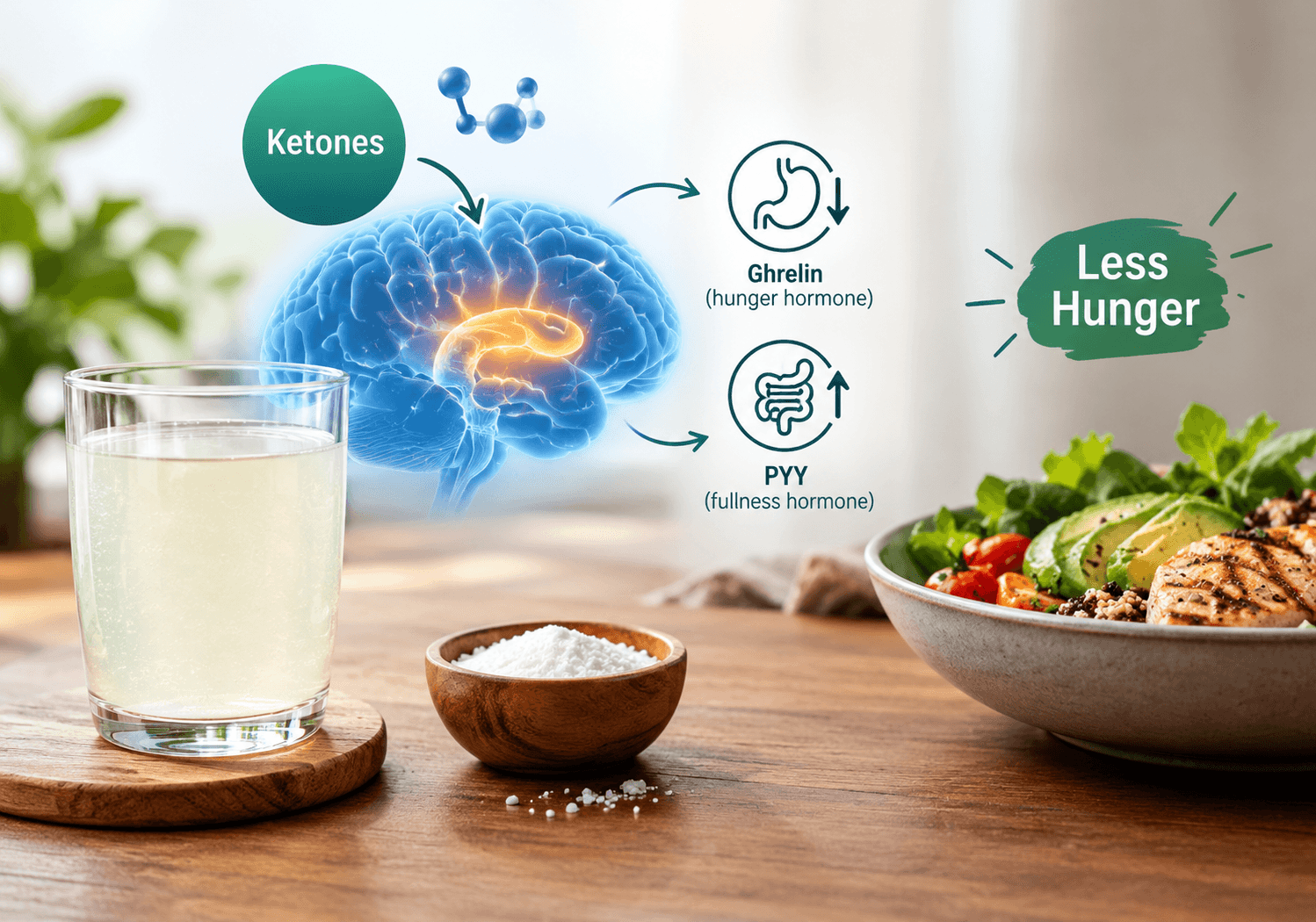
Beyond glucose, ketones directly affect gut hormones. As mentioned, ghrelin stimulates appetite. Another hormone, Peptide YY (PYY), promotes feelings of fullness. Some studies suggest that BHB supplementation can lower ghrelin levels and increase PYY levels.
A clinical trial involving healthy adults showed that drinking a ketone ester beverage significantly reduced subjective ratings of hunger and desire to eat compared to a placebo [2]. The participants reported feeling fuller for longer periods after consuming the ketones. This effect was observed even though they had not changed their overall diet immediately. This points to a direct physiological effect of the ketones themselves, not just the result of eating fewer carbs.
3. Enhanced Fat Oxidation
When your body is efficient at burning fat, it has access to a vast energy reserve. The average person has thousands of calories stored as body fat. In contrast, glycogen (stored carbs) only lasts for a day or so. When you are in a fat-burning state, your body can tap into these reserves easily.
Exogenous ketones may signal to your body that fuel is available. This can reduce the “panic” signal that drives hunger when glycogen stores are low. It helps bridge the gap during fasting windows or between meals. For athletes or active individuals, this means sustained energy without the constant need for refueling.
4. Psychological and Cognitive Benefits
Hunger is not just physical; it is mental. Brain fog and irritability often accompany hunger. Ketones are a highly efficient fuel for the brain. Many users report improved mental clarity and focus when taking exogenous ketones. When you feel mentally sharp and energized, you are less likely to engage in emotional eating or boredom snacking. This psychological boost can be a powerful tool in appetite control.

Types of Exogenous Ketone Supplements
Not all supplements are created equal. If you want to know can exogenous ketones suppress appetite, you must choose the right type. There are three main forms available on the market.
Ketone Salts
Ketone salts are the most common and affordable option. They consist of BHB bound to a mineral salt, such as sodium, calcium, magnesium, or potassium.
- Pros: Easy to find, cheaper, taste better than esters, provide electrolytes.
- Cons: Lower concentration of BHB per serving, can cause digestive upset due to high mineral load, may not raise blood ketones as high as esters.
- Best For: Beginners, those on a budget, people who need electrolyte support.
Ketone Esters
Ketone esters are BHB bound to an alcohol molecule. They are considered the “gold standard” for performance and rapid ketosis.
- Pros: Raise blood ketone levels very quickly and significantly, more potent appetite suppression potential, no extra minerals.
- Cons: Very expensive, taste unpleasant (often described as rotting fruit or nail polish remover), can cause stomach distress.
- Best For: Serious athletes, biohackers, those seeking maximum physiological effect regardless of cost or taste.
MCT Oil (Medium-Chain Triglycerides)
While not technically an exogenous ketone, MCT oil is often grouped with them. MCTs are fats that go straight to the liver and are rapidly converted into ketones.
- Pros: Natural food source, supports gut health, provides sustained energy, cheaper than esters.
- Cons: Raises ketones more slowly and to a lower level than salts or esters, high calorie content, can cause diarrhea if taken in large amounts initially.
- Best For: Daily maintenance, cooking, people who prefer whole-food approaches.
For appetite suppression specifically, ketone esters show the strongest data in clinical settings, but ketone salts are more practical for daily use by the general population. MCT oil is a good supportive tool but may not provide the immediate hunger-quelling effect of pure BHB.
Practical Application: How to Use Ketones for Hunger Control
Knowing the science is one thing; applying it is another. Here is how I recommend clients use exogenous ketones to manage appetite.
Timing Matters
The timing of your dose can influence its effectiveness.
- Morning Fasting Window: If you practice intermittent fasting, taking exogenous ketones in the morning can help extend your fast. They provide energy without breaking the fast in terms of insulin response (though technically they contain calories, they do not spike insulin like carbs). This can help you push through mid-morning hunger pangs.
- Pre-Workout: Taking them 30 minutes before exercise can provide fuel and reduce post-workout hunger. Often, people overeat after training because they feel depleted. Ketones can mitigate this feeling.
- Afternoon Slump: Many people crave sugar in the late afternoon. A dose of ketone salts around 3 PM can stabilize energy and reduce the urge for a sweet snack.
Dosage Guidelines
Start low and go slow. This is crucial to avoid gastrointestinal distress.
- Beginners: Start with half a serving of ketone salts. Assess tolerance.
- Standard Dose: Most products recommend 1-2 scoops (providing 5-10 grams of BHB).
- Advanced: Some protocols use higher doses, but this should be done under guidance.
Always mix ketone salts with plenty of water. Hydration is key because ketones have a diuretic effect, meaning they make you lose water and electrolytes.
Combining with Diet
Exogenous ketones are not a license to eat whatever you want. They work best when your overall diet supports low insulin levels.
- Low-Carb/Keto Diet: This is the ideal pairing. The supplements boost your ketone levels while your diet keeps insulin low.
- Intermittent Fasting: Use ketones to make fasting easier and more sustainable.
- Standard Diet: You may still see some appetite benefits, but they will be muted if you are consuming high amounts of carbohydrates. The carbs will raise insulin, which blocks fat burning and ketone utilization.

Common Mistakes to Avoid
Even with the best intentions, people make errors that reduce the effectiveness of exogenous ketones.
Mistake 1: Expecting Immediate Weight Loss
Ketones are not fat burners in the sense that they melt away body fat on their own. They are a fuel source. Weight loss still requires a calorie deficit. While exogenous ketones suppress appetite, helping you eat less, they do not directly increase your metabolic rate enough to cause significant weight loss without dietary changes. Do not rely on them as a standalone weight loss solution.
Mistake 2: Ignoring Electrolytes
Ketone salts contain minerals, but they may not be balanced for your needs. Additionally, as your body shifts to using ketones, it excretes more sodium. If you do not replenish sodium, potassium, and magnesium, you may feel worse, not better. Symptoms include headaches, fatigue, and cramps. Make sure you are salting your food and staying hydrated.
Mistake 3: Overconsumption
More is not better. Taking excessive amounts of exogenous ketones can lead to digestive issues like nausea, diarrhea, and stomach cramps. It can also be hard on the kidneys if you have pre-existing conditions. Stick to the recommended dosage on the label.
Mistake 4: Poor Quality Products
The supplement industry is loosely regulated. Many products contain fillers, artificial sweeteners, or very little actual BHB. Look for third-party testing certifications like NSF or Informed Choice. Read the label to see how much BHB is actually in each serving. Some brands list the weight of the salt, not the BHB, which is misleading.
Coach’s Tip: Keep a hunger journal. Track when you take your ketones, what you eat, and how hungry you feel on a scale of 1-10. This data will help you find your optimal timing and dosage. Everyone’s biology is different.
Who Should Be Careful?
While exogenous ketones are generally safe for healthy adults, they are not for everyone. Certain populations should exercise caution or avoid them entirely.
- People with Diabetes: Type 1 diabetics are at risk for diabetic ketoacidosis (DKA), a dangerous condition where ketone levels become dangerously high. Type 2 diabetics should consult their doctor, as ketones can affect blood sugar medication needs.
- Kidney Disease: High mineral loads from ketone salts can stress the kidneys. Those with kidney issues should avoid them or use only under medical supervision.
- Pregnant or Breastfeeding Women: There is limited research on the safety of exogenous ketones during pregnancy. It is best to avoid them unless approved by a healthcare provider.
- Individuals with Eating Disorders: Using supplements to suppress appetite can trigger or worsen disordered eating patterns. Focus on nourishing the body rather than suppressing natural signals.
Always talk to your doctor before starting any new supplement regimen, especially if you have chronic health conditions or take prescription medications.
Sample Routine for Appetite Management
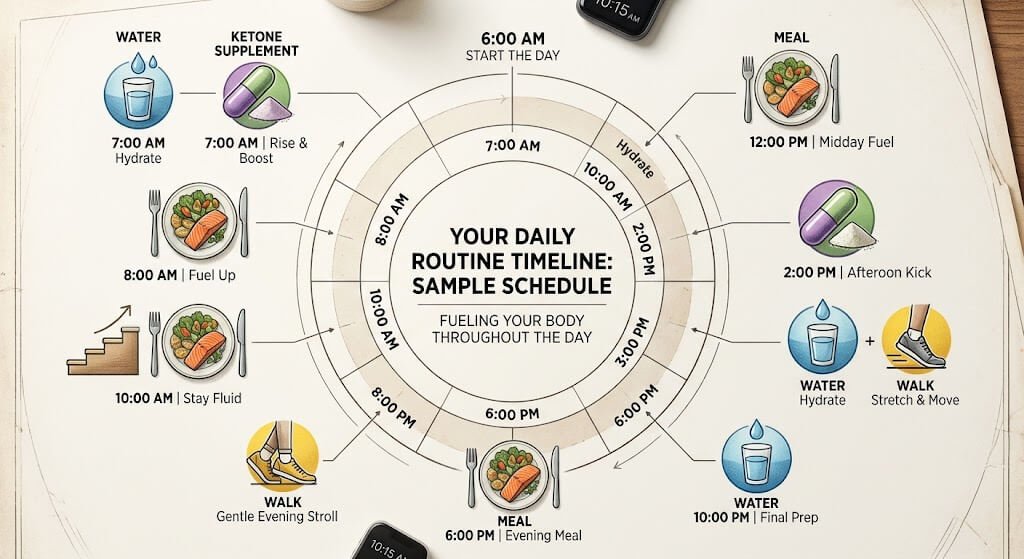
Here is a simple way to integrate exogenous ketones into a daily routine focused on hunger control and metabolic health.
Morning (7:00 AM):
- Wake up and drink 16 oz (500 ml) of water with a pinch of sea salt.
- Optional: Black coffee or tea.
- Take 1 scoop of ketone salts if fasting.
Mid-Morning (10:00 AM):
- If hungry, assess if it is true hunger or thirst. Drink water.
- If still hungry, consider a small snack high in fat and protein (e.g., handful of almonds).
Lunch (1:00 PM):
- Break fast with a low-carb meal. Focus on leafy greens, healthy fats (olive oil, avocado), and moderate protein.
- Avoid refined carbs to maintain stable blood sugar.
Afternoon (3:30 PM):
- Energy dip often occurs here.
- Take half a scoop of ketone salts or 1 tablespoon of MCT oil in water or tea.
- Go for a 10-minute walk to aid digestion and blood sugar control.
Dinner (7:00 PM):
- Balanced meal with vegetables, protein, and healthy fats.
- Stop eating 2-3 hours before bed to allow for overnight fasting.
Evening:
- Relax and hydrate. Avoid late-night snacking.
This routine uses ketones strategically to bridge gaps and stabilize energy, rather than relying on them constantly.
Alternatives to Exogenous Ketones
If exogenous ketones are too expensive or do not agree with your stomach, there are other ways to achieve similar appetite-suppressing effects.
1. Intermittent Fasting
Fasting naturally raises endogenous ketones. By restricting your eating window (e.g., 16 hours fasting, 8 hours eating), you allow your body to deplete glycogen and start burning fat. This leads to natural appetite regulation over time. It is free and highly effective.
2. High-Protein Diet
Protein is the most satiating macronutrient. It increases levels of satiety hormones like PYY and GLP-1 while reducing ghrelin. Aim for 0.7-1 gram of protein per pound of body weight. Studies consistently show that higher protein intake leads to reduced calorie consumption [3].
3. Fiber-Rich Foods
Soluble fiber absorbs water and forms a gel-like substance in the gut. This slows down digestion and promotes feelings of fullness. Foods like oats, flaxseeds, Brussels sprouts, and avocados are excellent sources. Fiber also feeds beneficial gut bacteria, which play a role in appetite regulation.
4. Adequate Sleep and Stress Management
Poor sleep increases ghrelin and decreases leptin. Chronic stress raises cortisol, which can drive cravings for high-calorie foods. Prioritizing 7-9 hours of quality sleep and practicing stress-reduction techniques like meditation or yoga can significantly improve appetite control without any supplements.
5. Hydration
Thirst is often mistaken for hunger. Drinking water before meals has been shown to reduce calorie intake. Aim for at least half your body weight in ounces of water daily. Adding electrolytes can help if you are active or on a low-carb diet.
Frequently Asked Questions
Do ketone supplements reduce cravings for sugar? Yes, many users report reduced sugar cravings. Ketones provide a steady energy source for the brain, reducing the urge for quick glucose fixes. Additionally, stabilizing blood sugar levels prevents the crashes that trigger sugar cravings. However, individual results vary, and dietary habits play a major role.
How long does it take for exogenous ketones to affect hunger? Most people feel the effects within 30 to 60 minutes after consumption. Blood ketone levels peak around this time. The appetite-suppressing effect may last for 2-4 hours, depending on the individual’s metabolism and the type of supplement used. Consistency is key for long-term benefits.
Are ketone salts better than esters for appetite control? Ketone esters raise blood ketone levels higher and faster, which may lead to stronger appetite suppression in clinical settings. However, ketone salts are more palatable and affordable for daily use. For most people, the convenience of salts makes them a better practical choice, even if the physiological effect is slightly milder.
Can you lose weight with exogenous ketones without a keto diet? It is possible but difficult. Exogenous ketones may help reduce appetite, leading to lower calorie intake. However, if you continue to eat high amounts of carbohydrates, your body will prioritize burning glucose over fat. Weight loss is most effective when ketones are combined with a calorie-controlled, low-carb, or ketogenic diet.
What is the best time to take BHB for appetite suppression? The best time is typically during periods when you are most likely to experience hunger or energy dips. This includes early morning during intermittent fasting, mid-afternoon to prevent snacking, or pre-workout to sustain energy. Experiment with timing to see what works best for your schedule and hunger patterns.
Do exogenous ketones have side effects? Common side effects include digestive issues like nausea, diarrhea, and stomach cramps, especially when starting. These often subside as the body adjusts. High mineral content in salts can affect blood pressure or kidney function in susceptible individuals. Always start with a low dose and consult a healthcare provider if you have concerns.
Conclusion
So, can exogenous ketones suppress appetite? The evidence suggests yes. By stabilizing blood sugar, influencing hunger hormones like ghrelin, and providing an efficient fuel source, exogenous ketones can be a valuable tool for managing hunger. They are particularly useful for those transitioning to a ketogenic diet, practicing intermittent fasting, or looking to curb afternoon cravings.
However, they are not a magic solution. They work best as part of a holistic approach that includes a nutritious diet, adequate hydration, regular exercise, and sufficient sleep. Choosing the right type of supplement, timing it correctly, and avoiding common mistakes will maximize their benefits.
Remember that sustainability is key. Find a routine that fits your lifestyle and listen to your body. If you have any underlying health conditions, always consult with a healthcare professional before adding new supplements to your regimen. With the right strategy, exogenous ketones can help you take control of your hunger and support your health goals.