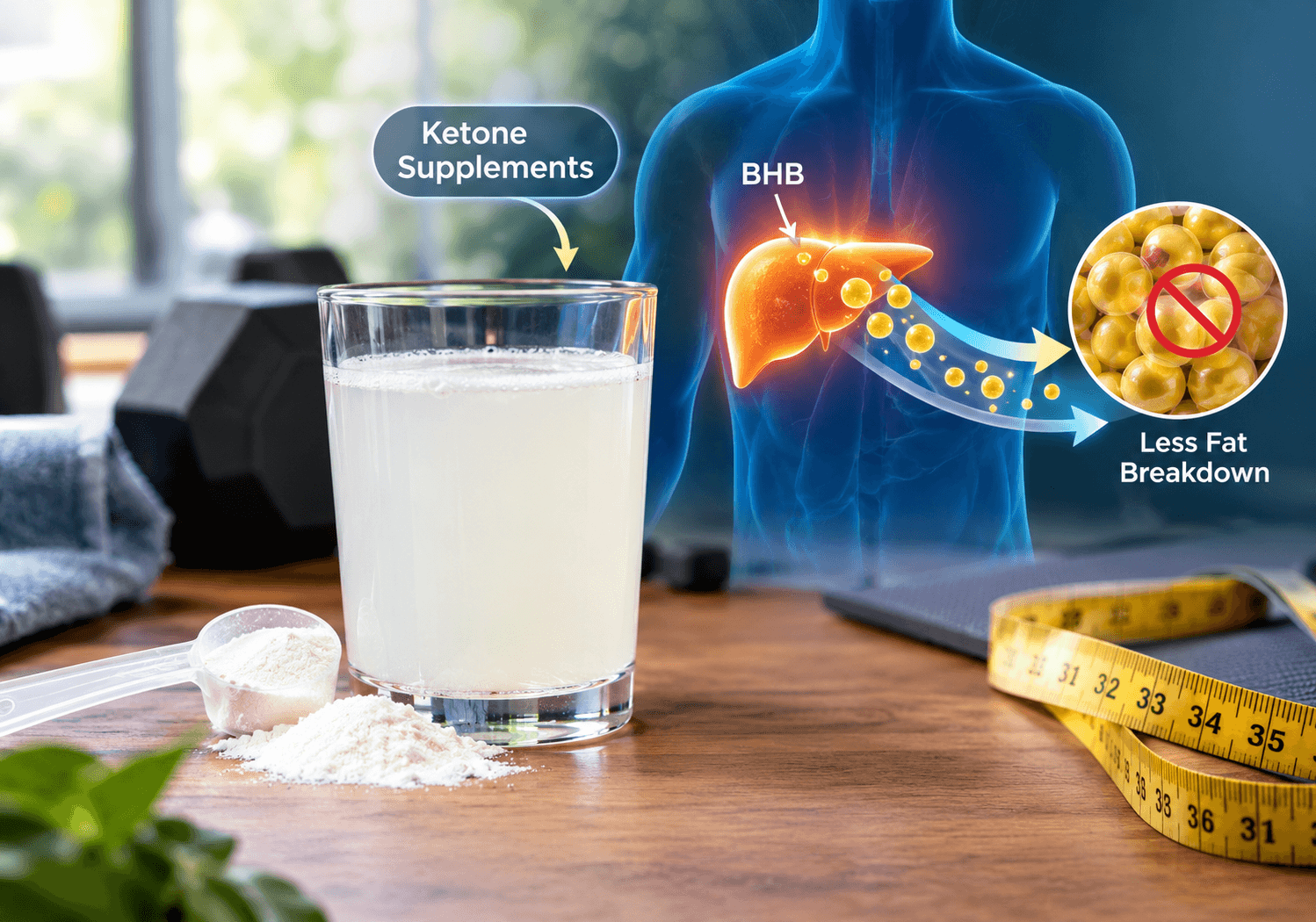
If you are navigating the crowded world of fitness and nutrition, you have likely seen bold claims about exogenous ketones. A common question among gym beginners and seasoned athletes alike is: do ketone supplements increase fat burning? The short answer is nuanced. While these supplements elevate blood ketone levels and can support workout performance or appetite control, research shows they do not directly accelerate the breakdown of stored body fat. In fact, they may temporarily pause your body’s natural fat-burning processes.
Understanding how these supplements interact with your metabolism is critical before you spend your hard-earned money. This guide breaks down the biochemistry, reviews the scientific literature, and provides practical, coach-approved strategies for using ketone supplements safely and effectively within a broader fat-loss plan.
Quick Answer
Do ketone supplements increase fat burning? No, exogenous ketone supplements do not directly increase fat burning. While they raise blood ketone levels and may suppress appetite or spare muscle glycogen during exercise, research indicates they actually decrease endogenous fat oxidation because the body prioritizes using the supplemented ketones for fuel instead of breaking down stored adipose tissue.
What the Research Says: Ketones and Fat Oxidation
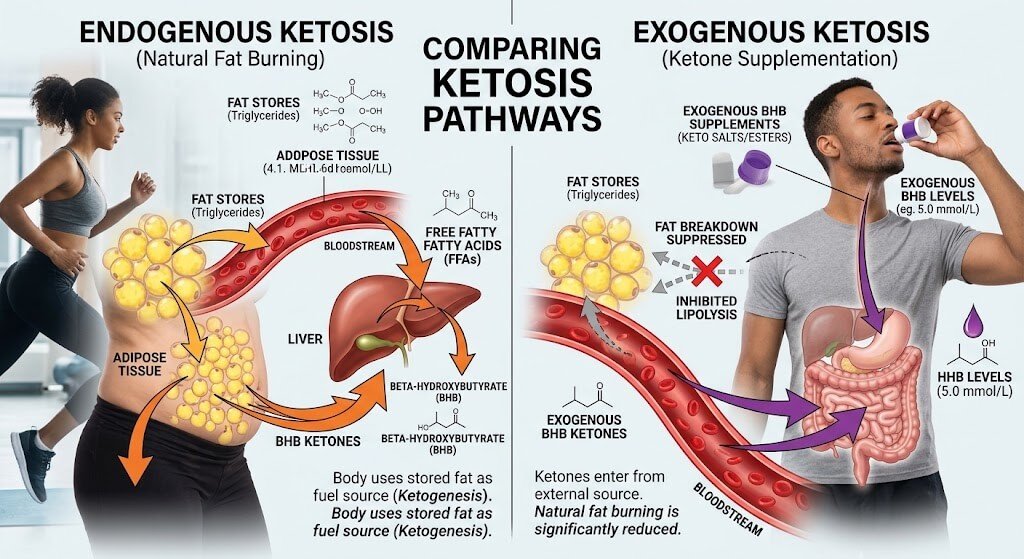
To understand whether ketone supplements aid fat loss, we must first distinguish between endogenous and exogenous ketones. Endogenous ketones are produced naturally by your liver when carbohydrate intake is severely restricted, such as during a well-formulated ketogenic diet or prolonged fasting. This metabolic state, known as nutritional ketosis, shifts your body’s primary fuel source from glucose to fatty acids and ketones.
Exogenous ketones, on the other hand, are consumed via supplements. They introduce beta-hydroxybutyrate (BHB) directly into your bloodstream, bypassing the liver’s production process.
The Fat Oxidation Paradox
A common misconception is that having high blood ketone levels automatically equals high fat burning. However, human metabolism does not work this way. When you consume exogenous ketones, your body recognizes an abundant, readily available fuel source.
According to research published in the Journal of Physiology, exogenous ketone supplementation significantly decreases endogenous fat oxidation and lipolysis (the breakdown of fat) [1]. The body prefers to burn the circulating exogenous ketones first. Furthermore, the ingestion of these supplements, particularly ketone salts, can trigger a mild insulin response or alter substrate availability, which further signals the body to halt the release of fatty acids from adipose tissue.
Therefore, if your primary goal is maximizing direct fat oxidation during a specific window, taking exogenous ketones is counterproductive. However, this does not mean they are entirely useless for weight management. Their value lies in secondary effects, such as appetite suppression and glycogen sparing, which can indirectly support a caloric deficit over time.
Types of Ketone Supplements: A Detailed Breakdown
Not all ketone supplements are created equal. They fall into three primary categories, each with distinct chemical properties, costs, and physiological effects. Understanding these differences is vital for making an informed purchasing decision.
1. Ketone Salts (BHB Salts)
Ketone salts bind the BHB molecule to a mineral, typically sodium, potassium, calcium, or magnesium. They are the most common and affordable option on the market, usually sold in powder form.
- Key Features: Readily available, relatively inexpensive, easy to mix.
- The Catch: To achieve a meaningful dose of BHB (e.g., 10–12 grams), you must consume a massive amount of minerals. For example, a standard serving might contain over 1,000 mg of sodium.
- Best For: Individuals looking for a mild cognitive boost or electrolyte replenishment during low-carb adaptation, rather than aggressive fat loss.
2. Ketone Esters
Ketone esters link the BHB molecule to an alcohol ester. This is the form most frequently used in clinical research and by elite endurance athletes.
- Key Features: Highly bioavailable, rapidly elevates blood BHB levels (often >3.0 mmol/L), does not carry a heavy mineral load.
- The Catch: They are notoriously expensive (often 5–10 per serving) and have a notoriously harsh, chemical-like taste that many find difficult to tolerate.
- Best For: Elite athletes seeking glycogen-sparing effects during prolonged endurance events (e.g., marathon running or cycling over 2 hours).
3. MCT Oil (Medium-Chain Triglycerides)
While not a direct ketone, MCT oil is a precursor. It contains fatty acids (specifically C8 caprylic acid and C10 capric acid) that travel directly to the liver via the portal vein, where they are rapidly converted into endogenous ketones.
- Key Features: Natural food-based source, supports gradual ketone production, provides a steady stream of energy.
- The Catch: High doses can cause significant gastrointestinal distress, including cramping and diarrhea, if introduced too quickly.
- Best For: Beginners wanting to support mild ketosis and satiety without the high cost or harsh taste of esters.
| Supplement Type | Primary Ingredient | Typical BHB Elevation | Cost per Serving | Best Use Case |
| Ketone Salts | BHB bound to Na/K/Ca/Mg | Low to Moderate (0.5–1.5 mmol/L) | $1.50 – $3.00 | Electrolyte support, mild cognitive boost |
| Ketone Esters | BHB bound to an ester | High (2.0–5.0+ mmol/L) | $5.00 – $10.00+ | Elite endurance performance, glycogen sparing |
| MCT Oil | C8/C10 Fatty Acids | Low to Moderate (depends on liver conversion) | $0.50 – $1.50 | Daily dietary fat source, gradual ketone support |
How to Apply It: Practical Steps for Fitness Goals
As a strength and conditioning coach, I advise clients to view supplements as tools, not magic solutions. If you choose to incorporate ketone supplements into your regimen, proper dosing, timing, and progression are essential to avoid side effects and maximize any potential benefits.
Step 1: Establish Your Baseline and Goal
Before buying any supplement, ensure your foundational nutrition is dialed in. Fat loss requires a sustained caloric deficit. Supporting healthy glucose metabolism through whole foods and consistent training is far more impactful than any exogenous ketone [2]. If you are already in a caloric deficit and want to explore ketones for appetite control or workout energy, proceed to step 2.
Step 2: Choose Your Regression or Progression
- Regression (Easier/Beginner): Start with MCT oil. Begin with 1 teaspoon (5 ml) per day mixed into coffee or a smoothie. Gradually increase to 1 tablespoon (15 ml) over two weeks to assess gastrointestinal tolerance.
- Progression (Harder/Advanced): If you are an endurance athlete training for events lasting over 90 minutes, consider ketone esters. Consume 10–15 grams (roughly 1 oz or 30 ml, depending on the brand’s concentration) approximately 30 minutes before your long training session.
Step 3: Timing and Dosing Guidelines
- For Appetite Suppression: Take 5–10 grams of BHB salts mid-morning or during your typical afternoon craving window. This can help blunt hunger hormones, making it easier to stick to your daily caloric target.
- For Workout Performance: Consume your chosen supplement 30–45 minutes before training. Note that for resistance training, carbohydrates are generally superior for maximizing power output and muscle hypertrophy. Ketones are better suited for steady-state, low-to-moderate intensity cardio where fat adaptation is the goal.
COACH’S TIP: Hydration is non-negotiable when using ketone supplements, especially salts. The high sodium content can alter your fluid balance. Drink at least 16–20 oz (470–590 ml) of water with your supplement, and monitor your total daily electrolyte intake to prevent bloating or elevated blood pressure.
COMMON MISTAKE: Assuming ketone supplements replace a ketogenic diet. Taking BHB salts while eating a high-carbohydrate, high-calorie diet will not put you into ketosis, nor will it burn fat. The exogenous ketones will simply be burned off as expensive urine, while your body continues to store dietary fat.
Safety Notes and Who Should Be Careful
While generally recognized as safe for healthy adults, ketone supplements are not appropriate for everyone. Always prioritize safety and consult a healthcare provider before starting any new supplement regimen.
- Gastrointestinal Distress: The most frequently reported side effect is stomach upset, nausea, or diarrhea. This is dose-dependent. Always start with a half-serving to assess tolerance.
- Electrolyte Imbalance: Ketone salts are heavily loaded with minerals. Individuals with hypertension, kidney disease, or those on sodium-restricted diets should avoid BHB salts or seek medical clearance first.
- Pregnancy and Breastfeeding: There is insufficient research on the safety of exogenous ketones during pregnancy or lactation. Avoid use unless explicitly directed by an obstetrician.
- Type 1 Diabetes: Individuals with Type 1 diabetes are at risk for diabetic ketoacidosis (DKA), a dangerous condition. While exogenous ketones do not cause DKA on their own, they can complicate blood glucose and ketone monitoring, leading to dangerous confusion.
Related Tips: Optimizing Your Metabolic Environment
If your ultimate goal is sustainable fat loss and improved body composition, ketone supplements should only be a tiny piece of the puzzle. Consider these evidence-based strategies to build a robust metabolic foundation.
Support Metabolic Flexibility
Metabolic flexibility is your body’s ability to efficiently switch between burning carbohydrates and burning fat for fuel. Improving insulin sensitivity is a cornerstone of this process [3]. You can support this through regular resistance training, adequate sleep, and consuming fiber-rich whole foods.
Enhance Workout Performance Naturally
If you are using ketones to improve your training output, consider pairing your nutritional strategy with compounds that support circulation. For example, many athletes use L-citrulline to produce nitric oxide, which dilates blood vessels and improves nutrient delivery to working muscles [4]. When evaluating vasodilators, comparing L-arginine vs L-citrulline for blood flow often reveals that citrulline is more effective at sustaining elevated arginine levels in the bloodstream over time [5].
Maintaining healthy blood vessel function ensures that oxygen and nutrients reach your skeletal muscle efficiently, which is critical whether you are fueled by glucose or ketones [6]. Furthermore, optimizing overall blood flow can enhance recovery between sets and reduce perceived exertion during cardiovascular sessions [7].
FAQ: Ketone Supplements and Fat Burning
Do exogenous ketones help you lose weight? Exogenous ketones do not directly burn stored fat. However, they may indirectly support weight loss by suppressing appetite and reducing overall calorie intake. Without a caloric deficit, they will not cause weight loss.
Are ketone salts effective for fat loss? Ketone salts are not highly effective for direct fat loss. Research shows they decrease endogenous fat oxidation. Their primary benefit is providing a quick source of energy and electrolytes, which may help you adhere to a low-carb diet.
How do ketone esters affect metabolism? Ketone esters rapidly elevate blood BHB levels, providing a highly efficient alternative fuel source for the brain and muscles. This can spare muscle glycogen during endurance exercise, but it temporarily halts the body’s natural breakdown of stored fat.
Can you burn fat while taking ketone supplements? Technically, your body’s rate of fat burning (lipolysis and fat oxidation) decreases when exogenous ketones are present in the bloodstream, as the body prioritizes using the supplemented fuel first.
Do ketone pills work without a keto diet? Ketone pills will raise your blood ketone levels temporarily, even on a high-carb diet. However, they will not induce the metabolic benefits of nutritional ketosis, and they will not burn fat if you are consuming excess calories.
What are the side effects of ketone supplements? The most common side effects are gastrointestinal distress (nausea, cramping, diarrhea), especially at high doses. Ketone salts can also cause bloating and a significant increase in sodium intake, which may affect blood pressure.
Conclusion
So, do ketone supplements increase fat burning? The scientific evidence is clear: they do not. In fact, introducing exogenous ketones into your system temporarily pauses your body’s natural fat-burning mechanisms because it prioritizes the readily available supplemental fuel.
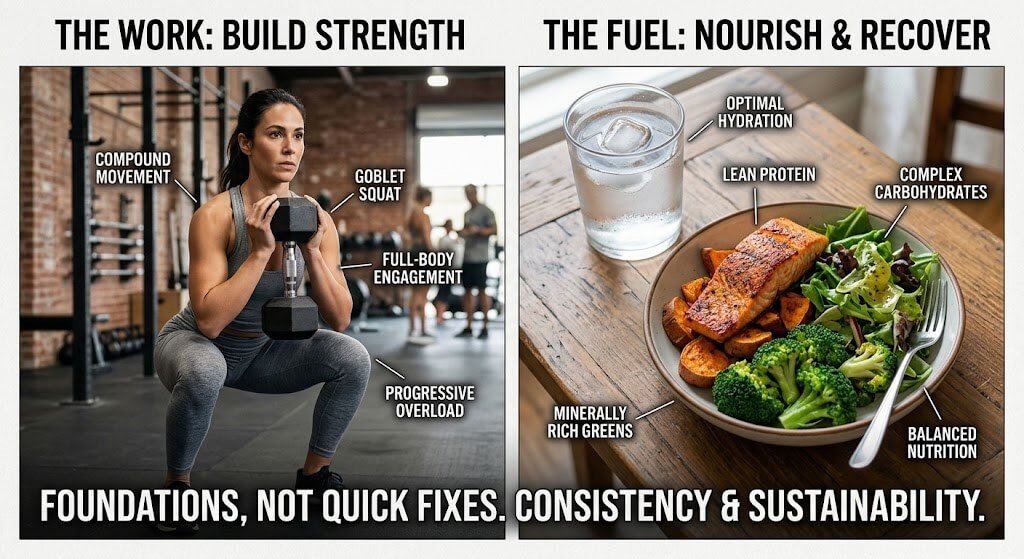
However, this does not mean they are entirely without value. For specific use cases—such as suppressing appetite to maintain a caloric deficit, or sparing glycogen during prolonged endurance events—they can be a useful tool. For the average gym-goer or home gym owner focused on fat loss, your time and money are better spent mastering the fundamentals: maintaining a consistent caloric deficit, prioritizing protein intake, and following a structured resistance training program.
If you choose to experiment with ketone supplements, start with a low dose of MCT oil or a half-serving of BHB salts to assess tolerance, stay hydrated, and never view them as a replacement for sound nutritional habits.