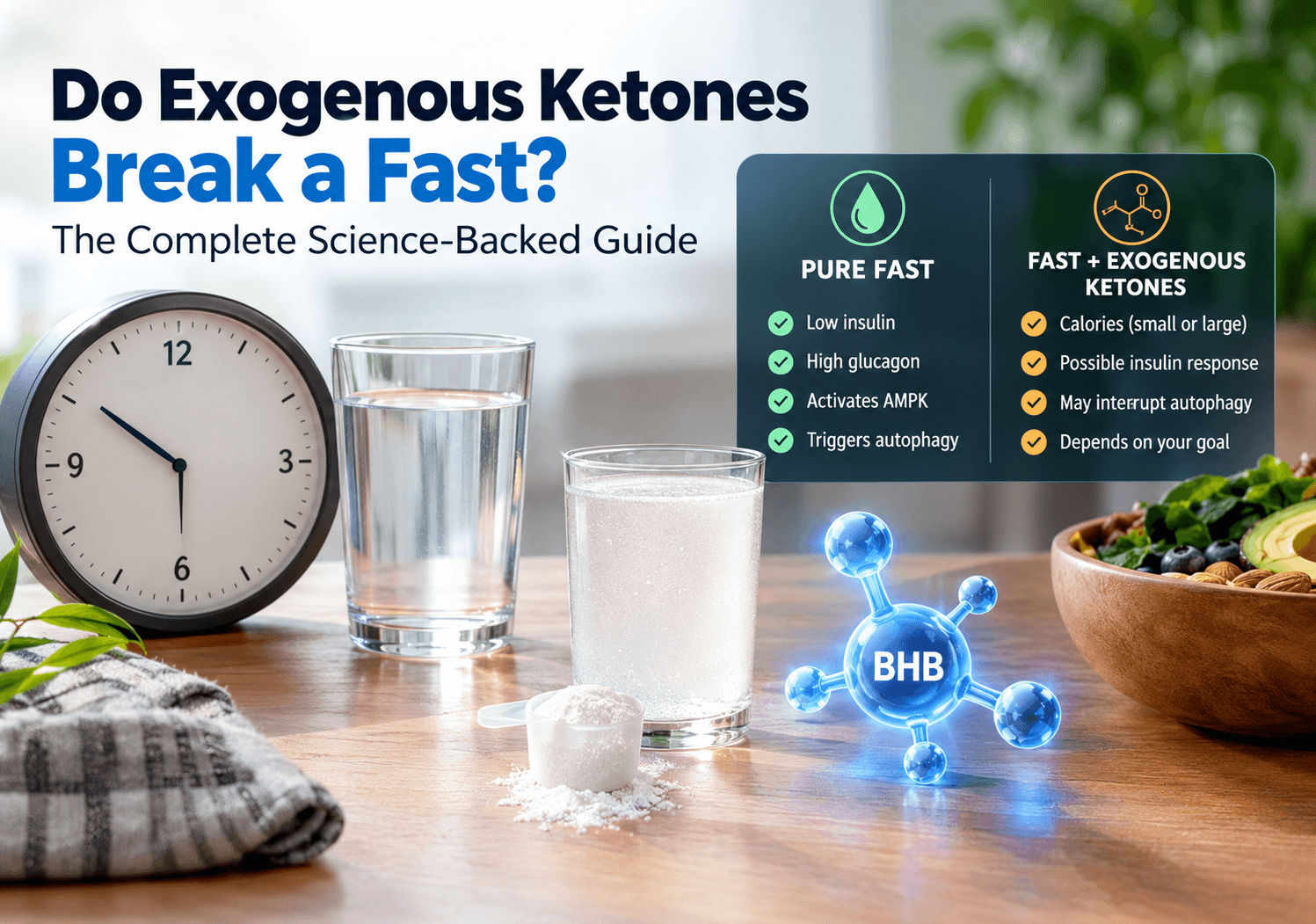
If you are practicing intermittent fasting, you have likely asked yourself: do exogenous ketones break a fast? The answer is not a simple yes or no. It depends entirely on your specific fasting goals, the type of ketone supplement you are using, and how your body metabolizes it. Understanding the biochemical impact of these supplements is crucial for optimizing your health, weight loss, and cellular repair. As a strength and conditioning coach, I see many clients reach for ketone powders to suppress hunger or boost workout energy, only to wonder if they are undoing their hard work. Let us break down the science so you can make an informed, evidence-based decision.
Quick Answer
Yes, exogenous ketones technically break a fast because they contain calories and can trigger a minor insulin response. However, if your primary goal is weight loss or maintaining ketosis, they may not disrupt your metabolic progress. For strict autophagy or gut rest, it is best to avoid them entirely and stick to water and electrolytes.
Do Exogenous Ketones Break a Fast? The Scientific Breakdown
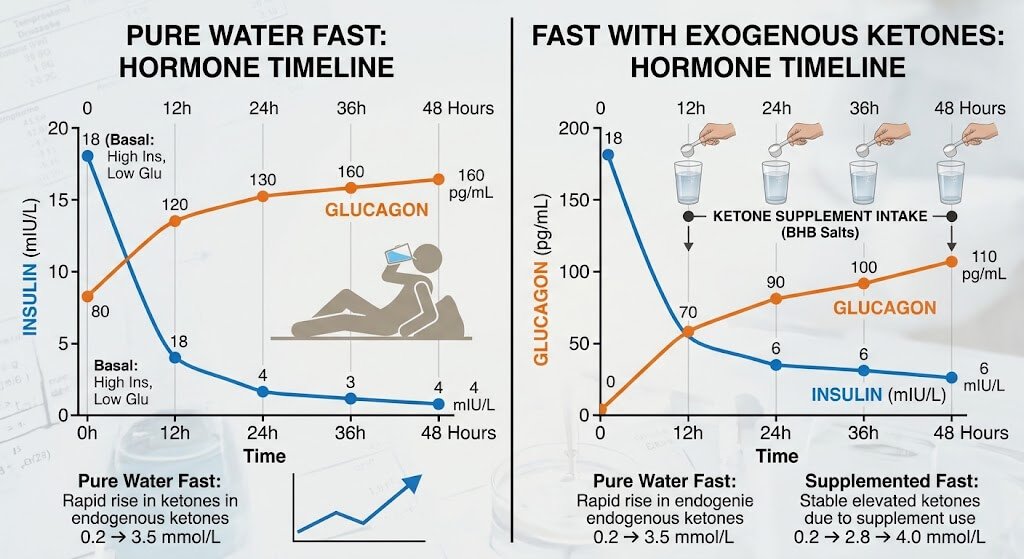
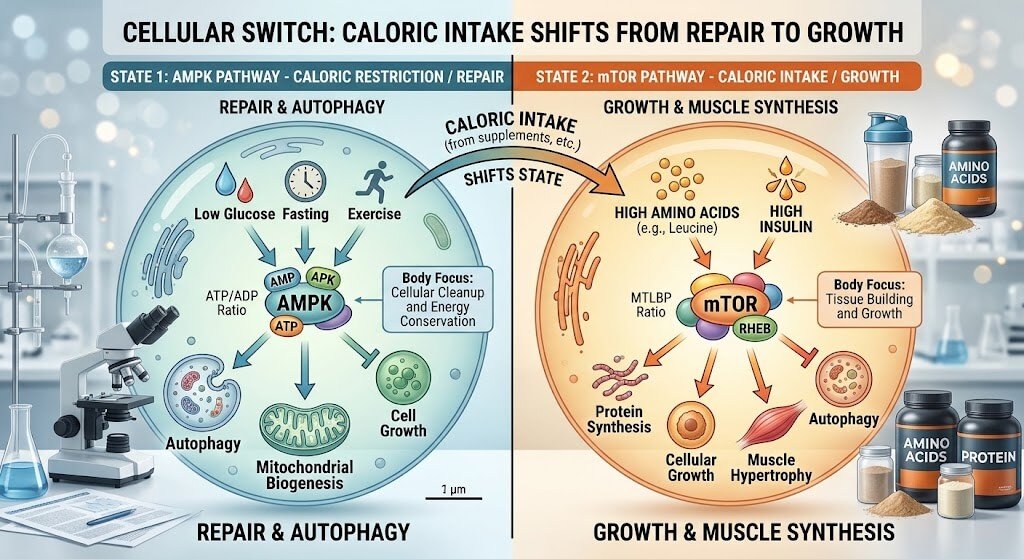
To understand whether a supplement breaks a fast, we must first define what a “fasted state” actually is. Fasting is not merely the absence of food; it is a distinct metabolic shift. When you stop consuming calories, your body depletes its liver glycogen stores. In response, insulin levels drop, and glucagon levels rise. This hormonal shift activates AMP-activated protein kinase (AMPK), a cellular energy sensor, and suppresses the mechanistic target of rapamycin (mTOR) pathway, which is responsible for cell growth and proliferation.
According to research published in the New England Journal of Medicine, this suppression of mTOR and activation of AMPK is what triggers autophagy, the body’s cellular cleanup process where damaged cells are recycled for energy [1].
Exogenous ketones, primarily in the form of beta-hydroxybutyrate (BHB), are supplements designed to elevate blood ketone levels without requiring your body to produce them from fat. When you ingest BHB, your blood ketone levels rise rapidly. However, the act of ingesting any caloric substance initiates a metabolic response.
A study in Frontiers in Physiology notes that while BHB itself does not significantly stimulate insulin secretion, the delivery mechanism matters [2]. BHB salts are bound to minerals like sodium, potassium, calcium, and magnesium. The ingestion of these minerals, along with any minor fillers or flavorings in the supplement, can provoke a slight cephalic phase insulin response or minor digestive activity. Therefore, from a strict biochemical standpoint, consuming exogenous ketones interrupts the pure, zero-calorie fasted state.
Types of Exogenous Ketones and Their Fasting Impact
Not all ketone supplements are created equal. The degree to which they disrupt your fast depends on their chemical structure and caloric density.
| Ketone Type | Typical Calories per Serving | Insulin Response | Autophagy Impact | Best Used For |
| BHB Salts | 40–60 kcal | Low to Moderate | Likely interrupts | Appetite suppression, mild energy boost during a fast |
| Ketone Esters | 100–150 kcal | Low | Likely interrupts | Athletic performance, deep ketosis (not strict fasting) |
| MCT Oil | 120 kcal per tbsp | Low | Likely interrupts | Coffee additive, sustained energy, gut health (breaks fast) |
| Pure Electrolytes | 0 kcal | None | None | Strict fasting, hydration, cramp prevention |
BHB Salts: These are the most common and affordable. They contain BHB bound to a mineral salt. While the BHB itself is minimally insulinogenic, the caloric content (usually around 40 to 60 calories per serving) and the mineral load mean they technically break a fast.
Ketone Esters: These are raw, unbound BHB molecules. They are highly potent and raise blood ketones faster than salts, but they are also more caloric (often over 100 calories per serving) and taste notoriously unpleasant. They are designed for performance, not fasting preservation.
MCT Oil: Medium-chain triglycerides are fats that the liver rapidly converts into ketones. However, fat is highly caloric (9 calories per gram). Consuming MCT oil definitively breaks a caloric fast, even if it does not spike blood sugar.
Do Exogenous Ketones Break a Fast for Autophagy and Weight Loss?
The answer to “do exogenous ketones break a fast?” changes depending on your primary objective. Fasting is a tool, and like any tool, its application depends on the desired outcome.
Goal 1: Weight Loss and Fat Adaptation
If your main goal is weight loss, the strictness of your fast is less critical than your overall caloric deficit and metabolic flexibility. Research in the journal Obesity highlights that intermittent fasting aids weight loss primarily through caloric restriction and improved hormonal balance [4].
In this context, taking a 50-calorie BHB salt supplement might technically break the fast, but it will not derail your weight loss. In fact, by suppressing ghrelin (the hunger hormone) and providing a mental energy boost, exogenous ketones may help you extend your fasting window comfortably. The minor caloric intake is negligible compared to the benefit of avoiding a binge-eating episode.
Goal 2: Autophagy and Cellular Repair
If you are fasting for longevity, disease prevention, or autophagy, the rules are much stricter. Autophagy is highly sensitive to nutrient sensing pathways. The mTOR pathway is inhibited by fasting and activated by amino acids and, to some extent, caloric intake.
While pure BHB might not directly activate mTOR as strongly as protein does, the accompanying calories and digestive processes signal to the body that nutrients are available. Current consensus among fasting researchers suggests that to maximize autophagy, you should consume zero calories. Therefore, exogenous ketones will likely blunt or pause the autophagic process.
Goal 3: Gut Rest and Digestive Recovery
Many people fast to give their digestive system a break, reduce bloating, or manage conditions like irritable bowel syndrome (IBS). The moment you swallow a ketone powder or oil, your stomach begins producing acid, and your gallbladder releases bile to emulsify the fats or process the minerals. This digestive activity completely negates the goal of gut rest. For this purpose, only water, plain black coffee, or unflavored tea is acceptable.
How to Apply It: Practical Steps for Fasting with Ketones
If you decide that the benefits of exogenous ketones outweigh the strict definition of a fast for your goals, proper application is key. As a coach, I recommend a structured approach to avoid digestive distress and maximize the metabolic return.
Dosing and Timing
- Dosage: Start with a half serving, approximately 5 to 7 grams of BHB. Assess your tolerance before moving to a full serving of 10 to 15 grams.
- Timing: Consume your ketone supplement 30 to 45 minutes before a fasted workout. This allows blood ketone levels to peak right as you begin training, providing a clean, non-jittery energy source.
- Hydration: Mix the supplement in 16 to 32 ounces (473 to 946 ml) of water. The mineral load in BHB salts requires adequate water for proper absorption and to prevent stomach cramps.
Coach’s Tip:
If you are using BHB salts to get through a fasted workout, take them 30 to 45 minutes before you train. Start with a half serving (about 5 to 7 grams) to assess your stomach’s tolerance, as the mineral load can cause digestive upset on an empty stomach. Always prioritize hydration alongside the supplement.
Common Mistake:
Many people assume all “keto” supplements are fasting-friendly. Ketone gummies, bars, or powders with added maltodextrin, sugar, or artificial sweeteners will absolutely spike your insulin and break your fast. Always read the nutrition label for hidden carbohydrates and unnecessary fillers.
Regression and Progression
- Regression (Easier): If you are new to fasting or experience stomach upset from BHB salts, skip the exogenous ketones entirely. Stick to water, black coffee, and a basic, zero-calorie electrolyte blend (sodium, potassium, magnesium) to manage hunger and hydration. This preserves a strict fast while preventing headaches.
- Progression (Harder): Once you are fully fat-adapted and tolerate salts well, you can experiment with ketone esters (10 to 15 grams) 45 minutes before a high-intensity session. While this technically breaks a strict fast, it provides a profound cognitive and physical performance boost for advanced athletes who prioritize output over strict autophagy.
Safety Notes and Who Should Be Careful
While exogenous ketones are generally recognized as safe for healthy adults, they are not appropriate for everyone. Fasting combined with supplementation introduces specific physiological stresses that require caution.
- Kidney Issues: BHB salts are heavily loaded with sodium, potassium, calcium, and magnesium. Individuals with chronic kidney disease or those on potassium-sparing diuretics must consult a physician before using these supplements, as the mineral load can be dangerous.
- Type 1 Diabetes: Individuals with type 1 diabetes are at risk for diabetic ketoacidosis (DKA). While nutritional ketosis is distinct from DKA, adding exogenous ketones to a fasted state can complicate blood sugar and ketone monitoring. Medical supervision is mandatory.
- Pregnancy and Breastfeeding: Fasting and aggressive supplementation are not recommended during pregnancy or lactation due to the increased caloric and nutrient demands of fetal development and milk production.
- Gastrointestinal Sensitivity: The osmotic effect of mineral salts can draw water into the intestines, leading to diarrhea or cramping, especially on an empty stomach.
Always consult with a doctor or registered dietitian before starting a new fasting protocol or supplement regimen, especially if you have pre-existing health conditions.
Related Tips: Maximizing Your Fasting Protocol
To get the most out of your fasting window, consider these evidence-based strategies that complement your metabolic goals without breaking your fast.
Prioritize Electrolytes: The most common reason people fail a fast is not hunger, but electrolyte imbalance, which manifests as headaches, fatigue, or muscle cramps. Supplementing with pure sodium, potassium, and magnesium maintains cellular function and supports healthy blood vessel function by ensuring proper vascular tone and hydration.
Optimize the Feeding Window: Fasting is only half the equation. What you eat when you break your fast dictates your long-term success. Fasting is well-documented to improve insulin sensitivity, making your cells more responsive to nutrients. To capitalize on this, focus on whole foods, adequate protein, and healthy fats. During your feeding window, supporting optimal glucose metabolism can help maintain the metabolic benefits you earned while fasting.
Support Post-Fast Recovery: If you train in a fasted state, your post-workout nutrition is critical. Many athletes research how L-citrulline helps produce nitric oxide to enhance their post-fast workout recovery and muscle pumps when they finally consume carbohydrates and protein. Understanding the broader nitric oxide benefits for men’s health can also help you optimize training adaptations after a fasted state.
Address Systemic Health: Chronic poor dietary habits can lead to poor blood circulation, which fasting and metabolic conditioning aim to reverse. Maintaining robust blood vessel health is a systemic benefit of reducing chronic inflammation through proper fasting protocols. When planning your feeding window supplements, understanding the difference between L-arginine vs L-citrulline for blood flow can help you choose the right support for your active lifestyle.
Frequently Asked Questions (FAQ)
1. Do BHB salts break a fast?
Yes, technically. BHB salts contain calories (usually 40–60 per serving) and minerals that trigger a minor digestive and insulin response. While they may not ruin weight loss goals, they will interrupt a strict fast aimed at autophagy or gut rest.
2. Can I take exogenous ketones during a 16:8 fast?
You can, but it depends on your goal. If you are doing 16:8 for weight management and appetite control, a small dose of BHB salts may help you reach the 16-hour mark comfortably. If you are doing it for strict cellular repair, stick to water and black coffee.
3. Do ketone esters break autophagy?
Yes. Ketone esters are highly caloric (often over 100 calories per serving). Consuming them provides the body with an external energy source, which signals nutrient availability and halts the AMPK activation required for deep autophagy.
4. How many calories are in a typical serving of exogenous ketones?
A standard serving of BHB salts contains between 40 and 60 calories. Ketone esters are more energy-dense, typically ranging from 100 to 150 calories per serving, depending on the brand and formulation.
5. Will exogenous ketones kick me out of ketosis?
No, they will actually raise your blood ketone levels temporarily. However, if the supplement contains hidden sugars or carbohydrates, it could spike your insulin and eventually hinder your body’s ability to produce its own endogenous ketones.
6. Are there any fasting-safe alternatives to exogenous ketones?
Yes. Zero-calorie electrolyte supplements (containing only sodium, potassium, and magnesium without sweeteners or fillers), plain black coffee, and green tea are completely fasting-safe. They provide energy and hydration without triggering an insulin response.
Conclusion
Ultimately, the question of do exogenous ketones break a fast depends on your primary health objective. From a strict biochemical perspective, the caloric content and minor insulin response of BHB salts and ketone esters mean they do break a fast. If your goal is maximum autophagy or complete digestive rest, you should avoid them and rely on water and pure electrolytes. However, if your goal is weight loss, appetite suppression, or enhanced workout performance, a carefully dosed ketone supplement can be a valuable tool that does not derail your overall metabolic progress. Always listen to your body, read labels carefully, and align your supplement choices with your specific health goals.