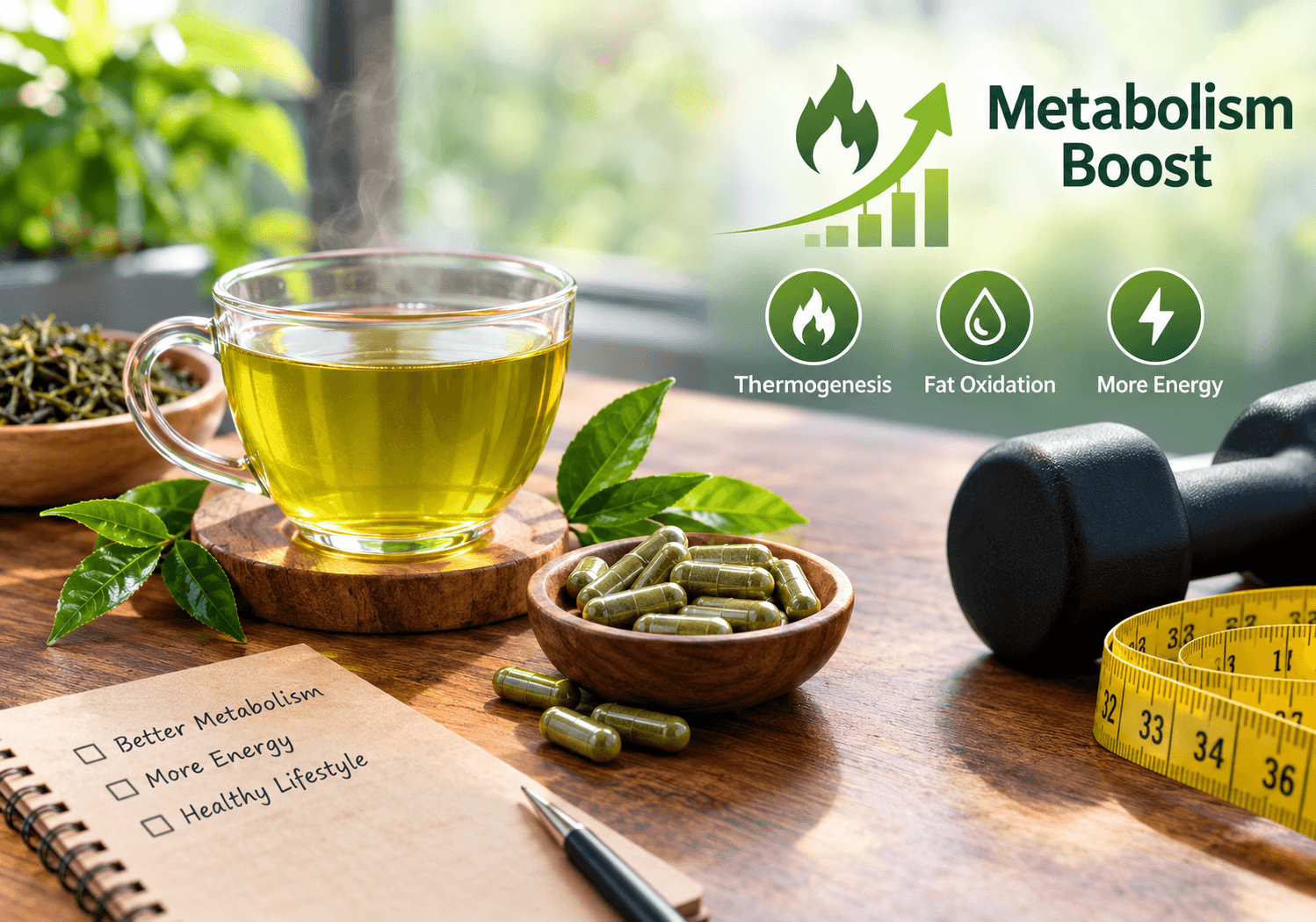
If you are wondering, “Does green tea extract increase metabolism?” the short answer is yes, but with important, evidence-based caveats. Research shows that green tea extract can provide a modest boost to your resting metabolic rate and enhance fat oxidation, especially when paired with consistent exercise. As a strength and conditioning coach, I see many clients reach for supplements hoping for a magic fix. The truth is, green tea extract is a tool, not a miracle. It works best when you understand the physiological science, dose it correctly, and combine it with solid training and nutrition habits. Let us break down exactly how it works, what the clinical data says, and how you can apply it safely to your fitness routine.
Quick Answer
Yes, green tea extract can increase metabolism by about 3–4% over 24 hours. The active compounds, EGCG and caffeine, work together to enhance thermogenesis and fat oxidation. However, the calorie burn is modest (around 75–100 extra calories per day). It works best as a supplement to a structured diet and exercise program, not as a standalone weight-loss solution.
Does Green Tea Extract Increase Metabolism? The Science Explained
To understand how this supplement works, we have to look at the biochemistry of your body. Green tea is derived from the leaves of the Camellia sinensis plant. While brewed green tea is healthy, green tea extract is a concentrated form that delivers a much higher dose of the active compounds responsible for metabolic changes.
The Role of EGCG and Caffeine
The primary driver of green tea’s metabolic effects is a type of antioxidant called catechins. The most abundant and potent catechin is epigallocatechin gallate, commonly known as EGCG
pmc.ncbi.nlm.nih.gov
. EGCG does not work alone. It shares a powerful synergy with caffeine, which is naturally present in green tea.
Caffeine is a well-known central nervous system stimulant. It blocks adenosine receptors in the brain, which increases alertness and stimulates the release of neurotransmitters like norepinephrine
www.sciencedirect.com
. Norepinephrine is a hormone that sends direct signals to your fat cells, instructing them to break down stored triglycerides into free fatty acids so they can be used as energy
www.mdpi.com
.
COMT Enzyme Inhibition: The Secret Mechanism
Here is where EGCG becomes the star of the show. Your body naturally produces an enzyme called catechol-O-methyltransferase (COMT). The primary job of the COMT enzyme is to break down and deactivate norepinephrine. If norepinephrine is deactivated quickly, the fat-burning signal shuts off.
Research indicates that EGCG actively inhibits the COMT enzyme
www.mdpi.com
. By blocking COMT, EGCG allows norepinephrine to remain active in your system for a longer period. This prolonged activity amplifies and extends the fat-burning signal initiated by caffeine. This dual-action mechanism is why green tea extract is frequently studied for its effects on diet-induced thermogenesis and energy expenditure
pubmed.ncbi.nlm.nih.gov
.
Impact on Appetite and Ghrelin
Beyond burning calories, metabolism is also influenced by energy intake. Some clinical trials suggest that high-dose green tea extract may influence appetite-regulating hormones. For example, one study found that supplementation significantly reduced ghrelin levels, which is the primary hormone responsible for signaling hunger to the brain
www.drugs.com
. While this effect is not as potent as dedicated appetite suppressants, it may help some individuals maintain a caloric deficit more comfortably.
The Numbers: Metabolism Boost in Calories and Percentages
It is crucial to set realistic expectations. Green tea extract will not melt fat overnight. The metabolic boost it provides is statistically significant in clinical settings, but modest in real-world, day-to-day calorie math.
Based on a synthesis of peer-reviewed meta-analyses and clinical trials, here is what you can realistically expect from a standardized green tea extract protocol:
| Metric | Placebo / Baseline | Green Tea Extract (GTE) | Real-World Difference |
| Resting Metabolic Rate (RMR) | 0% increase | ~3% to 4% increase | +75 to 100 kcal per day |
| Fat Oxidation During Exercise | Baseline rate | +17% to 25% increase | Enhanced calorie burn during activity |
| Total Daily Energy Expenditure | Baseline | +80 to 100 kcal | Modest but consistent over time |
| Thermogenesis Contribution | 8–10% of daily EE | Increased by 35–43% | Adds roughly 75–100 kcal to daily burnwww.ncbi.nlm.nih.gov |
Note: These numbers assume a standardized dose of approximately 270–400 mg of EGCG combined with 100–150 mg of caffeine, taken consistently
www.ncbi.nlm.nih.gov
.
While 100 extra calories a day sounds small, it compounds. Over a month, that is an additional 3,000 calories burned, which equates to nearly one pound of fat loss, assuming your diet and activity levels remain constant. Furthermore, the increase in fat oxidation during exercise means your body becomes more efficient at using stored fat as fuel, which is highly beneficial for body composition goals
pubmed.ncbi.nlm.nih.gov
.

Does Green Tea Extract Increase Metabolism? Practical Application for Gym-Goers
Knowing the science is only half the battle. As a coach, my job is to help you apply this information safely and effectively. Here is a step-by-step guide to integrating green tea extract into your fitness regimen.
Step 1: Choose the Right Supplement
Not all green tea extracts are created equal. When shopping, look for a product that specifies the amount of EGCG per serving, not just the total “green tea extract” weight. A high-quality extract should be standardized to contain at least 50% EGCG. Third-party testing certifications (like NSF or Informed-Choice) are also critical to ensure the product is free from heavy metals and contaminants.
Step 2: Determine Your Dosage
More is not always better. The sweet spot for metabolic benefits without triggering adverse side effects appears to be between 400 mg and 500 mg of EGCG per day, often split into two doses
pmc.ncbi.nlm.nih.gov
.
- Regression (Beginner): Start with 1 to 2 cups of brewed green tea daily. This provides roughly 50–100 mg of EGCG and allows you to assess your caffeine tolerance without stressing your liver.
- Progression (Advanced): Once tolerant, transition to a standardized capsule providing 200–250 mg of EGCG taken twice daily, ideally with a small amount of food to prevent stomach upset.
Step 3: Time It Right
Timing can maximize the thermogenic effect. The optimal window is 30 to 60 minutes before moderate-intensity exercise. Taking it pre-workout ensures that the peak plasma concentration of EGCG and caffeine aligns with your training session, maximizing fat oxidation
pubmed.ncbi.nlm.nih.gov
. If you are not exercising that day, take it between meals to sustain a mild metabolic elevation without interfering with your sleep cycle.
Coach’s Tip
Pair your green tea extract with moderate-intensity steady-state (MISS) cardio, such as a brisk incline walk or light cycling, for 30–45 minutes. This intensity zone maximizes fat oxidation without overly stressing the central nervous system, allowing the EGCG and caffeine to work synergistically.
Common Mistake
Taking mega-doses of green tea extract (over 800 mg of EGCG) in the false belief that more is better. Research shows that metabolic benefits plateau around 400–500 mg of EGCG, while higher doses significantly increase the risk of liver toxicity and caffeine-induced jitters
pmc.ncbi.nlm.nih.gov
.
Step 4: A Sample 4-Week Metabolic Progression Plan
Do not rush the process. Use this gradual approach to build tolerance and assess results.
- Week 1: Drink 2 cups of brewed green tea daily. No extract capsules. Monitor sleep quality and heart rate.
- Week 2: Introduce one capsule of green tea extract (200 mg EGCG) 45 minutes before your workouts. Continue brewed tea on rest days.
- Week 3: Increase to two capsules of green tea extract (total 400 mg EGCG), split between morning and pre-workout.
- Week 4: Maintain the 400 mg EGCG dose. Evaluate your energy levels, workout performance, and body composition. If you feel overly jittery or experience stomach discomfort, drop back to the Week 2 protocol.
Safety Notes and Potential Side Effects
While green tea is generally recognized as safe, the concentrated nature of green tea extract introduces specific health considerations that you must respect.
Liver Health and Hepatotoxicity
The most serious risk associated with green tea extract is liver injury. Several case reports and safety reviews have linked high-dose EGCG supplementation to acute hepatotoxicity
pmc.ncbi.nlm.nih.gov
. The European Food Safety Authority (EFSA) concluded that daily intakes of EGCG from supplements at or above 800 mg are associated with a higher risk of liver damage
pmc.ncbi.nlm.nih.gov
. To mitigate this risk:
- Never exceed 800 mg of EGCG per day.
- Avoid taking high-dose extracts on a completely empty stomach, as this may increase absorption rates and liver stress
pmc.ncbi.nlm.nih.gov
. - Discontinue use immediately and consult a physician if you experience symptoms like jaundice (yellowing of the skin or eyes), dark urine, severe abdominal pain, or unexplained fatigue.
Caffeine Sensitivity
Even if a product is labeled “decaffeinated,” it may still contain trace amounts of caffeine. If you are sensitive to stimulants, green tea extract can cause insomnia, anxiety, rapid heart rate, or digestive upset. If you have a diagnosed heart condition or high blood pressure, consult your cardiologist before adding any stimulant-based supplement to your routine.
Medication Interactions
Green tea extract can interact with several common medications. It may reduce the effectiveness of blood thinners like warfarin due to its vitamin K content. It can also interact with stimulant medications, certain antidepressants (MAOIs), and some chemotherapy drugs. Always disclose all supplements to your prescribing physician.
Who Should Be Careful
- Pregnant or breastfeeding women: High caffeine and concentrated catechin intake are generally not recommended.
- Individuals with pre-existing liver conditions: Avoid green tea extract entirely unless explicitly cleared by a hepatologist.
- Adolescents: Metabolic systems are still developing, and high-dose stimulants are not advised.
Maximizing Your Metabolism Beyond Supplements
While green tea extract can offer a metabolic edge, it is only one piece of the puzzle. To truly optimize your body composition, you must focus on foundational, evidence-based habits.
First, prioritize resistance training. Building lean muscle mass is the most effective way to elevate your resting metabolic rate long-term. When you lift weights, you challenge your muscles and connective tissues. Understanding your joint types and anatomy can help you select exercises that maximize muscle recruitment while minimizing injury risk during heavy lifts
www.psu.edu
.
Second, optimize your nutrient timing and quality. Consuming adequate protein at every meal supports muscle repair and has a high thermic effect of food (TEF), meaning your body burns more calories digesting protein than fats or carbs. Additionally, certain nutrients and lifestyle habits can support glucose metabolism, helping your body shuttle carbohydrates into muscle cells for energy rather than storing them as fat
pubmed.ncbi.nlm.nih.gov
.
Third, consider your vascular health. Efficient blood flow delivers oxygen and nutrients to working muscles, enhancing exercise performance and recovery. Compounds that help produce nitric oxide assist in relaxing and widening blood vessels, promoting healthy blood vessel function during demanding workouts
lifesourcevitamins.com
. This vascular support is similar to the ongoing debate among athletes about L-arginine vs L-citrulline for optimizing circulation and pump during training
pmc.ncbi.nlm.nih.gov
. By maintaining robust circulation, you also unlock broader nitric oxide benefits, which can improve overall endurance and reduce post-workout soreness
pubmed.ncbi.nlm.nih.gov
.
Finally, do not overlook sleep and stress management. Chronic stress elevates cortisol, which can hinder fat loss and promote abdominal fat storage. Furthermore, extensive insulin sensitivity studies have shown that poor sleep disrupts hormonal balance, making it significantly harder to lose weight and recover from training
pubmed.ncbi.nlm.nih.gov
. Green tea extract is a helpful tool, but it cannot outwork a poor diet, inadequate sleep, or a sedentary lifestyle.

Frequently Asked Questions (FAQ)
How much does green tea extract increase metabolism?
Research suggests green tea extract may increase resting metabolic rate by approximately 3–4%. For an average adult, this translates to burning an extra 75 to 100 calories over a 24-hour period. This effect is modest but can compound over time when combined with consistent exercise and a caloric deficit.
What is the best time to take green tea extract for metabolism?
The optimal time is 30 to 60 minutes before moderate-intensity exercise. Taking it before a workout maximizes fat oxidation during the session. If you are not exercising, taking it between meals can help sustain a mild thermogenic effect throughout the day without disrupting sleep.
Can green tea extract cause liver damage?
High doses of green tea extract, particularly those exceeding 800 mg of EGCG per day, have been linked to rare cases of liver toxicity. To stay safe, stick to standardized doses of 400–500 mg of EGCG daily, avoid taking it on an empty stomach if you are sensitive, and consult a doctor if you have pre-existing liver conditions.
Does green tea extract work better with exercise?
Yes. Studies show that the fat-burning effects of green tea extract are significantly amplified during moderate-intensity exercise. The combination of EGCG and caffeine enhances the body’s ability to use stored fat as fuel, making your cardio or resistance training sessions more metabolically efficient.
Should I choose green tea extract or brewed green tea?
Brewed green tea is excellent for general health and provides a mild metabolic boost with virtually no risk of side effects. Green tea extract is more concentrated and may offer a slightly higher thermogenic effect, but it requires careful dosing to avoid caffeine jitters or liver stress. Choose based on your tolerance and goals.
How long does it take to see results from green tea extract?
Metabolic effects, such as increased fat oxidation during exercise, can occur acutely within hours of ingestion. However, noticeable changes in body composition or weight typically require consistent daily use over 8 to 12 weeks, paired with a structured training program and a moderate caloric deficit.
Conclusion
So, does green tea extract increase metabolism? The scientific consensus is a clear yes, but with managed expectations. The combination of EGCG and caffeine provides a legitimate, evidence-based mechanism to enhance thermogenesis, inhibit the COMT enzyme, and boost fat oxidation, particularly during exercise. However, the total calorie burn is modest, and the risks of liver toxicity at high doses are real.
As your coach, my advice is to treat green tea extract as a fine-tuning tool, not a foundation. Build your foundation on progressive resistance training, adequate protein intake, quality sleep, and consistent daily movement. If you choose to add green tea extract, do so responsibly: start with a low dose, choose a third-party tested brand, and never exceed 800 mg of EGCG per day. Listen to your body, prioritize your long-term health, and let the science guide your progress.