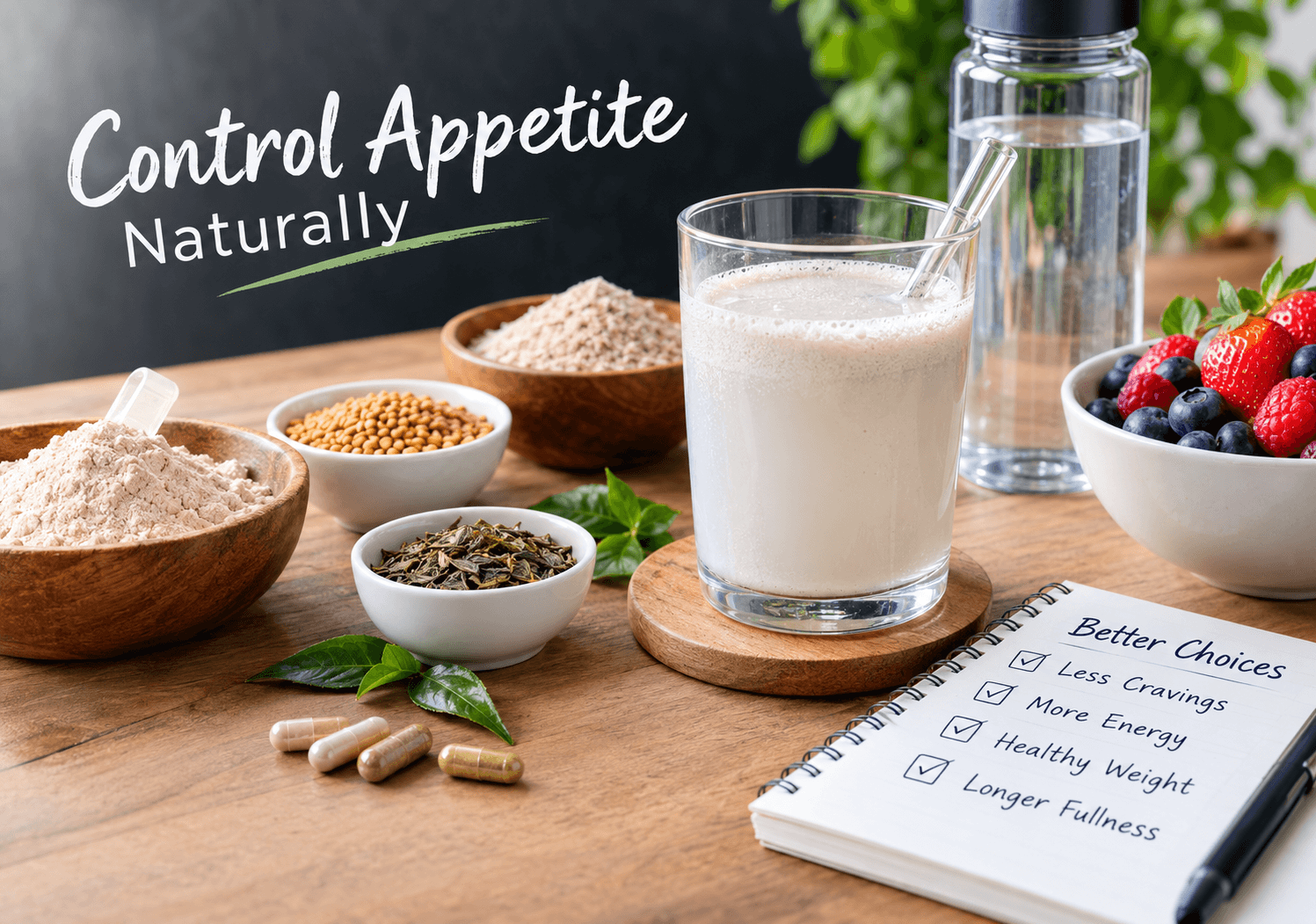
Managing hunger is one of the hardest parts of any health or fitness journey. When your stomach constantly growls, sticking to a calorie deficit feels impossible. You might be wondering, what supplements help control appetite naturally? The right natural options can support your goals by promoting fullness, stabilizing blood sugar, and reducing cravings without harsh stimulants. As a strength and conditioning coach, I see clients struggle with hunger daily. The good news is that science-backed, natural ingredients can make a real difference. This guide breaks down the most effective, evidence-based options to help you stay full and focused.
Quick Answer:
The best natural supplements to control appetite include glucomannan (soluble fiber), protein powder, green tea extract, chromium picolinate, inositol, fenugreek, psyllium husk, and yerba mate. These ingredients work by expanding in the stomach, stabilizing blood sugar, or influencing hunger hormones like ghrelin and leptin to promote lasting satiety.
How Appetite and Hunger Actually Work
Before adding any supplement to your routine, it helps to understand why you feel hungry. Hunger is not just a lack of willpower. It is a complex biological system driven by hormones, blood sugar, and digestion.
Two main hormones control your hunger cues. Ghrelin is known as the “hunger hormone.” It rises before meals and falls after you eat. Leptin is the “satiety hormone.” It signals to your brain that you have enough energy stored and do not need to eat.
Blood sugar regulation also plays a massive role. When you eat refined carbohydrates, your blood sugar spikes and then crashes. This crash triggers a strong urge to eat more, often leading to cravings for sugary or salty snacks.
Finally, gastric emptying speed matters. Foods and supplements that slow down how quickly your stomach empties keep you feeling physically full for a longer period. The gut-brain axis is a two-way communication system between your digestive tract and your brain. When your stomach stretches, it sends signals via the vagus nerve to tell your brain you are full.
Supporting healthy digestion and vascular health is also important, as efficient nutrient delivery helps stabilize energy levels. For example, understanding how L-citrulline helps produce nitric oxide can be useful for those combining appetite management with pre-workout routines, since good circulation supports overall metabolic efficiency and sustained energy. Hydration also plays a critical role; the brain often misinterprets mild dehydration as hunger.
Top 8 Natural Supplements for Appetite Control
Here are the most effective, research-backed natural supplements to help manage hunger.
1. Glucomannan (Konjac Root Fiber)
Glucomannan is a natural, water-soluble dietary fiber extracted from the roots of the elephant yam, also known as konjac. It is widely considered one of the most effective natural appetite suppressants available.
- How it works: Glucomannan absorbs water and expands in your stomach. This creates a gel-like substance that takes up space, promoting a strong feeling of fullness. It also delays stomach emptying and reduces the absorption of protein and fat.
- The evidence: A review published in the Journal of the American College of Nutrition found that glucomannan significantly promotes satiety and can support modest weight management when combined with a calorie-controlled diet.
- How to use it: Take 1 gram of glucomannan with 1 to 2 large glasses of water, about 30 to 60 minutes before a meal.
- Coach’s Tip: Always take glucomannan with plenty of water. If you take it without enough liquid, it can swell in your throat or esophagus, which is a choking hazard.
2. Whey or Plant-Based Protein Powder
Protein is the most satiating of all the macronutrients. Adding a high-quality protein supplement to your day is a simple, highly effective way to curb hunger.
- How it works: Protein reduces levels of the hunger hormone ghrelin while boosting peptide YY, a hormone that makes you feel full. It also requires more energy for your body to digest compared to fats or carbs (the thermic effect of food).
- The evidence: Research in the American Journal of Clinical Nutrition shows that higher protein intake significantly increases satiety and reduces subsequent calorie intake at the next meal.
- How to use it: Mix 1 to 2 scoops (about 25–30 grams of protein) with water or milk as a mid-morning or mid-afternoon snack.
- Practical detail: Whey protein digests quickly, making it great for immediate fullness. Plant-based blends (pea, rice, hemp) digest slightly slower, providing longer-lasting satiety.

3. Green Tea Extract (EGCG)
Green tea extract is a popular natural supplement that supports both metabolism and appetite regulation.
- How it works: The active compound, epigallocatechin gallate (EGCG), works alongside naturally occurring caffeine to increase energy expenditure. It may also help regulate hormones that influence hunger and fat breakdown.
- The evidence: A meta-analysis in Obesity Reviews indicates that green tea catechins combined with caffeine can modestly improve weight management and help control appetite by influencing satiety signals.
- How to use it: Look for a supplement providing 250–500 mg of EGCG per day. Take it in the morning or early afternoon to avoid sleep disruption.
- Note: If you are sensitive to caffeine, start with a half dose or choose a decaffeinated green tea extract.
4. Chromium Picolinate
Chromium is an essential trace mineral that plays a key role in how your body processes carbohydrates, fats, and proteins.
- How it works: Chromium picolinate helps improve insulin sensitivity. When your cells respond better to insulin, your blood sugar remains more stable. Stable blood sugar means fewer sudden crashes and fewer intense sugar cravings.
- The evidence: Studies suggest that chromium picolinate supports glucose metabolism and may specifically reduce carbohydrate cravings and hunger in individuals with atypical eating patterns. You can read more about how chromium picolinate supports glucose metabolism in our detailed breakdown.
- How to use it: A typical dose is 200 to 1,000 micrograms (mcg) per day, taken with a meal.
- Common Mistake: Expecting overnight results. Chromium works subtly by balancing blood sugar over weeks, not by acting as a harsh stimulant. Give it at least 4 to 6 weeks to evaluate its effects.
5. Inositol
Inositol, often referred to as vitamin B8, is a naturally occurring carbohydrate that has gained attention for its role in metabolic health and hunger control.
- How it works: Similar to chromium, inositol acts as a secondary messenger for insulin. By improving insulin sensitivity, it helps prevent the blood sugar spikes and drops that trigger intense hunger and cravings.
- The evidence: Clinical research highlights the positive relationship between inositol and insulin sensitivity, particularly in individuals with metabolic challenges. You can explore the details of inositol and insulin sensitivity studies to understand its metabolic benefits.
- How to use it: The standard supplemental dose ranges from 2 to 4 grams per day, often split into two doses. It is available in powder form, which can be mixed into water or a protein shake.
- Coach’s Tip: Inositol powder has a slightly sweet taste, making it very easy to mix into your morning coffee or post-workout shake without altering the flavor much.
6. Fenugreek Seed Extract
Fenugreek is an herb commonly used in cooking and traditional medicine, now backed by modern science for appetite control.
- How it works: Fenugreek seeds are rich in galactomannan, a water-soluble fiber. This fiber expands in the stomach, slowing digestion and promoting a feeling of fullness. It may also help regulate blood sugar levels.
- The evidence: A study published in Phytotherapy Research found that participants taking fenugreek seed extract reported increased fullness and reduced fat intake compared to a placebo group.
- How to use it: Take 300 to 500 mg of fenugreek extract about 30 minutes before your two largest meals of the day.
- Practical detail: Fenugreek can cause a harmless, maple-syrup-like odor in sweat and urine. It is a normal side effect but worth noting.
7. Psyllium Husk
Psyllium husk is a form of fiber made from the husks of the Plantago ovata plant’s seeds. It is a staple in digestive health and appetite management.
- How it works: Like glucomannan, psyllium is a soluble fiber that absorbs water to form a thick, viscous compound. This slows down the rate at which your stomach empties, keeping you full longer and preventing rapid blood sugar spikes.
- The evidence: The American Journal of Clinical Nutrition notes that soluble fiber supplementation is consistently linked to increased satiety and reduced hunger ratings between meals.
- How to use it: Start with 1 teaspoon (about 5 grams) mixed in 8 ounces of water once daily. Gradually increase to 1 tablespoon if tolerated well. Always drink an additional glass of water afterward.
- Coach’s Tip: Stir psyllium husk vigorously and drink it immediately before it turns into a thick gel. If you wait too long, it becomes difficult to swallow.
8. Yerba Mate
Yerba mate is a traditional South American tea known for its energizing and appetite-suppressing properties.
- How it works: It contains a unique blend of caffeine, theobromine, and chlorogenic acid. This combination boosts energy, enhances mood, and has been shown to delay gastric emptying, which helps you feel full longer.
- The evidence: Research in the Journal of the International Society of Sports Nutrition suggests that yerba mate can increase fat oxidation during exercise and promote a feeling of satiety.
- How to use it: Drink 1 to 2 cups of brewed yerba mate tea or take a 500 mg extract supplement in the morning or before a workout.
- Note: Because it contains caffeine, avoid taking it late in the evening to protect your sleep quality.

How to Choose the Right Appetite Control Supplement
With so many options, picking the right one can feel overwhelming. Use this buyer’s checklist to make a safe, effective choice:
- Identify your main trigger: Do you struggle with mid-afternoon sugar crashes? Choose chromium or inositol. Do you feel physically empty and want to stretch your stomach? Choose glucomannan or psyllium husk.
- Check the ingredient label: Look for third-party testing seals (like NSF, Informed Choice, or USP). This ensures the product contains what it claims and is free from harmful contaminants.
- Start with one ingredient: Do not stack multiple appetite suppressants at once. If you experience side effects, you will not know which supplement caused them.
- Consider your caffeine tolerance: If you are sensitive to stimulants, avoid green tea extract and yerba mate, or choose decaffeinated versions.
- Support overall metabolic health: Remember that appetite control works best when your body functions efficiently. Supporting healthy circulation is part of this puzzle. Learning about nitric oxide benefits for men’s health and blood flow can help you understand how vascular health ties into sustained energy and metabolic balance.
Common Mistakes When Using Appetite Suppressants
Even the best natural supplements will fail if used incorrectly. Avoid these common pitfalls:
Common Mistake: Relying on supplements instead of real food.
The Fix: Supplements are meant to supplement a solid foundation. No pill can replace the satiety provided by a balanced meal rich in lean protein, healthy fats, and whole-food fibers. Use these tools to bridge the gap between meals, not to starve yourself.
Common Mistake: Not drinking enough water.
The Fix: Fiber-based supplements like glucomannan and psyllium husk require significant water intake to work properly and safely. Aim for at least 80 to 100 ounces (about 2.5 to 3 liters) of water daily when using these products.
Common Mistake: Ignoring sleep and stress.
The Fix: Poor sleep elevates ghrelin and lowers leptin, making you biologically hungrier. No supplement can fully override the hunger caused by chronic sleep deprivation or high cortisol levels. Prioritize 7 to 9 hours of quality sleep per night.
Safety Notes and Who Should Be Careful
While natural, these supplements are not for everyone. Always consult a doctor or registered dietitian before starting a new supplement, especially if you fall into one of these categories:
- Pregnant or breastfeeding women: Many herbs and concentrated extracts lack safety data for pregnancy.
- Individuals with digestive disorders: Conditions like IBS, Crohn’s disease, or a history of bowel obstructions can be worsened by high doses of soluble fiber.
- People taking diabetes medication: Supplements that lower blood sugar (like chromium, inositol, and fenugreek) can cause hypoglycemia if combined with prescription diabetes drugs.
- Those on blood thinners: Green tea extract and certain herbs may interact with anticoagulant medications.
Additionally, if you are incorporating exercise into your weight management plan, protecting your joints is crucial. Shedding excess pounds reduces stress on your knees and hips. If you want to stay active safely, it helps to know how many joints are in the human body and their functions so you can choose low-impact movements that support your weight loss goals without causing injury. Always bring a list of your current supplements to your annual physical, as some natural compounds can alter how your liver processes prescription medications.
Sample Daily Routine for Hunger Management
Here is how you might integrate these supplements into a practical, everyday schedule:
- Morning (7:00 AM): Drink a large glass of water immediately upon waking. Take 500 mg of green tea extract or enjoy a cup of yerba mate with a high-protein breakfast.
- Mid-Morning (10:30 AM): If you feel a craving, mix 1 scoop of whey or plant-based protein powder with water. This provides 25 grams of protein to stabilize blood sugar and keep you full until lunch.
- Lunch (1:00 PM): Take 1 gram of glucomannan or 1 teaspoon of psyllium husk with 16 ounces of water, 30 minutes before eating your meal.
- Afternoon (3:30 PM): If you experience a sugar crash, take 500 mcg of chromium picolinate or 2 grams of inositol to support steady glucose levels and prevent reaching for vending machine snacks.
- Evening (7:00 PM): Eat a balanced dinner rich in vegetables and lean protein. Avoid fiber supplements too close to bedtime to prevent digestive discomfort or bloating while you sleep.
Frequently Asked Questions (FAQ)
What is the best natural appetite suppressant?
Glucomannan and protein powder are widely considered the best natural appetite suppressants. Glucomannan physically expands in the stomach to promote fullness, while protein directly influences hunger hormones like ghrelin and peptide YY to reduce cravings.
Do appetite suppressant supplements actually work?
Yes, but with realistic expectations. Research shows that supplements like soluble fiber, protein, and green tea extract can modestly increase satiety and reduce calorie intake. However, they are tools to support a healthy diet, not magic solutions for weight loss.
How does fiber help you feel full longer?
Soluble fiber absorbs water in the digestive tract, forming a thick gel. This gel slows down gastric emptying, meaning food stays in your stomach longer. This physical stretching of the stomach sends strong fullness signals to your brain.
Can vitamins reduce cravings?
Certain minerals and vitamin-like compounds, such as chromium picolinate and inositol, can reduce cravings. They work by improving insulin sensitivity and stabilizing blood sugar levels, which prevents the sharp drops that trigger intense sugar cravings.
Are there natural supplements to block appetite without caffeine?
Yes. Glucomannan, psyllium husk, fenugreek, chromium picolinate, and inositol are all completely caffeine-free. They manage hunger through fiber expansion or blood sugar regulation, making them safe for those sensitive to stimulants.
Does protein powder help with hunger?
Absolutely. Protein is the most satiating macronutrient. Studies consistently show that consuming a protein shake between meals reduces hunger ratings and decreases the amount of food consumed at the next meal compared to carb- or fat-based snacks.
Conclusion
So, what supplements help control appetite naturally? The most effective, science-backed options include glucomannan, protein powder, green tea extract, chromium picolinate, inositol, fenugreek, psyllium husk, and yerba mate. Each of these works through a specific mechanism, whether it is expanding in your stomach, stabilizing blood sugar, or balancing hunger hormones.
Remember that supplements are just one piece of the puzzle. They work best when paired with a nutrient-dense diet, adequate hydration, quality sleep, and regular physical activity. For optimal vascular and metabolic support, you might also explore how L-arginine vs L-citrulline for blood flow can complement your overall health routine. Always listen to your body, start with one supplement at a time, and consult a healthcare professional before making significant changes.