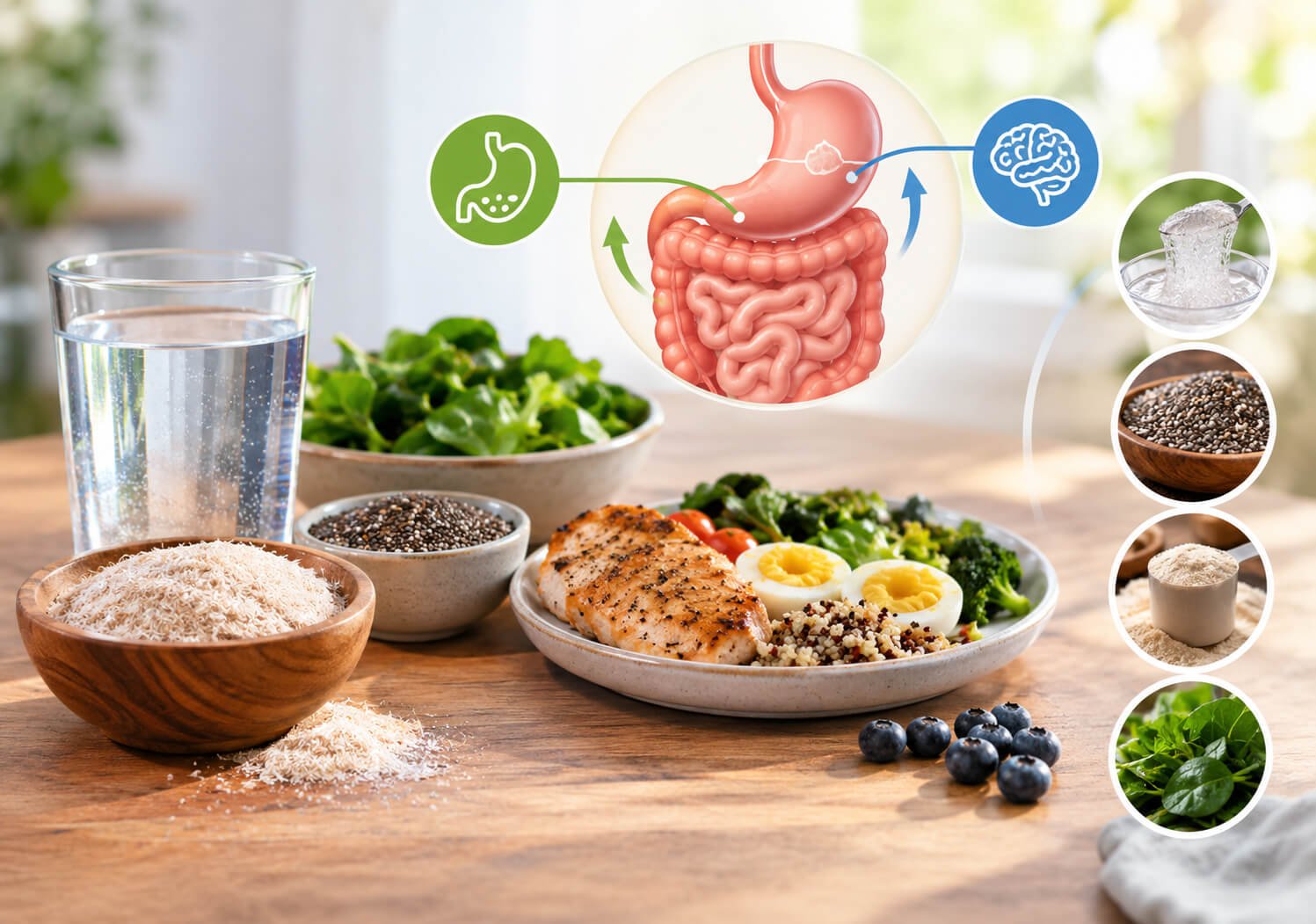
If you are wondering what supplements help control appetite without caffeine, you are asking the right question. As a strength and conditioning coach, I see many clients struggle with hunger pangs when trying to manage their weight. Stimulant-based fat burners often cause jitters, sleep disruption, and anxiety. The good news is that science-backed, non-stimulant options exist. These alternatives work with your body’s natural biology to promote fullness, stabilize blood sugar, and support sustainable weight management.
This guide breaks down the most effective caffeine-free supplements for hunger control. You will learn exactly how they work, the proper dosages, and how to safely add them to your daily routine.
Quick Answer
The best caffeine-free supplements to control appetite include soluble fibers like glucomannan and psyllium husk, high-quality protein powders, berberine, and chromium picolinate. These work by slowing gastric emptying, stabilizing blood sugar, and boosting satiety hormones like leptin, helping you maintain a calorie deficit without the jitters or crash.
The Science of Satiety: How Appetite Actually Works
Before we look at specific supplements, it helps to understand how your body signals hunger. Appetite is not just a lack of willpower; it is a complex hormonal conversation.
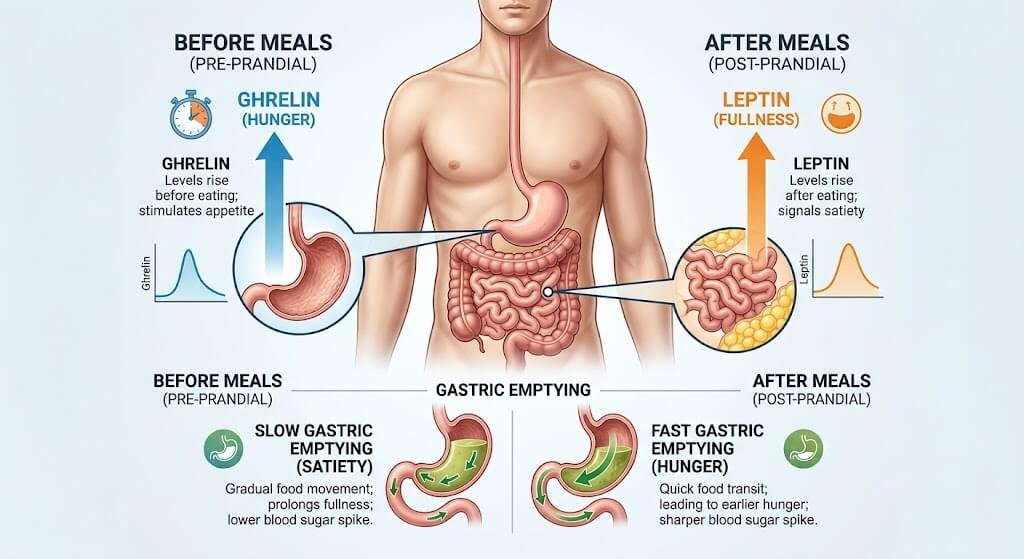
Two primary hormones drive this process: ghrelin and leptin. Ghrelin is known as the “hunger hormone.” Its levels rise before meals and fall after eating. Leptin is the “fullness hormone,” released by fat cells to tell your brain you have enough energy stored.
Another critical factor is gastric emptying. This is the speed at which food leaves your stomach. Slower gastric emptying means food stays in your stomach longer, physically stretching the stomach walls and sending strong fullness signals to your brain.
Many non-stimulant supplements target these exact mechanisms. They either physically bulk up in the stomach, modulate blood sugar spikes that trigger cravings, or directly influence satiety hormones. For a deeper dive into the mechanics of hunger, you can explore how protein helps control hunger during weight loss.
Top 10 Caffeine-Free Supplements for Appetite Control
Here are the most effective, research-backed supplements to help you manage hunger without relying on stimulants.
1. Glucomannan (Konjac Root Fiber)
Glucomannan is a highly viscous, water-soluble dietary fiber extracted from the konjac root. It is widely considered one of the most effective natural appetite suppressants. When mixed with water, it expands up to 50 times its original weight, forming a thick gel in your stomach.
- How it works: It physically delays gastric emptying and promotes a strong sensation of fullness.
- Coach’s Dosing Guide: Take 1 gram, three times per day, about 30 minutes before meals.
- How to use: Mix the powder into at least 8 oz (237 ml) of water and drink it immediately before it thickens.
- What it feels like: A gentle, sustained physical fullness in your stomach, not a chemical suppression of hunger.
- Research: Studies confirm that glucomannan supplementation in the context of an energy-restricted diet is beneficial for weight management
2. Psyllium Husk
Psyllium husk is another powerful soluble fiber, commonly known for supporting digestive regularity. However, its ability to absorb water and form a gel makes it a fantastic tool for appetite control.
- How it works: It slows down digestion and the absorption of carbohydrates, preventing the blood sugar spikes and crashes that lead to intense cravings.
- Coach’s Dosing Guide: Start with 1 teaspoon (about 5 grams) mixed in 12 oz (355 ml) of water, 30 minutes before your largest meal.
- What it feels like: A mild, comfortable bloating that signals fullness, along with improved digestion.
- Research: Evidence shows that soluble fiber helps control appetite by significantly increasing satiety scores after meals.
3. High-Quality Protein Powder (Whey or Plant-Based)
Protein is the most satiating macronutrient. If you are not hitting your daily protein targets, no supplement will fully fix your hunger issues.
- How it works: Protein reduces levels of the hunger hormone ghrelin while boosting peptide YY (PYY) and glucagon-like peptide-1 (GLP-1), hormones that promote fullness.
- Coach’s Dosing Guide: Consume 20–30 grams of protein powder mixed with water or unsweetened almond milk as a mid-morning or afternoon snack.
- What it feels like: A steady, calm energy without the heavy, sluggish feeling of a large, high-fat meal.
- Research: Higher protein intake is consistently linked to reduced appetite and lower ad libitum calorie intake throughout the day
4. Berberine
Berberine is a bioactive compound extracted from several plants, including goldenseal and barberry. It is highly respected in the fitness and medical communities for its metabolic benefits.
- How it works: It activates an enzyme called AMPK, often referred to as the body’s “metabolic master switch.” This improves insulin sensitivity and helps regulate blood sugar, which directly reduces sugar cravings and reactive hunger.
- Coach’s Dosing Guide: 500 mg, taken two to three times daily, about 15–30 minutes before carbohydrate-containing meals.
- What it feels like: You will not “feel” it working, but you will notice fewer afternoon energy crashes and a reduced desire for sweets.
- Research: Clinical data indicates that berberine can positively affect appetite and weight management by improving metabolic parameters
5. Chromium Picolinate
Chromium is an essential trace mineral that plays a role in how insulin helps the body regulate blood sugar levels.
- How it works: By enhancing insulin action, chromium picolinate helps prevent the rapid drops in blood glucose that trigger intense, urgent hunger pangs, especially for carbohydrates.
- Coach’s Dosing Guide: 200 to 1,000 mcg per day, typically taken with a meal.
- What it feels like: A subtle reduction in the “need” to snack on sugary foods between meals.
- Research: Supplementation may help reduce food intake, body weight, and fat mass, particularly in individuals with intense sugar cravings.
6. Decaf Green Tea Extract (EGCG)
While regular green tea contains caffeine, decaffeinated green tea extract retains high levels of epigallocatechin gallate (EGCG), a potent antioxidant.
- How it works: EGCG may help modulate hormones related to hunger and support healthy metabolic function without the central nervous system stimulation of caffeine.
- Coach’s Dosing Guide: 250–500 mg of standardized EGCG extract per day, taken with food to prevent stomach upset.
- What it feels like: A clean, focused state without any heart palpitations or jitteriness.
- Research: For those looking for options beyond stimulants, understanding which supplements support metabolism without stimulants is key to long-term success.
7. Exogenous Ketones (BHB Salts)
Beta-hydroxybutyrate (BHB) salts are a form of exogenous ketones. While popular in the keto community, they have specific applications for appetite control regardless of your diet.
- How it works: Elevated blood ketone levels have been shown to directly suppress appetite and reduce the desire to eat, independent of calorie intake.
- Coach’s Dosing Guide: 5–10 grams of BHB salts mixed in 16 oz (473 ml) of water, typically in the morning or during a fasting window.
- What it feels like: A noticeable “quieting” of hunger signals, making it easier to delay your first meal or push through an afternoon slump.
- Research: Studies suggest that exogenous ketones suppress appetite and may help users adhere to calorie-restricted diets more comfortably.
8. 5-HTP (5-Hydroxytryptophan)
5-HTP is a naturally occurring amino acid and chemical precursor to serotonin, a neurotransmitter that regulates mood and sleep.
- How it works: Higher serotonin levels are associated with increased feelings of satiety and reduced carbohydrate cravings. It helps address the emotional or stress-related side of hunger.
- Coach’s Dosing Guide: 100–300 mg taken about 30–60 minutes before meals, or before bed to support sleep quality (which also aids weight management).
- Safety Note: Do not combine 5-HTP with prescription antidepressants (SSRIs) without a doctor’s supervision due to the risk of serotonin syndrome.
9. Gymnema Sylvestre
This is an Ayurvedic herb traditionally used to support healthy blood sugar levels. Its name translates to “sugar destroyer.”
- How it works: Gymnemic acids block sugar receptors on your taste buds, making sweet foods taste less appealing. It also slows the absorption of sugar in the intestines.
- Coach’s Dosing Guide: 400 mg of standardized extract about 15 minutes before a meal.
- What it feels like: If you eat something sweet shortly after taking it, it will taste bland or like cardboard, which naturally discourages overindulgence.
10. MCT Oil (Medium-Chain Triglycerides)
MCT oil is a type of fat derived from coconut or palm kernel oil. Unlike long-chain fats, MCTs are rapidly absorbed and transported to the liver.
- How it works: MCTs increase the release of peptide YY and leptin, two hormones that promote fullness. They also provide a quick source of energy that does not spike blood sugar.
- Coach’s Dosing Guide: Start with 1 teaspoon (5 ml) and gradually work up to 1 tablespoon (15 ml) per day, added to coffee, tea, or a smoothie.
- What it feels like: A smooth, sustained energy boost and a feeling of satisfaction after a meal.
- Common Mistake: Taking too much too soon. Starting with a full tablespoon can cause urgent digestive distress. Always ramp up slowly.
Coach’s Tip
Hydration is the ultimate zero-calorie appetite suppressant. Before reaching for any supplement, drink a full 16 oz (473 ml) glass of water. Thirst signals are frequently misinterpreted by the brain as hunger. For a 150 lb (68 kg) adult, aiming for at least 100 oz (3 liters) of water daily is a foundational step for hunger control.
How to Build a Caffeine-Free Appetite Control Routine
Supplements work best when they support a structured routine, not when they replace basic nutrition. Here is a practical, step-by-step daily schedule for a gym beginner or a woman over 40 looking to manage hunger effectively.
- Morning (Upon Waking): Drink 16 oz (473 ml) of water. If using BHB salts or MCT oil, take it now to quiet morning hunger and provide clean energy.
- Pre-Breakfast (Optional): If you struggle with morning cravings, take 1 gram of glucomannan with a large glass of water 30 minutes before eating.
- Mid-Morning Snack: If hungry, consume a shake with 20–30 grams of protein powder. This stabilizes blood sugar until lunch.
- Pre-Lunch and Pre-Dinner: Take 500 mg of berberine or 400 mg of Gymnema Sylvestre 15–30 minutes before your two largest meals to blunt blood sugar spikes and reduce portion sizes naturally.
- Evening: If you experience nighttime snacking urges, consider 100–200 mg of 5-HTP about an hour before bed to support serotonin levels and restful sleep.
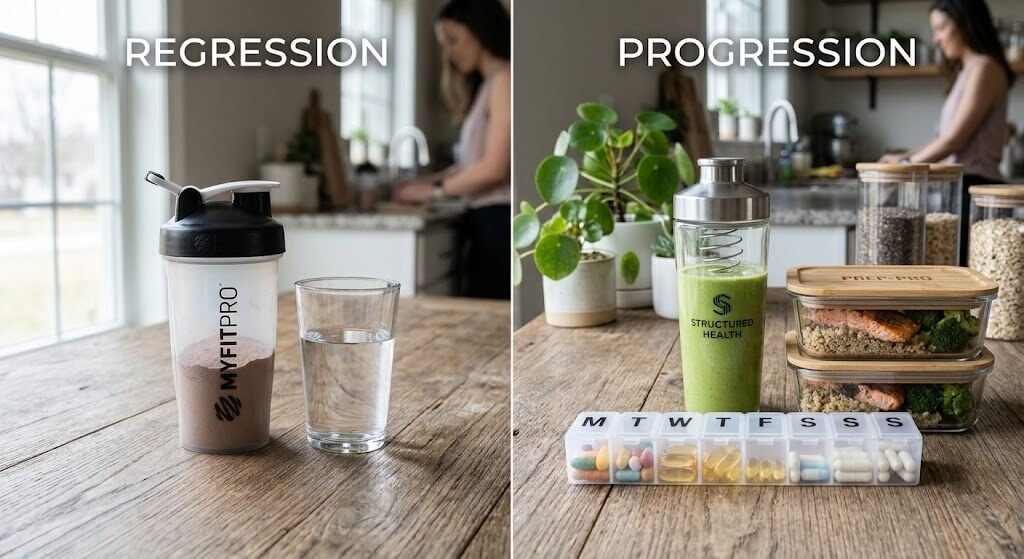
Regression (Easier Version)
If you are new to supplements, do not stack them all at once. Start with just one intervention: add 20 grams of protein powder to your daily routine or take a daily psyllium husk supplement. Master the habit of drinking it with plenty of water before adding anything else.
Progression (Harder Version)
For advanced users who have tolerated individual supplements well, a strategic stack can be highly effective. Combine a morning dose of BHB salts, pre-meal berberine, and a daily soluble fiber supplement. This multi-pathway approach targets gastric emptying, blood sugar, and ketone-mediated satiety simultaneously.
Safety Tips and Who Should Be Careful
While these supplements are non-stimulant and generally well-tolerated, they are not risk-free. Always prioritize safety.
- Digestive Upset: Fiber supplements (glucomannan, psyllium) can cause bloating, gas, or constipation if you do not drink enough water. Always consume them with at least 8–12 oz (237–355 ml) of liquid.
- Medication Interactions: Berberine and chromium picolinate lower blood sugar. If you are on prescription diabetes medication, taking these alongside your meds can cause hypoglycemia (dangerously low blood sugar).
- Pregnancy and Nursing: Avoid berberine, 5-HTP, and high-dose herbal extracts if you are pregnant or breastfeeding.
- Surgery: Stop taking berberine and high-dose fiber supplements at least two weeks before any scheduled surgery, as they can affect blood sugar control and anesthesia.
If you have a pre-existing medical condition, are taking prescription medications, or are over the age of 40 with metabolic concerns, you must consult your healthcare provider before starting any new supplement regimen. For more guidance on evaluating products, review how to evaluate ingredients in weight management supplements.
Frequently Asked Questions (FAQ)
1. What is the absolute best non-stimulant appetite suppressant?
For most people, soluble fiber like glucomannan or psyllium husk is the best starting point. It is safe, highly effective at physically promoting fullness, and supported by robust clinical research showing improved satiety and weight management outcomes.
2. Does glucomannan really stop hunger, or is it a myth?
It is not a myth. Glucomannan absorbs water and expands in the stomach, physically delaying gastric emptying. Research confirms that when combined with a calorie-controlled diet, it significantly increases feelings of fullness and supports weight loss.
3. Can berberine help with intense sugar cravings?
Yes. Berberine improves insulin sensitivity and helps regulate blood glucose levels. By preventing the sharp spikes and crashes in blood sugar, it directly reduces the physiological urge to consume sugary, high-carbohydrate snacks.
4. Are there any caffeine-free supplements that boost metabolism?
Yes. While they are not magic pills, ingredients like decaf green tea extract (EGCG), MCT oil, and certain forms of dietary fiber can support healthy metabolic function and thermogenesis without the jittery side effects of caffeine or other stimulants.
5. How long does it take for appetite suppressant supplements to work?
Physical fullness from fiber or protein can be felt within 30 to 60 minutes of consumption. However, metabolic regulators like berberine or chromium picolinate may take 2 to 4 weeks of consistent daily use to show noticeable effects on craving reduction.
6. Can I take these supplements if I am doing intermittent fasting?
Yes, but choose carefully. Pure soluble fiber, BHB salts, or MCT oil in small amounts are generally considered acceptable during a fasting window as they do not significantly spike insulin. Avoid protein powder or gummy supplements with added sugars, as these will break your fast.
Conclusion
Knowing what supplements help control appetite without caffeine empowers you to take charge of your nutrition without sacrificing your peace of mind or sleep quality. By focusing on ingredients that work with your body’s natural satiety signals—like glucomannan, psyllium husk, protein, berberine, and chromium—you can manage hunger effectively.
Remember, supplements are tools, not miracles. They work best when paired with adequate hydration, whole foods, and consistent movement. Start with one supplement, monitor how your body responds, and build your routine gradually.