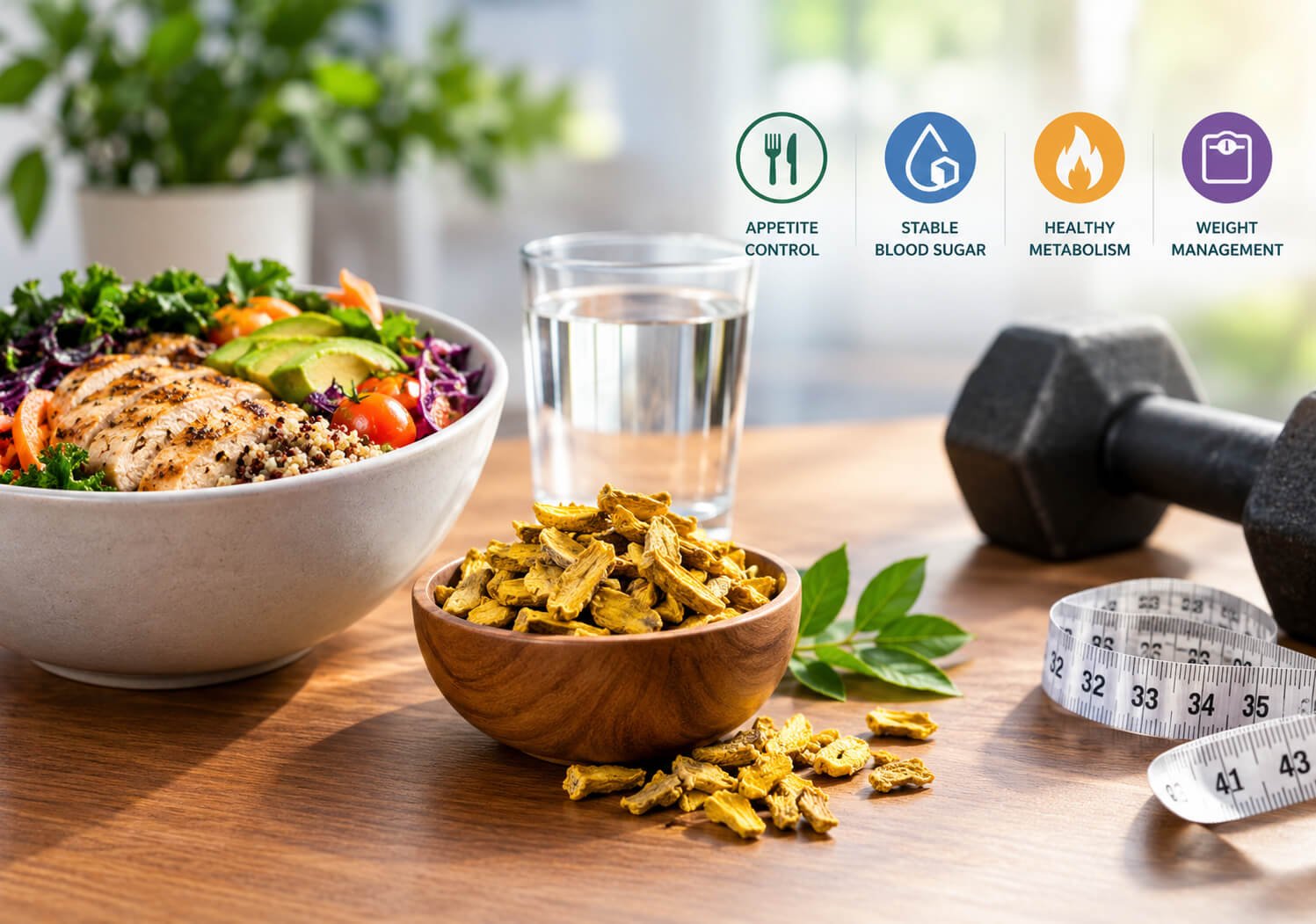
Does berberine help control appetite and support weight loss? As a certified strength and conditioning coach, I hear this question constantly from clients looking for a natural edge in their fitness journey. The short answer is yes, but with important caveats. Berberine is not a magic pill that melts fat while you sit on the couch. Instead, it is a powerful plant compound that works behind the scenes to improve how your body handles blood sugar and metabolism. When paired with a solid nutrition plan and consistent exercise, it can be a highly effective tool in your weight management toolkit.
This guide breaks down exactly what the science says, how to use it safely, and how to build a workout routine that maximizes its benefits.
Quick Answer
Yes, research suggests berberine may help control appetite and support weight loss by improving insulin sensitivity and regulating blood sugar levels. However, it is not a magic pill. It works best when combined with a calorie deficit, adequate protein intake, and consistent strength training.
What the Research Says: Does Berberine Help Control Appetite and Support Weight Loss?
To understand if berberine works, we have to look at clinical data, not marketing hype. Berberine is a bioactive compound extracted from several plants, including goldthread and barberry. It has been used in traditional medicine for centuries, but modern science has only recently mapped out its effects on human metabolism.
The primary mechanism behind berberine’s effectiveness is its ability to activate an enzyme called AMP-activated protein kinase (AMPK)Scientists often refer to AMPK as the body’s “metabolic master switch.” When AMPK is activated, it tells your cells to absorb glucose from the bloodstream and use it for energy, rather than storing it as fat. This process closely mimics the effects of intense exercise and certain prescription diabetes medications.
A comprehensive systematic review and dose-response meta-analysis found that berberine supplementation led to modest but statistically significant reductions in body weight, body mass index (BMI), and waist circumference pubmed. Participants in these trials typically took between 900 mg and 1,500 mg of berberine per day. The National Center for Complementary and Integrative Health (NCCIH) notes that measurable effects on weight were primarily seen in people who took berberine in doses of more than 1 gram per day for more than 8 weeks
Furthermore, research indicates that berberine positively alters the gut microbiome, which plays a crucial role in how we extract energy from food and regulate hunger signals
By promoting a healthier balance of gut bacteria, berberine may indirectly reduce systemic inflammation and improve satiety.
How Berberine Influences Hunger and Metabolism
Appetite is not just about willpower; it is heavily driven by hormones and blood sugar fluctuations. When you eat a meal high in refined carbohydrates, your blood sugar spikes rapidly. Your pancreas releases a large amount of insulin to bring that sugar down. Often, the body overcompensates, leading to a sharp blood sugar crash. This crash triggers the release of ghrelin, the “hunger hormone,” causing intense cravings for more sugar or carbs.
Berberine helps blunt this post-meal blood sugar spike. By improving insulin sensitivity, it ensures that glucose enters your cells smoothly, preventing the dramatic highs and lows that drive cravings. When your blood sugar remains stable, you experience fewer sudden urges to snack, making it much easier to maintain a calorie deficit.
Additionally, berberine has been shown to influence lipid metabolism. It helps lower triglycerides and LDL (bad) cholesterol while raising HDL (good) cholesterol. While this does not directly suppress appetite, improving your overall metabolic health creates an internal environment where fat loss is more efficient and sustainable.
Clinical Metrics: Berberine vs. Placebo
The following table summarizes typical outcomes observed in randomized controlled trials comparing berberine supplementation to a placebo over a 12-week period.
| Metric | Placebo Group | Berberine Group (900–1500 mg/day) | Clinical Significance |
| Body Weight Change | -0.2 kg | -1.5 to -2.0 kg | Modest, steady fat loss over timepubmed.ncbi.nlm.nih.gov. |
| Fasting Blood Glucose | No significant change | Decreased by 15–20 mg/dL | Improved insulin sensitivity and glucose controlpmc.ncbi.nlm.nih.gov. |
| LDL Cholesterol | No significant change | Decreased by 10–15% | Better lipid profile and cardiovascular healthwww.sciencedirect.com. |
| Waist Circumference | No significant change | Decreased by 1–2 cm | Reduction in visceral (belly) fat storespubmed.ncbi.nlm.nih.gov. |
How to Apply Berberine in Your Weight Loss Routine
As a coach, I always tell my clients that supplements are the final 5% of the puzzle. The other 95% is nutrition, training, and recovery. If you decide to add berberine to your regimen, timing and consistency are critical.
The standard clinical dosage is 500 mg taken two to three times per day, ideally 15 to 30 minutes before your largest meals. This timing maximizes its ability to manage the glucose spike from the food you are about to eat. Do not exceed 1,500 mg per day without direct medical supervision, as higher doses increase the risk of gastrointestinal distress.
To truly support weight loss, you must pair berberine with a structured fitness routine. Below is a sample 3-day full-body strength program designed to build muscle, boost your resting metabolic rate, and improve insulin sensitivity. Muscle tissue is metabolically active, meaning the more you have, the more calories your body burns at rest.

Sample 3-Day Full-Body Strength Routine
Perform this routine on non-consecutive days (e.g., Monday, Wednesday, Friday).
| Exercise | Sets | Reps | Rest | Tempo |
| Goblet Squat | 3 | 10–12 | 60–90 sec | 3-1-1 (3 sec down, 1 sec pause, 1 sec up) |
| Dumbbell Bench Press | 3 | 10–12 | 60–90 sec | 2-1-1 |
| Single-Arm Dumbbell Row | 3 | 10–12 / side | 60 sec | 2-1-1 |
| Romanian Deadlift (RDL) | 3 | 10–12 | 60–90 sec | 3-1-1 |
| Overhead Dumbbell Press | 2 | 10–12 | 60 sec | 2-1-1 |
| Plank | 3 | 30–45 sec | 45 sec | Hold steady, breathe deeply |
Exercise Form Cues
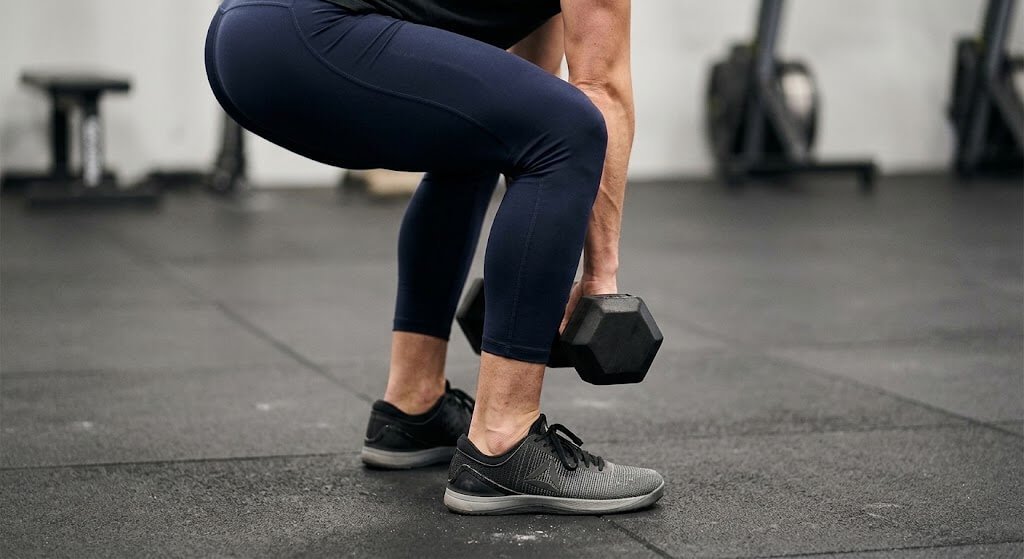
- Goblet Squat: Hold a single dumbbell (start with 20 lb [9 kg] for women, 30 lb [14 kg] for men) vertically against your chest. Keep your chest up and core braced. Push your hips back and bend your knees until your thighs are parallel to the floor. Drive through your heels to stand.
- Dumbbell Row: Place one knee and hand on a flat bench. Keep your back flat like a table. Pull the dumbbell (start with 15 lb [7 kg] to 25 lb [11 kg]) toward your hip, squeezing your shoulder blade at the top. Lower it slowly.
- Romanian Deadlift: Hold dumbbells in front of your thighs. Keep a slight bend in your knees. Hinge at your hips, pushing them backward as you lower the weights along your legs. Stop when you feel a deep stretch in your hamstrings, then squeeze your glutes to return to standing.

Regression (Easier Version)
If you are new to strength training, reduce the load and complexity. Swap the goblet squat for a bodyweight box squat (sitting down onto a 18-inch [45 cm] bench and standing back up). Replace the dumbbell row with a resistance band seated row. Perform 2 sets of 10 repetitions with a 4-1-1 tempo to build foundational control.
Progression (Harder Version)
Once you can complete all sets and reps with perfect form, increase the weight by 5 lb (2.2 kg) to 10 lb (4.5 kg). Alternatively, add a fourth set to each exercise or reduce the rest period to 45 seconds to increase metabolic demand.
Coach’s Tip: Take your berberine supplement 15 to 30 minutes before your post-workout meal. This meal should contain high-quality protein and complex carbohydrates to replenish glycogen stores. The berberine will help shuttle those carbs into your muscle cells for recovery, rather than letting them circulate in your bloodstream.
Common Mistake: Taking berberine on an empty stomach or skipping meals while taking it. This can cause a dangerous drop in blood sugar (hypoglycemia), leading to dizziness, fatigue, and intense, uncontrollable hunger later in the day. Always pair it with food.
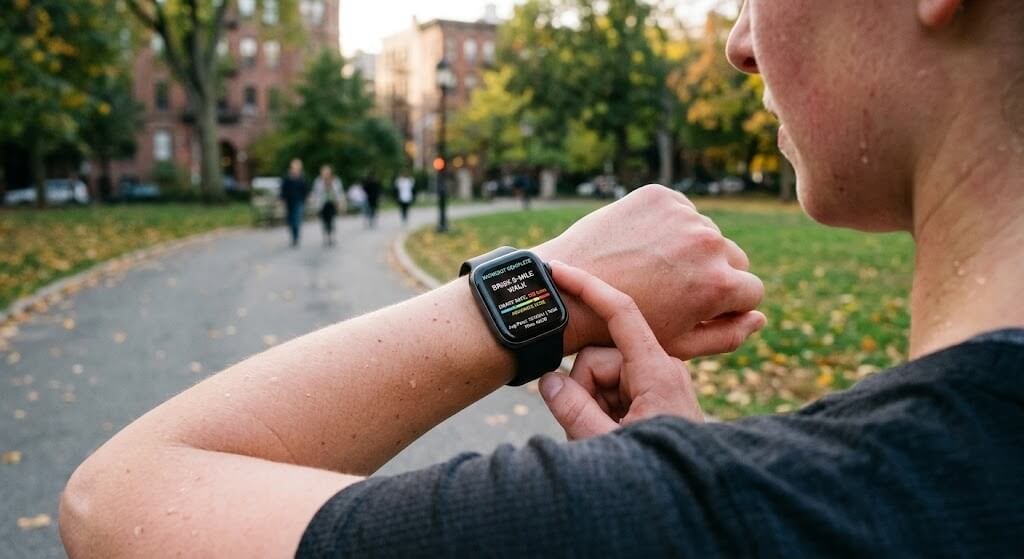
In addition to strength training, aim for 150 minutes of moderate-intensity cardiovascular exercise per week. This could be brisk walking for 3 miles (5 km) five days a week, cycling, or swimming. Cardio further enhances the insulin-sensitizing effects of berberine.
Safety Notes and Who Should Be Careful
While berberine is a natural compound, “natural” does not automatically mean “safe for everyone.” It is a biologically active substance that interacts with your body’s systems, and it can cause side effects or interact with medications.
The most frequently reported side effects are gastrointestinal. Clinical trials note that some users experience diarrhea, constipation, abdominal cramping, or bloating. If you experience these symptoms, try reducing your dose to 300 mg three times daily and ensure you are taking it with a substantial meal. If symptoms persist, discontinue use.
Who should consult a doctor before using berberine:
- Individuals on prescription medications: Berberine can interact with drugs metabolized by the liver. It is especially important to consult your doctor if you take metformin, blood pressure medications, or blood thinners, as berberine can amplify their effects, leading to hypoglycemia or hypotension.
- Pregnant or breastfeeding women: Berberine can cross the placenta and may cause harm to the developing fetus. It can also pass into breast milk. It is strictly advised against during these periods.
- People with liver or kidney conditions: Because the liver and kidneys process supplements, those with pre-existing conditions should get medical clearance first.
Before adding any new compound to your regimen, it is wise to learn how to properly evaluate ingredients in weight management supplements to ensure you are choosing a high-quality, third-party tested product.
Related Tips for Maximizing Weight Loss
Berberine is a tool, but your daily habits are the foundation. To get the most out of your efforts, integrate these evidence-based strategies:
- Prioritize Protein: Protein is the most satiating macronutrient. Understanding how protein intake affects hunger and fullness hormones can help you design meals that keep you full for hours. Aim for 0.7 to 1 gram of protein per pound of body weight daily.
- Add Soluble Fiber: Fiber slows digestion and physically expands in your stomach, sending fullness signals to your brain. Research shows that soluble fiber helps control appetite effectively. Add chia seeds, oats, or psyllium husk to your daily diet.
- Protect Your Sleep: Poor sleep disrupts leptin and ghrelin, making you hungrier the next day. Learning how sleep affects metabolism and weight management is crucial. Aim for 7 to 9 hours of quality sleep per night in a cool, dark room.
- Support Natural Metabolism: Supplements can only do so much. Focus on foundational habits to increase metabolism naturally for weight loss through daily movement, hydration, and muscle-building exercises.
- Micronutrient Balance: Ensure you are getting the right vitamins and minerals. Knowing which nutrients support normal energy metabolism (like B-vitamins and magnesium) ensures your body has the raw materials it needs to process food efficiently.
For a deeper dive into the specific mechanisms of this supplement, you can also read more about how berberine affects appetite and weight management.
Frequently Asked Questions (FAQ)
How long does it take for berberine to work for weight loss?
Most clinical trials show measurable improvements in blood sugar and modest weight loss after 8 to 12 weeks of consistent use. It is not a quick fix. Pair it with a solid nutrition plan and regular exercise for the best, most sustainable results over time.
What is the best time to take berberine for weight loss?
The optimal time is 15 to 30 minutes before your largest meals, typically two to three times per day. This timing helps blunt the post-meal blood sugar spike, which can reduce cravings and prevent excess fat storage throughout the day.
Can berberine replace metformin for weight loss?
No. While some studies show berberine has glucose-lowering effects similar to metformin, you should never replace a prescribed medication without consulting your doctor. Berberine can interact with other drugs and may not be appropriate for everyone’s specific medical history.
Does berberine cause stomach upset or side effects?
Yes, gastrointestinal issues like cramping, diarrhea, or constipation are the most common side effects. Starting with a lower dose and taking it with food can help minimize these symptoms. If severe discomfort occurs, stop use and consult a healthcare provider.
Is berberine safe for long-term use?
Short-term use (up to 6 months) is generally considered safe in clinical studies. However, long-term safety data is limited. It is best to cycle berberine or use it under medical supervision, especially if you have underlying liver or kidney conditions.
Can I take berberine if I am pregnant or breastfeeding?
No. Berberine is not considered safe during pregnancy or breastfeeding. It can cross the placenta and may cause harm to the developing fetus, or pass into breast milk. Always speak with your obstetrician before starting any new supplement regimen.
Conclusion
So, does berberine help control appetite and support weight loss? Yes, but it is not a standalone solution. The research clearly shows that berberine can improve insulin sensitivity, stabilize blood sugar, and lead to modest, sustainable fat loss when used correctly. However, its true power is unlocked only when it is paired with a calorie-controlled diet, adequate protein, and a consistent strength training routine.
Approach berberine as a supportive tool, not a miracle cure. Start with a low dose, monitor how your body responds, and always prioritize foundational health habits. If you have any underlying health conditions or take prescription medications, consult your healthcare provider before starting.