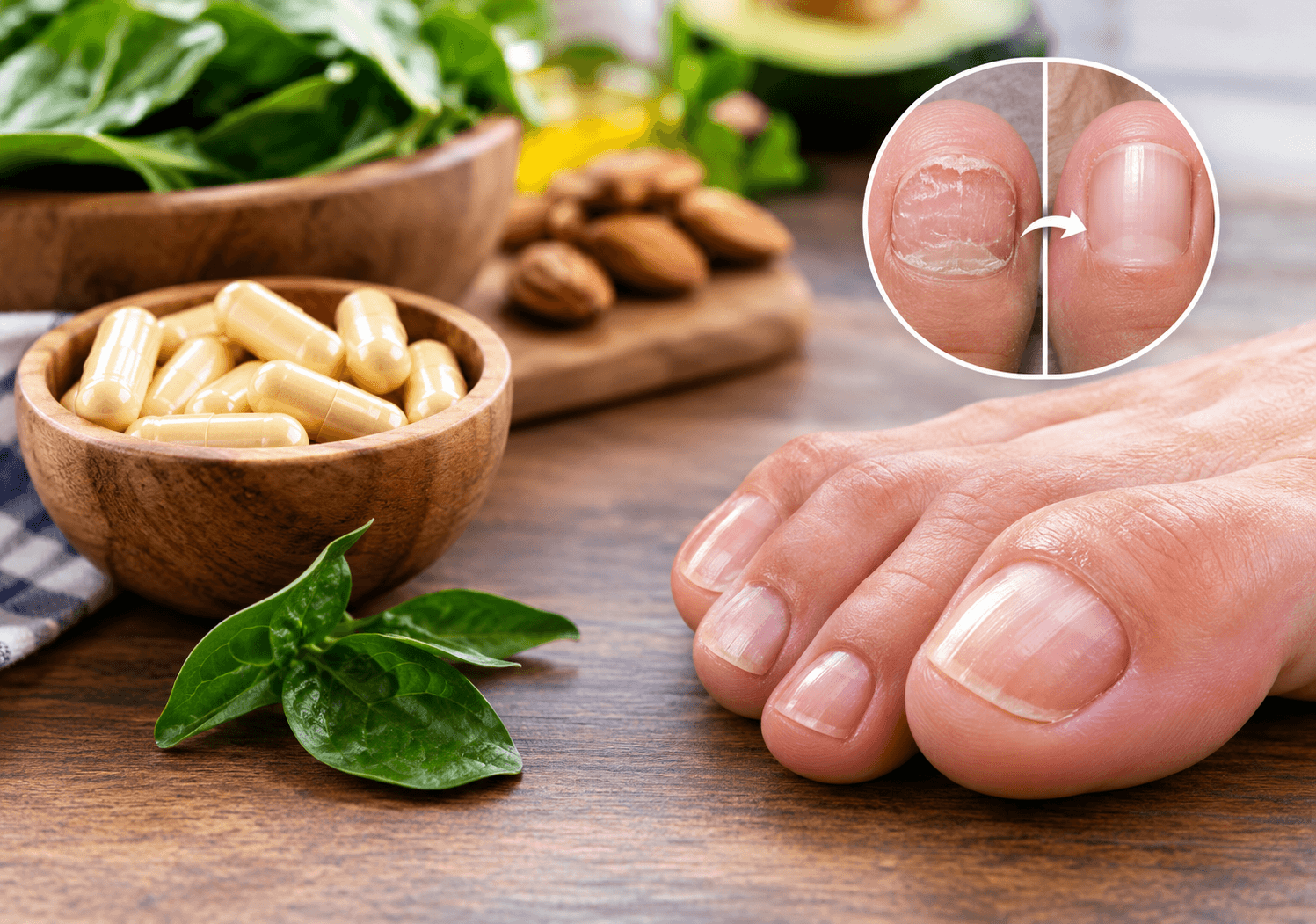
If you have ever pulled off your socks after an intense workout only to notice cracked, peeling, or weak toenails, you are not alone. Many runners, lifters, and active individuals deal with nail fragility caused by repetitive impact and tight footwear. When searching for a fix, Vitamin B7 often comes up as the go-to solution. But does biotin help brittle toenails grow stronger?
To give you the direct answer: yes, targeted biotin supplementation may improve overall nail strength and thickness, but its effectiveness depends heavily on the root cause of your nail weakness and requires considerable patience due to slow toenail growth rates.
As a strength and conditioning coach, I frequently talk to clients about how daily physical strain and nutrition impact everything from joint recovery to keratinized tissues like hair and nails. In this guide, we will examine the scientific research on biotin, how it affects the nail matrix, proper dosage, realistic timelines, and practical strategies to keep your feet healthy.
Quick Answer
Research suggests that biotin (Vitamin B7) can increase nail thickness and reduce splitting or brittleness, particularly in individuals with low baseline levels or general nail fragility. However, because toenails grow at a slow rate of roughly 1.62 mm per month, seeing visible improvements in toenail strength typically requires 6 to 12 months of consistent use alongside proper footwear and foot care.
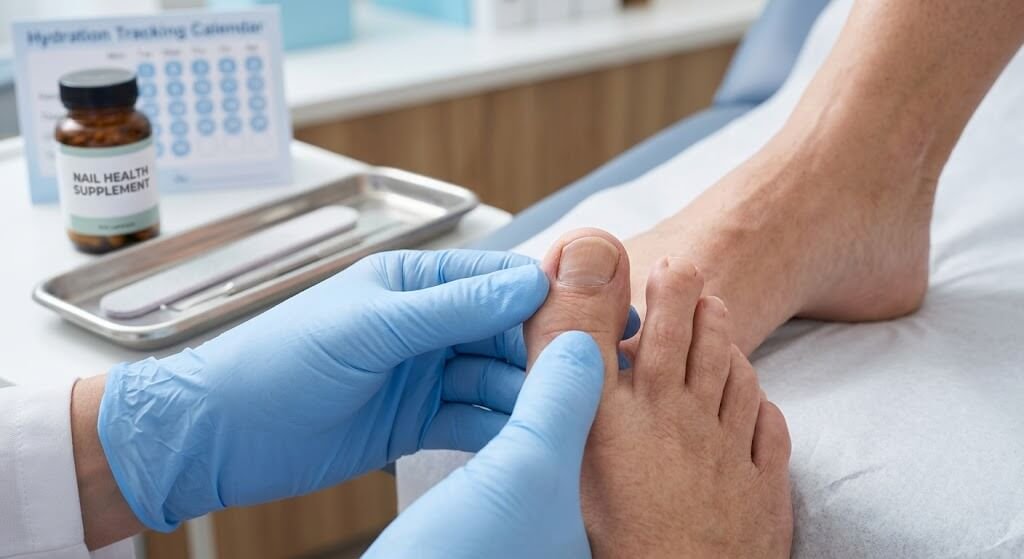
Understanding Brittle Nails: Causes and Mechanics
Brittle nails, medically referred to as onychochizia, are characterized by soft, dry, peeling, or easily breakable nail plates. While fingernails often show wear from frequent handwashing or harsh chemicals, brittle toenails typically result from a combination of nutritional gaps, mechanical trauma, and environmental exposure.
Common Causes of Brittle Toenails
- Repetitive Micro-Trauma: Running, jumping, and sudden stops in sports like tennis or basketball force the toes against the front of the shoe. This constant impact weakens the structural proteins of the nail plate.
- Micro-Nutrient Deficiencies: Low dietary intake of essential vitamins and minerals—including Vitamin B7, iron, zinc, and protein—can compromise keratin synthesis within the body.
- Frequent Moisture Fluctuations: Repeatedly soaking feet in sweat or water and then drying them strips the nail plate of natural lipids, leading to micro-cracks.
- Aging: As we age, natural oil production decreases, and blood circulation to the extremities slows down, altering toenail growth rate and overall moisture balance.
- Fungal Infections or Medical Conditions: Conditions such as tinea unguium (toenail fungus) or thyroid dysfunction can cause structural toenail dystrophy that supplements alone cannot fix.
What the Science Says: Does Biotin Strengthen Nails?
Biotin, also known as Vitamin B7 or Vitamin H, is a water-soluble vitamin that acts as an essential coenzyme for carboxylase enzymes. These enzymes play a central role in cellular metabolism, aiding in the breakdown of fats, carbohydrates, and amino acids—the building blocks of proteins like keratin.
Because nails are composed predominantly of hard keratin proteins formed within the nail matrix, adequate Vitamin B7 availability is required for healthy keratinized tissue production.
Key Research Findings on Biotin and Nail Health
While direct clinical trials focusing exclusively on toenails are limited compared to fingernail studies, the underlying biological mechanism of the nail matrix remains identical across both:
- Increased Nail Thickness: A classic clinical study published in the Journal of the American Academy of Dermatology evaluated patients with brittle nails who received 2.5 mg (2,500 mcg) of biotin daily. After several months, objective measurements showed a 25% increase in nail plate thickness and a significant reduction in nail splitting.
- Structural Integrity Improvement: Further research in dermatological health journals found that up to 63% to 91% of participants with diagnosed brittle nails experienced subjective clinical improvement in nail firmness after daily biotin supplementation.
- Role in Micronutrient Deficiency: Individuals experiencing true vitamin B7 deficiency frequently manifest symptoms like hair thinning and severe nail weakness. Reestablishing optimal biotin levels restores normal cellular activity within the nail matrix.
It is important to maintain realistic expectations. While biotin supports the structural assembly of new nail tissue, it cannot “heal” or reconnect toenail layers that have already split or broken off. Improvements will only be visible as new, healthy nail tissue grows out from the base.

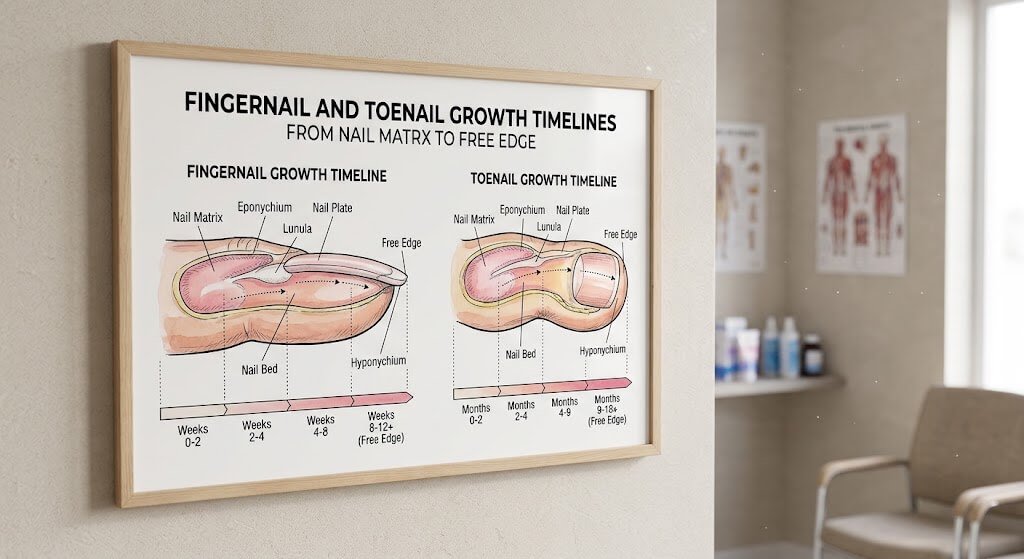
Fingernail vs. Toenail Growth Rates: Setting Realistic Timelines
A major source of frustration when taking a toenail growth supplement is the timeline. Many people expect visible changes within two to three weeks, but human biology operates at a slower pace.
Toenail growth rates differ significantly from fingernail growth rates:
- Fingernails: Grow at an average rate of 3.47 mm per month. A complete replacement of a fingernail takes roughly 4 to 6 months.
- Toenails: Grow at an average rate of 1.62 mm per month (roughly half the speed of fingernails). A full replacement of a big toenail can take anywhere from 10 to 18 months.
| Feature | Fingernails | Toenails |
| Average Monthly Growth | ~3.47 mm | ~1.62 mm |
| Full Replacement Time | 4 – 6 Months | 10 – 18 Months |
| Primary Strain Source | Chemicals, water, manual work | Friction, tight shoes, heavy impact |
| First Signs of Improvement | 1 – 2 Months | 3 – 6 Months (at the lunula/base) |
Because toenails develop so slowly, any positive impact from biotin for nail thickness will first appear as a smoother, firmer band at the base of the nail (near the cuticle). It takes several months for that strengthened section to migrate forward toward the free edge.
Biotin Dosage for Brittle Nails: How Much Do You Need?
The standard Adequate Intake (AI) for biotin in healthy adults set by the Food and Nutrition Board is 30 micrograms (mcg) per day. However, clinical trials assessing biotin dosage for nails and structural strength have used therapeutic levels ranging from 2,500 mcg to 5,000 mcg daily.
General Dosage Recommendations
- Nutritional Maintenance: 30 mcg to 100 mcg daily (easily met through a balanced diet).
- Therapeutic Support for Brittle Nails: 2,500 mcg (2.5 mg) to 5,000 mcg (5 mg) daily, as evaluated in clinical literature.
Because biotin is a water-soluble vitamin, excess amounts are generally excreted through urine. However, taking extremely high doses is unnecessary and can interfere with diagnostic medical tests.
Coach’s Tip: Beware of Lab Test Interference
High-dose biotin supplements (often found in “Hair, Skin, and Nails” products containing 5,000 mcg to 10,000 mcg) can significantly interfere with clinical lab assays, including thyroid hormone panels and troponin tests (used to detect heart attacks). Always inform your physician if you are taking biotin, and discontinue high-dose supplementation at least 48 to 72 hours prior to scheduled blood work.
Dietary Sources vs. Targeted Supplementation
While targeted supplementation provides concentrated amounts, getting micronutrients through whole foods supports broader nutritional health, including optimal energy metabolism and overall cell growth.
Food Sources Rich in Vitamin B7
- Organ Meats: Beef liver (30.8 mcg per 3 oz serving)
- Whole Eggs: 10 mcg per cooked large egg (Note: raw egg whites contain avidin, a protein that binds to biotin and prevents its absorption)
- Fish: Salmon (5 mcg per 3 oz serving)
- Nuts and Seeds: Sunflower seeds (2.6 mcg per 1/4 cup) and almonds (1.5 mcg per 1/4 cup)
- Vegetables: Sweet potatoes (2.4 mcg per 1/2 cup cooked) and spinach
If your diet lacks these foods, or if chronic physical activity increases overall metabolic demand, adding a targeted supplement may help bridge the gap.
Practical Action Plan: Supporting Toenail Health from the Inside Out
Supplementation works best when paired with proper habits. If you are an athlete, gym-goer, or active individual dealing with nail weakness and biotin concerns, follow this step-by-step action plan to protect your feet.
Step 1: Optimize Your Base Nutrition
Supplements cannot replace a sound dietary foundation. Ensure you eat adequate protein to support structural tissue repair. Adequate protein intake supports cellular repair and collagen formation, which work alongside Vitamin B7 to maintain keratin structures. You can learn more about balancing macronutrients in our guide on how protein intake affects hunger and fullness hormones.
Step 2: Establish Your Biotin Routine
If you choose to use biotin for brittle toenails, stick to a daily dose between 2,500 mcg and 5,000 mcg taken with a meal. Consistency is key because water-soluble vitamins are not stored in high quantities in fat tissue.
Step 3: Upgrade Your Footwear and Equipment
Trauma from poorly fitting shoes is a primary non-nutritional cause of toenail dystrophy.
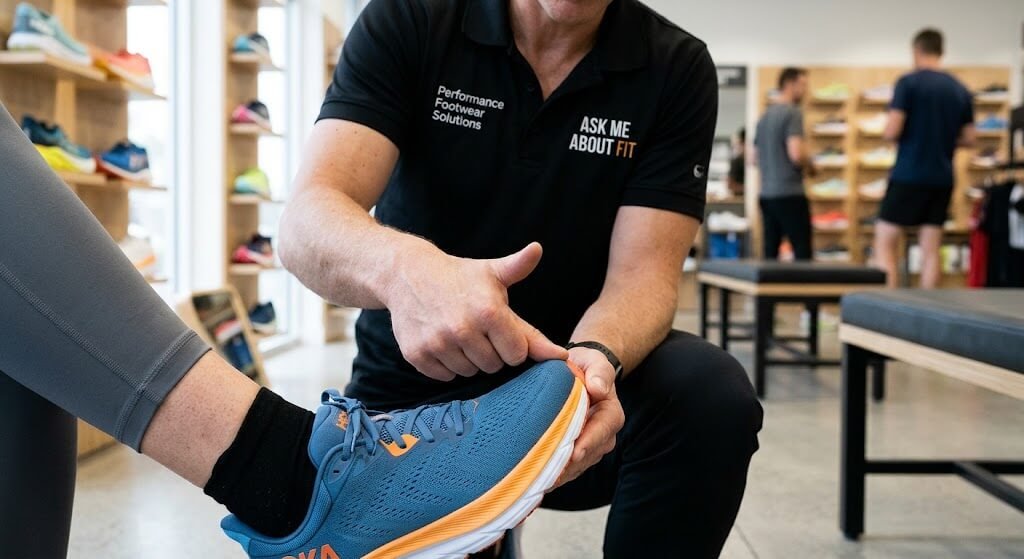
- Check the Toe Box: Ensure there is at least a thumb’s width of space between your longest toe and the end of your shoe.
- Lace Correctly: Use a heel-lock lacing technique to keep your foot from sliding forward during downhill runs or heavy squat sessions.
- Moisture Management: Wear moisture-wicking synthetic or merino wool socks rather than cotton to prevent soft, waterlogged nails that tear easily.
Step 4: Practice Proper Toenail Hygiene
- Trim Straight Across: Never round the corners deeply, as this increases the risk of ingrown nails and weakens the nail border.
- File Gently: Use a fine-grit glass file in one direction to smooth out micro-cracks along the free edge.
- Hydrate the Cuticles: Apply a drop of jojoba or mineral oil to the nail bed daily to lock in surface lipids.
Common Mistakes to Avoid
When attempting to strengthen brittle nails, avoiding common errors can save you time and prevent unnecessary foot discomfort:
Common Mistake: Expecting Overnight Results
The Fix: Many people abandon biotin after 3 or 4 weeks because they see no difference in their toenails. Remind yourself that toenail growth is extremely slow. Commit to a 6-to-12-month timeline before evaluating whether the supplement has worked.
- Ignoring Shoe Fit: Taking high doses of supplements while wearing cramped lifting shoes or tight running sneakers will not prevent toenails from bruising or cracking under physical pressure.
- Consuming Raw Egg Whites: Drinking raw egg whites in high-protein shakes introduces avidin, which binds tightly to biotin in the gut and prevents its absorption. Always cook your eggs.
- Over-Filing the Nail Surface: Buffing away ridges on top of the toenail thins the nail plate, making it even more fragile.
Complementary Micronutrients for Nail Thickness
While biotin is the most widely discussed supplement for nail weakness, other micronutrients play supporting roles in maintaining nail plate thickness and integrity:
- Iron: Deficiency in iron can cause thin, brittle toenails with raised ridges or concave shapes (koilonychia).
- Zinc: Zinc is essential for protein synthesis and cellular division in the nail matrix. Low zinc levels can cause white spots and brittle borders.
- Collagen Peptides: Collagen provides key amino acids like proline and glycine, which support connective tissue resilience throughout the body.
For overall metabolic support, maintaining balanced micronutrient intake is critical. If you are exploring how systemic nutrition supports physical performance, see our guide on how to support metabolism naturally for weight management.
When to Consult a Professional
Not all toenail issues stem from nutritional gaps or physical strain. You should consult a podiatrist or dermatologist if you notice:
- Thickened, yellowed, or crumbling toenails (frequently signs of a fungal infection).
- Dark discoloration or streaks running vertically down the nail plate.
- Severe pain, redness, or swelling around the cuticle or side borders.
- Nails that lift completely away from the nail bed (onycholysis).
If underlying medical issues, fungal infections, or severe circulation problems are present, biotin alone will not solve the issue.
Sample 6-Month Toenail Care Tracker
To monitor your progress when using biotin for brittle toenails, track changes month-by-month using a structured approach:
| Month | Focus Area | What to Look For |
| Month 1 | Establish routine (2,500 mcg biotin daily + shoe adjustment) | No immediate visual change; reduced shoe friction during workouts. |
| Month 2 | Cuticle care & baseline photography | Healthy cuticle tissue; smooth skin around the nail bed. |
| Month 3 | Matrix inspection | First 2–3 mm of new nail growth at the base (lunula) appears smoother. |
| Month 6 | Mid-way evaluation | Approximately 9–10 mm of new growth; check for reduced splitting along the new border. |
| Month 12 | Full nail cycle complete | The entire toenail plate has refreshed; assess overall thickness and durability. |
Frequently Asked Questions
How long does it take for biotin to strengthen toenails?
Because toenails grow slowly at approximately 1.62 mm per month, it typically takes 3 to 6 months to see stronger nail growth at the base, and up to 12 months for the full toenail to grow out stronger.
Can biotin repair a toenail that is already split or cracked?
No, biotin cannot repair existing nail tissue that has already grown out and split. It works internally within the nail matrix to strengthen new tissue as it forms and grows outward.
What is the recommended dosage of biotin for brittle nails?
Clinical studies evaluating brittle nails often use doses ranging from 2,500 mcg (2.5 mg) to 5,000 mcg (5 mg) per day. Always consult your healthcare provider before starting high-dose regimens.
Does biotin cause side effects or affect blood tests?
Biotin is generally well-tolerated because excess amounts pass through urine. However, high doses can significantly alter laboratory test results, including thyroid and troponin tests. Discontinue high doses several days before blood draws.
Why are my toenails brittle even though my fingernails are strong?
Toenails endure unique mechanical stress from footwear, physical impact, and moisture accumulation from sweat. While fingernails reflect internal health quickly, toenails are heavily influenced by local physical trauma.
Can a biotin deficiency cause brittle nails?
Yes, a true Vitamin B7 deficiency can lead to fragile, easily broken nails and hair thinning. However, severe deficiencies are rare in people consuming a balanced diet with adequate protein.
Conclusion
So, does biotin help brittle toenails grow stronger? The evidence shows that Vitamin B7 plays a crucial role in keratin synthesis, and targeted supplementation of 2,500 mcg daily can improve nail thickness and structural resilience over time. However, biotin is not an instant fix. Because toenails grow at a slow pace of about 1.62 mm per month, achieving healthier, firmer toenails requires consistent supplementation alongside proper shoe sizing, smart hygiene, and good baseline nutrition.
Give your body the time and raw materials it needs, protect your feet during training, and stick with your routine for at least 6 to 12 months to see lasting results.