As a strength and conditioning coach, I see athletes and active adults push their physical limits every day. You might focus heavily on muscle recovery and joint health, but sometimes physical stress shows up in unexpected places. Brittle, peeling, or splitting nails are a common complaint, especially among runners, pickleball players, and women over 40. If you are wondering what vitamins help strengthen weak toenails, you are asking the right question. Nutrition plays a foundational role in keratin production and overall nail bed health.
Your toenails endure constant friction, pressure, and micro-trauma during workouts. Without the right building blocks, they become prone to breaking. This guide breaks down the exact nutrients your body needs, how to get them from real food, and practical coaching tips to protect your feet during training.
Quick Answer
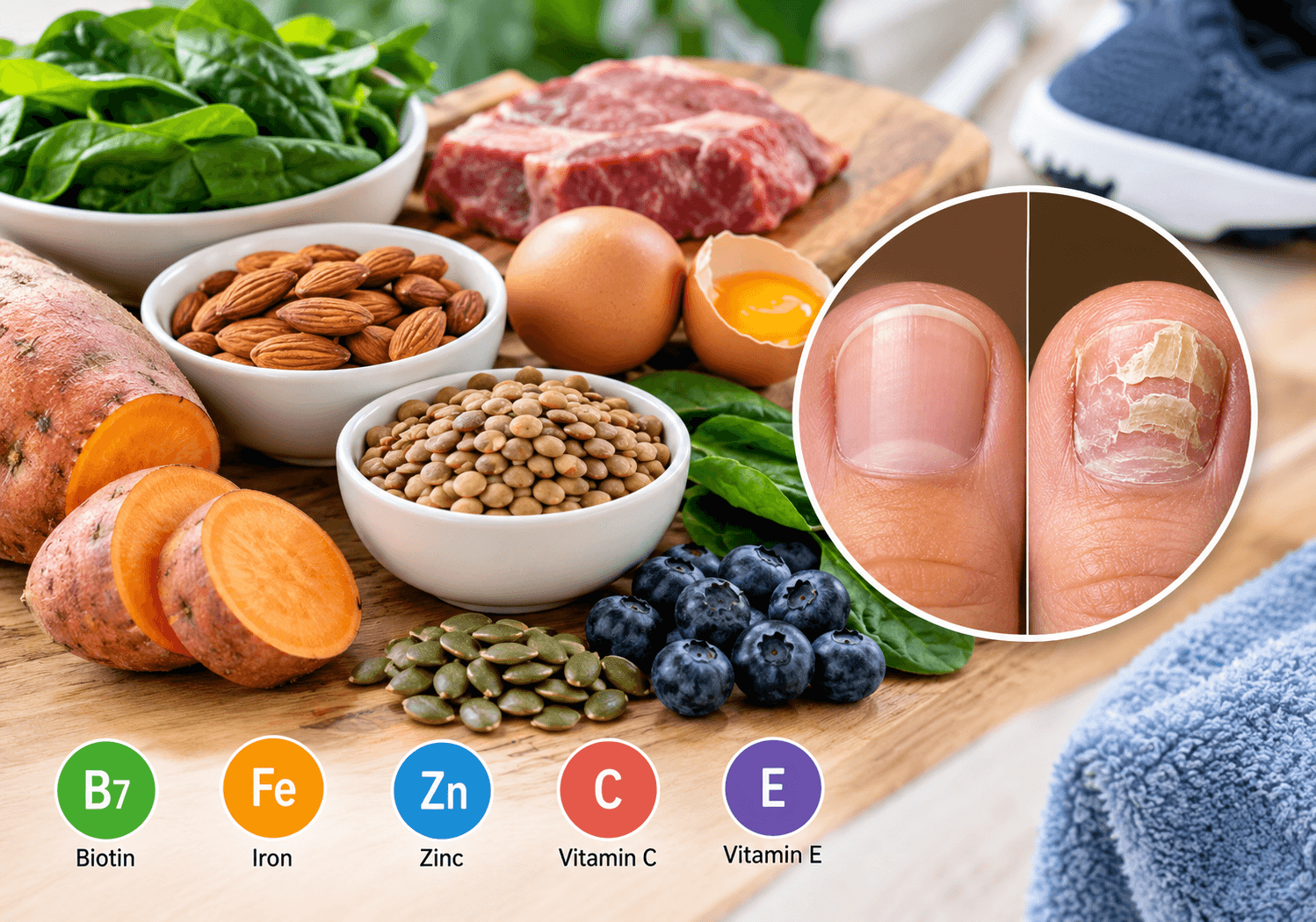
The best vitamins to strengthen weak toenails include Biotin (Vitamin B7) for keratin production, Iron to prevent brittleness and spooning, Zinc for cellular repair, Vitamin C for collagen synthesis, and Vitamin E for antioxidant protection. Consistent daily intake through whole foods or targeted supplements, paired with proper footwear, yields the best results over three to six months.
Why Do Toenails Become Weak and Brittle?
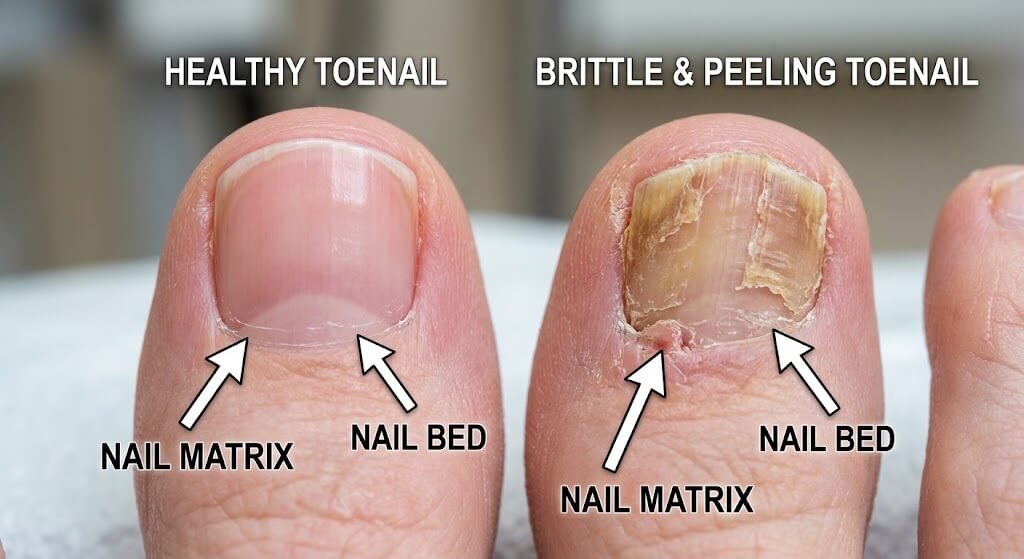
Before diving into supplements, we must understand why toenails fail in the first place. The nail plate is made of a tough protein called keratin. When keratin production slows down or the nail matrix is damaged, the nail becomes thin, ridged, or prone to splitting.
Several factors contribute to weak toenails. Age is a primary factor. As we get older, natural circulation to the extremities decreases, and nutrient delivery to the nail bed slows down. Women over 40 often notice this change due to hormonal shifts that affect moisture retention in the skin and nails.
Physical trauma is another major culprit. If you run 3 to 5 miles (4.8 to 8 km) a week or play high-impact sports like pickleball, your toes repeatedly slam into the front of your shoe. This repetitive stress causes micro-tears in the nail plate.
Finally, nutritional gaps directly impact nail integrity. A diet lacking in essential proteins, vitamins, and minerals starves the nail matrix of the resources it needs to build strong, resilient keratin. Addressing these gaps is the first step toward lasting improvement.
The Top Vitamins and Minerals for Toenail Strength
To build a resilient nail plate, your body requires a specific synergy of micronutrients. Below are the most evidence-backed vitamins and minerals that target nail health directly.
1. Biotin (Vitamin B7)
Biotin is arguably the most famous nutrient for hair and nail health. It acts as a coenzyme in the body, helping to metabolize fats, carbohydrates, and proteins. More importantly, it directly supports the infrastructure of keratin.
Research suggests that biotin supplementation can improve nail firmness and thickness. A study noted in the Journal of Clinical and Aesthetic Dermatology found that participants taking biotin supplements showed significant improvement in nail firmness and hardness, reducing splitting and fraying.
Best Food Sources:
- Cooked eggs (especially the yolk): 1 large egg provides about 10 micrograms (mcg).
- Almonds: 1 ounce (28 grams) provides roughly 1.5 mcg.
- Sweet potatoes: 1 half-cup serving provides about 2.4 mcg.
Coach’s Tip: If you eat raw egg whites frequently, be aware they contain avidin, a protein that binds to biotin and prevents its absorption. Always cook your eggs to maximize biotin uptake.
2. Iron
Iron is critical for transporting oxygen throughout your body via hemoglobin. When iron levels drop, your body prioritizes oxygen delivery to vital organs, often leaving extremities like your fingers and toes under-resourced.
Iron deficiency is a leading cause of koilonychia, a condition where nails become thin, brittle, and concave (spoon-shaped). The Mayo Clinic notes that brittle nails are a classic symptom of low iron stores, particularly in premenopausal women and endurance athletes who lose iron through sweat and foot-strike hemolysis.
Best Food Sources:
- Spinach (cooked): 1 half-cup provides about 3.2 milligrams (mg).
- Lean beef: 3 ounces (85 grams) provides roughly 2.1 mg.
- Lentils: 1 half-cup cooked provides about 3.3 mg.
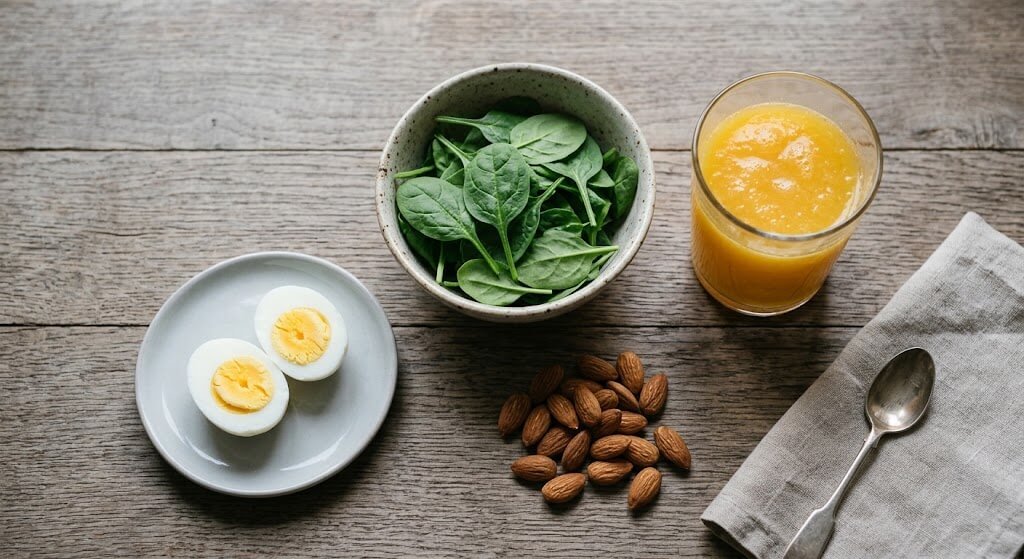
Common Mistake: Taking iron supplements with coffee or tea. The tannins in these beverages block iron absorption. Always take iron with a source of Vitamin C, like a glass of orange juice, to boost uptake.
3. Zinc
Zinc is a trace mineral that plays a vital role in DNA synthesis, cellular division, and protein formation. Because the nail matrix is one of the fastest-growing tissues in the body, it requires a steady supply of zinc to produce new nail cells efficiently.
A deficiency in zinc often presents as Beau’s lines (horizontal ridges across the nail) or white spots on the nail plate. The Cleveland Clinic emphasizes that zinc is essential for wound healing and tissue repair, making it crucial for athletes whose toenails endure constant micro-trauma.
Best Food Sources:
- Oysters: 3 ounces (85 grams) provide a massive 74 mg (well over the daily requirement).
- Pumpkin seeds: 1 ounce (28 grams) provides about 2.2 mg.
- Chickpeas: 1 half-cup cooked provides roughly 1.2 mg.
4. Vitamin C
While Vitamin C is famous for immune support, it is equally important for structural integrity. Vitamin C is a mandatory cofactor in the synthesis of collagen. Collagen provides the flexible, supportive framework that keeps the nail bed attached to the nail plate and prevents peeling.
Without adequate Vitamin C, collagen production falters, leading to dry, brittle nails that easily snag and tear. Furthermore, Vitamin C enhances the absorption of non-heme iron (the type found in plant foods), creating a powerful synergistic effect for nail health.
Best Food Sources:
- Red bell peppers: 1 half-cup chopped provides about 95 mg.
- Oranges: 1 medium fruit provides roughly 70 mg.
- Broccoli (cooked): 1 half-cup provides about 51 mg.
5. Vitamin E
Vitamin E is a potent fat-soluble antioxidant. Its primary job is to protect cell membranes from oxidative stress caused by free radicals. For your feet, this means protecting the delicate cells of the nail matrix from damage.
Topical and dietary Vitamin E also helps maintain moisture levels in the cuticle and nail plate. Dry nails are brittle nails. By improving local hydration and reducing oxidative damage, Vitamin E helps prevent onychoschizia (the medical term for nail splitting and peeling).
Best Food Sources:
- Sunflower seeds: 1 ounce (28 grams) provides about 7.4 mg.
- Avocado: 1 half-cup sliced provides roughly 2.1 mg.
- Almonds: 1 ounce (28 grams) provides about 6.8 mg.
How to Apply This: A Practical Nutrition Strategy
Knowing which nutrients you need is only half the battle. As a coach, I tell my clients that consistency beats intensity. You cannot fix months of nutritional neglect with one week of heavy supplementation.
Step 1: Prioritize Whole Foods First
Before reaching for a pill, assess your daily diet. Are you getting adequate protein intake to supply the amino acids required for keratin? Adequate protein intake is the foundation of all structural tissue repair, including your nails. Aim for 0.8 to 1 gram of protein per pound (1.8 to 2.2 grams per kg) of body weight if you are highly active.
Step 2: Evaluate Supplement Ingredients Carefully
If your diet falls short, a targeted supplement can help. However, the supplement industry is loosely regulated. When you evaluate supplement ingredients, always look for third-party testing seals like NSF Certified for Sport or USP. This ensures the product actually contains the biotin, zinc, or iron listed on the label without harmful contaminants.
Step 3: Know What to Look For in a Supplement
When shopping, what to look for in a supplement includes bioavailable forms of minerals. For example, choose zinc picolinate or zinc glycinate over zinc oxide, as they are absorbed much more efficiently by the digestive tract. Similarly, look for methylcobalamin (B12) and biotin in dedicated B-complex formulas.
Step 4: Support Your Body Naturally
Supplements are meant to supplement, not replace, a healthy lifestyle. To support your body naturally, combine your nutrient intake with proper hydration. Dehydration directly leads to brittle nails. Aim for at least half your body weight in ounces of water daily, plus extra for sweat loss during training.
Related Tips: Protecting Your Toenails Beyond Nutrition
Vitamins build the nail from the inside out, but you must also protect it from the outside in. Mechanical stress can undo the benefits of even the best diet.
1. Footwear Fit is Non-Negotiable
Your running or training shoes must have a toe box that allows your toes to splay naturally. There should be at least 0.5 inches (1.27 cm) of space between your longest toe and the front of the shoe. When you stand, your toes should not press against the fabric. If they do, you will develop subungual hematomas (black toenails) and chronic brittleness.
2. Proper Nail Trimming Technique
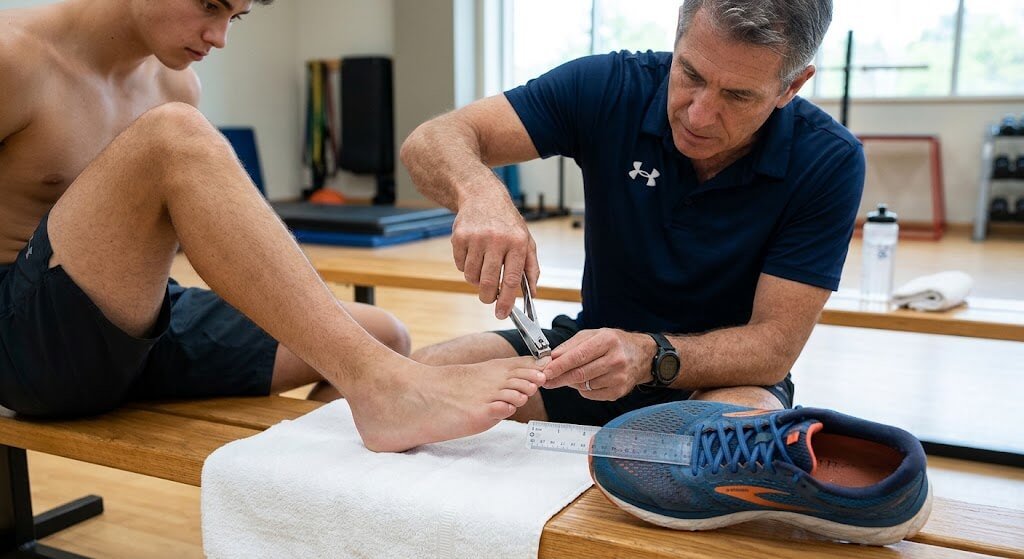
Trim your toenails straight across, not in a curved shape. Curving the edges encourages the nail to grow into the skin, causing ingrown toenails and subsequent infections that weaken the nail matrix. Use a dedicated, sharp toenail clipper and file the edges gently to remove sharp corners.
3. Hygiene and Fungal Prevention
A fungal infection (onychomycosis) will make any toenail thick, yellow, and crumbly. No vitamin can fix a fungal infection. Keep your feet dry. Change out of sweaty socks immediately after your workout. Use moisture-wicking socks made of merino wool or synthetic blends, avoiding 100% cotton, which holds sweat against the skin.
4. The Role of Recovery
Do not underestimate systemic recovery. Just as quality sleep affects recovery for your muscles, it is also the time when your body performs most of its cellular repair, including keratin synthesis in the nail matrix. Aim for 7 to 9 hours of uninterrupted sleep per night.
Safety Notes and When to See a Doctor
While optimizing your nutrition is generally safe, there are important caveats.
First, more is not always better. Fat-soluble vitamins like Vitamin E can accumulate in the body and cause toxicity if taken in massive doses. High doses of zinc (over 40 mg per day for extended periods) can actually deplete your body’s copper levels, leading to neurological issues and worsened anemia.
Second, sudden changes in your toenails can be a red flag for underlying health conditions. If your nails become severely discolored, detach from the nail bed, or show deep horizontal ridges, do not just self-treat with vitamins. These can be signs of thyroid dysfunction, severe anemia, or fungal infections.
Always consult with a physician or a registered dietitian before starting a new high-dose supplement regimen, especially if you are pregnant, nursing, or taking prescription medications.
Frequently Asked Questions (FAQ)
Does biotin really strengthen toenails?
Yes, research indicates that biotin (Vitamin B7) can improve nail firmness and thickness. It supports the body’s keratin infrastructure. However, it typically takes three to six months of consistent daily use to see visible improvements, as toenails grow slowly.
What vitamin deficiency causes weak toenails?
Iron deficiency is the most common nutritional cause of weak, brittle, or spoon-shaped nails. Deficiencies in zinc, Vitamin C, and B-vitamins can also lead to ridges, splitting, and poor nail growth due to impaired cellular repair and collagen synthesis.
How long does it take for vitamins to fix brittle nails?
Toenails grow at an average rate of 1 to 2 millimeters per month. Because of this slow growth rate, it generally takes three to six months of consistent, improved nutrition to see a fully new, healthier nail grow in and replace the brittle portion.
Can Vitamin E improve toenail strength?
Vitamin E helps primarily by providing antioxidant protection to the nail matrix and improving moisture retention in the cuticle and nail plate. While it may not thicken the nail like biotin, it prevents the dryness that leads to peeling and splitting.
What are the best foods for strong toenails?
Focus on a combination of keratin-building and protective foods. Excellent choices include eggs (biotin), lean beef and spinach (iron), oysters and pumpkin seeds (zinc), red bell peppers (Vitamin C), and almonds (Vitamin E and healthy fats).
Do multivitamins help with toenail growth?
A high-quality multivitamin can help fill general nutritional gaps, which indirectly supports nail health. However, if you have a specific, diagnosed deficiency (like low iron), a targeted supplement prescribed by a doctor will be more effective than a standard multivitamin.
Conclusion
Understanding what vitamins help strengthen weak toenails empowers you to take control of your foot health. By focusing on a nutrient-dense diet rich in Biotin, Iron, Zinc, Vitamin C, and Vitamin E, you provide your body with the exact building blocks it needs for robust keratin production.
Remember that nutrition is only one piece of the puzzle. Pair your improved diet with properly fitted footwear, correct trimming techniques, and diligent foot hygiene. Be patient, as nail growth is a slow process. With consistent effort, you can build stronger, healthier toenails that can withstand the demands of your active lifestyle.