
How does protein intake affect hunger and fullness hormones? Understanding this biological mechanism is the key to sustainable weight management and effective muscle building. When you eat protein, your body does not just use it to build muscle. It also triggers a powerful cascade of chemical signals in your gut and brain. These signals directly influence your appetite, cravings, and overall energy levels.
As a strength and conditioning coach, I see clients struggle with hunger every day. They try to outsmart their appetite with willpower, but willpower eventually runs out. Biology, however, is reliable. By strategically increasing your dietary protein, you can work with your body’s natural chemistry to stay full, focused, and on track with your fitness goals. This guide breaks down the exact science of satiety hormones and gives you a practical, step-by-step plan to apply it to your daily routine.
Quick Answer
Protein intake directly reduces hunger by lowering ghrelin (the primary hunger hormone) and boosting satiety hormones like peptide YY (PYY), GLP-1, and cholecystokinin (CCK). This hormonal shift slows gastric emptying and signals your brain’s hypothalamus that you are full, helping you naturally control portions and manage weight without constant cravings.
The Science Behind Protein and Satiety Hormones
To understand how does protein intake affect hunger and fullness hormones, we must look at the digestive tract and the brain. Your gut is often called your “second brain” because it produces numerous hormones that communicate directly with your central nervous system. Protein is the most potent macronutrient for triggering these specific chemical messengers.
Ghrelin: The Hunger Hormone
Ghrelin is primarily produced in the stomach. Its main job is to signal the hypothalamus in your brain that it is time to eat. Ghrelin levels typically rise before a meal and fall sharply after you eat. Research published in the Journal of Clinical Endocrinology & Metabolism shows that protein suppresses ghrelin levels significantly more effectively than carbohydrates or fats. When you eat a high-protein meal, the drop in ghrelin is deeper and lasts longer, meaning the urge to snack returns much later.
Peptide YY (PYY): The Gut’s Fullness Signal
Peptide YY (PYY) is a hormone released by cells in the ileum and colon (parts of the small and large intestines) in response to feeding. According to studies in the New England Journal of Medicine, PYY levels rise dramatically after a high-protein meal. PYY travels through the bloodstream to the brain, where it binds to receptors in the hypothalamus to induce a strong feeling of satiety. Higher circulating levels of PYY are directly linked to reduced calorie intake at subsequent meals.
Glucagon-Like Peptide-1 (GLP-1): The Satiety Booster
GLP-1 is another incretin hormone secreted by the intestines when nutrients, especially protein and fat, enter the digestive tract. GLP-1 does two critical things for appetite control. First, it slows down gastric emptying, meaning food stays in your stomach longer, physically keeping you full. Second, it acts on the brain to reduce appetite. This is the same hormonal pathway that modern weight-management medications target, but you can stimulate it naturally through adequate dietary protein.
Cholecystokinin (CCK): The Digestion Regulator
Cholecystokinin (CCK) is released by the duodenum (the first part of the small intestine) when it detects fats and proteins. CCK stimulates the gallbladder to release bile and the pancreas to release digestive enzymes. Beyond digestion, CCK acts as a potent satiety signal to the brain. Meals rich in high-quality protein provoke a strong CCK response, effectively putting a “brake” on your appetite.
Hormonal Response Comparison Table
| Hormone | Primary Function | How Protein Affects It | Result on Hunger |
| Ghrelin | Stimulates appetite | Strongly suppresses production | Decreases hunger signals to the brain |
| Peptide YY (PYY) | Signals fullness | Stimulates significant release | Reduces desire to eat at next meal |
| GLP-1 | Slows digestion, boosts satiety | Triggers release in the gut | Keeps food in stomach longer, curbs cravings |
| Cholecystokinin (CCK) | Aids digestion, signals satiety | Provokes strong release | Creates immediate post-meal fullness |
The Thermic Effect of Food (TEF) and Protein
Beyond hormones, protein affects your energy balance through the Thermic Effect of Food (TEF). TEF is the number of calories your body burns just to digest, absorb, and process the nutrients in your meal.
Protein has a TEF of 20% to 30%. This means if you eat 100 calories of protein, your body uses 20 to 30 of those calories just to process it. In contrast, carbohydrates have a TEF of 5% to 10%, and fats have a TEF of only 0% to 3%. This metabolic advantage means a high-protein diet naturally increases your daily energy expenditure. When combined with the hormonal benefits of reduced ghrelin and elevated PYY, protein creates a powerful, two-pronged approach to managing body composition.
How to Apply This Science to Your Daily Diet
Knowing the science is only half the battle. As a coach, my job is to translate this research into actionable steps you can use in your kitchen and at the gym. Here is a practical, four-step framework to optimize your protein intake for maximum satiety.
Step 1: Calculate Your Baseline Protein Needs
A common mistake is underestimating how much protein is required to trigger these hormonal benefits. The Recommended Dietary Allowance (RDA) of 0.36 grams per pound (0.8 grams per kg) of body weight is merely the minimum to prevent deficiency, not the optimal amount for satiety or muscle retention.
For effective appetite regulation and body composition goals, aim for 0.8 to 1.0 grams of protein per pound of body weight (1.7 to 2.2 grams per kg). For example, a person weighing 150 lb (68 kg) should target 120 to 150 grams of protein daily.
Step 2: Distribute Protein Evenly Across Meals
Your body can only utilize a certain amount of protein for muscle protein synthesis at one time, and spreading it out keeps satiety hormones elevated throughout the day. Aim for 25 to 40 grams of high-quality protein per meal, across three to four meals.
Do not save all your protein for dinner. Front-loading your protein intake at breakfast has been shown to significantly reduce evening snacking and late-night cravings. A breakfast containing 30 grams of protein stabilizes blood sugar and prevents the mid-morning energy crash that often leads to poor food choices.
Step 3: Choose High-Quality, Minimally Processed Sources
Not all protein is created equal. The amino acid profile matters. Leucine, an essential amino acid, is particularly effective at triggering muscle protein synthesis and satiety signals.
- Animal Sources: Chicken breast, turkey, lean beef, eggs, and fish are complete proteins with high leucine content.
- Dairy Sources: Greek yogurt and cottage cheese are excellent because they contain casein, a slow-digesting protein that provides a prolonged release of amino acids and sustained fullness.
- Plant Sources: Lentils, chickpeas, tofu, tempeh, and quinoa are great options. If you follow a plant-based diet, combine different sources (like rice and beans) to ensure you get all essential amino acids.
Step 4: Pair Protein with Fiber and Healthy Fats
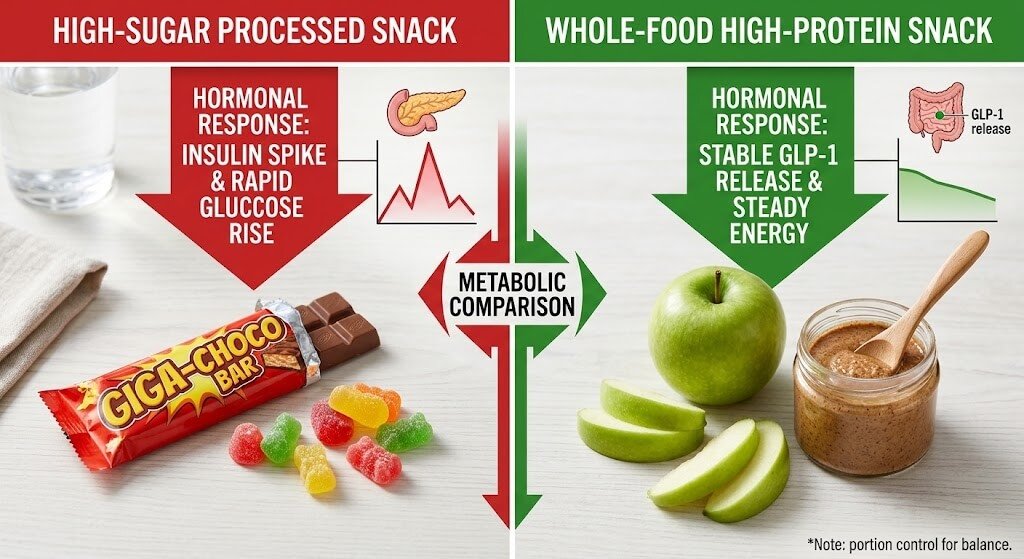
While protein is the king of satiety hormones, combining it with fiber and healthy fats creates an unstoppable fullness effect. Fiber adds physical bulk to your stomach, stretching the gastric walls and triggering additional stretch receptors that signal fullness to the brain. Furthermore, maintaining stable blood sugar is crucial. Supporting healthy glucose metabolism ensures that your energy remains steady, preventing the insulin spikes and crashes that mimic false hunger cues.
Additionally, optimizing your overall metabolic health supports healthy blood vessel function, which ensures efficient nutrient delivery to your muscles and digestive organs after a meal.

Practical Meal Examples for Maximum Satiety
Here are three sample meals designed to deliver 30–40 grams of protein, trigger satiety hormones, and keep you full for hours. All weights are provided in pounds and ounces (with kilograms in brackets) for easy tracking.
Breakfast: The Satiety Starter
- 3 whole large eggs (scrambled or boiled)
- 1 cup (225 g) of plain, non-fat Greek yogurt
- 1/2 cup (40 g) of rolled oats topped with 1 tbsp (15 g) of chia seeds
- Protein total: ~35 grams
- Why it works: The eggs and Greek yogurt provide a rapid and sustained release of amino acids, while the oats and chia seeds add soluble fiber to slow gastric emptying.
Lunch: The Afternoon Anchor
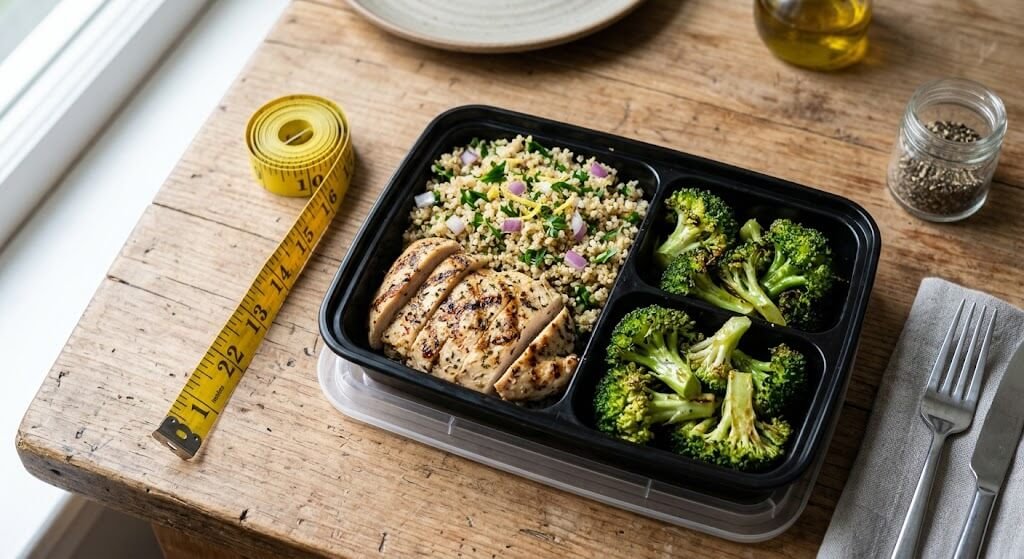
- 6 oz (170 g) of grilled chicken breast
- 1 cup (150 g) of cooked quinoa
- 2 cups (60 g) of mixed leafy greens with 1 tbsp (15 ml) of olive oil dressing
- Protein total: ~40 grams
- Why it works: Chicken breast is highly bioavailable. Quinoa provides a complete plant protein profile alongside complex carbohydrates, preventing the afternoon slump.
Dinner: The Recovery Builder
- 6 oz (170 g) of baked salmon
- 1 cup (150 g) of roasted sweet potatoes
- 1.5 cups (100 g) of steamed broccoli
- Protein total: ~35 grams
- Why it works: Salmon provides high-quality protein plus omega-3 fatty acids, which support joint health and reduce inflammation. This is especially important if you are actively training, as maintaining proper human body anatomy and joint function is critical for long-term fitness success.
Coach’s Tip and Common Mistakes
Coach’s Tip:
If you struggle to hit your protein goals, drink your protein strategically. A whey protein isolate shake (1 scoop, ~25 grams of protein) consumed 30 minutes before a meal can pre-load your system with amino acids. Studies show this pre-meal protein intake significantly reduces the total calories consumed during the subsequent meal by priming your GLP-1 and CCK receptors early.
Common Mistake:
Relying on highly processed protein bars or sugary protein shakes. Many commercial protein bars contain 15 grams of protein but are packed with 20 grams of added sugar and sugar alcohols. This sugar spike triggers a rapid insulin release, followed by a blood sugar crash. This crash overrides your satiety hormones, making you feel ravenously hungry an hour later. Always check the label: aim for a minimum 2:1 ratio of protein to carbohydrates, and keep added sugars under 5 grams per serving.
Safety Notes and Health Considerations
Increasing protein intake is safe and beneficial for the vast majority of healthy individuals. However, there are important safety notes to consider.
First, the myth that high protein damages healthy kidneys has been thoroughly debunked by major health organizations. Research from the National Kidney Foundation indicates that high-protein diets do not cause kidney disease in people with normal renal function. However, if you have pre-existing chronic kidney disease (CKD), you must consult your nephrologist or a registered dietitian before increasing your protein intake, as your kidneys may struggle to filter the increased nitrogen waste.
Second, a high-protein diet requires adequate hydration. Protein metabolism produces urea, which is excreted through urine. To help your kidneys flush this waste efficiently, increase your water intake. A good baseline is to drink at least half your body weight in ounces of water daily (e.g., a 160 lb person should drink at least 80 oz, or about 2.4 liters, of water).
Finally, do not use protein as an excuse to ignore other vital nutrients. A diet consisting only of protein lacks the vitamins, minerals, and phytonutrients found in fruits, vegetables, and whole grains. Balance is the foundation of long-term health.
How Resistance Training Amplifies These Benefits
Diet and exercise are not separate entities; they work synergistically. When you engage in resistance training, you create micro-tears in your muscle fibers. Your body requires dietary protein to repair and rebuild these fibers, a process called muscle protein synthesis.
Building lean muscle mass is one of the most effective ways to improve your resting metabolic rate. More muscle means your body burns more calories at rest, making it easier to maintain a caloric deficit without feeling deprived. Furthermore, exercise itself has a regulatory effect on appetite. While intense cardio can sometimes temporarily spike hunger, moderate to heavy resistance training has been shown to improve appetite regulation over time.
Supporting your workouts with proper nutrients is also key. For example, many athletes use supplements to enhance performance and recovery. Understanding how L-arginine vs L-citrulline compares can help you choose the right amino acid support for nitric oxide benefits, which improve blood flow and nutrient delivery to working muscles. Enhanced circulation ensures that the amino acids from your high-protein meals are efficiently shuttled to the muscles that need them most, accelerating recovery and reducing post-workout fatigue.

Frequently Asked Questions (FAQ)
1. Does eating more protein reduce cravings?
Yes. By lowering ghrelin and boosting GLP-1 and PYY, protein stabilizes your appetite. This hormonal balance prevents the blood sugar spikes and crashes that typically trigger intense cravings for sugary or highly processed foods, making it easier to stick to your nutrition plan.
2. What hormone makes you feel full after eating protein?
Peptide YY (PYY) and Glucagon-Like Peptide-1 (GLP-1) are the primary hormones responsible. Both are released by the intestines in response to protein digestion. They travel to the brain’s hypothalamus to signal fullness and simultaneously slow down the rate at which your stomach empties.
3. How much protein do I need to feel full?
Aim for 25 to 40 grams of high-quality protein per meal. This threshold is generally required to maximally stimulate muscle protein synthesis and trigger a significant release of satiety hormones like CCK and PYY, keeping you satisfied for three to four hours.
4. Does protein lower ghrelin levels?
Yes, significantly. Studies consistently show that protein suppresses ghrelin (the hunger hormone) more effectively than carbohydrates or fats. This suppression lasts longer, which is why a high-protein breakfast can prevent mid-morning hunger pangs.
5. Why does protein keep you fuller longer than carbs?
Protein requires more energy to digest (higher Thermic Effect of Food) and slows gastric emptying. Additionally, protein triggers a stronger and more sustained release of satiety hormones (PYY, GLP-1, CCK) compared to refined carbohydrates, which are digested rapidly and can cause reactive hunger.
6. Does plant protein affect hunger hormones the same as animal protein?
Yes, but with a slight caveat. Both plant and animal proteins stimulate satiety hormones. However, animal proteins generally have a higher concentration of leucine and are more bioavailable. Plant-based eaters can achieve the same hormonal benefits by consuming slightly larger portions or combining complementary proteins (like beans and rice) to ensure a complete amino acid profile.
Conclusion
So, how does protein intake affect hunger and fullness hormones? It acts as a master regulator of your appetite. By actively suppressing ghrelin and stimulating the release of PYY, GLP-1, and CCK, protein communicates directly with your brain to turn off hunger signals. When you combine this hormonal advantage with the metabolic boost of the thermic effect of food, you create a highly effective, sustainable strategy for weight management and muscle preservation.
You do not need to rely on sheer willpower to control your cravings. By calculating your needs, distributing 25 to 40 grams of high-quality protein across your meals, and pairing it with fiber and resistance training, you can work with your body’s natural biology. Start by adding one extra serving of protein to your breakfast tomorrow, and pay attention to how your energy and hunger cues change throughout the day. Your body will thank you.