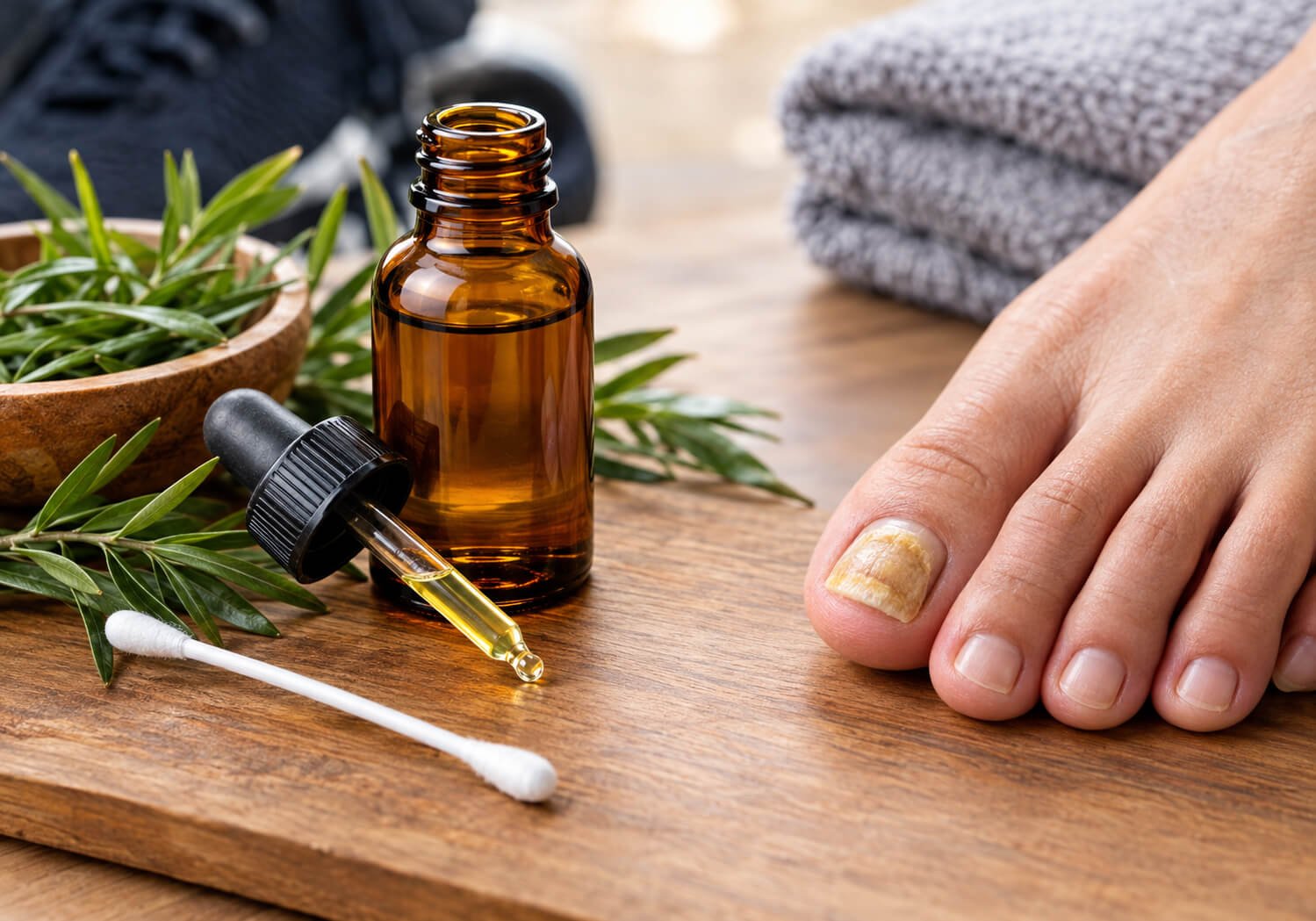
When you spend hours training in heavy lifting shoes, running miles in tight athletic footwear, or walking around damp gym locker rooms, your feet take a beating. Athlete’s foot and stubborn nail discoloration are common issues for active individuals. Yellowing, thick, or brittle toenails can make putting on your shoes uncomfortable and keep you from focusing on your workouts.
Many people turn to natural home options like essential oils to manage nail changes before seeing a doctor. Tea tree oil (Melaleuca alternifolia) is one of the most popular remedies. But can tea tree oil help toenail fungus naturally?
In this evidence-based guide, we examine what scientific research says about tea tree oil, how to apply it safely without burning your skin, and when you need medical treatment from a podiatrist.
Quick Answer
Research suggests tea tree oil has mild to moderate antifungal properties that may help manage early-stage, mild toenail fungus (onychomycosis). Studies show pure tea tree oil applied twice daily for several months can improve nail appearance and clear mild fungal infections in some users. However, severe or deep infections usually require prescription medical treatments.
What Causes Toenail Fungus in Active Individuals?
Toenail fungus, medically known as onychomycosis or tinea unguium, is primarily caused by microscopic organisms called dermatophytes. The most common culprit is Trichophyton rubrum. These fungi thrive in warm, dark, and damp environments—which describes the inside of a sweaty gym shoe perfectly.
When you exercise, micro-trauma occurs. Running, jumping, or dropping heavy equipment can cause tiny micro-tears between your toenail and the nail bed underneath. Fungi enter through these microscopic cracks and begin feeding on keratin, the protein that makes up your nails.
Symptoms of a fungal nail infection include:
- Yellow, brown, or white discoloration on or under the nail.
- Thickening of the nail body, making it hard to trim.
- Brittle, crumbly, or ragged nail edges.
- Distortion of the nail shape or lifting off the nail bed.
- A mild, foul odor originating from underneath the nail.
For lifters and runners, managing foot hygiene is an essential part of daily health. Proper sleep and recovery support your general immunity, and overall metabolic health helps your body fight skin and nail infections. Research shows that how sleep affects metabolism and health plays a role in total body recovery and tissue repair.
Can Tea Tree Oil Help Toenail Fungus Naturally? What Research Says
Tea tree oil contains active compounds known as terpenes, particularly terpinen-4-ol, which disrupt the cell membranes of fungi and bacteria.
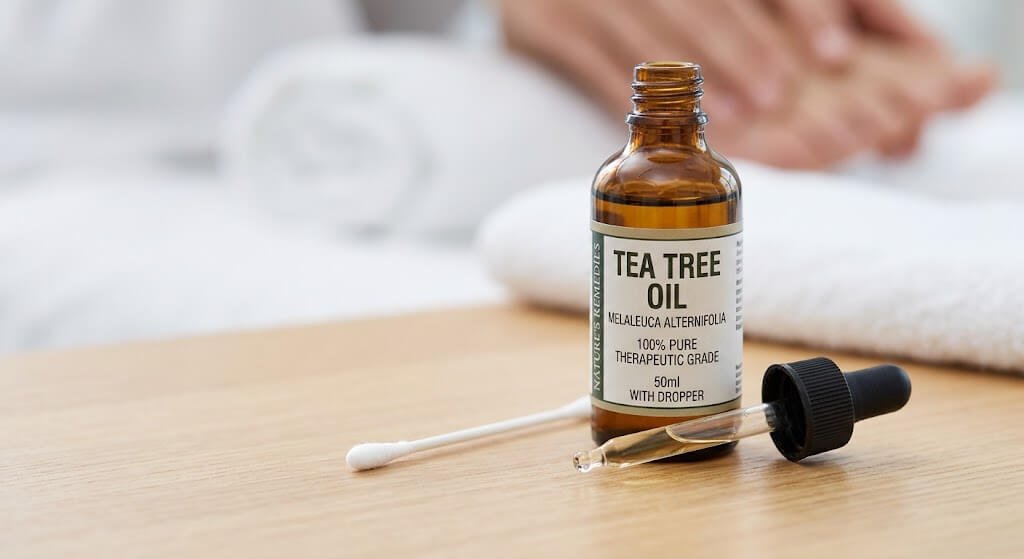
Scientific studies have tested whether tea tree oil effectively clears onychomycosis:
1. The Clinical Trial Evidence
A randomized clinical trial published in the Journal of Family Practice compared 100% pure tea tree oil against a standard over-the-counter antifungal solution (clotrimazole 1%). Participants applied the treatments twice daily for six months. At the end of the study, both groups demonstrated similar success rates: about 60% of participants experienced partial or full clinical improvement, and roughly 18% achieved complete cure.
2. Combination Therapy Research
Another study published in the Journal of the American Podiatric Medical Association looked at combining tea tree oil with a topical antifungal cream. The researchers found that combining a topical cream with natural essential oils improved overall client satisfaction and cleared nail discoloration faster than applying a placebo.
3. Real-World Limitations
While laboratory studies show that tea tree oil kills fungal spores in a test tube, human toenails present a physical barrier. Fungi live deep under the thick keratin structure of the nail bed. Because essential oils do not easily penetrate thick nails, tea tree oil works best for mild, superficial nail infections rather than deep, severe cases.
Maintaining balanced immune function through lifestyle habits, such as knowing which nutrients support normal energy metabolism, gives your tissues the best chance to heal while using natural remedies.

Benefits and Drawbacks of Tea Tree Oil for Nail Health
Understanding the pros and cons helps set realistic expectations before starting a home treatment routine.
| Benefits | Drawbacks & Limitations |
| Natural Antifungal Properties: Contains active compounds that target fungal cell walls. | Slow Action: Requires 6 to 12 months of consistent, daily application. |
| Accessible & Affordable: Available over the counter without a prescription. | Poor Nail Penetration: Cannot easily reach deeper layers of thick toenails. |
| Soothes Surrounding Skin: Can prevent athlete’s foot from spreading to neighboring toes. | Potential Skin Irritation: Pure oil can cause contact dermatitis or redness. |
| Chemical-Free Alternative: Suitable for individuals seeking plant-based care. | Not Effective for Severe Cases: Advanced infections require medical intervention. |
Step-by-Step Guide: How to Apply Tea Tree Oil Safely
Applying pure essential oil directly to the skin can cause redness, blistering, or allergic contact dermatitis. Following a careful, hygienic routine ensures maximum effectiveness while keeping your skin safe.
Step 1: Prep and Clean the Feet
Wash your feet thoroughly using mild soap and warm water. Pay extra attention to the spaces between your toes. Dry your feet completely with a clean towel; fungi thrive in residual moisture.
Step 2: Trim and File the Nail
Carefully clip the affected nail straight across. Use a gentle nail file or emery board to thin down the top surface of the thickened nail. Thinning the nail allows the oil to penetrate closer to the nail bed.
Coach’s Tip: Never use the same nail clipper or file on your healthy nails. This prevents spreading the fungal spores to uninfected toes.
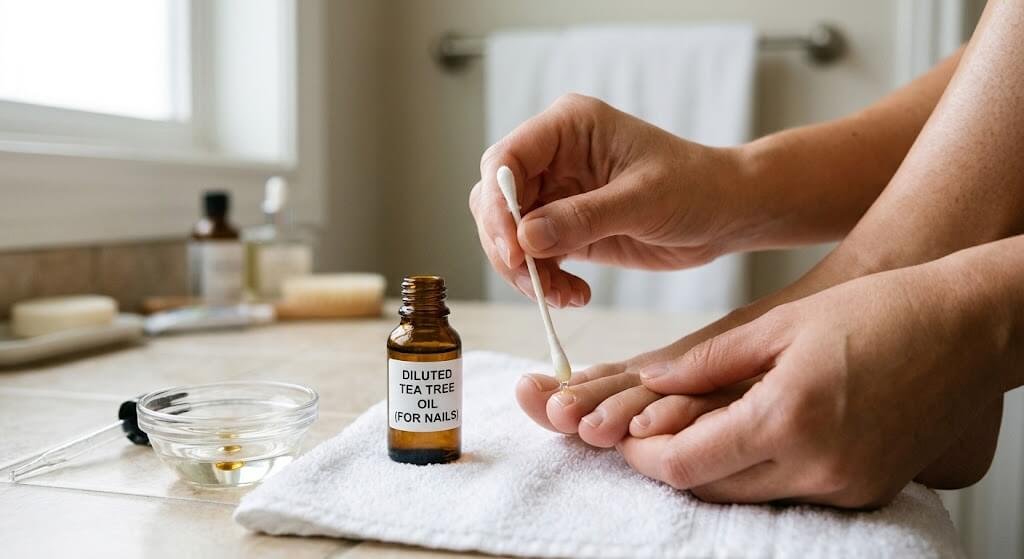
Step 3: Dilute the Tea Tree Oil
Mix 3 to 5 drops of 100% pure tea tree oil with 1 teaspoon of a skin-friendly carrier oil (such as jojoba oil, coconut oil, or olive oil). Dilution protects the delicate skin surrounding your toenail bed while keeping the oil in contact with the nail.
Step 4: Apply to the Affected Nail
Dip a clean cotton swab or cotton ball into the diluted oil mixture. Generously coat the entire surface of the affected nail, the cuticle, and the surrounding skin. Ensure the oil works its way under the front edge of the nail if possible.
Step 5: Let It Dry Completely
Allow the oil to air-dry for 10 to 15 minutes before putting on clean, breathable cotton socks or athletic footwear. Repeat this process twice daily (morning and evening) consistently.
Common Mistake to Avoid
Applying Undiluted Oil to Open Cracks: Applying 100% pure tea tree oil directly to raw, cracked skin around the nail bed often causes severe contact dermatitis, burning, and rash. Always perform a patch test on your forearm and dilute the oil with a suitable carrier oil.
Safety Guidelines, Regressions, and Progressions
Every athlete’s skin sensitivity and infection severity are different. Adjust your foot care approach based on how your skin responds.
Regression: For Sensitive Skin
If you experience redness, itching, or inflammation around the nail bed, reduce the strength of the application.
- Method: Use a diluted foot soak instead of a topical leave-on oil.
- How-to: Mix 5 to 10 drops of tea tree oil with 1 tablespoon of carrier oil, then dissolve it into a basin of warm water with Epsom salts. Soak your feet for 15 minutes, three times per week, followed by complete drying.
Progression: For Stubborn, Mild Cases
If your skin handles tea tree oil well and you do not see skin irritation after two weeks, you can increase topical contact.
- Method: Apply a drop of pure tea tree oil directly onto the top of the tough nail plate using a cotton swab, avoiding the surrounding soft skin.
- Enhancement: Use a foot cream containing 10% urea (a keratolytic agent) 30 minutes before applying tea tree oil. Urea softens keratin structures, helping the oil penetrate deeper into the nail plate.
Supporting overall health, managing exercise habits, and understanding body processes—like knowing what is thermogenesis and how it affects metabolism—helps maintain active lifestyle balance while you work on foot recovery.
Comparing Natural Remedies vs. Medical Treatments
When deciding how to treat fungal toenails, compare tea tree oil against over-the-counter options and medical interventions.
| Treatment Option | Application Type | Typical Success Rate | Treatment Duration | Best Used For |
| Tea Tree Oil | Topical (Natural Oil) | Mild / Moderate (~18-60% improvement) | 6 to 12 months | Early-stage, superficial discoloration |
| OTC Antifungal Creams | Topical (Clotrimazole, Tolnaftate) | Moderate (~20-50%) | 3 to 6 months | Athlete’s foot and outer nail edges |
| Prescription Lacquers | Topical (Ciclopirox, Amorolfine) | Moderate to High (~30-60%) | 4 to 12 months | Mild-to-moderate infections without root involvement |
| Oral Prescription Meds | Systemic Pill (Terbinafine) | High (~60-80%) | 2 to 3 months | Severe, deep, or multi-nail infections |
| Laser Therapy | In-Office Procedure | Moderate to High (~50-70%) | Multiple sessions | Patients unable to take oral medications |
While home options work slowly, systemic body support—such as understanding how to evaluate ingredients in supplements—helps you make safe choices for overall health.
Hygiene Practices for Gym-Goers and Athletes
Treating toenail fungus without changing your daily gym hygiene leads to re-infection. Sweat-soaked socks and humid footwear create an environment where fungi thrive.

1. Wash Gym Footwear and Socks
Fungal spores live inside your athletic shoes for months. Spray the inside of your lifting shoes or running sneakers with an antifungal shoe spray after every workout. Wash activewear socks in hot water.
2. Wear Footwear in Public Areas
Never walk barefoot on gym floors, in locker rooms, public showers, or pool decks. Wear rubber sandals or shower shoes in public areas to protect your feet from fungal spores.
3. Rotate Your Training Shoes
Do not wear the same pair of workout shoes two days in a row. Give your footwear at least 24 to 48 hours to air out completely between sessions.
4. Choose Moisture-Wicking Socks
Swap standard cotton socks for synthetic fibers (like polyester or nylon blends) or merino wool that wick sweat away from your skin during intense workouts.
5. Support Your Immune System
A healthy immune system helps your body regulate skin surface microflora. Eating a balanced diet with proper macronutrients like protein plays a significant role in overall recovery. Read about how protein intake affects hormones and health to optimize your daily nutrition. Similarly, managing lifestyle habits like getting good sleep and understanding how sleep affects health and metabolism supports your natural defense mechanisms.
When to Stop Home Remedies and See a Doctor
While home options appeal to those seeking natural alternatives, self-treating severe infections can lead to permanent nail bed damage.
You should stop home treatment and consult a healthcare professional or podiatrist if:
- You have diabetes, poor circulation, peripheral neuropathy, or an immunocompromising condition. Fungal infections in diabetic feet can quickly develop into serious bacterial complications.
- The fungus spreads across multiple toes or into the surrounding skin, causing severe pain or redness.
- The nail becomes extremely thick, separated from the bed, or painful to wear shoes over.
- You have used tea tree oil consistently for 8 to 12 weeks with zero improvement or noticeable worsening.
- You develop signs of a secondary bacterial infection, such as pus, red streaks, warmth, or swelling.
If you are working on body composition goals alongside foot care, natural approaches should always align with your overall health. Check out our coach’s guide on how to support metabolism naturally or read about increasing metabolism naturally for health for practical wellness advice.
Frequently Asked Questions
How long does tea tree oil take to cure toenail fungus?
Toenails grow slowly—about 1 to 2 millimeters per month. Because tea tree oil affects new growth, seeing a clear nail grow in completely takes between 6 to 12 months of consistent daily application.
Can I apply pure tea tree oil directly to my toenails?
While some people put undiluted tea tree oil on hard nail plates, it frequently irritates the surrounding soft skin. Diluting 3 to 5 drops of tea tree oil in a teaspoon of carrier oil lowers the risk of contact dermatitis while keeping the treatment effective.
Does tea tree oil kill severe nail fungus completely?
No, tea tree oil rarely cures severe, deeply rooted toenail fungus on its own. Advanced infections usually require prescription oral antifungal medications or professional podiatric treatments to clear the nail bed entirely.
What is the best carrier oil for tea tree oil on feet?
Jojoba oil, coconut oil, and olive oil are excellent carrier choices. Coconut oil also contains lauric acid, which offers mild natural antimicrobial properties that complement tea tree oil well during foot application.
Why is my toenail fungus not responding to tea tree oil?
If you see no improvement after several months, the fungal infection may be too deep under the nail plate for topical oils to reach. Alternatively, the nail discoloration might stem from non-fungal conditions like nail psoriasis or micro-trauma.
Can tea tree oil prevent athlete’s foot from spreading?
Yes, tea tree oil possesses broad-spectrum antifungal properties that help control skin-surface fungi like athlete’s foot (tinea pedis). Applying diluted tea tree oil between your toes can help prevent skin infections from spreading to your nails.
Conclusion
Can tea tree oil help toenail fungus naturally? Yes, for mild and early-stage superficial fungal infections, applying tea tree oil regularly can improve nail appearance and help clear fungal growth over time. Its natural antifungal compounds offer an accessible, low-cost option for active individuals looking to manage early nail discoloration.
However, tea tree oil is not a magic cure. It requires strict daily consistency, proper dilution to protect your skin, and realistic expectations. Deep or long-standing infections need targeted medical care from a qualified podiatrist. Combine your foot care with clean gym footwear, proper sock choices, and good hygiene habits to keep your feet healthy and workout-ready.