If you wake up tired, hit an afternoon wall at 3:00 PM, or struggle to get through your evening workout, your first instinct might be to grab an energy drink or brew another cup of dark roast coffee. However, relying on heavy doses of stimulants often leads to an endless loop of jitters, digestive upset, elevated blood pressure, and a sharp late-afternoon crash. Over time, high caffeine consumption can impair your sleep quality, leaving you even more exhausted the next morning.
Fortunately, you do not need stimulants to maintain steady physical endurance and sharp focus throughout the day. Supplements for men’s energy without caffeine work by supporting your body’s internal cellular machinery, optimizing oxygen delivery, and improving stress tolerance. Rather than masking exhaustion with a temporary spike in central nervous system activity, these non-stimulant options address fatigue at its source.
In this comprehensive guide, we will break down the science of cellular energy production, review the most effective stimulant-free ingredients, and show you how to structure an all-day vitality protocol without caffeine.
Quick Answer Box
What are the best supplements for men’s energy without caffeine?
The most effective non-stimulant energy supplements support cellular ATP production and stress management. Top ingredients include CoQ10 and L-Carnitine for mitochondrial function, Creatine Monohydrate for rapid physical energy, Ashwagandha and Rhodiola Rosea for cortisol control, and Vitamin B12 for red blood cell synthesis. These compounds eliminate brain fog and fatigue without causing jitters or energy crashes.
How Non-Stimulant Energy Works inside Your Body
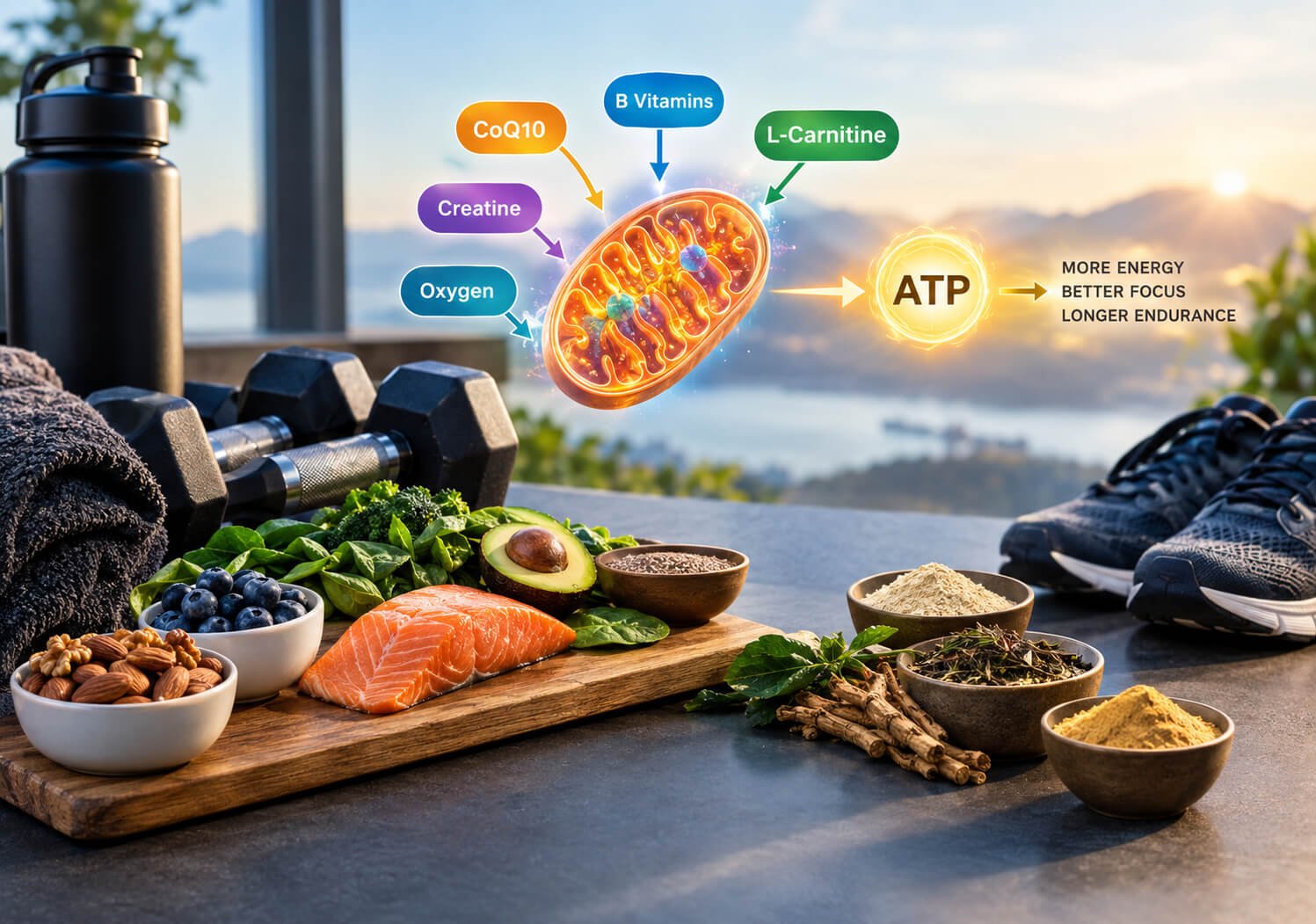
To understand how non-caffeine supplements work, you must first look at how your body generates physical force and mental focus. Unlike caffeine, which simply blocks adenosine receptors in your brain to prevent you from feeling tired, true energy supplements target cellular respiration.
[ Nutrient / Oxygen Intake ] ──> [ Mitochondrial Processing ] ──> [ ATP Production ] ──> [ Sustained Energy ]
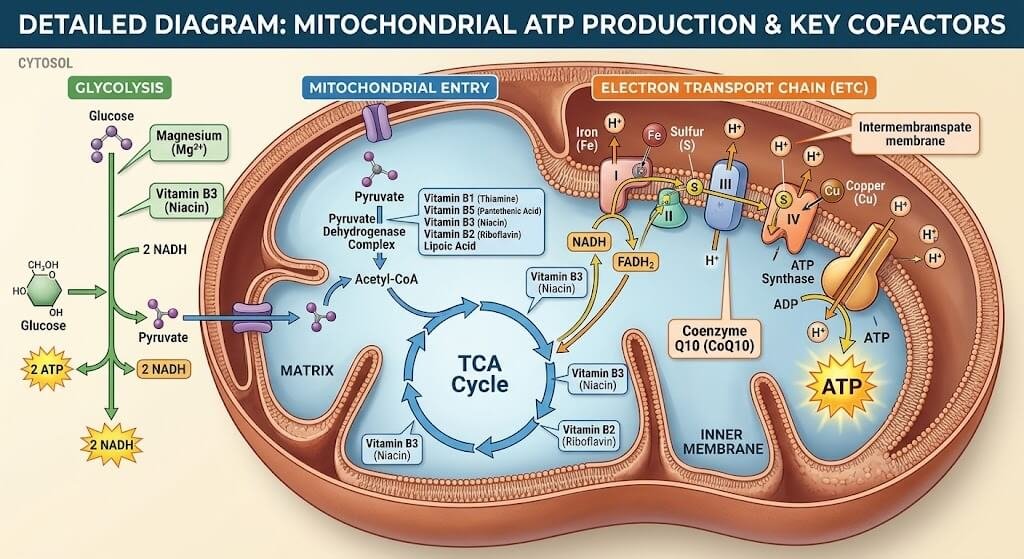
Inside every cell in your body, tiny organelles called mitochondria generate adenosine triphosphate (ATP). ATP is the primary energy currency used by your muscles during heavy lifting and by your brain during intensive mental effort. When mitochondrial efficiency declines due to poor sleep, high stress, aging, or nutritional gaps, your ATP production drops, leading to chronic physical and mental fatigue.
Non-stimulant energy boosters supply key enzymatic cofactors, improve blood flow, and adapt your response to stress. This approach results in clean, steady endurance without heart palpitations, elevated anxiety, or sleep disruption.
The Top 6 Evidence-Based Non-Caffeine Energy Ingredients for Men
When choosing supplements for men’s energy without caffeine, look for key ingredients supported by clinical research. Here are the top six options every athlete and active man should consider.
1. Coenzyme Q10 (CoQ10) & Ubiquinol
Coenzyme Q10 is a fat-soluble antioxidant concentrated in high-energy organs like the heart, liver, and skeletal muscle. It plays a vital role in the electron transport chain inside your mitochondria, helping convert dietary carbs and fats into ATP.
- Primary Benefit: Reduces fatigue and supports heart health.
- Effective Dose: 100 mg to 200 mg daily (as Ubiquinol for superior absorption).
- Coach’s Perspective: As men age, natural CoQ10 levels steadily decline. Supplementing with Ubiquinol provides a smooth baseline of daily physical endurance without any sudden spikes or drops.
2. Creatine Monohydrate
While commonly recognized as a muscle-building supplement, creatine is actually one of the most effective physical and mental energy substrates available. Creatine donates a phosphate group to rapidly restore depleted ATP during heavy lifting, sprinting, or intense focus sessions.
- Primary Benefit: Increases power output, muscular endurance, and cognitive performance under fatigue.
- Effective Dose: 3 g to 5 g daily.
- Research Evidence: Studies published in the Journal of the International Society of Sports Nutrition show that daily creatine supplementation significantly enhances cellular phosphocreatine stores, leading to improved physical capacity and reduced mental fatigue during challenging tasks.
3. L-Carnitine (L-Tartrate or Acetyl-L-Carnitine)
L-Carnitine acts as a cellular shuttle system, transporting long-chain fatty acids across the inner mitochondrial membrane so they can be burned for fuel. Acetyl-L-Carnitine (ALCAR) crosses the blood-brain barrier, making it exceptionally effective for mental clarity and focus.
- Primary Benefit: Improves fatty acid oxidation and mental focus.
- Effective Dose: 1,000 mg to 2,000 mg taken in the morning or pre-workout.
- Pairing Suggestion: Combine ALCAR with an omega-3 fatty acid supplement to enhance membrane permeability and nutrient delivery.
4. Adaptogenic Herbs (Rhodiola Rosea & Ashwagandha)
Adaptogens are herbal compounds that modulate your hypothalamic-pituitary-adrenal (HPA) axis, helping your body regulate cortisol and adapt to physical or emotional stress.
- Rhodiola Rosea: Helps lower perceived exertion during high-intensity training and combats burnout. Look for extracts standardized to 3% rosavins and 1% salidroside (200–400 mg/day).
- Ashwagandha (KSM-66 or Sensoril): Reduces elevated cortisol levels, supports healthy testosterone production, and improves sleep quality (300–600 mg/day).
5. Essential B-Complex Vitamins (B6, B9, B12)
B vitamins act as coenzymes in nearly every phase of metabolic energy production. Vitamin B12 (methylcobalamin) is necessary for red blood cell formation and neural function. Without sufficient B vitamins, your body cannot efficiently convert carbohydrates and protein into usable ATP. Check out our guide on which nutrients support normal energy metabolism for a deeper dive into cellular nutrition.
6. L-Citrulline or Nitric Oxide Boosters
Physical energy requires efficient blood flow to deliver oxygen and nutrients to working muscles. L-Citrulline increases systemic arginine levels, driving nitric oxide production, expanding blood vessels, and speeding up metabolic waste removal during exercise.
- Primary Benefit: Enhanced muscle pumps, decreased soreness, and improved aerobic capacity without stimulants.
- Effective Dose: 6 g to 8 g of L-Citrulline Malate pre-workout.
Comparing Energy Sources: Caffeine vs. Cellular Boosters
| Feature | Caffeine / Stimulants | Non-Caffeine Energy Supplements |
| Mechanism | Blocks adenosine (fatigue) receptors | Enhances ATP synthesis & oxygen delivery |
| Energy Feel | Rapid spike, jittery, nervous stimulation | Steady, smooth, sustained vitality |
| Crash Risk | High (sharp drop after 3–5 hours) | None |
| Impact on Sleep | Can disrupt sleep architecture if taken late | Neutral or improves sleep quality (e.g., adaptogens) |
| Tolerance Build-Up | Yes (requires higher doses over time) | No (sustained long-term benefits) |
| Best For | Emergency short-term alertness | Daily performance, recovery, and long-term vitality |

Non-Stimulant Pre-Workout vs. Daily Vitality Stacks
When structuring supplements for men’s energy without caffeine, it helps to divide your regimen into two distinct categories: Daily Baseline Vitality and Acute Pre-Workout Performance.
1. The Daily Baseline Stack (Morning Routine)
This stack supports baseline cellular function, metabolic health, and stress tolerance:
- Vitamin B-Complex: 1 dose with breakfast
- CoQ10 (Ubiquinol): 100 lb [45 kg] to 200 lb [90 kg] equivalent dosing (100–200 mg)
- Ashwagandha (KSM-66): 300 mg with breakfast or dinner
2. The Acute Non-Stim Pre-Workout Stack (30–45 Mins Before Training)
Designed to maximize vasodilation, power, and focus during training without disrupting sleep:
- L-Citrulline Malate: 6,000 mg to 8,000 mg
- Creatine Monohydrate: 5,000 mg
- Acetyl-L-Carnitine (ALCAR): 1,000 mg
- Rhodiola Rosea: 200 mg
Coach’s Tip
“If you are transitioning off high doses of caffeine (300+ mg per day), do not drop to zero overnight. Taper your caffeine intake down by 50 mg every three days while introducing your non-stimulant energy stack. This prevents severe withdrawal headaches while allowing your baseline adrenal response to stabilize.”
Non-Stimulant Conditioning Workout Routine
To maximize your natural mitochondrial density, pair your non-stimulant supplement stack with a structured conditioning routine. High-Intensity Interval Training (HIIT) paired with aerobic Zone 2 cardio stimulates mitochondrial biogenesis—creating new energy factories in your muscle cells.
Sample Weekly Training Schedule
- Monday: Upper Body Resistance Training + 15-min HIIT
- Tuesday: 45-min Zone 2 Aerobic Session (RPE 4-5)
- Wednesday: Lower Body Resistance Training
- Thursday: Active Recovery & Mobility
- Friday: Full Body Strength Training
- Saturday: 60-min Low-Intensity Outdoor Ruck / Cycle
- Sunday: Complete Rest & Recovery
Zone 2 Aerobic Conditioning Protocol
| Exercise | Duration | Intensity / Heart Rate | Rest Interval |
| Rowing Ergometer or Incline Treadmill | 30–45 min | 60–70% Max HR (Conversational Pace) | Continuous |
| Kettlebell Swings (HIIT Finisher) | 10 rounds | 15 sec Work / 45 sec Rest | 45 sec between sets |
Common Mistake
Treating Zone 2 cardio like a sprint. Pushing your heart rate too high during low-intensity sessions forces your body to rely purely on rapid glycogen breakdown rather than fat oxidation and mitochondrial aerobic pathways. Keep your pace conversational—you should be able to speak in complete sentences throughout the session.
Form Cues for Essential Energy-Building Movements
Building strength increases the efficiency of your neuromuscular system, making daily tasks require less overall energy. Here is how to execute three core movements included in our non-stimulant conditioning program.
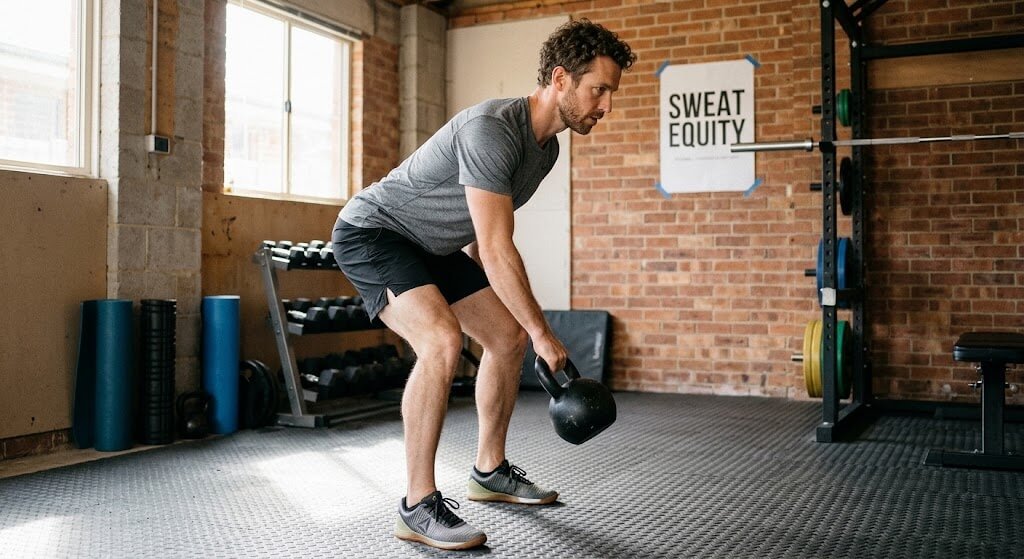
1. The Kettlebell Swing (Power & Posterior Chain)
- Setup: Stand with feet shoulder-width apart, kettlebell 12 inches [30 cm] in front of you on the floor.
- Hinge: Bend at the hips with a slight knee bend, maintaining a flat spine. Grab the handle with both hands.
- Hike: Pull the kettlebell back between your legs like a football snap.
- Drive: Stand up explosively by driving your hips forward and squeezing your glutes. The weight should float to chest height.
- Regression: Cable pull-through or bodyweight hip hinge.
- Progression: Single-arm kettlebell swing or heavier barbell power cleans.
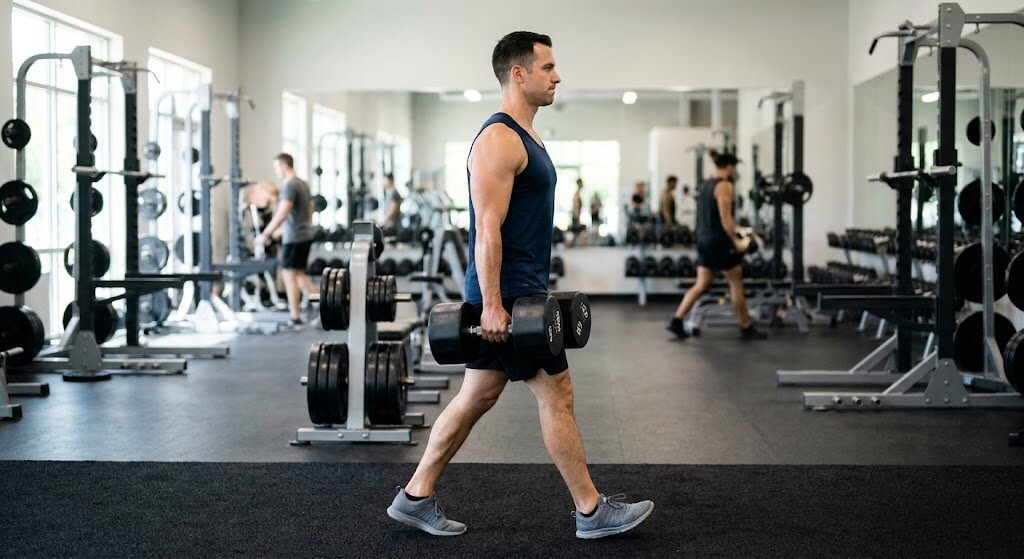
2. Dumbbell Farmer’s Carry (Grip, Core & Work Capacity)
- Setup: Deadlift two heavy dumbbells—50 lb [23 kg] each for intermediate men—from the floor.
- Postural Alignment: Pull your shoulders back and down, brace your core, and stand tall.
- Walk: Take short, deliberate steps for 50 yards [45 meters]. Avoid leaning side to side.
- Regression: Lighter dumbbells or trap bar carry.
- Progression: Overhead waiter carry or uneven weight carry.
Nutritional & Lifestyle Foundations for Caffeine-Free Energy
Supplements enhance performance, but they cannot replace basic health fundamentals. To achieve lasting vitality without caffeine, optimize these core areas:
1. Sleep Hygiene and Circadian Alignment
Sleep deprivation directly impairs glucose metabolism and mitochondrial function. Aim for 7 to 9 hours of quality sleep per night. Keep your bedroom cool (65°F–68°F / 18°C–20°C) and limit blue light exposure 60 minutes before bed. You can explore how sleep affects metabolism and weight management to understand how sleep recovery impacts overall cellular energy.
2. Protein and Blood Sugar Balance
Frequent blood sugar spikes and crashes are a major cause of afternoon fatigue. Pair complex carbohydrates with lean protein and healthy fats to stabilize blood glucose. Understanding how protein intake affects hunger and fullness hormones can help you build meals that sustain steady daily energy.
3. Hydration and Electrolytes
A minor 2% drop in cellular hydration can impair physical output and cognitive function. Drink at least 0.5 oz of water per pound of body weight daily (e.g., a 180 lb [81 kg] man should consume at least 90 oz [2.6 liters] of water). Add a pinch of unrefined salt or an electrolyte powder containing magnesium and potassium to support nerve transmission.
When to Be Careful with Energy Supplements
While stimulant-free ingredients are generally safe and well-tolerated, exercise caution under the following conditions:
- Pre-existing Medical Conditions: Men with hypertension, kidney disease, cardiovascular issues, or thyroid disorders should consult a physician before starting any new supplement routine.
- Medication Interactions: Ingredients like Panax Ginseng or high-dose Rhodiola Rosea can interact with blood thinners, immunosuppressants, or anti-anxiety medications.
- Gastrointestinal Sensitivity: High doses of raw L-Citrulline Malate or Creatine Monohydrate on an empty stomach may cause mild nausea or cramping. Take these with a light snack or plenty of water.
Consult a qualified doctor or physical therapist before starting any new supplement regimen or high-intensity exercise program.
Frequently Asked Questions
What are the best supplements for men’s energy without caffeine?
The best non-caffeine energy supplements include CoQ10 (Ubiquinol), Creatine Monohydrate, L-Carnitine, Rhodiola Rosea, and Vitamin B12. These compounds boost energy by supporting ATP production, metabolic efficiency, and stress adaptation rather than stimulating the central nervous system.
How long does it take for stimulant-free energy supplements to work?
Acute ingredients like L-Citrulline and Acetyl-L-Carnitine work within 30 to 60 minutes. Structural cell builders like Creatine Monohydrate and CoQ10 take 2 to 4 weeks of consistent daily use to fully saturate tissues and deliver noticeable improvements in baseline endurance.
Can non-caffeine supplements help with afternoon brain fog?
Yes. Ingredients like Acetyl-L-Carnitine (ALCAR) and Rhodiola Rosea cross the blood-brain barrier to support neurotransmitter balance and cellular energy in brain tissue, reducing mental fatigue and supporting focus without causing an evening crash.
Will stopping caffeine cause energy crashes while switching to these supplements?
If you suddenly drop high caffeine intake, you may experience withdrawal symptoms like mild headaches for 2 to 5 days. We recommend tapering down your caffeine dosage over one to two weeks while introducing daily B-complex, CoQ10, and adaptogenic herbs to support natural adrenal recovery.
Can I take non-stimulant pre-workout supplements before evening workouts?
Yes. Because non-stimulant pre-workouts do not contain caffeine, yohimbine, or other central nervous system stimulants, they will not disrupt your sleep architecture or delay melatonin production when taken before late evening exercise sessions.
Conclusion
Sustaining high energy levels throughout the day does not require relying on caffeine or intense stimulants. By focusing on cellular health, optimizing mitochondrial function, and using evidence-based supplements for men’s energy without caffeine, you can build reliable, long-lasting vitality without crashes, jitters, or sleep disruption.
Combine daily CoQ10, Creatine, and B-complex vitamins with structured Zone 2 exercise, optimal hydration, and balanced nutrition to transform your baseline health and daily performance.