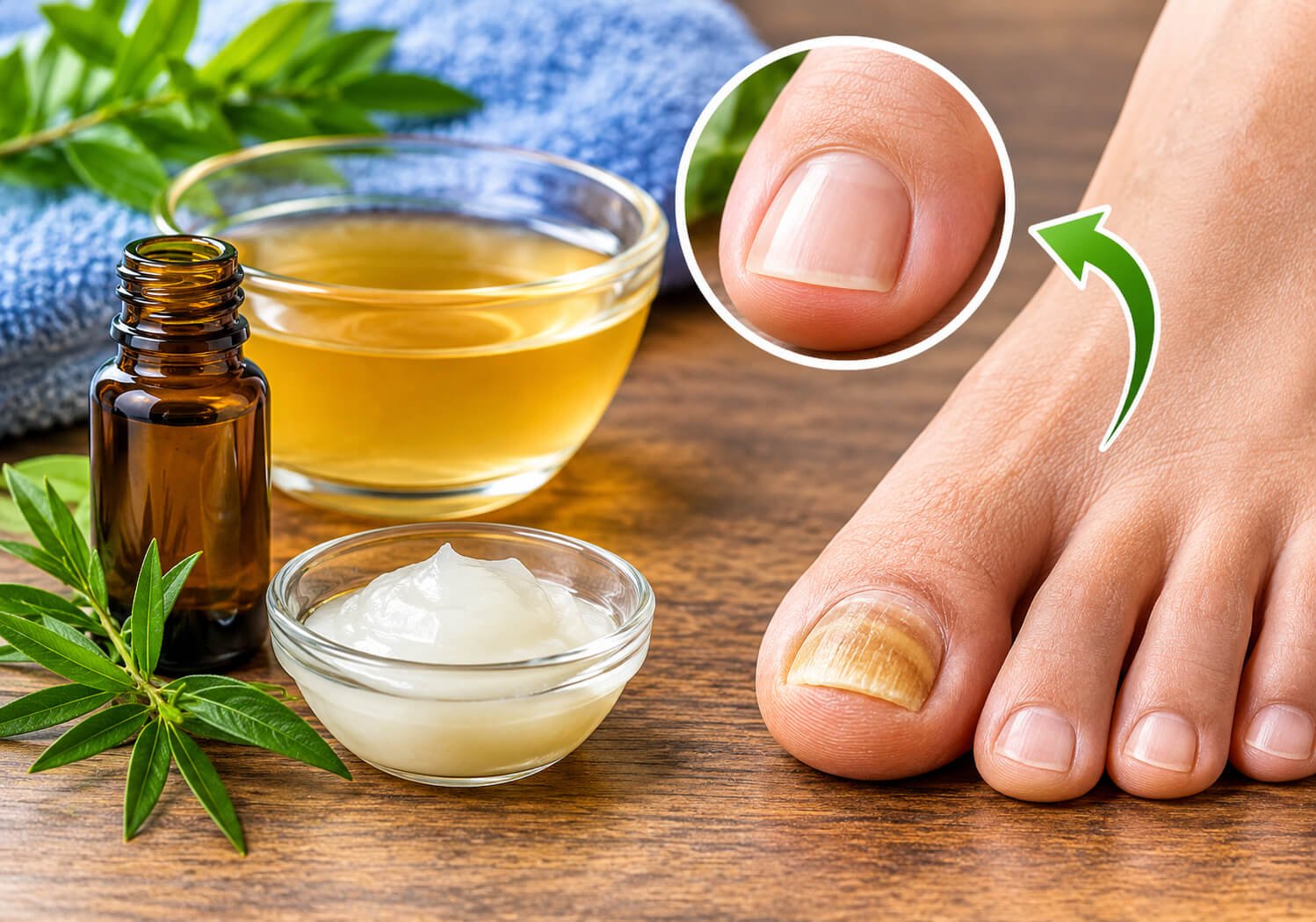
If you spend hours in tight running shoes, sweaty weightlifting flats, or shared gym locker rooms, you know the frustration of foot issues. One of the most stubborn problems active individuals face is a fungal nail infection. Learning how to get rid of toenail fungus naturally requires patience, consistency, and the right hygiene habits. While it is not a quick fix, natural remedies can effectively clear mild to moderate infections without harsh chemicals.
As a strength and conditioning coach, I see this frequently with runners logging high weekly mileage and powerlifters who wear non-breathable shoes. The warm, dark, and moist environment inside athletic footwear is the perfect breeding ground for fungal spores. This guide will walk you through evidence-based natural treatments, step-by-step application routines, and gym-specific prevention strategies to help you reclaim healthy feet.
Quick Answer
To get rid of toenail fungus naturally, apply topical antifungal agents like tea tree oil, diluted apple cider vinegar, or Vicks VapoRub directly to the affected nail twice daily. Consistency is critical. You must also keep your feet dry, wear breathable footwear, and sanitize your gym shoes. Natural treatments typically take 3 to 6 months to show full results as the healthy nail grows out.
Understanding Toenail Fungus (Onychomycosis)
Toenail fungus, medically known as onychomycosis, is an infection caused by microscopic organisms like dermatophytes, yeasts, or molds. The most common culprit is Trichophyton rubrum. These organisms thrive in warm, damp environments.
For athletes, the risk is elevated. Tight shoes cause micro-trauma to the nail bed, creating tiny entry points for fungal spores. Shared surfaces, like gym showers or yoga studio floors, further increase exposure. The infection typically starts as a white or yellow spot under the tip of the nail. Over time, it can cause the nail to thicken, discolor, crumble, or separate from the nail bed.
While not usually dangerous, a fungal infection can cause discomfort during exercises like squats, deadlifts, or running. Addressing it early with natural methods can prevent it from worsening and save you from needing prescription oral medications, which can carry side effects.
Top Natural Remedies for Toenail Fungus
Below are the most researched, evidence-backed natural treatments. Treat these like a training program: consistency, proper form, and adequate time are required for results.
1. Tea Tree Oil (Melaleuca alternifolia)
Tea tree oil is one of the most popular natural treatments for fungal infections. It contains terpenes, which have demonstrated strong antifungal and antiseptic properties in clinical settings. A study published in the Journal of Family Practice found that a 100% tea tree oil solution was effective in clearing nail fungus in over 60% of participants after 6 months of use.
How to Use It:
- Wash and thoroughly dry your feet.
- Apply 2–3 drops of 100% pure tea tree oil directly to the affected nail and the surrounding skin using a cotton swab.
- Let it absorb for 10 minutes before putting on socks.
- Repeat this process twice daily (morning and night).
Coach’s Tip: Always do a patch test on your forearm first. Tea tree oil is potent and can cause contact dermatitis in sensitive individuals. If redness occurs, dilute it with a carrier oil like coconut oil at a 1:1 ratio.
Common Mistake: Applying the oil over thick, unfiled nail polish or debris. You must gently file the top surface of the nail once a week to allow the oil to penetrate the nail bed.
2. Apple Cider Vinegar Soaks
Apple cider vinegar (ACV) contains acetic acid, which creates an acidic environment that fungal spores struggle to survive in. While large-scale clinical trials on ACV for onychomycosis are limited, its antifungal properties are well-documented in microbiological research, and it is widely recommended by podiatrists as a supportive home remedy.
How to Use It:
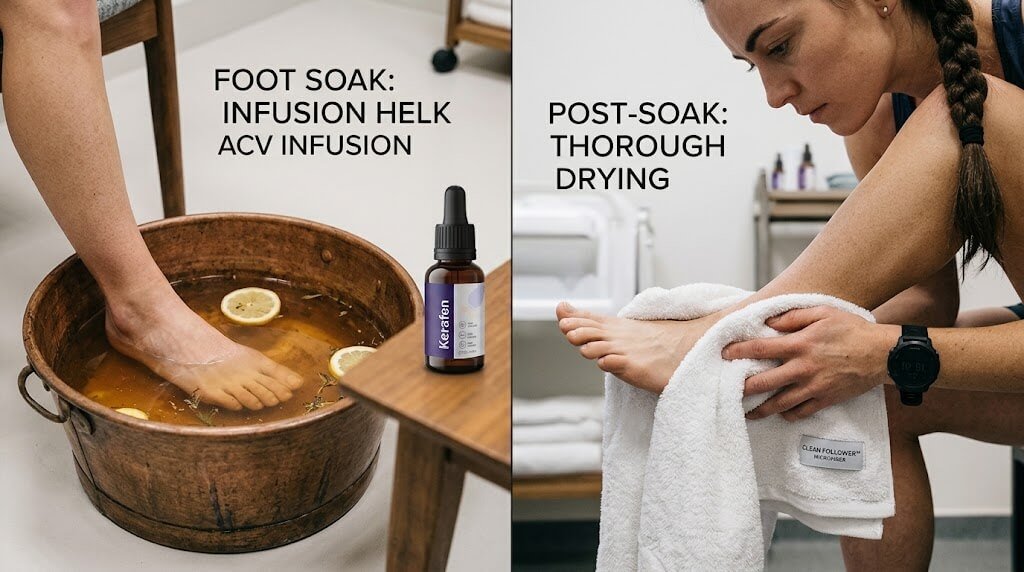
- Mix one part raw, unfiltered apple cider vinegar with two parts warm water in a basin.
- Soak your feet for 15–20 minutes daily.
- Rinse your feet with clean water and dry them completely, especially between the toes.
- Follow up with a topical treatment like tea tree oil for enhanced effects.
Progression: If the infection is stubborn, you can increase the ratio to one part vinegar to one part water, provided your skin does not become irritated or overly dry.
3. Vicks VapoRub
It may sound unusual, but this common household chest rub has proven efficacy against nail fungus. Vicks VapoRub contains active ingredients like camphor, eucalyptus oil, and thymol. A 2011 study published in the Journal of the American Board of Family Medicine observed that applying Vicks VapoRub daily resulted in a positive clinical effect in 83% of participants with onychomycosis over a 48-week period.
How to Use It:
- Clean and dry the affected toe.
- Apply a small amount (about the size of a pea, or 0.5 grams) directly to the nail and the cuticle area.
- Rub it in gently.
- Apply once daily, preferably at night before bed, and cover with a clean cotton sock to prevent rubbing off on sheets.
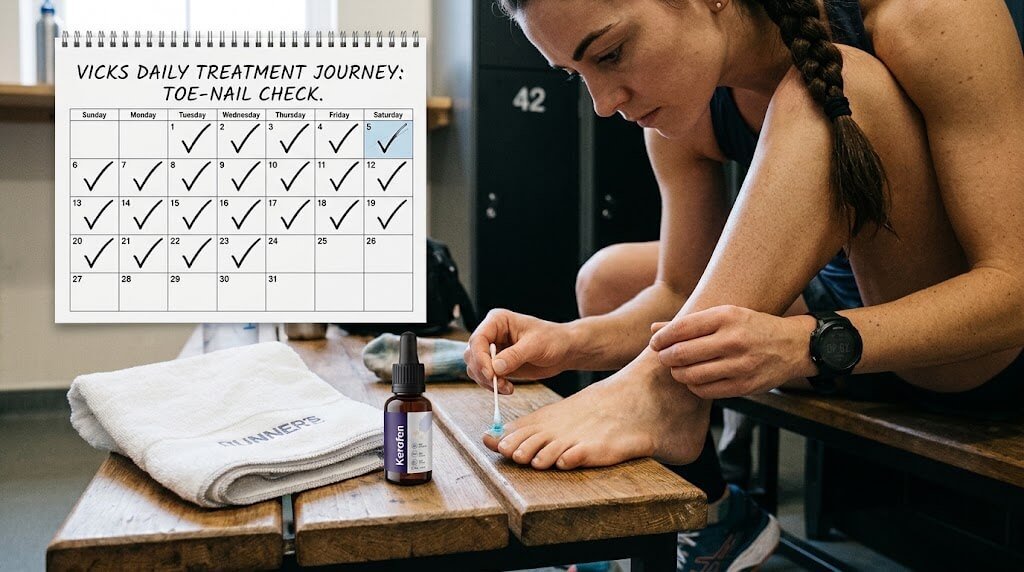
Coach’s Tip: Consistency is your biggest ally here. Do not skip days. Mark a calendar or set a daily phone reminder to build the habit, just like you would for your post-workout stretching routine.
4. Oregano Oil
Oregano oil is rich in thymol and carvacrol, two compounds with powerful antifungal capabilities. Research indicates that carvacrol can disrupt the cell membranes of fungal organisms, effectively inhibiting their growth.
How to Use It:
- Never apply pure oregano oil directly to the skin, as it is highly concentrated and can cause chemical burns.
- Dilute 2–3 drops of oregano oil in 1 teaspoon of a carrier oil (like olive oil or jojoba oil).
- Apply the mixture to the affected nail twice daily using a cotton swab.
- Allow it to dry completely before putting on footwear.
Common Mistake: Using culinary oregano essential oil that contains synthetic additives. Always purchase 100% pure, therapeutic-grade oregano essential oil from a reputable brand.
5. Garlic Extract
Garlic contains allicin, a sulfur compound released when garlic is crushed. Allicin has demonstrated broad-spectrum antimicrobial and antifungal activity in laboratory studies. Some research suggests it can be as effective as certain topical antifungal creams for mild skin and nail infections.
How to Use It:
- Crush one fresh garlic clove to release the allicin.
- Place the crushed garlic directly on the affected nail.
- Leave it in place for 30 minutes, then wash and dry the foot thoroughly.
- Repeat daily.
Regression: If raw garlic causes stinging or skin irritation, switch to a commercially prepared garlic extract oil or capsule contents mixed with a carrier oil, which is gentler on the skin.
6. Hydrogen Peroxide
Hydrogen peroxide is a mild antiseptic that kills surface bacteria and fungal spores through oxidation. While it may not penetrate deep into the nail bed on its own, it is an excellent preparatory step to clean the area and reduce the surface fungal load before applying other treatments.
How to Use It:
- Mix equal parts of 3% hydrogen peroxide and water.
- Soak a cotton ball in the solution and apply it to the affected nail for 5–10 minutes.
- Rinse with water and dry completely.
- Follow immediately with your primary treatment, such as tea tree oil.
Coach’s Tip: Do not use concentrations higher than 3%, as stronger solutions can damage healthy skin tissue and delay healing.

7. Baking Soda Paste
Fungi thrive in moist environments. Baking soda (sodium bicarbonate) does not necessarily kill the fungus outright, but it is highly effective at absorbing excess moisture and neutralizing foot odor. By keeping the area dry, you create an inhospitable environment for fungal growth.
How to Use It:
- Mix a small amount of baking soda with just enough water to form a thick paste.
- Apply the paste to the affected nail and the surrounding skin.
- Let it sit for 10–15 minutes, then rinse and dry thoroughly.
- Alternatively, sprinkle a light dusting of baking soda inside your shoes and socks daily to absorb sweat.
8. Snakeroot Extract
Snakeroot (Ageratina pichinchensis) is a plant native to Mexico. A 2003 double-blind study compared a topical snakeroot extract to ciclopirox (a common prescription antifungal lacquer). The study found that snakeroot extract was equally effective in treating onychomycosis after 3 months of application, with fewer side effects.
How to Use It:
- Purchase a reputable topical snakeroot extract formulation.
- Apply it to the clean, dry nail twice daily, as directed on the product label.
- Continue use for at least 3 to 4 months to allow the healthy nail to fully replace the infected portion.
The Athlete’s Foot Care Routine: Prevention and Maintenance
Treating the fungus is only half the battle. If you do not change the environment that allowed it to thrive, it will return. Think of foot hygiene as part of your overall training recovery.
Daily Habits
- Wash and Dry: Wash your feet daily with soap and water. Dry them completely, paying special attention to the spaces between your toes. Fungal spores cannot survive in a dry environment.
- Sock Selection: Ditch cotton socks. Cotton absorbs sweat and holds it against your skin. Switch to moisture-wicking materials like merino wool or synthetic blends (e.g., polyester or nylon) that pull sweat away from the foot.
- Shoe Rotation: Do not wear the same pair of athletic shoes two days in a row. Shoes need 24 to 48 hours to dry out completely from the inside. Rotate between at least two pairs of training shoes.
Gym-Specific Protocols
- Shower Footwear: Never walk barefoot in gym locker rooms, communal showers, or around swimming pools. Always wear waterproof shower sandals or flip-flops.
- Equipment Hygiene: Wipe down machine footpads and leg press platforms before use. While the risk of catching fungus from a machine is lower than from a wet floor, it is still a best practice for overall hygiene.
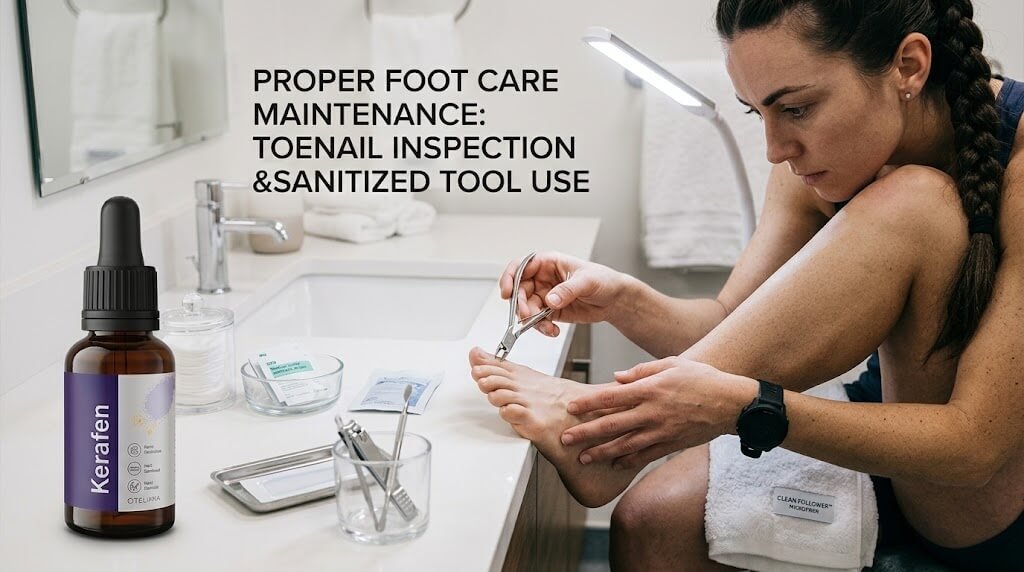
- Nail Trimming: Keep your toenails trimmed straight across and not too short. Long nails can press against the front of your shoe during running or lunges, causing micro-trauma that invites infection. Use a dedicated nail clipper for your infected toe, and sanitize it with rubbing alcohol after every use to prevent spreading the fungus to healthy nails.
Supporting Your Immune System
Your body’s ability to fight off localized infections is tied to your overall health. Just as you might explore how to support metabolism naturally for weight management through holistic lifestyle changes, supporting your immune system requires a foundation of good nutrition and rest. Ensuring you get adequate sleep and exploring which vitamins support metabolism when you’re deficient can help optimize your body’s natural healing processes, including tissue repair and immune defense.
When to See a Doctor or Podiatrist
Natural remedies are highly effective for mild to moderate cases of onychomycosis. However, you should not ignore certain red flags. Seek professional medical advice if you experience:
- Severe pain, swelling, or redness around the toe.
- Pus or drainage, which indicates a secondary bacterial infection.
- A compromised immune system or a diagnosis of diabetes. (Diabetics should never attempt to treat foot issues at home due to the high risk of severe complications).
- No improvement after 3 to 4 months of consistent natural treatment.
A podiatrist can offer prescription-strength topical lacquers, oral antifungal medications, or even laser therapy for stubborn cases.
Frequently Asked Questions (FAQ)
How long does it take to cure toenail fungus naturally?
Natural treatments require patience. Fingernails take about 4 to 6 months to grow out completely, while toenails take 12 to 18 months. You may see visual improvement at the base of the nail within 2 to 3 months of consistent, twice-daily treatment, but full clearance takes time.
Does tea tree oil really work for toenail fungus?
Yes, research supports its use. Studies show that 100% tea tree oil has antifungal properties comparable to some over-the-counter clotrimazole creams. However, it must be applied consistently for several months to be effective.
Can you get toenail fungus from the gym?
Yes, gym environments are common transmission sites. Fungal spores thrive in warm, damp areas like communal showers, locker room floors, and inside shared or sweaty athletic shoes. Wearing shower sandals is the best defense.
Is apple cider vinegar effective for nail fungus?
Apple cider vinegar creates an acidic environment that inhibits fungal growth. While it may not cure severe infections on its own, daily 15-minute soaks are a widely recommended, low-risk supportive treatment to slow the spread of the fungus.
Should I file down the infected nail?
Yes, gently filing the surface of the thickened nail once a week helps reduce its thickness. This allows topical natural remedies like tea tree oil or Vicks VapoRub to penetrate deeper into the nail bed where the fungus lives. Always sanitize your file afterward.
Can poor diet make toenail fungus worse?
While diet does not directly cause nail fungus, a diet high in refined sugars can promote systemic inflammation and potentially feed yeast overgrowth. Adopting a nutrient-dense diet supports immune function. You can learn more about which nutrients support normal energy metabolism to keep your body’s defense systems strong.
Conclusion
Learning how to get rid of toenail fungus naturally is entirely possible with the right approach. By utilizing evidence-backed remedies like tea tree oil, apple cider vinegar soaks, or Vicks VapoRub, you can tackle the infection without harsh chemicals. Remember that consistency is your most important tool. Apply your chosen treatment twice daily, keep your feet meticulously dry, and rotate your footwear.
Just as achieving your fitness goals requires dedication, clearing a fungal infection requires a disciplined, long-term foot care routine. If you are looking for more ways to optimize your body’s natural balance, you might also find it helpful to read about how to stop sugar cravings naturally while losing weight, as holistic health habits often overlap. Stay consistent, prioritize hygiene, and your feet will thank you.