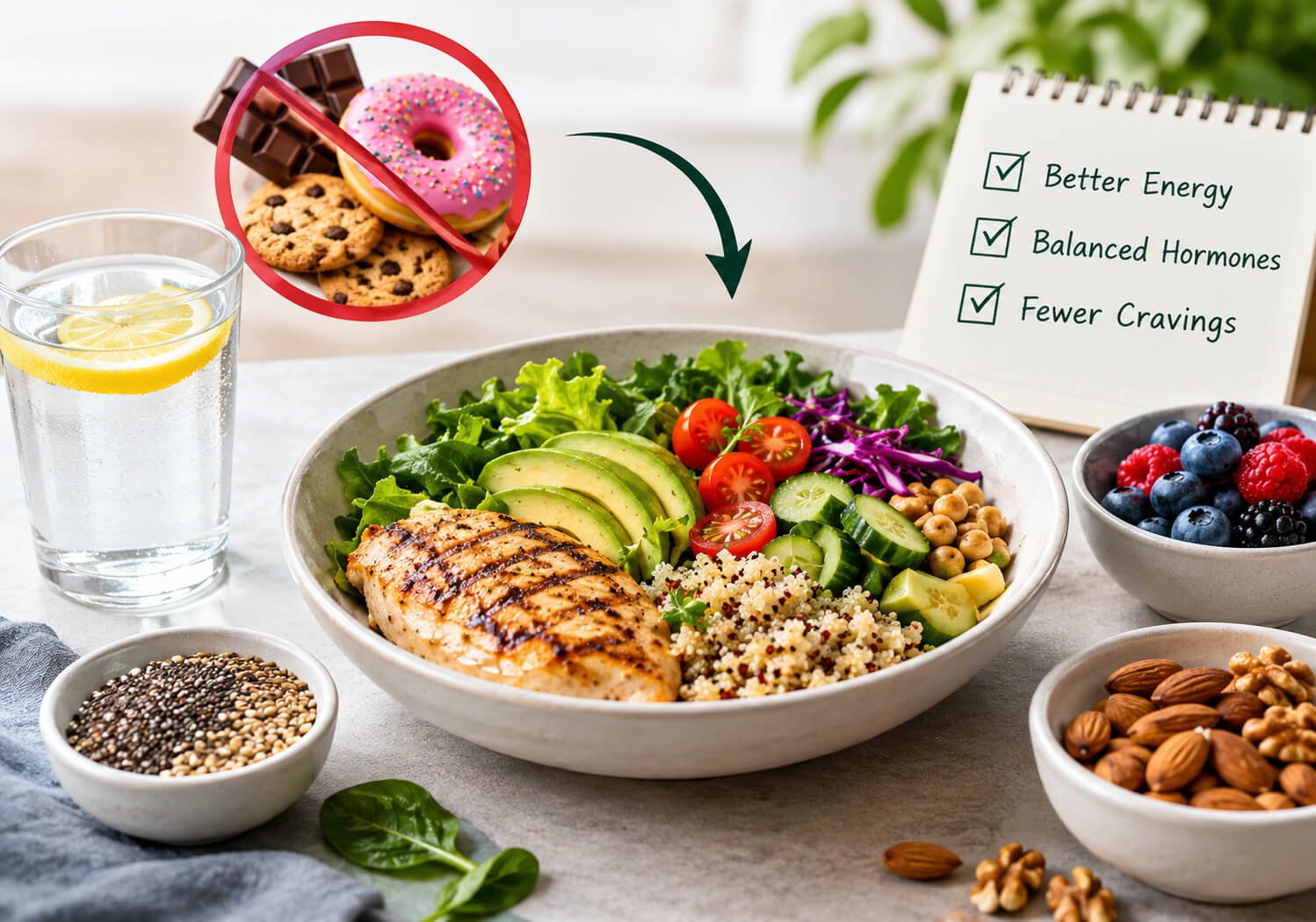
Sugar cravings can feel like an overwhelming wall when you are trying to shed fat. You stick to your meal plan all morning, hit your workout hard, and then 3:00 PM hits—or worse, 9:00 PM after dinner—and your brain demands chocolate, cookies, or ice cream. If you are struggling with this, know that you are not weak-willed. Cravings are biological signals driven by blood sugar drops, hormonal shifts, and nutrient gaps during a calorie deficit.
Learning how to stop sugar cravings naturally while losing weight is not about relying on raw willpower. Willpower is a limited resource that runs out when you are tired, stressed, or hungry. Instead, you need a strategy rooted in biology, smart nutrition, and lifestyle tweaks that balance your hormones and stabilize your energy naturally.
In this guide, we will break down the science behind why cravings happen, actionable nutritional tactics to blunt sweet tooth surges, simple exercise protocols that shift your physiology, and lifestyle habits to stop sugar cravings for good.
Quick Answer: To stop sugar cravings naturally while losing weight, prioritize eating 0.7–1.0 grams of protein per pound of body weight daily, consume high-soluble-fiber foods before meals, get 7–9 hours of sleep to manage ghrelin and cortisol, stay hydrated, and use progressive resistance training to improve insulin sensitivity.
Why Do You Get Sugar Cravings During Weight Loss?
When you create a calorie deficit to burn body fat, your physiology reacts to protect energy reserves. Understanding these biological triggers helps remove the guilt surrounding sweet cravings.
1. Blood Sugar Spikes and Crashes
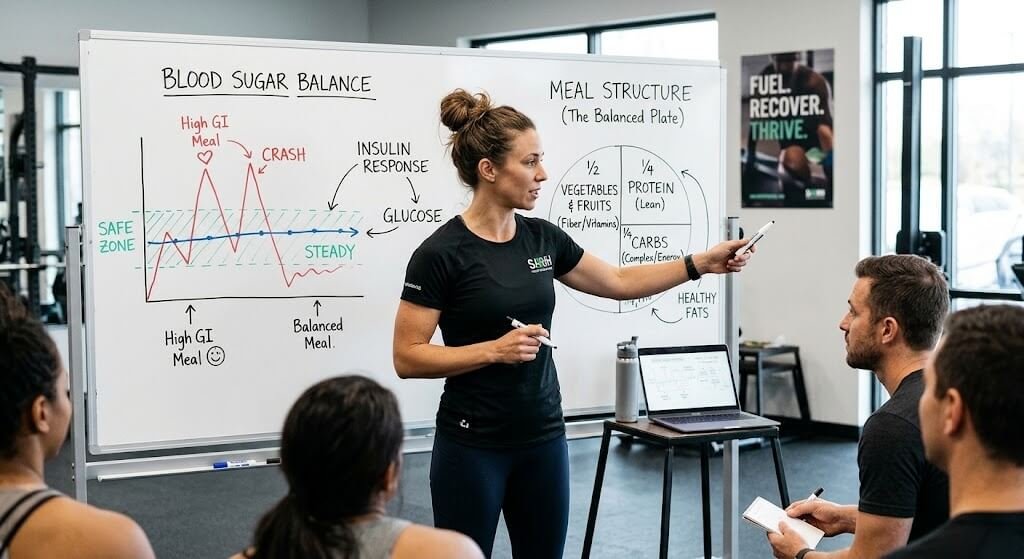
When you consume refined carbohydrates or simple sugars without adequate protein, fiber, or healthy fats, your blood glucose spikes rapidly. Your pancreas releases insulin to transport glucose out of the bloodstream and into cells. A rapid spike often causes an over-release of insulin, triggering a sudden dip in blood sugar (reactive hypoglycemia). Your brain interprets this low blood sugar level as an emergency demand for quick energy—leading straight to sugar cravings.
2. Hormonal Shifts: Ghrelin, Leptin, and Cortisol
Dieting naturally alters your appetite-regulating hormones:
- Ghrelin: Known as the “hunger hormone,” ghrelin rises when stomach volume is low or when calories are restricted.
- Leptin: Known as the “satiety hormone,” leptin drops as body fat decreases, signaling your brain that energy reserves are lower.
- Cortisol: High stress levels from intense dieting or daily life elevate cortisol. High cortisol signals the brain to seek fast-digesting carbohydrates to quick-fuel a perceived stress response.
3. Sleep Deprivation
Skimping on rest disrupts your endocrine system. Research shows that inadequate sleep lowers leptin and increases ghrelin, making high-calorie, sugary foods vastly more enticing to your brain’s reward center.
7 Science-Backed Steps to Stop Sugar Cravings Naturally
+——————————————————————-+
| THE CRAVING-CONTROL PIPELINE |
+——————————————————————-+
| 1. Protein First –> Increases Satiety & Stabilizes Glucose |
| 2. Soluble Fiber –> Slows Gastric Emptying & Digestion |
| 3. Hydration –> Prevents Thirst Misidentified as Hunger |
| 4. Sleep & Rest –> Balances Ghrelin, Leptin, and Cortisol |
| 5. Smart Strength –> Optimizes Muscle Insulin Sensitivity |
+——————————————————————-+
Step 1: Prioritize Protein at Every Meal
Protein is the most satiating macronutrient. Eating sufficient protein stimulates satiety hormones such as peptide YY (PYY) and glucagon-like peptide-1 (GLP-1) while blunting hunger hormones.
When you consume enough protein, you digest food slower, stabilizing blood glucose levels and preventing post-meal sugar crashes. According to the CDC physical activity guidelines, active adults require regular exercise paired with solid nutrition to maintain lean muscle mass. Increasing your daily protein intake shields muscle tissue while calming appetite signals. Understanding how protein helps control hunger during weight loss is fundamental to eliminating mid-afternoon sugar runs.
Step 2: Load Up on Soluble Fiber
Fiber slows down gastric emptying, keeping food in your stomach longer and slowing the absorption of glucose into your bloodstream. Soluble fiber dissolves in water to form a gel-like substance in your digestive tract, which smooths out blood sugar curves.
Foods rich in soluble fiber include:
- Oats and barley
- Chia seeds and flaxseeds
- Legumes (black beans, lentils)
- Vegetables (Brussels sprouts, broccoli)
- Berries and apples
Adding dietary fiber helps control appetite and stabilizes energy throughout the day. If you struggle to meet your daily intake through whole foods alone, exploring how soluble fiber helps you feel full longer can provide extra support.
Step 3: Optimize Sleep and Stress Management
Poor sleep directly amplifies sugar cravings. When sleep deprived, the prefrontal cortex—the decision-making center of the brain—becomes impaired, while the primitive reward centers light up at the sight of hyper-palatable foods.
Prioritize 7 to 9 hours of quality sleep each night. Keep your bedroom cool, dark, and screen-free for 30 minutes before bed. Understanding how sleep affects metabolism and weight management highlights how crucial adequate sleep is for balancing appetite-regulating hormones.
Step 4: Hydrate Consistently
The brain often mistakes mild dehydration for hunger or sugar cravings. When cellular fluid levels dip, liver glycogen breakdown efficiency drops slightly, prompting your brain to request fast energy via sweet foods.
Aim to drink 16 oz (470 ml) of water upon waking and continue sipping throughout the day. Try drinking a large glass of water and waiting 15 minutes before giving in to a sweet craving; often, the urge dissipates completely.
Step 5: Stop Skipping Meals or Over-Restricting Calories
Cutting calories too low is the fastest way to trigger uncontrollable sugar cravings. Extreme caloric deficits force your body into a state of perceived deprivation, triggering acute spikes in ghrelin and intense sweet cravings. Maintain a moderate calorie deficit (15–20% below maintenance) rather than starving yourself.
Step 6: Use Bitters, Spices, and Fermented Foods
Spices like cinnamon and nutmeg add natural sweetness without added calories or glucose impact. Cinnamon, in particular, has been studied for its potential to support normal glucose uptake in peripheral cells. Fermented foods like plain Greek yogurt, kefir, sauerkraut, and kimchi nurture healthy gut microbiota, which plays a role in signaling fullness to the central nervous system.
Step 7: Leverage Targeted Micronutrients and Supplements
Certain minerals play vital roles in carbohydrate metabolism and insulin action. For instance, chromium is an essential trace mineral involved in carbohydrate and lipid metabolism. Exploring whether chromium picolinate helps reduce sugar cravings can be beneficial if your diet lacks this micronutrient. Additionally, learn how to evaluate ingredients in weight management supplements to ensure you choose safe, high-quality formulations.
Exercise Protocols to Curb Sweet Cravings
Exercise is not just for burning calories; it is a potent tool for regulating appetite and improving metabolic health.

Resistance Training and Insulin Sensitivity
Resistance training forces skeletal muscle to contract, triggering glucose transporter type 4 (GLUT4) translocation to cell membranes. This allows your muscles to absorb glucose directly from the bloodstream without requiring extra insulin. Improved insulin sensitivity helps prevent glucose volatility, helping you stop sugar cravings naturally while losing weight.
High-Intensity Interval Training (HIIT) vs. Low-Intensity Steady State (LISS)
Both HIIT and LISS affect appetite differently:
- LISS (e.g., brisk walking, easy cycling): Excellent for lowering cortisol levels, burning fat, and promoting recovery without stimulating excessive hunger.
- HIIT (e.g., short sprints, kettlebell swings): Temporarily suppresses ghrelin due to blood flow redirection away from the stomach during high-intensity output, curbing immediate post-workout cravings.
Sample Full-Body Workout to Boost Glucose Uptake
Perform this workout 3 days per week on non-consecutive days (e.g., Monday, Wednesday, Friday) to optimize muscle glucose storage and control appetite.
| Exercise | Sets | Reps | Rest | Tempo | Target Muscles |
| Goblet Squat | 3–4 | 8–12 | 60–90 sec | 3-1-1-0 | Quadriceps, Glutes, Core |
| Dumbbell Romanian Deadlift | 3–4 | 10–12 | 60–90 sec | 3-0-1-0 | Hamstrings, Glutes, Lower Back |
| Dumbbell Bench Press / Push-Up | 3–4 | 8–12 | 60 sec | 2-1-1-0 | Chest, Anterior Deltoids, Triceps |
| Single-Arm Dumbbell Row | 3–4 | 10–12 per side | 60 sec | 2-0-1-1 | Latissimus Dorsi, Rhomboids, Biceps |
| Plank Hold | 3 | 30–45 sec | 45 sec | Hold | Rectus Abdominis, Transverse Abdominis |
Coach’s Tip: Focus on the eccentric (lowering) portion of each lift (the first digit in the tempo column, e.g., 3 seconds down on squats). Eccentric muscle action causes micro-tears that require glucose and amino acids for repair, increasing muscle metabolic rate and keeping blood glucose balanced hours after your session.

Exercise Form Guides
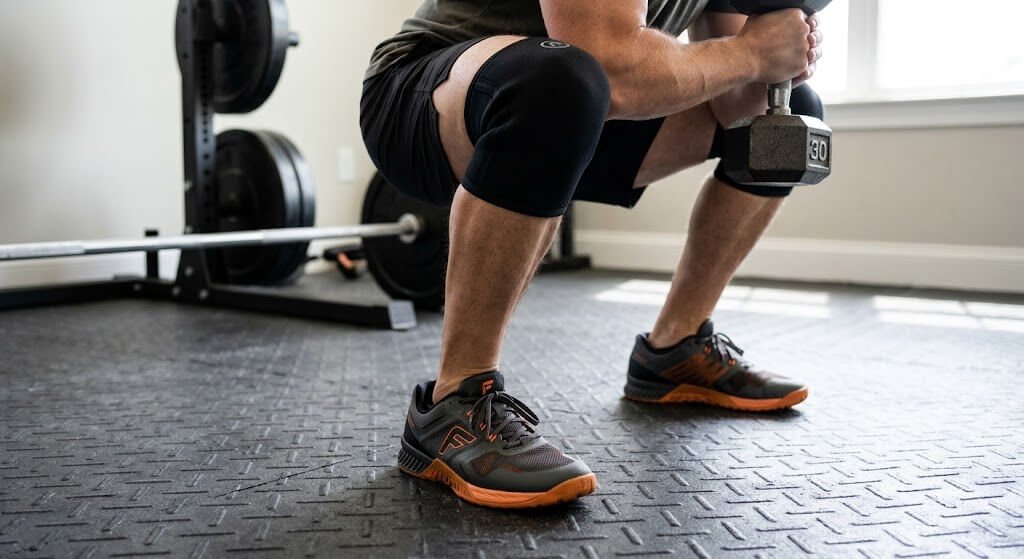
1. Dumbbell Goblet Squat
- Step 1: Stand tall with feet shoulder-width apart, toes turned slightly out (10–15 degrees). Hold a dumbbell vertically against your chest with both hands gripping the upper bell.
- Step 2: Inhale deeply into your belly, brace your core, and initiate the movement by pushing your hips back and bending your knees simultaneously.
- Step 3: Lower down control until your thighs are at least parallel to the floor, keeping your chest upright and elbows inside your knees.
- Step 4: Drive through your mid-foot and heels to return to standing, exhaling as you reach the top.
Common Mistake: Allowing the heels to rise off the floor or knees to cave inward (valgus collapse). Keep your feet flat and drive your knees outward in line with your toes.
- Easier Variation (Regression): Bodyweight Box Squat to a chair.
- Harder Variation (Progression): Barbell Front Squat or increasing dumbbell weight.
2. Dumbbell Romanian Deadlift (RDL)
- Step 1: Stand erect holding two dumbbells in front of your thighs with an overhand grip, feet hip-width apart, and knees softly unlocked.
- Step 2: Maintain a flat back, pull your shoulder blades down and back, and hinge at your hips, pushing your butt toward the wall behind you.
- Step 3: Lower the weights along your shins until you feel a deep stretch in your hamstrings (usually just below knee level).
- Step 4: Contract your glutes and hamstrings to reverse the motion and stand tall.
Common Mistake: Rounding the lumbar spine to reach lower. Only lower as far as your hip flexibility allows while keeping your spine neutral.
- Easier Variation (Regression): Glute Bridge on the floor.
- Harder Variation (Progression): Single-Leg Dumbbell RDL.
3-Day Meal Structure to Prevent Sugar Cravings
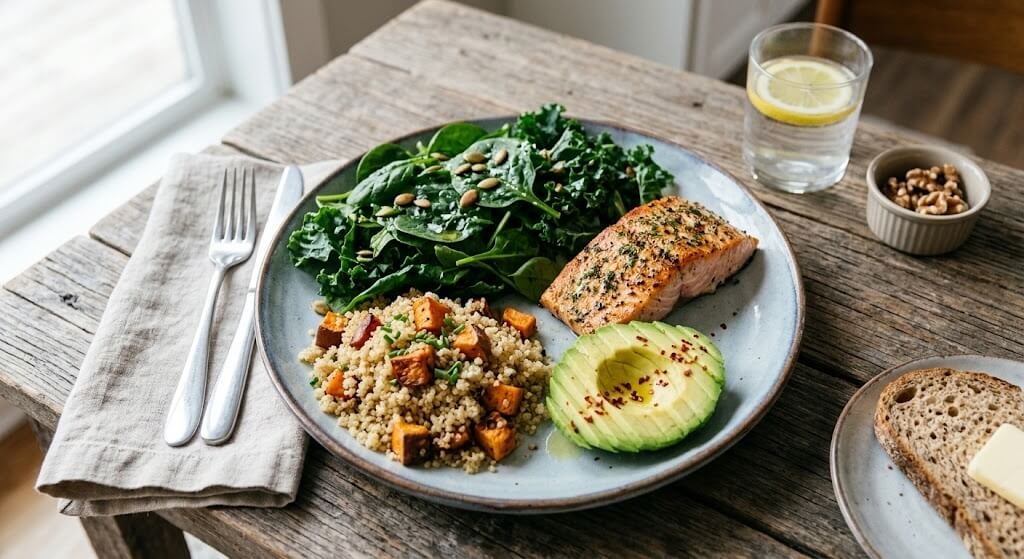
To successfully stop sugar cravings naturally while losing weight, structure your meals to balance macronutrients effectively.
+————————————————————————-+
| DAILY MEAL PLANNING FRAMEWORK |
Day 1
- Breakfast: 3 scrambled eggs with spinach, 1/2 avocado, and 1/2 cup of blueberries.
- Lunch: 5 oz (140 g) grilled chicken breast over mixed greens, cucumbers, pumpkin seeds, and 1/2 cup cooked quinoa with olive oil dressing.
- Snack: 1 cup plain Greek yogurt with 1 tbsp chia seeds and a dash of cinnamon.
- Dinner: 6 oz (170 g) baked salmon, roasted Brussels sprouts, and 1/2 medium sweet potato.
Breakfast: Protein smoothie made with 1 scoop whey or plant protein powder, 1 cup unsweetened almond milk, 1 tbsp almond butter, 1 tbsp flaxseed, and 1/2 cup frozen raspberries.
- Lunch: Turkey wrap using a high-fiber whole-grain tortilla, 5 oz (140 g) sliced turkey breast, hummus, shredded carrots, and romaine lettuce.
- Snack: 1 hard-boiled egg and a handful of raw walnuts [30 g].
- Dinner: 6 oz (170 g) lean ground beef (90/10) stir-fried with broccoli florets, bell peppers, snap peas, and cauliflower rice.
Breakfast: 3-egg omelet filled with mushrooms, diced tomatoes, and 1 oz (28 g) feta cheese.
- Lunch: 6 oz (170 g) canned wild tuna mixed with 1 tbsp avocado oil mayonnaise, served over a bed of spinach with a side of black bean salad.
- Snack: 1 cup cottage cheese with a handful of sliced strawberries.
- Dinner: 6 oz (170 g) grilled pork tenderloin, steamed asparagus spears, and 1/2 cup cooked brown rice.
Who Should Be Careful When Managing Sugar Cravings?
While adopting natural strategies to reduce sugar cravings is beneficial for most people, certain populations need tailored advice:
- Individuals with Type 1 or Type 2 Diabetes: Rapid changes in carbohydrate intake or exercise intensity can affect blood glucose levels and medication requirements. Consult your endocrinologist before making major dietary modifications.
- People with a History of Disordered Eating: Strict elimination of all sugar or tracking food too rigidly can trigger anxiety or bingeing behaviors. Work with a registered dietitian or healthcare professional.
- Pregnant or Nursing Women: Energy requirements are higher, and drastic carbohydrate or calorie cuts are not recommended.
Frequently Asked Questions
Why do I crave sugar when trying to lose weight?
When you restrict calories, your body experiences natural drops in blood glucose and increases in the hunger hormone ghrelin. If your diet lacks sufficient protein, fiber, or calories, your brain requests quick energy in the form of sugar to rapidly restore energy reserves.
How long does it take to stop sugar cravings naturally?
For most individuals, acute biological sugar cravings begin to decline within 3 to 7 days after stabilizing blood sugar through higher protein, fiber, and reduced refined sugar intake. Habitual psychological cravings usually drop off after 2 to 3 weeks of consistent healthy habits.
Does drinking water stop sugar cravings?
Yes, hydration helps reduce sugar cravings. Mild dehydration is frequently misidentified by the brain as hunger or a demand for quick glucose. Drinking a glass of water when a craving hits can help determine whether you are truly hungry or just thirsty.
Why do sugar cravings get worse in a calorie deficit?
A calorie deficit lowers circulating leptin levels and elevates ghrelin. If your energy deficit is too severe, your physiology responds by driving you toward energy-dense, hyper-palatable foods—specifically sweet and fatty items—to close the energy gap quickly.
How does sleep affect sweet cravings?
Sleep deprivation disrupts appetite regulation by decreasing leptin (satiety) and raising ghrelin (hunger). It also impairs the prefrontal cortex, reducing self-control and increasing activity in the reward centers of your brain when exposed to sugary foods.
Conclusion
Learning how to stop sugar cravings naturally while losing weight is not about suffering through intense urges with raw willpower. By taking a biological approach—balancing your blood sugar with high protein and soluble fiber, managing stress and sleep, staying hydrated, and lifting weights—you remove the root causes of cravings. Start implementing these habits today to achieve your fat loss goals sustainably and comfortably.