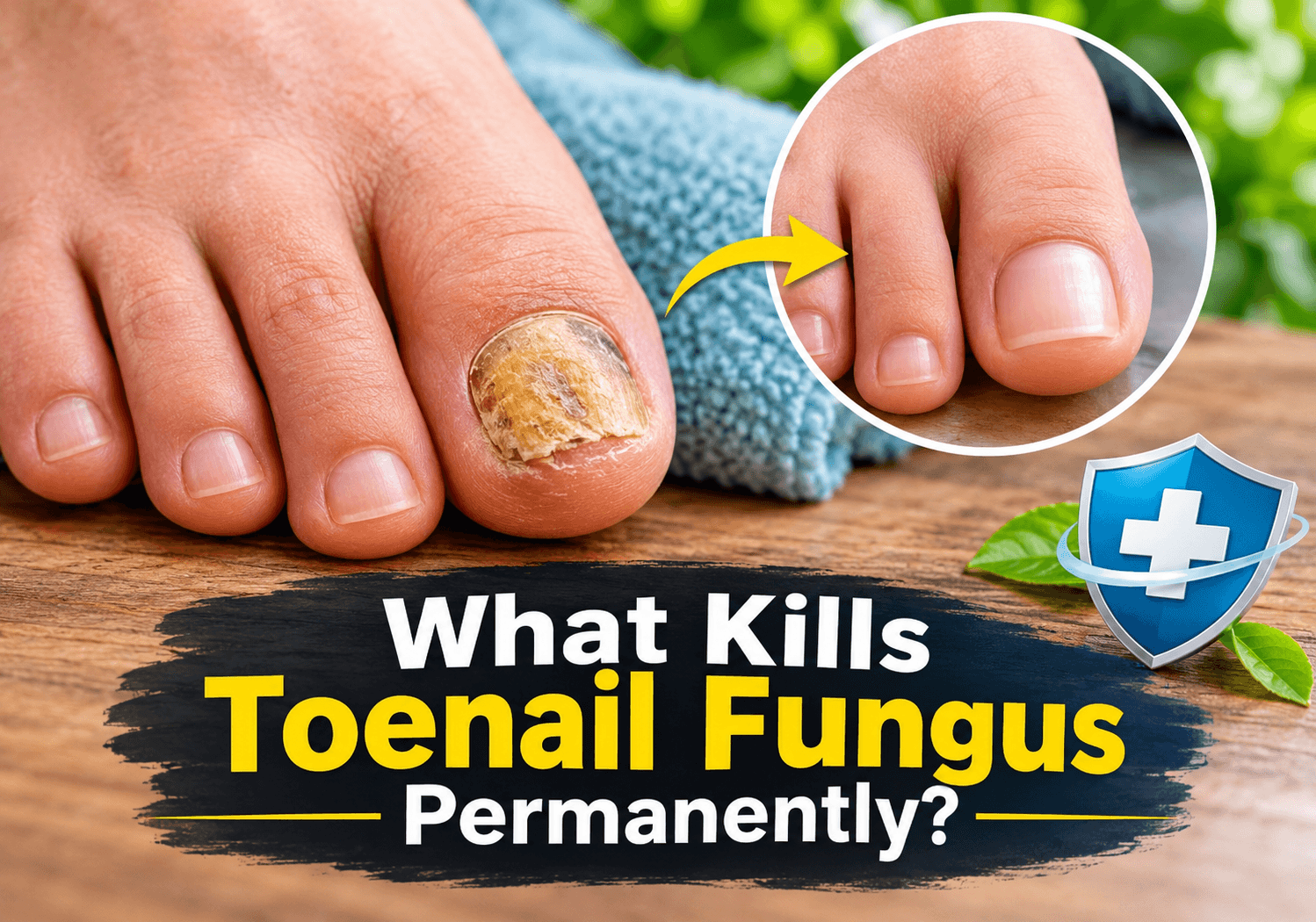
Dealing with a stubborn fungal nail infection can be frustrating, especially when it lingers despite your best efforts. As a strength coach who works daily with athletes, runners, and lifters, I see foot hygiene issues regularly. Sweaty gym shoes, shared locker room floors, and dense athletic footwear create an ideal environment for microscopic organisms to thrive.
When clients ask what kills toenail fungus permanently, they are often looking for a quick fix. However, permanently eradicating onychomycosis—the medical term for fungal nail infections—requires a combination of target treatments, patience, and persistent daily hygiene practices.
Quick Answer
What kills toenail fungus permanently? Eradicating toenail fungus completely requires killing the underlying fungal spores (usually Trichophyton rubrum) deep within the nail bed using prescription oral antifungals like terbinafine, clinical laser therapy, or targeted topical solutions. To ensure it never returns, you must combine medical treatment with continuous foot hygiene and footwear disinfection while the new, healthy nail grows out completely.
Understanding Onychomycosis: What Causes Fungal Nail Infections?
To permanently eliminate toenail fungus, you must understand what you are fighting. Fungal nail infections, medically classified as onychomycosis or tinea unguium, are primarily caused by dermatophytes. The most common culprit is Trichophyton rubrum, a microscopic fungus that feeds on keratin—the tough structural protein that makes up your nails and skin.
Fungal spores settle beneath the nail plate and burrow deep into the nail bed. Because nails grow slowly and lack direct bloodstream access on their outer surface, topical treatments often struggle to penetrate deep enough to kill every spore.
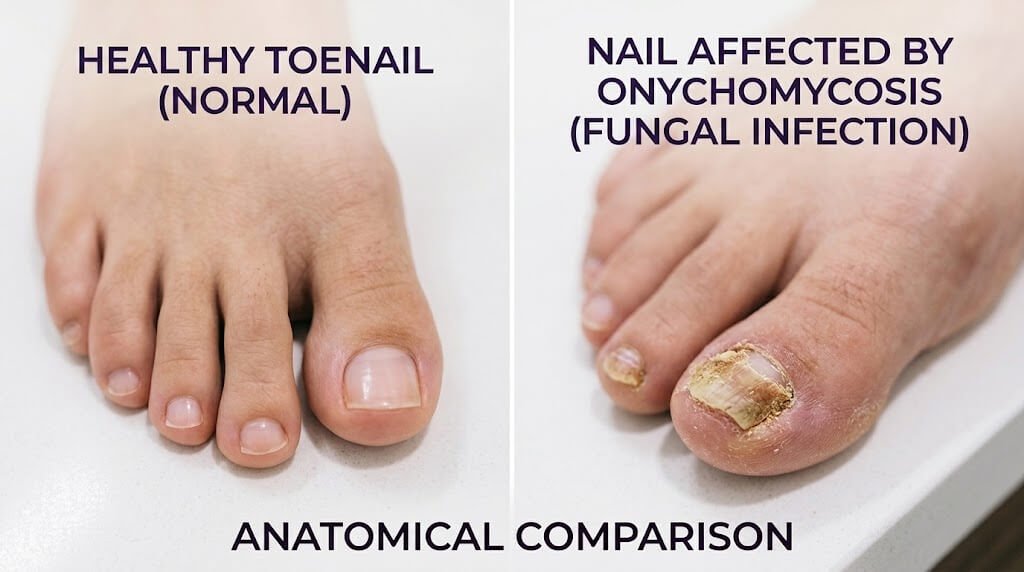
Common Symptoms of Fungal Infections
- Discoloration: Nails turning yellow, white, brown, or black.
- Thickening: The nail plate becomes dense, brittle, and difficult to trim.
- Distortion: The nail lifts off the nail bed (onycholysis) or crumbles at the edges.
- Odor: A foul smell coming from trapped debris under the nail plate.
Medical Treatments: What Kills Toenail Fungus Permanently?
If you want a permanent resolution, over-the-counter home remedies are rarely enough on their own for moderate-to-severe cases. Clinical interventions target the living fungi directly at the nail matrix.
1. Prescription Oral Antifungals
Oral prescription antifungals are the gold standard for treating severe fungal nail infections.
- Terbinafine (Lamisil): Taken daily for 12 weeks. Terbinafine travels through your bloodstream straight to the active tissue in the nail bed, stopping the synthesis of fungal cell membranes. According to clinical reviews published in PubMed Central, oral terbinafine maintains the highest cure rate among single-agent medical treatments.
- Itraconazole (Sporanox): Often prescribed as pulse therapy (taken for one week per month over 2–3 months). It is an alternative for patients who cannot tolerate terbinafine.
Coach’s Safety Note: Oral antifungal medications are metabolized by the liver. Your physician will typically order a baseline liver enzyme blood test before starting therapy to confirm safe liver function.
2. Clinical Laser Therapy
Laser treatments use targeted light wavelengths (such as Nd:YAG lasers) to heat and destroy fungal pathogens beneath the nail without damaging the surrounding tissue.
- How It Works: The laser energy penetrates the hard keratin nail plate to generate thermal heat within the nail bed, vaporizing the dermatophytes.
- Who It’s For: Patients who prefer non-pharmacological treatments or those who cannot take oral medications due to liver concerns or drug interactions.
- Requirements: Multiple clinical sessions are required, typically spaced several weeks apart.

3. High-Potency Prescription Topicals
Topical antifungal paints and solutions can work well for mild-to-moderate infections that have not reached the nail root.
- Ciclopirox (8% lacquer): Applied daily like nail polish. The dried film must be wiped away with alcohol once a week.
- Efinaconazole (Jublia): A formulation designed to penetrate thick toenail keratin more effectively than traditional topicals.
- Tavaborole (Kerydin): Targets specific fungal enzymes necessary for protein synthesis.
The 4-Step Protocol for Permanent Fungal Elimination
Even the strongest oral medication can fail if fungal spores remain in your shoes, socks, or bathroom floors. To eliminate the infection and keep it away permanently, follow this four-phase protocol.
Step 1: Secure a Clinical Diagnosis
Before buying over-the-counter remedies, visit a podiatrist or dermatologist. They can perform a KOH (potassium hydroxide) prep test or a fungal culture to verify that your symptoms are caused by dermatophytes rather than psoriasis, trauma, or a bacterial infection.
Step 2: Begin Active Medical Treatment & Routine Debridement
Follow your prescribed medication regimen strictly without missing doses.
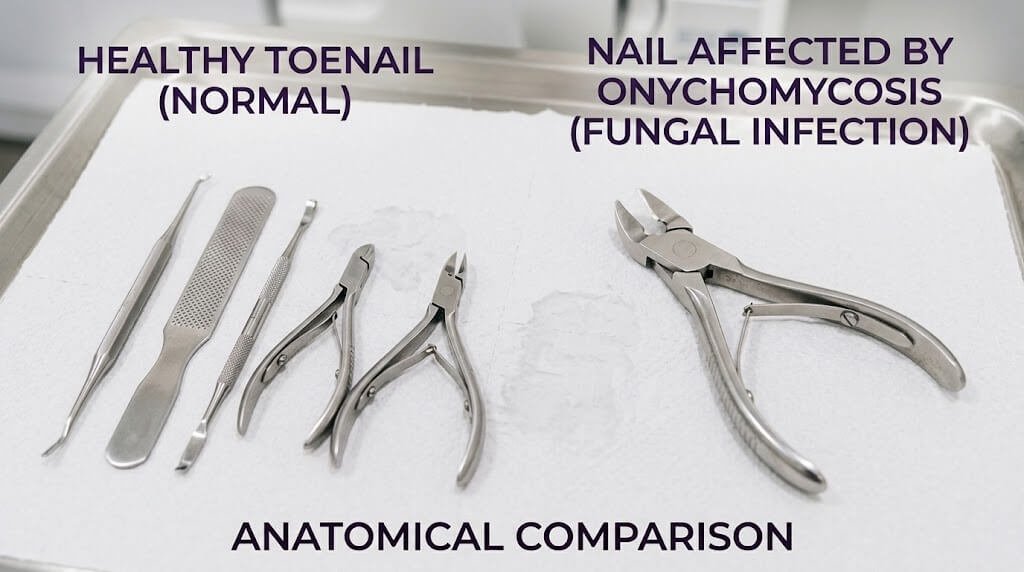
- Debridement: Have a podiatrist safely pare down (thin out) thick nail tissue, or use clean, dedicated clippers at home. Thinning the nail plate reduces fungal load and allows topical treatments to reach deeper into the nail bed.
Step 3: Sanitize Your Gym Gear and Footwear
Fungal spores can survive inside shoes for months. If you wear contaminated shoes after completing medical treatment, you risk reinfecting your nails.
- UV Shoe Sanitizers: Use ultraviolet shoe inserts after workouts to destroy spores inside athletic shoes.
- Antifungal Sprays: Spray shoe interiors with miconazole or tolnaftate powders/sprays.
- High-Heat Laundering: Wash workout socks in hot water (at least 140°F / 60°C) using an antifungal detergent additive, then dry on high heat.
Step 4: Protect the Growing Nail Plate
Toenails grow slowly—roughly 1 to 2 millimeters per month. A full replacement of a big toenail can take 12 to 18 months. You must continue protective habits until the infected portion of the nail has completely grown out and been trimmed away.
Coach’s Tip: The Sock Swap Strategy
If your feet sweat excessively during workouts or daily activities, keep a spare pair of moisture-wicking synthetic or merino wool socks in your gym bag. Swap your socks halfway through the day or immediately after your training session. Never let damp socks linger against your toenails.
Common Mistakes That Prevent Complete Healing
Many people struggle with recurring toenail fungus because of simple errors during treatment:
- Stopping Treatment Too Early: Halting your routine when the nail looks slightly clearer, but before the infected portion has fully grown out, allows remaining spores to multiply.
- Reusing Contaminated Nail Tools: Using the same clippers on infected and healthy nails can spread the fungus across all toes. Always disinfect tools with rubbing alcohol after use.
- Walking Barefoot in High-Risk Areas: Walking barefoot on public pool decks, gym showers, or locker room floors exposes your feet to active fungal spores. Always wear protective sandals or slides.
- Ignoring Overall Metabolic Health: Poor peripheral circulation or elevated blood sugar levels can slow down nail growth and weaken your immune response. Maintaining stable metabolic health through proper exercise and diet supports your body’s healing capacity.
Exercise and Metabolic Support for Nail Health
Physical activity improves systemic circulation, ensuring your blood carries necessary nutrients and oxygen to peripheral tissues like your toes.
Incorporating dedicated lower-body strength and mobility work keeps blood moving efficiently down to the feet.
Lower-Body Mobility & Circulation Circuit
Perform this quick foot-and-ankle movement routine 3 times per week to encourage blood flow to the lower extremities:
| Exercise | Sets | Reps / Duration | Rest | Focus |
| Calf Raises | 3 | 15–20 reps | 45 sec | Ankle pump and blood flow |
| Toe Spreads & Curls | 3 | 10 reps per foot | 30 sec | Foot intrinsic muscle activity |
| Ankle Circles | 2 | 30 sec per direction | 30 sec | Joint mobility and warmth |
Regular exercise also supports blood glucose management. Elevated blood sugar levels can impair small-vessel circulation, which is why optimizing metabolic health is a vital component of long-term wellness. If you are working to streamline your nutrition alongside your exercise routine, learning how to support metabolism naturally for weight management can help reinforce healthy daily habits.
Similarly, ensuring adequate protein intake supports the production of structural proteins like keratin. Reviewing how protein intake affects metabolism and tissue support can help you plan your dietary needs while keeping your overall energy balanced.

Preventive Foot Hygiene Routine for Athletes and Gym-Goers
To prevent fungus from returning after you have treated it, build a sustainable foot-care routine into your daily schedule.
- Daily Cleansing: Wash feet daily with soap and water, paying special attention to the spaces between your toes.
- Thorough Drying: Dry your feet completely with a clean towel before putting on socks or shoes. Moisture trapped between toes creates an ideal environment for dermatophytes.
- Breathable Footwear: Choose shoes made from breathable mesh or genuine leather rather than tight synthetic materials that trap moisture.
- Alternate Footwear: Avoid wearing the same pair of shoes two days in a row. Allow at least 24 hours for athletic shoes to dry out completely between uses.
- Nail Trimming: Trim nails straight across rather than rounding the edges too deep into the corners to reduce the risk of ingrown nails and micro-trauma.
Frequently Asked Questions
Can over-the-counter creams permanently cure toenail fungus?
Over-the-counter creams can help control mild surface fungi or skin infections like athlete’s foot. However, they rarely penetrate deep keratin layers to cure moderate-to-severe nail bed infections permanently. Prescription oral options or specialized clinical treatments are usually required.
How long does it take to grow out a clear, healthy toenail?
Because toenails grow slowly, it generally takes 9 to 18 months for a damaged toenail to completely grow out and be replaced by a clear nail plate, even after the active fungus has been killed.
Can home remedies like tea tree oil kill toenail fungus forever?
Natural remedies like tea tree oil possess mild natural antifungal properties and may assist with surface-level symptoms. However, current clinical research shows low cure rates for deep-seated onychomycosis compared to standard prescription antifungals.
Why does toenail fungus keep coming back after treatment?
Toenail fungus often recurs because fungal spores remain dormant in old shoes, shower floors, or socks. Reinfection can also occur if the original treatment was stopped before the infected nail fully grew out.
Is laser treatment for toenail fungus covered by health insurance?
In many regions, laser therapy for onychomycosis is considered a cosmetic procedure, meaning it may not be fully covered by standard medical insurance plans. Check with your provider and podiatrist for specific coverage details.
Conclusion
Determining what kills toenail fungus permanently comes down to addressing both the active infection and your surrounding environment. Clinical interventions—such as oral prescription antifungals like terbinafine, clinical lasers, or high-potency topicals—target the root of the infection deep within the nail bed. Combining these medical treatments with daily footwear hygiene, moisture control, and consistent nail care ensures that once the healthy nail grows back, it stays clear for good.