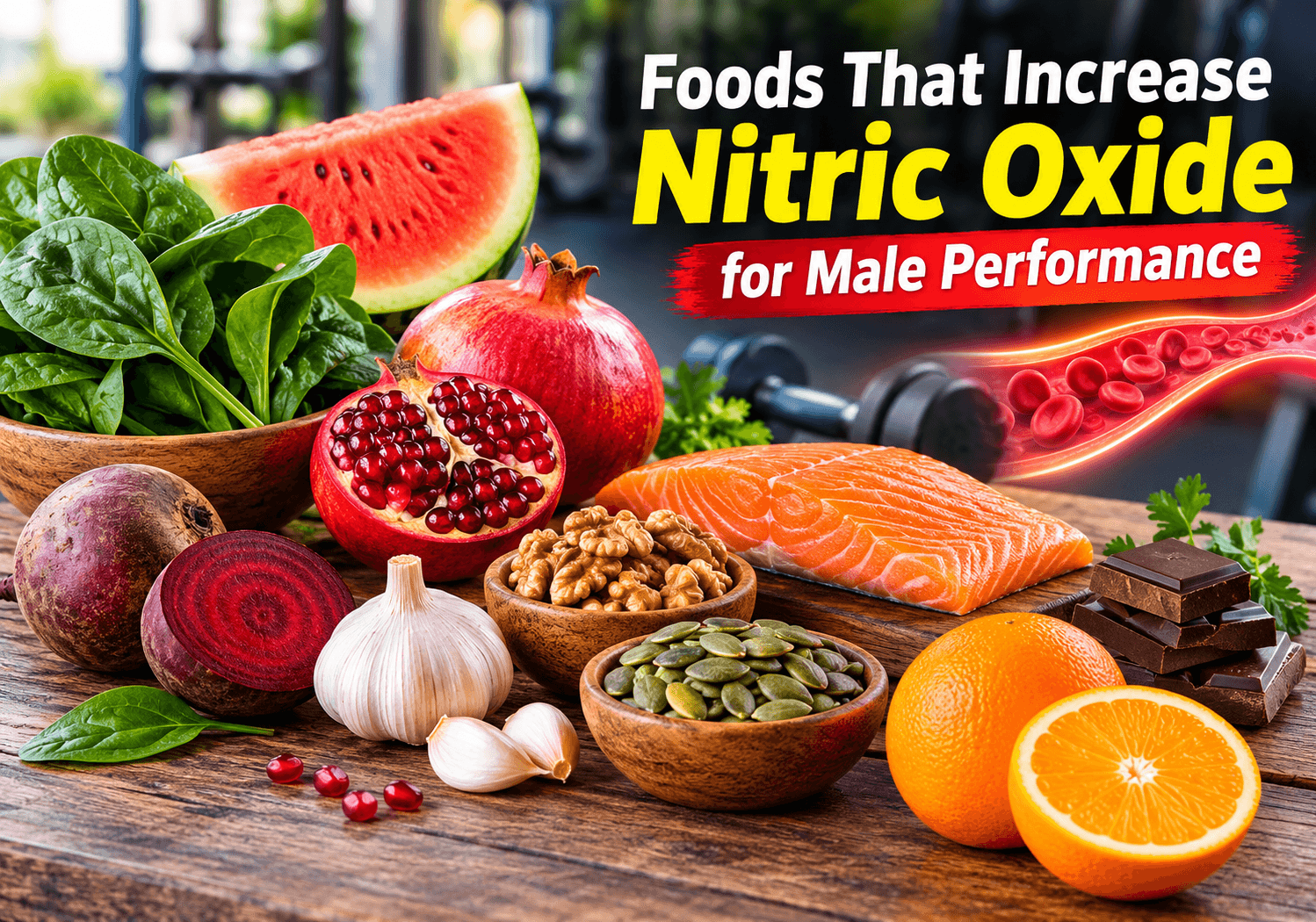
Optimizing your diet is one of the most effective ways to support your body’s natural systems. If you are looking to enhance your gym sessions, improve cardiovascular endurance, or support overall vascular health, you need to understand the role of nitric oxide. This vital molecule relaxes and widens blood vessels, a process called vasodilation. By strategically choosing foods that increase nitric oxide for male performance, you can naturally enhance blood flow, oxygen delivery, and physical stamina without relying solely on synthetic supplements.
As a strength and conditioning coach, I see many athletes and active men overlook the power of whole foods. They reach for pre-workout powders while ignoring the produce aisle. The reality is that your body can convert dietary nitrates and specific amino acids into nitric oxide highly efficiently. This guide will walk you through the science, the top ten foods to prioritize, and practical ways to build them into your daily routine for maximum benefit.
Quick Answer
What are the best foods that increase nitric oxide for male performance? The most effective options include beetroot, watermelon, pomegranate, spinach, garlic, citrus fruits, walnuts, pumpkin seeds, fatty fish, and dark chocolate. These foods are rich in dietary nitrates, L-citrulline, and L-arginine, which the body converts into nitric oxide to improve blood flow, enhance muscle pumps, and support cardiovascular stamina. Consume them 2–3 hours before training for optimal results.
The Science: How Nitric Oxide Boosts Male Performance
Nitric oxide (NO) is a signaling molecule produced naturally by the endothelial cells lining your blood vessels. Its primary job is to tell the smooth muscle in your血管 to relax. When these vessels widen, blood flows more freely. This process is critical for both athletic performance and general male health.
According to the National Institutes of Health (NIH), dietary nitrates are converted into nitrite by bacteria in the mouth, and then into nitric oxide in the stomach and bloodstream. This pathway significantly improves endothelial function and lowers resting blood pressure. For men, healthy blood flow is directly linked to better exercise capacity, faster muscle recovery, and healthy erectile function.
Additionally, certain foods provide amino acids like L-citrulline and L-arginine. Research published in the Journal of Nutrition shows that L-citrulline is highly effective at raising plasma arginine levels, which in turn fuels nitric oxide synthase (the enzyme that makes NO). Unlike direct L-arginine supplementation, which is often broken down before it reaches the bloodstream, L-citrulline from food bypasses this issue, making it a superior dietary choice for sustained vascular support.
Top 10 Foods That Increase Nitric Oxide for Male Performance
To get real results, you need to eat these foods consistently. Below is a detailed breakdown of the most potent, evidence-backed options, including exactly how much to eat and how to use them.
1. Beetroot (Beets)
Beetroot is the gold standard for natural nitric oxide production. It is exceptionally high in inorganic nitrates. When you consume beets, your body efficiently converts these nitrates into nitric oxide, leading to measurable improvements in blood flow and exercise efficiency.
- Why it works: A single cup of raw beets contains roughly 300–400 mg of dietary nitrates. Studies show this directly reduces the oxygen cost of exercise, allowing you to train harder for longer.
- Coach’s Serving Size: 1 medium raw beet (about 3 inches or 7.5 cm in diameter) or 8 oz (237 ml) of pure beetroot juice.
- How to use it: Drink beetroot juice 2 to 3 hours before a heavy leg day or endurance session. You can also roast diced beets with olive oil and add them to a post-workout salad.
- Performance Benefit: Enhanced muscle pump, delayed fatigue, and improved cardiovascular output.
2. Watermelon
Watermelon is not just a summer treat; it is one of the richest natural sources of L-citrulline. This amino acid is a direct precursor to L-arginine and, subsequently, nitric oxide.
- Why it works: Research indicates that L-citrulline supplementation improves arterial stiffness and blood pressure. Watermelon provides this in a highly bioavailable, hydrating whole-food format.
- Coach’s Serving Size: 2 cups (about 1 lb or 450 grams) of fresh, diced watermelon. The white rind contains the highest concentration of citrulline, so blend it into a smoothie if you can tolerate the taste.
- How to use it: Eat a large bowl of watermelon as a pre-workout snack, or blend the flesh and a small amount of the white rind into a post-training recovery smoothie.
- Performance Benefit: Reduced muscle soreness and improved blood vessel dilation during resistance training.

3. Pomegranate
Pomegranates are packed with powerful antioxidants called polyphenols. These compounds protect nitric oxide from being degraded by oxidative stress, effectively extending its lifespan in your bloodstream.
- Why it works: A study in the Journal of the International Society of Sports Nutrition found that pomegranate extract improved blood flow and delayed fatigue during treadmill tests. It works synergistically with nitrate-rich foods.
- Coach’s Serving Size: 1/2 cup (about 75 grams) of fresh pomegranate arils (seeds) or 8 oz (237 ml) of 100% pure pomegranate juice (no added sugar).
- How to use it: Sprinkle arils over oatmeal or Greek yogurt in the morning. Drink the juice diluted with water during a long endurance workout.
- Performance Benefit: Sustained energy, better joint lubrication, and protected nitric oxide levels.
4. Spinach and Dark Leafy Greens
Spinach, arugula, and Swiss chard are nitrate powerhouses. They are also rich in magnesium, a mineral that supports healthy blood pressure and muscle relaxation.
- Why it works: The nitrates in leafy greens follow the same salivary pathway as beets, promoting steady, long-lasting vasodilation. They are also low in calories, making them easy to consume in large volumes.
- Coach’s Serving Size: 2 cups (about 60 grams) of raw spinach or arugula daily.
- How to use it: Toss a large handful of raw spinach into a morning protein shake. The fruit masks the taste completely. Alternatively, use arugula as the base for a post-workout salad with lean protein.
- Performance Benefit: Consistent daily blood flow support and improved nutrient delivery to working muscles.
5. Garlic
Garlic contains allicin and other sulfur compounds that stimulate nitric oxide synthase, the enzyme responsible for producing nitric oxide from L-arginine.
- Why it works: Research published in The Journal of Nutrition demonstrates that aged garlic extract can improve endothelial function and arterial flexibility. It essentially helps your body make better use of the arginine you already have.
- Coach’s Serving Size: 1 to 2 fresh cloves (about 1/2 inch or 1.25 cm each) per day.
- How to use it: Crush or chop fresh garlic and let it sit for 10 minutes before cooking. This activates the allicin. Add it to stir-fries, scrambled eggs, or homemade marinades for chicken or salmon.
- Performance Benefit: Improved arterial health and enhanced enzymatic production of nitric oxide.
6. Citrus Fruits (Oranges, Lemons, Grapefruit)
Citrus fruits are loaded with vitamin C, a potent antioxidant. While they do not contain high nitrates, vitamin C is crucial for protecting nitric oxide molecules from free radical damage.
- Why it works: Oxidative stress rapidly breaks down nitric oxide. By neutralizing free radicals, vitamin C ensures that the nitric oxide your body produces remains active in the bloodstream longer.
- Coach’s Serving Size: 1 medium orange or the juice of 1/2 a lemon squeezed into water.
- How to use it: Squeeze fresh lemon juice over your spinach salad to boost both flavor and nitric oxide absorption. Eat an orange as a mid-morning snack.
- Performance Benefit: Prolonged vasodilation and improved immune function during heavy training blocks.
7. Walnuts and Pumpkin Seeds
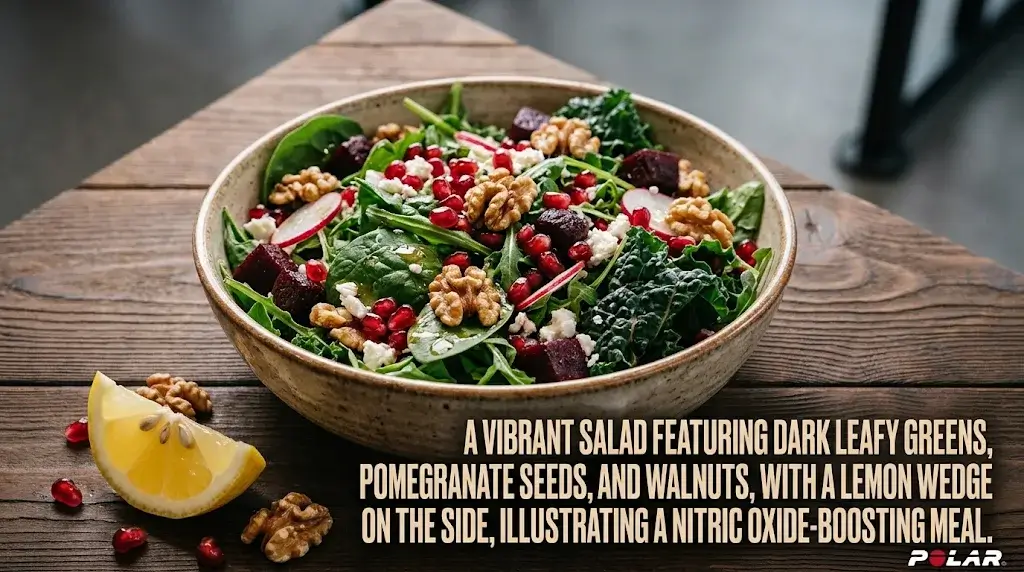
These nuts and seeds are excellent plant-based sources of L-arginine. They also provide healthy omega-3 fatty acids and zinc, which are critical for male hormonal health.
- Why it works: L-arginine is the direct building block of nitric oxide. While supplementation can be hit-or-miss, getting it from whole foods alongside healthy fats improves overall cardiovascular markers.
- Coach’s Serving Size: 1 oz (28 grams), which is about 14 walnut halves or 3 tablespoons of pumpkin seeds.
- How to use it: Keep a small bag of raw pumpkin seeds in your gym bag for a quick, blood-flow-friendly snack. Sprinkle crushed walnuts over your evening oatmeal.
- Performance Benefit: Steady amino acid supply for nitric oxide production and support for healthy testosterone levels.
8. Salmon and Fatty Fish
Fatty fish like salmon, mackerel, and sardines are rich in omega-3 fatty acids (EPA and DHA). These fats improve the health of the endothelial lining, making it more efficient at producing nitric oxide.
- Why it works: A study in the American Journal of Clinical Nutrition notes that omega-3 intake enhances endothelial function and reduces vascular inflammation, creating a better environment for nitric oxide to thrive.
- Coach’s Serving Size: 4 to 6 oz (113 to 170 grams) of cooked salmon, twice a week.
- How to use it: Bake or grill salmon with a side of roasted asparagus (another nitrate-rich vegetable) for a powerful, performance-boosting dinner.
- Performance Benefit: Reduced systemic inflammation, better joint health, and optimized blood vessel function.
9. Dark Chocolate (Cacao)
High-quality dark chocolate contains flavonoids, specifically epicatechin, which has been shown to stimulate nitric oxide production and improve blood flow.
- Why it works: Research indicates that cocoa flavanols improve endothelial function and lower blood pressure. The key is choosing chocolate with a high cacao percentage to minimize sugar intake.
- Coach’s Serving Size: 1 to 1.5 oz (28 to 42 grams) of dark chocolate containing at least 70% cacao.
- How to use it: Enjoy a square or two as an afternoon treat, or melt high-cacao chocolate into a post-workout protein smoothie for a rich, antioxidant-dense finish.
- Performance Benefit: Mild, sustained energy boost and improved microcirculation to the extremities.
10. Arugula (Rocket)
Often overlooked, arugula actually contains more nitrates per gram than beetroot. It is a highly efficient, low-calorie way to flood your system with nitric oxide precursors.
- Why it works: Like spinach, arugula relies on the oral microbiome to convert its high nitrate content into usable nitric oxide. It is particularly effective for acute pre-workout boosts.
- Coach’s Serving Size: 1 to 2 cups (20 to 40 grams) of fresh arugula.
- How to use it: Blend a large handful into a green smoothie with watermelon and a scoop of protein powder. The peppery taste is easily masked by sweet fruits.
- Performance Benefit: Rapid, acute improvement in blood flow and exercise tolerance when consumed 2–3 hours before training.
How to Build a Nitric Oxide-Boosting Meal Plan
Knowing the foods is only half the battle. You must integrate them into a sustainable daily routine. Below is a sample day of eating designed to maximize natural nitric oxide production for an active man.
| Meal | Food Components | Nitric Oxide Benefit |
| Breakfast | 3 whole eggs, 2 cups raw spinach blended into a smoothie with 1/2 cup watermelon and 1 tbsp pumpkin seeds. | Provides L-arginine, nitrates, and L-citrulline to start the day with optimal blood flow. |
| Lunch | Grilled chicken breast, 2 cups mixed arugula and spinach salad, 1/2 cup pomegranate arils, olive oil, and lemon juice dressing. | Delivers a massive nitrate load, protected by vitamin C and polyphenols. |
| Pre-Workout Snack | 8 oz (237 ml) pure beetroot juice or 1 medium raw beet, consumed 2 hours before training. | Primes the vascular system for maximum muscle pump and oxygen delivery. |
| Dinner | 5 oz (140 grams) baked salmon, 1 cup roasted broccoli, 2 cloves of crushed garlic, and 1 oz (28 grams) walnuts. | Supports endothelial health with omega-3s and stimulates NO synthase with allicin. |
| Evening Treat | 1 oz (28 grams) of 70%+ dark chocolate. | Provides flavonoids to protect nitric oxide from oxidative degradation overnight. |
Coach’s Tip: Timing and Synergy
Timing matters. Dietary nitrates peak in the bloodstream about 2 to 3 hours after consumption. If you want the best gym performance, do not drink your beetroot juice 15 minutes before you lift. Drink it 2 hours prior. Furthermore, do not use antibacterial mouthwash right before or after eating nitrate-rich foods. The bacteria on your tongue are required to convert nitrates into nitrites. Killing them blocks the entire process.
Common Mistakes and Fixes
Common Mistake: Relying solely on processed “nitric oxide booster” supplements while eating a diet high in processed meats and low in vegetables. The Fix: Supplements cannot out-work a poor diet. Processed meats contain nitrates, but they are often bound to proteins in a way that can form harmful compounds, unlike the natural nitrates in vegetables. Prioritize whole food sources first. Use supplements only to fill gaps, not as a foundation.
Common Mistake: Overcooking nitrate-rich vegetables. The Fix: Boiling spinach or beets can leach up to 50% of the nitrates into the water, which you then pour down the drain. Instead, eat these vegetables raw (in smoothies or salads), lightly steam them, or roast them to preserve their nitric oxide-boosting potential.
Safety Notes and Who Should Be Careful
While increasing nitric oxide through food is generally very safe, there are a few important considerations.
First, if you are currently taking prescription blood pressure medications (like ACE inhibitors or nitrates for chest pain), adding large amounts of nitrate-rich foods or L-arginine supplements can cause your blood pressure to drop too low. Always consult your doctor before making drastic dietary changes if you are on medication.
Second, men with a history of kidney stones should be cautious with high-oxalate foods like spinach and beets. Staying well-hydrated and pairing these foods with calcium-rich foods (like dairy) can help mitigate this risk.
Finally, remember that diet is just one pillar of male performance. Managing stress, getting 7–9 hours of quality sleep, and maintaining a healthy body weight are equally critical. For more on how lifestyle factors impact your goals, read our guide on how stress and poor sleep can lower male libido.
FAQ
What foods increase nitric oxide naturally? The best foods include beetroot, watermelon, pomegranate, spinach, arugula, garlic, citrus fruits, walnuts, pumpkin seeds, fatty fish, and dark chocolate. These provide nitrates, L-citrulline, and antioxidants that support blood flow.
How long does it take for nitric oxide foods to work? For acute effects, like a pre-workout boost, dietary nitrates from beetroot or arugula peak in the bloodstream 2 to 3 hours after consumption. Long-term vascular benefits build up over weeks of consistent daily intake.
Can diet replace nitric oxide supplements? For most healthy men, a well-structured diet rich in nitrate vegetables and L-citrulline sources can provide sufficient nitric oxide support without the need for supplements. However, athletes seeking marginal gains may still benefit from targeted supplementation.
Does beetroot juice improve erectile function? Research suggests that the improved blood flow and endothelial function from dietary nitrates can support healthy erectile function, as the mechanism relies on the same vasodilation process. However, it is not a cure for clinical erectile dysfunction.
Are there side effects to eating too many nitrate-rich foods? Whole-food nitrates are generally safe. However, consuming massive amounts of beetroot may cause beeturia (harmless red or pink urine/stool). High-oxalate foods like spinach should be moderated if you are prone to kidney stones.
What is the difference between L-arginine and L-citrulline in food? L-citrulline (found in watermelon) is converted into L-arginine in the kidneys, raising blood arginine levels more effectively than eating L-arginine directly, which is heavily broken down in the gut. For more details, see our guide on does L-arginine support blood flow and erectile function.
Conclusion
Optimizing your vascular health does not require expensive, proprietary blends. By strategically incorporating foods that increase nitric oxide for male performance into your daily diet, you can naturally enhance blood flow, improve your gym performance, and support long-term cardiovascular health. Focus on nitrate-rich vegetables like beets and arugula, L-citrulline sources like watermelon, and antioxidant-packed foods like pomegranate and dark chocolate.
Remember to time your intake correctly, avoid antibacterial mouthwash around meal times, and pair these foods with a solid training program. If you are looking to further optimize your daily drive and physical output, explore our evidence-based guide on how men can improve stamina and sexual wellness naturally. Consistency is your most powerful tool. Start adding these foods to your grocery list today and feel the difference in your next workout.