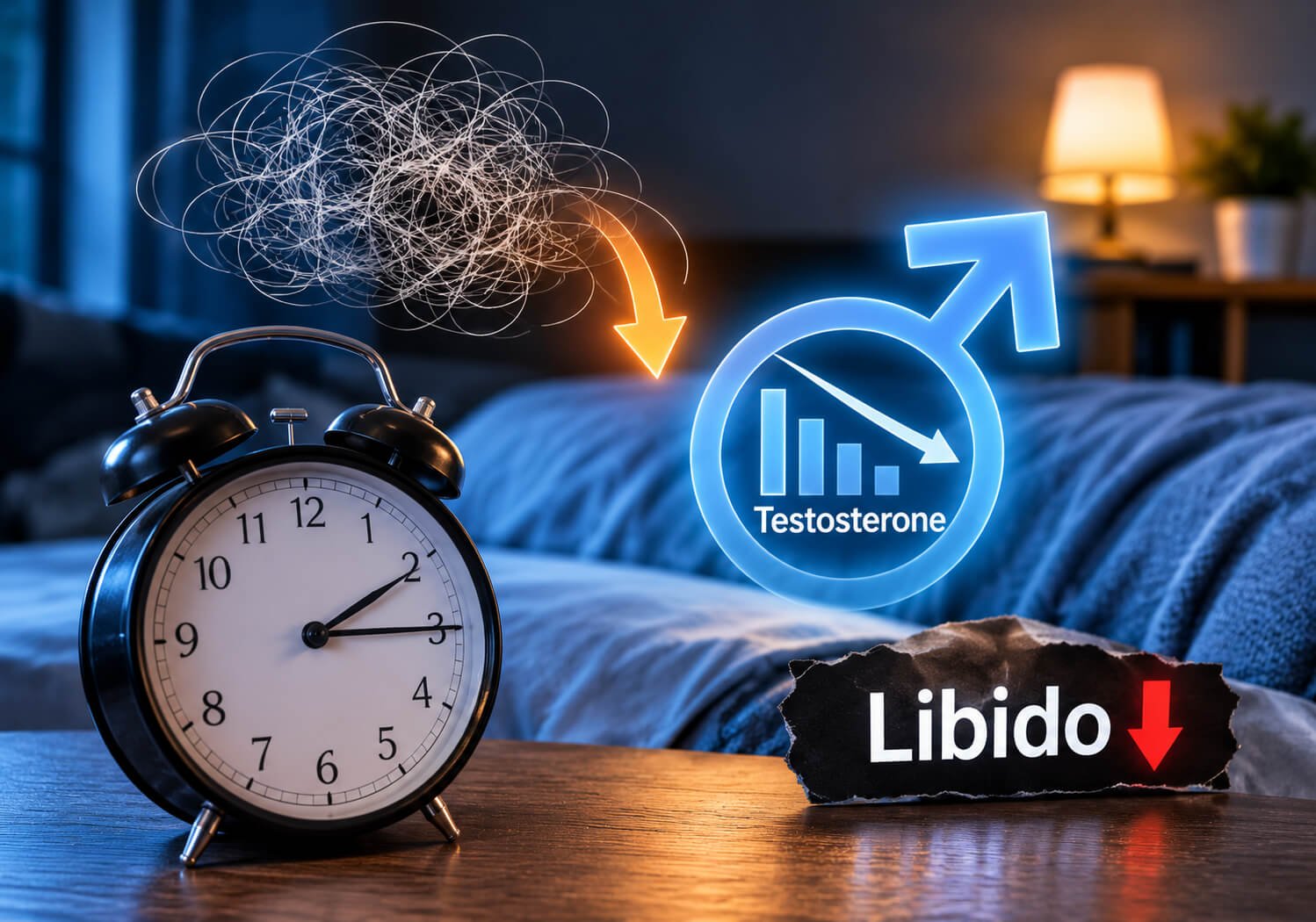
When you feel exhausted, overworked, and constantly wired, your sex drive is usually the first thing to disappear. If you have been wondering, can stress and poor sleep lower male libido?, the short answer is a definitive yes. As a strength and conditioning coach, I see this pattern all the time in clients who try to grind through 60-hour workweeks, late-night screen time, and intense gym sessions without enough recovery. When your nervous system stays stuck in overdrive and your body is robbed of deep rest, your endocrine system shifts its focus away from reproduction and toward basic survival. Understanding how this happens is the first step toward reclaiming your energy, hormones, and vitality.
Quick Answer
Yes, chronic stress and poor sleep significantly lower male libido. Lack of sleep disrupts the nocturnal surge of testosterone, while high stress triggers cortisol production, which directly suppresses testosterone synthesis in the testes. Together, these factors lead to hormonal imbalances, fatigue, and a plummeting sex drive.
The Biological Connection: How Stress and Sleep Control Male Hormones
To understand why your sex drive vanishes when life gets heavy, you need to look at how your brain and body communicate. Male sexual desire and performance rely on a delicate hormonal network governed by the brain and endocrine glands. When sleep and stress disrupt this network, your entire system goes out of balance.
The Hypothalamic-Pituitary-Testicular (HPT) Axis Explained
Your body operates through tightly regulated feedback loops. The master command center for male hormones is the Hypothalamic-Pituitary-Testicular (HPT) axis.
- The Hypothalamus: Located in your brain, it releases Gonadotropin-Releasing Hormone (GnRH).
- The Pituitary Gland: GnRH signals the pituitary gland to release Luteinizing Hormone (LH) and Follicle-Stimulating Hormone (FSH) into the bloodstream.
- The Testes: LH travels to your testes, stimulating Leydig cells to produce testosterone.
When you experience chronic stress or severe sleep deprivation, this signaling cascade gets scrambled. The hypothalamus slows down its release of GnRH, leading to lower LH production and, ultimately, a sharp decline in testosterone. Without adequate testosterone signaling, libido drops, energy crashes, and recovery from workouts stalls.
Cortisol vs. Testosterone: The Hormonal Tug-of-War
Stress introduces a powerful chemical antagonist into your body: cortisol. Produced by your adrenal glands during times of physical or mental strain, cortisol is your primary fight-or-flight hormone.
In short bursts, cortisol keeps you safe and focused. However, when stress becomes chronic, your cortisol levels remain stubbornly high. Biochemically, testosterone and cortisol share common building blocks and pathways. When cortisol production ramps up, your body actively suppresses reproductive hormone production to conserve energy for perceived threats.
Think of it as an evolutionary safety switch. If your ancient ancestors were running from a predator or starving, reproduction was put on hold. Modern life triggers that exact same biological brake pad through email notifications, financial worries, and sleep debt.
What the Science Says About Sleep Deprivation and Libido
Sleep is not a passive state where your body simply shuts down. It is an active, highly organized process during which your endocrine system resets itself. Most daily testosterone production occurs during uninterrupted slow-wave sleep (SWS) and REM sleep.
Clinical research highlights how fragile this system is. A landmark study published in the Journal of the American Medical Association demonstrated that just one week of sleep restriction—cutting sleep down to 5 hours per night—resulted in a 10% to 15% drop in daytime testosterone levels among healthy young men. Participants also reported a progressive decline in overall vigor, mood, and sexual desire as their sleep debt accumulated.
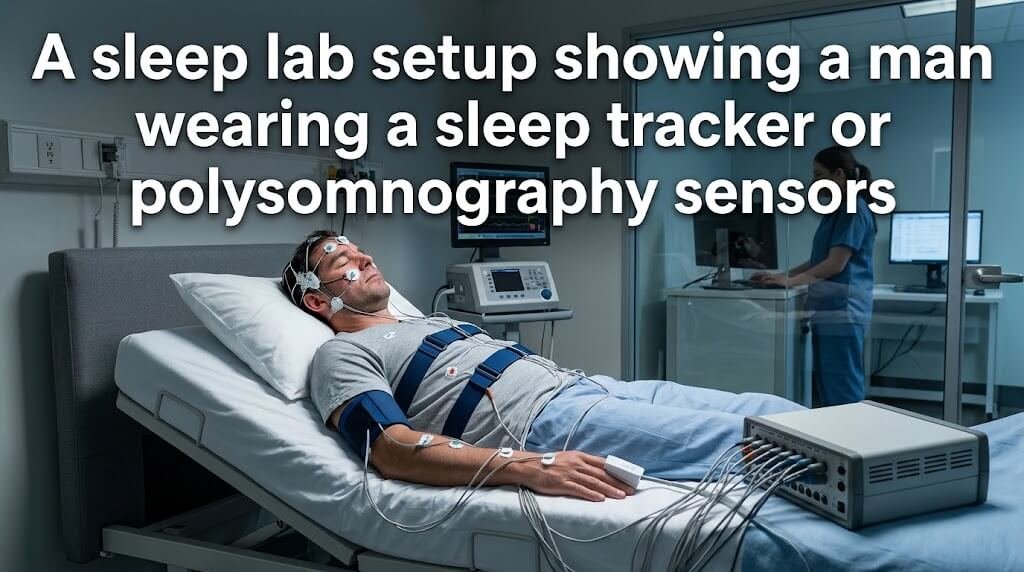
When you cut corners on sleep night after night, you disrupt your natural circadian rhythm. The body requires consecutive hours of deep sleep to trigger the nocturnal hormone pulses that keep your endocrine profile optimized. Fragmented sleep, whether caused by late-night scrolling, alcohol, or sleep disorders like obstructive sleep apnea, prevents you from entering these restorative stages. As a result, you wake up feeling drained, with hormone levels that resemble those of a man a decade or two older.
How Chronic Stress Kills Sex Drive in Men
Stress operates on multiple fronts to degrade male sexual health. It impacts you psychologically, neurologically, and physically.
When you are engulfed in chronic stress, your sympathetic nervous system stays locked in a state of high alert. This constant adrenaline and cortisol output causes vasoconstriction—the narrowing of blood vessels—which directly impairs blood flow. Healthy blood flow is a physiological prerequisite for normal sexual function and arousal.
Furthermore, psychological stress floods the mind with distracting, anxious thoughts. When your brain is consumed by work deadlines, relationship friction, or financial anxiety, the psychological pathways required for intimacy are blocked. This creates a frustrating feedback loop: stress lowers libido, the lack of intimacy causes relationship friction, and that friction generates even more stress.

Sleep Duration, Cortisol Levels, and Testosterone Changes
To put the physiological impact into perspective, consider how different sleep and stress profiles alter your hormonal baseline:
| Sleep & Stress Status | Average Nightly Duration | Cortisol Impact | Relative Testosterone Change | Effect on Libido |
| Optimal Recovery | 7.5 – 9 hours | Balanced, low baseline | Baseline optimal (100%) | High, normal drive |
| Mild Sleep Debt | 6 – 7 hours | Mild evening elevation | Moderate reduction (~5-10%) | Mildly diminished |
| Chronic Deprivation | Under 5.5 hours | Chronically elevated | Significant drop (10–15%+) | Low to absent |
| High Stress + Poor Sleep | Fragmented | Spiked day and night | Severe suppression | Very low / Sexual fatigue |
As you can see, sleep duration and cortisol levels dictate your hormonal reality. Understanding how sleep affects metabolism and overall health gives you a roadmap for systemic recovery. For instance, managing stress effectively supports both hormonal balance and the hormonal connection with sleep.
Can stress and poor sleep lower male libido permanently, or is it reversible?
The good news is that stress- and sleep-induced libido drops are almost always reversible. Because your endocrine system responds dynamically to your daily environment, fixing the inputs will restore the outputs.
When clients ask me how long it takes to turn things around, I explain that hormones respond relatively quickly to lifestyle consistency. If you correct your sleep habits and lower your systemic stress, you can often notice improvements in energy, morning alertness, and sex drive within 3 to 6 weeks.
Reversibility depends entirely on removing the underlying friction. If your sleep is wrecked by late-night caffeine, alcohol, or poor sleep hygiene, fixing those habits restores slow-wave sleep architecture. If your stress is driven by overtraining in the gym, backing off your training volume allows your central nervous system to recover.
Practical Action Plan: How to Restore Sleep, Lower Stress, and Reclaim Your Libido
If you want to pull yourself out of the fatigue trap, you need a structured, practical routine. Here is the exact blueprint I give coaching clients who are struggling with low energy and flagging libido.

Step 1: Fix Your Sleep Architecture
- Aim for 7 to 9 hours: Prioritize a consistent sleep and wake window, even on weekends.
- Control light exposure: Get 10 to 15 minutes of direct outdoor sunlight within an hour of waking to anchor your circadian rhythm.
- Cut screens 60 minutes before bed: Blue light from phones suppresses melatonin production, delaying deep sleep onset.
Step 2: Manage Daily Stress and Cortisol Spikes
- Implement cortisol management techniques: Use box breathing (inhale for 4 seconds, hold for 4, exhale for 4, hold for 4) for 5 minutes during high-stress work moments.
- Set hard boundaries: Disconnect from work emails and stressful news feeds after dinner to signal to your nervous system that the workday is finished.
Step 3: Optimize Exercise and Avoid Overtraining
- Exercise is a powerful booster for testosterone and libido, but too much high-intensity work without recovery spikes cortisol.
- Balance heavy resistance training (3 to 4 days per week) with Zone 2 cardio (steady-state walking or cycling) to build metabolic flexibility without draining your reserves.
- Keep lifting sessions under 60 minutes to prevent excessive cortisol output.
Step 4: Nutritional Foundations and Recovery Support
- Eat adequate healthy fats (avocados, olive oil, eggs, nuts), as cholesterol serves as the molecular backbone for testosterone production.
- Avoid heavy, greasy meals right before bed, as poor digestion fragments your sleep quality.
- Address energy crashes and stress through balanced macro nutrition rather than relying on heavy stimulants that tax your adrenal glands.
Safety Notes and When to See a Doctor
While lifestyle adjustments solve the vast majority of stress- and sleep-related libido issues, you must remain vigilant for underlying medical conditions. If your low libido is accompanied by complete erectile failure, severe night sweats, sudden muscle loss, persistent depressive symptoms, or unexplainable fatigue, do not try to fix it with lifestyle alone.
Conditions like obstructive sleep apnea (OSA), hypogonadism, thyroid disorders, and cardiovascular disease can mimic or worsen fatigue and sexual dysfunction. Always consult with a qualified physician or urologist for proper diagnostic blood work before assuming lifestyle changes are entirely sufficient.
This article is for general information and is not a substitute for advice from a doctor or physical therapist.
Frequently Asked Questions (FAQ)
Can lack of sleep cause low testosterone in men?
Yes, clinical research shows that chronic sleep deprivation directly suppresses testosterone production. Sleeping less than 5 to 6 hours per night for just one week can decrease daytime testosterone levels by 10% to 15%, leading to fatigue, reduced muscle recovery, and a lower sex drive.
How does cortisol lower sex drive?
Cortisol is your primary stress hormone. When stress is chronic, high cortisol levels signal the brain and testes to suppress testosterone synthesis. Because testosterone is the primary driver of male libido, this hormonal suppression directly diminishes sexual desire and performance.
How many hours of sleep do men need for healthy hormones?
Most men require between 7 and 9 hours of uninterrupted, high-quality sleep per night to maintain optimal endocrine function. During deep slow-wave and REM sleep, the body triggers the nocturnal hormone pulses necessary for testosterone synthesis and physical recovery.
Can fixing my sleep schedule restore my sex drive?
Yes, in most cases, restoring consistent sleep hygiene and eliminating sleep debt reverses hormone suppression. Once you consistently hit 7 to 9 hours of quality sleep, most men notice improvements in morning energy, mood, and libido within a few weeks.
Does sleep apnea affect male sexual health?
Obstructive sleep apnea (OSA) causes frequent nighttime micro-awakenings and oxygen drops, severely fragmenting sleep architecture. Research links OSA directly to lower testosterone levels, chronic fatigue, and elevated rates of erectile dysfunction and low libido.
Can overtraining in the gym kill your libido?
Yes, exercising too frequently or too intensely without adequate rest creates chronic physical stress. This elevates baseline cortisol and depletes your central nervous system, leading to overtraining syndrome, hormonal suppression, and a noticeable drop in sex drive.
Conclusion
When lifestyle friction piles up, your body responds by prioritizing survival over reproduction. Addressing the question of can stress and poor sleep lower male libido? reveals a clear biological reality: chronic stress and sleep deprivation suppress testosterone, exhaust your nervous system, and tank your sex drive. By taking control of your sleep hygiene, managing daily stress, balancing your training intensity, and fueling your body properly, you can restore your endocrine health, elevate your energy, and reclaim your vitality.