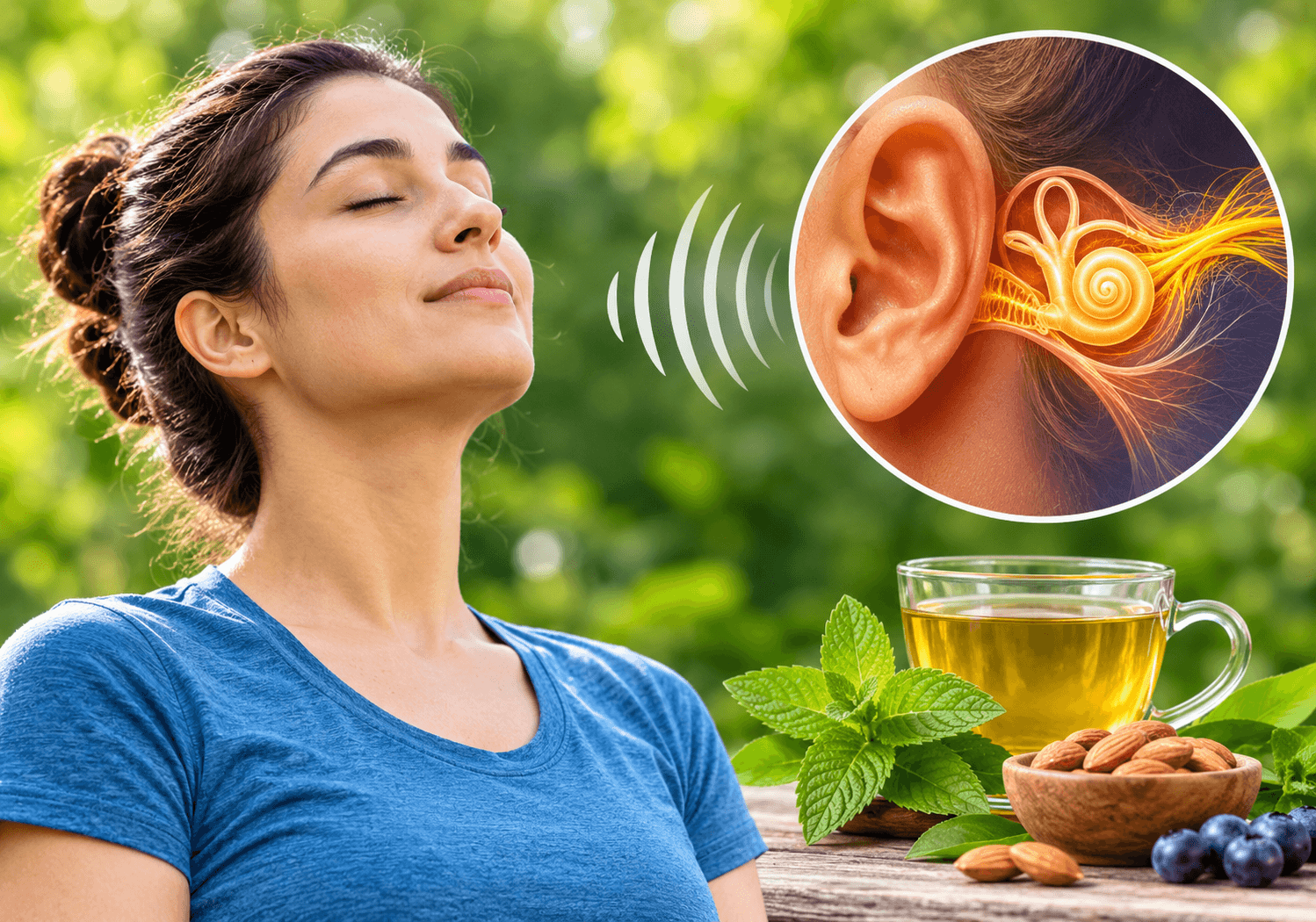
Hearing a constant hum, hiss, buzz, or high-pitched ring when no external sound is present can drive anyone up the wall. This condition, known as tinnitus, affects millions of people worldwide and can disrupt sleep, spike stress levels, and drain your daily energy. When dealing with persistent ear noise, many people wonder how to reduce ringing in ears naturally without relying entirely on pharmaceutical interventions or invasive treatments. As a strength and conditioning coach who has worked with athletes and active adults dealing with nervous system fatigue and chronic sensory stress, I approach tinnitus not just as an ear problem, but as an entire nervous system puzzle. In this comprehensive guide, we will explore evidence-based, natural strategies to calm your auditory system, manage stress triggers, adjust your nutrition, and reclaim your peace of mind.
Quick Answer
To reduce ringing in ears naturally, combine sound therapy (like white noise masking), stress-reduction techniques like diaphragmatic breathing, and dietary adjustments such as limiting sodium, caffeine, and alcohol. Addressing underlying jaw tension (TMJ) and improving sleep hygiene also significantly lower tinnitus perception by calming an overactive nervous system.
Understanding Tinnitus: Why Your Brain Hears Phantom Sounds
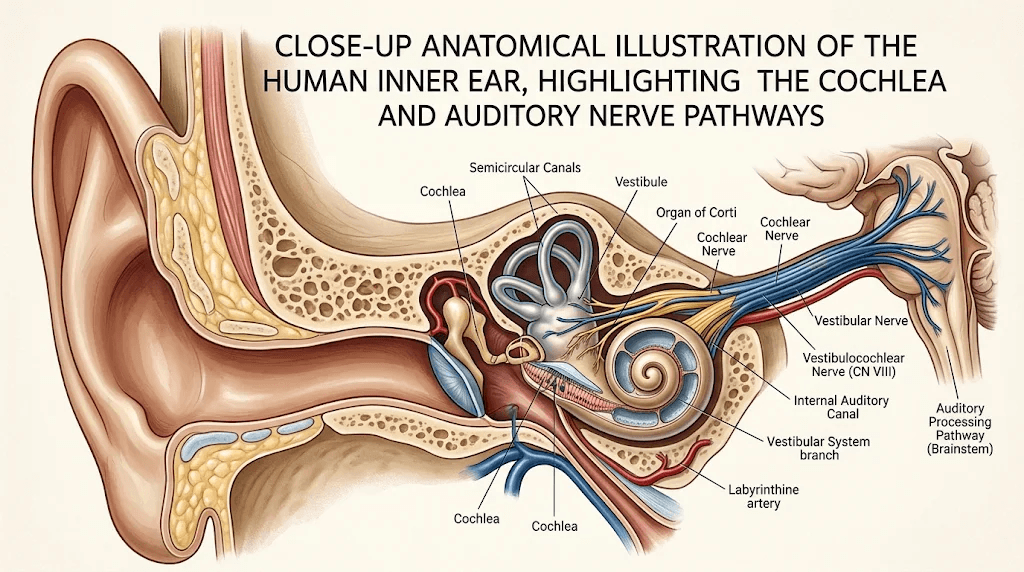
To understand how to soothe ringing in your ears, you first need to know what is happening inside your auditory pathways. Tinnitus is rarely a disease in itself; instead, it is a symptom of an underlying issue, most commonly damage to the microscopic sensory hair cells inside the cochlea of the inner ear. According to the National Institutes of Health (NIH), when these delicate hair cells are damaged by loud noises, aging, or restricted blood flow, they send random, erratic electrical signals to the auditory cortex of the brain.
Your brain, trying to make sense of the missing signals from the damaged hair cells, turns up its internal “gain dial.” This neurological amplification turns background neural static into the loud, intrusive ringing you perceive. Because the brain’s central nervous system plays such a massive role in perceiving tinnitus, any intervention that calms your nervous system can dramatically reduce how loud and bothersome the ringing feels. Stress, poor sleep, and high blood pressure act like gasoline on this fire, making the neural static louder and harder to ignore.
Lifestyle Strategies on How to Reduce Ringing in Ears Naturally
Because tinnitus is heavily influenced by your autonomic nervous system, changing your daily habits can yield profound relief. Let us look at the most powerful lifestyle changes you can make starting today.
1. Master Sound Therapy and Acoustic Masking
Silence is the enemy of tinnitus. When your environment is completely quiet, the contrast between the silence and the internal ringing becomes glaringly obvious, making your brain hyper-focus on the sound.
- Use Ambient Background Noise: Keep a low-level sound playing in your room, especially while working or sleeping. Desk fans, air purifiers, or dedicated sound machines playing pink noise or nature sounds work wonders.
- Avoid Total Deprivation: Never wear earplugs in everyday, quiet environments unless you are exposed to hazardous noise levels (like mowing the lawn or attending a concert). Depriving your ears of normal sound teaches your brain to turn up its internal gain dial even higher.
2. Regulate Stress and Calm the Nervous System
Stress and anxiety are two of the most common triggers that spike tinnitus volume. When you experience chronic stress, your body releases cortisol and adrenaline, which constrict blood vessels and increase neural excitability in the auditory cortex.
- Diaphragmatic Breathing: Practice slow, deep belly breathing for 5 to 10 minutes twice a day. Inhale through your nose for 4 seconds, hold for 4 seconds, and exhale slowly through your mouth for 6 seconds.
- Incorporate Adaptogenic Support: Managing cortisol through lifestyle practices can help buffer stress responses. For a deeper dive into stress mitigation, read this guide on adaptogens for stress eating and cortisol management.
3. Optimize Sleep Hygiene and Positional Comfort
Fatigue lowers your brain’s ability to filter out unwanted sensory inputs like tinnitus. If you sleep poorly, your tinnitus will likely sound much louder the next day.
- Elevate Your Head: Prop your head up by 4 to 6 inches [10 to 15 cm] using an extra pillow. This can help reduce fluid pressure in the head and neck during the night.
- Establish a Wind-Down Routine: Turn off screens 60 minutes before bed, keep your bedroom temperature cool around 65°F [18°C], and maintain a consistent sleep-wake schedule. For more insights on restorative rest, review how sleep affects metabolism and hormonal connection.
Dietary and Nutritional Adjustments for Ear Health
What you put into your body directly impacts blood flow, fluid regulation, and nerve signaling in your inner ear. Making strategic dietary tweaks can take substantial pressure off your auditory system.
1. Monitor Sodium and Fluid Balance
High sodium intake causes fluid retention and alters blood pressure, which can negatively affect the endolymphatic fluid pressure inside your inner ear. This is especially critical for individuals prone to Meniere-related symptoms.
- Keep Sodium Moderate: Aim to reduce processed foods, canned soups, and restaurant meals loaded with hidden salt.
- Stay Hydrated: Drink plenty of water throughout the day to maintain optimal blood volume and circulation.
2. Limit Stimulants and Vasoconstrictors
Caffeine, nicotine, and alcohol all impact your cardiovascular system and neurotransmitters.
- Caffeine Moderation: While studies on caffeine and tinnitus show mixed results, many individuals report an immediate spike in ringing after consuming large amounts of coffee or energy drinks due to increased neural stimulation.
- Alcohol and Circulation: Alcohol dilates blood vessels initially but can cause rebound constriction and disrupt deep REM sleep, leading to louder ringing the following morning.
3. Key Nutrients That Support Auditory Function
Certain vitamins and minerals play a protective role in maintaining healthy nerve function and microcirculation in the inner ear.
- Magnesium: Magnesium helps protect inner ear hair cells from free-radical damage caused by loud noise exposure.
- Zinc: Zinc is heavily concentrated in the inner ear and supports neurotransmitter function. Ensuring adequate dietary intake through leafy greens, nuts, and seeds is a smart, natural step.

Physical Therapy and Movement Interventions for Somatic Tinnitus
Many people do not realize that ringing in the ears can be linked to musculoskeletal tension in the jaw, neck, and upper back. This is known as somatic tinnitus, where physical movement or tightness in the head and neck alters or worsens the perceived ear noise.
1. Relieving Temporomandibular Joint (TMJ) Dysfunction
The jaw joint sits right next to the ear canal, and the nerves and muscles in the jaw share neurological pathways with the auditory system. Clenching your jaw or grinding your teeth (bruxism) can directly trigger or aggravate tinnitus.
- Jaw Relaxation Cues: Keep your tongue resting gently on the roof of your mouth behind your front teeth, with your teeth slightly apart and your lips closed.
- Self-Massage: Gently massage the masseter muscles along the cheekbones using small circular motions for 60 seconds twice a day.
2. Correcting Cervical Spine Posture
Forward head posture—often called “tech neck”—puts immense strain on the suboccipital muscles at the base of the skull, restricting blood flow to the head and ears.
- Chin Tucks: Sit tall, draw your chin straight back as if making a double chin, hold for 5 seconds, and repeat for 10 reps. This realigns the cervical spine and relieves upper trap tension.
Coach’s Tip: Listen to Your Body, Not Just the Ringing
When tinnitus flares up, it is easy to panic. Panic triggers a fight-or-flight response, which floods your brain with adrenaline and makes the ringing sound even louder. Treat a tinnitus spike as a physical cue to slow down, drop your shoulders away from your ears, take five deep belly breaths, and redirect your focus to an external task. Breaking the panic-tinnitus loop is half the battle.
Common Mistake: Complete Sound Isolation
A frequent mistake people make when trying to cope with ear ringing is retreating to a completely silent room or wearing earplugs all day. This backfires completely. When you block out all sound, your auditory cortex becomes hypersensitive, making the internal ringing sound exponentially louder once you step back into the quiet. Instead of seeking silence, seek gentle, neutral background sound.
Step-by-Step Tinnitus Management Protocol
Implementing a daily routine helps train your brain to habituate to the sound so it fades into the background. Use the daily protocol below as a practical framework.
| Time of Day | Protocol Focus | Action Steps |
| Morning | Gentle Awakening & Hydration | Drink 16 oz [0.5 L] of water, perform 5 minutes of neck stretches and chin tucks, avoid chugging high-dose caffeine on an empty stomach. |
| Afternoon | Stress & Posture Reset | Take a 10-minute movement break away from screens, perform diaphragmatic breathing, ensure your workstation promotes neutral neck posture. |
| Evening | Sensory Wind-Down | Turn down household lighting 1 hour before bed, avoid heavy sodium or alcohol intake, set a low-volume ambient sound machine for sleep. |

Who Should Be Cautious & When to See a Doctor
While natural self-care methods provide immense relief for chronic, stable tinnitus, certain warning signs require immediate medical evaluation by an otolaryngologist (ENT doctor) or audiologist.
- Sudden Onset: If ringing or hearing loss appears suddenly in one ear overnight, seek medical attention immediately.
- Associated Symptoms: Dizziness, vertigo, facial numbness, or severe headaches paired with tinnitus require professional diagnostic screening.
- Pulsatile Tinnitus: If the ringing beats in time with your heartbeat, it may indicate a vascular issue that needs medical review.
This article is for general information and is not a substitute for advice from a doctor or physical therapist.
Frequently Asked Questions
Can you stop ringing in the ears permanently?
Whether tinnitus can be stopped permanently depends entirely on its root cause. If the ringing stems from temporary noise exposure, earwax buildup, or medication side effects, it often resolves completely. For chronic tinnitus caused by permanent hair cell damage, a complete cure may not be possible, but natural management strategies and habituation techniques can reduce its loudness and bother to an unnoticeable level.
Does caffeine make ear ringing worse?
Caffeine affects individuals differently. Because caffeine is a central nervous system stimulant and mild vasoconstrictor, it can temporarily heighten neural excitability and make the perception of tinnitus more intense in sensitive people. If you notice your ears ringing louder after your morning coffee, try scaling back your intake or switching to decaf for two weeks to test your personal tolerance.
How does stress affect tinnitus?
Stress triggers the sympathetic nervous system, releasing cortisol and adrenaline that constrict blood vessels and elevate blood pressure. This physiological shift increases neural activity in the auditory cortex, making your brain amplify the perception of internal ringing. Managing stress through breathwork, mindfulness, and regular physical activity is one of the most effective ways to lower tinnitus volume.
Can jaw tension cause ringing in ears?
Yes, jaw tension is a major contributor to somatic tinnitus. The temporomandibular joint (TMJ) shares anatomical proximity and neural pathways with the middle and inner ear structures. Clenching your jaw, grinding your teeth, or suffering from TMJ dysfunction can trigger or worsen ringing sensations, which can often be relieved through targeted jaw stretches and massage.
What vitamins or supplements help with tinnitus?
Research suggests that antioxidants, magnesium, zinc, and vitamin B12 play supportive roles in protecting inner ear health and neural pathways. Deficiencies in these key nutrients can impair auditory nerve function. However, always consult your healthcare provider before starting any new supplement regimen to ensure it aligns with your overall health profile.
Conclusion
Living with tinnitus can feel exhausting, but you do not have to let phantom noises control your daily life. By combining sound therapy to prevent sensory deprivation, stress-reduction techniques to calm your nervous system, smart dietary choices to support circulation, and physical therapy for your jaw and neck, you can significantly reduce the impact of ringing in your ears. Recovery and habituation take time and consistency, so be patient with yourself as you build these healthy habits.